

• More people are being dragged into poverty because of poor purchasing power; unemployment has risen and will further hurt the economy
Nigerians are struggling as the inflation rate rose by 0.92 basis points to 20.52 per cent in August from 19.6 per cent in July, the highest since October 2005.

This represents the seventh consecutive monthly rise in Headline inflation since February. Food inflation also rose to 23.12 per cent in August 2022, representing a 1.1 percentage-point increase compared to 22.02 per cent recorded in the previous month.

In its Consumers Price Index, CPI, report for August, the National Bureau of Statistics (NBS) said the “increases were recorded in all divisions that yielded the headline index”.

The Bureau stated: “In August 2022, on a year-on-year basis, the headline inflation rate was 20.52 per cent. This was 3.52 percentage points higher compared to the rate recorded in August 2021, which was 17.01 per cent.
“This shows that the headline inflation rate increased in the month of August 2022 when compared to the same month in the preceding year (August 2021). On a month-on-month basis, the Headline inflation rate in August 2022 was 1.77 per cent, this was 0.05 per cent lower than the rate recorded in July 2022 (1.82 per cent).”
On food inflation, NBS further reported: “The food inflation rate in August 2022 was 23.12 percent on a year-on-year basis; which was 2.82 percent higher compared to the rate recorded in August 2021 (20.3 percent).
“This rise in food inflation was caused by increases in prices of bread and cereals, food products, potatoes, yam, and another tuber, fish, meat, oil, and fat. On a month-on-month basis, the food inflation rate in August was 1.98 percent, this was a 0.07 percent decline compared to the rate recorded in July 2022 (2.04 percent). This decline is attributed to a reduction in prices of some food items like yam tubers, garri, local rice, and vegetables.”
In addition to the reasons advanced by NBS, several experts listed other inflationary pressure points, while recommending some solutions.
Professor of Capital Market at Nasarawa State University, Keffi, Uche Uwaleke, reacting to the rise in inflation by 20.52% the highest in two decades, said: “The increase in headline inflation above the psychological threshold of 20% did not come as a surprise in view of the rising inflation trend in many economies, partly caused by the Russian-Ukrainian conflict.
“It’s interesting to note that the NBS, in its latest CPI report, provided a clue as to the major factors driving the inflationary pressure in Nigeria, namely supply disruptions and rising cost of production. In the light of this revelation, what becomes clear is that the recent monetary policy tightening stance of the CBN alone may not address the challenge. The government needs to formulate and implement complementary fiscal policies aimed at boosting food supply as well as reducing firm’s cost of production.”
In his reaction, analyst and Chief Executive Officer, APT Securities & Funds Limited, Mallam Garba Kurfi, said: “I am not surprised with the outcome but I hope it will not further go up as harvesting of our agricultural products will likely push the food cost down. Equally the price of other foods, especially, wheat is globally coming down. We are expecting inflation to fall before the end of the year. But of more concern is the increase of the Monetary Policy Rate, MPR, in the last two consecutive sittings of the Monetary Policy Committee, MPC. We hope the monetary authorities will keep the rate the same for the rest of the year.”
Reacting as well, analyst and CEO, Wyoming Capital and Partners, Tajudeen Olayinka, said: “20.52% inflation number for the month of August 2022, is an indication that demand-side management tools being deployed by CBN to tame inflation in Nigeria may actually be aggravating the situation, given the fact that most of the factors responsible for inflation in Nigeria are traceable to the supply side of the economy. These supply side factors had been there and largely unresolved before the emergence of imported inflation that came as a result of the Russian war on Ukraine.
“Foreign exchange scarcity and exchange rate mismanagement; unending insecurity and limited access to farms; crude oil theft and inability to meet OPEC production quota; high cost of raw materials; infrastructure deficit; highly elevated cost of capital in the economy are some of the dangerous factors bedeviling Nigerian economy. So, it will be difficult for CBN’s demand side management tools to solve the problem. Unfortunately, the fiscal side is weak, with no positive contribution to make at this time, other than to engage in excessive borrowing and fiscal rascality. That is also driving up inflation.”
He further said: “This is not to say CBN is not aware of possible failure of its demand side management tools, or that raising interest rate will not sufficiently address the current inflationary pressure, but because it must also act to address possible threats of reversal of capital flow, arising largely from interest rate hike in Europe and America. These are the issues.”
To solve the inflation rate problem, Olayinka, said: “So, solving this problem requires that global inflationary threat is dealt with by the more advanced economies, while Nigeria’s fiscal authority continues to search for solutions to supply side problems it created. Impact of high inflation is better imagined than real; more people are now being dragged into poverty because of poor purchasing power; unemployment will rise as a result. This will further hurt the economy.”
Reacting, the Nigeria Employers’ Consultative Association, NECA, urged the government to suspend all forms of new taxes and levies to give a respite on the spiking production cost to tackle the rising inflation.
Speaking through its Director-General, Mr Wale Oyerinde, NECA contended that “it is apparent that the government’s intervention so far has not impacted the inflationary pressures that have kept rising.
He stated: “Around the globe, concerns about inflation have led many countries to consider an aggressive approach towards slowing down the economy. Consumers are also beginning to think twice about spending on goods and some services. In Nigeria, it is apparent that the government’s intervention so far has not impacted the inflationary pressures that have kept rising. Rather, some of these interventions have been counterproductive. The recently announced 20.52 percent inflation rate affirms the need for Government to take a second look at current strategies aimed at flattening the curve.
“The key drivers of inflation which includes, worsening currency depreciation, escalating transportation cost, high import duty on manufacturing inputs, security concerns among others have continued to crowd out the government’s interventions.
It leaves us to wonder whether these interventions are truly right for our peculiar challenges. With the crisis between Russia and Ukraine, the rising cost of energy around the world has translated to a significant uptrend being witnessed in most economies as prices of goods and services have reached unprecedented levels.
“To tackle inflation, all forms of new taxes and levies should be suspended to give a respite on the spiking production cost. There should also be deeper stakeholder engagements across sectors to develop an enduring strategy on the way forward. The federal government like its counterpart in other climes must be responsive and deliberate in its efforts to flatten the inflationary pressures.”
Reacting, former National President of National Association of Government Approved Freight Forwarders, NAGAFF, Eugene Nweke, has blamed the Federal Government’s economic policy for the sharp rise in inflation rate.
Speaking with Vanguard on the inflationary situation Nweke said the inflation rate rise will further force companies in the maritime sector to close shops or down-size their workforce.
He said: “The closure of companies will further drive more citizens into poverty. Already the sector is struggling and the government policies are not helping. The ports being the gateway for trading and most goods imported are consumables; The scarce foreign exchange will drive up the cost of goods which will in turn drive up inflation.” – Vanguard.

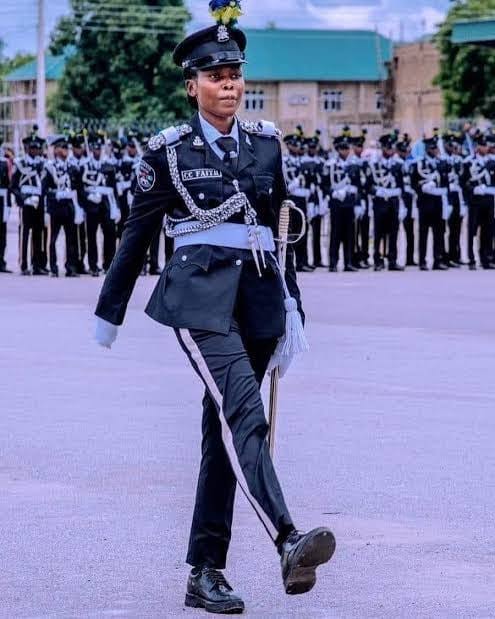
The National Economic Council (NEC) has approved an additional ₦130 billion for the rehabilitation and upgrading of police training institutions across Nigeria, bringing the total funding commitment to ₦230 billion ahead of the proposed establishment of state police.
The fresh allocation is expected to accelerate the renovation of police colleges, upgrade training facilities and strengthen the capacity of the institutions to accommodate increased recruitment and training requirements.
The Council also endorsed two major development programmes involving proposed World Bank financing of $850 million to strengthen disaster preparedness, climate resilience and early childhood development across the country.
These decisions were reached at the 162nd virtual meeting of the NEC, held on Monday and presided over by Vice President Kashim Shettima.
The Council had approved an initial ₦100 billion for the rehabilitation of police training institutions last October, following the establishment of an ad hoc committee on the recommendation of President Bola Ahmed Tinubu.
Presenting an update at the meeting, Enugu State Governor Peter Mbah, who chairs the NEC Ad-Hoc Committee on Police Training Institutions, disclosed that rehabilitation work was ongoing at 13 locations nationwide, with approximately 30 per cent of the work completed.
He assured the Council that the additional ₦130 billion would accelerate the ongoing projects, improve training facilities and strengthen the capacity of police institutions to meet the country’s growing security needs.
The intervention is also expected to support preparations for the proposed recruitment of 50,000 police personnel and provide the necessary training infrastructure ahead of the anticipated transition to a decentralised policing system.
Meanwhile, the Minister of Finance and Coordinating Minister of the Economy, Taiwo Oyedele, presented an update on the country’s economic performance, reporting improvements in several key indicators.
Oyedele said Nigeria’s real Gross Domestic Product (GDP) grew by 4.43 per cent in the second quarter of 2026, compared with 4.23 per cent in the corresponding period of 2025.
He also disclosed that inflation had declined for the fifth consecutive month to 14.06 per cent in October 2026, its lowest level since September 2020, while external reserves stood at $54.87 billion as of November 12, 2026.
According to the minister, Nigeria’s trade surplus increased from ₦10.2 trillion in the first half of 2025 to ₦20.1 trillion in the corresponding period of 2026.
He added that net revenue distributed through the Federation Account Allocation Committee (FAAC) rose by 44 per cent, from ₦15.2 trillion in 2024 to ₦21.9 trillion in 2025.
However, the minister acknowledged that the improving economic indicators had yet to translate sufficiently into relief for households and businesses, particularly in food prices, electricity costs, access to affordable credit and employment opportunities.
He expressed concern that food inflation remained elevated at 19.13 per cent in October, while high lending rates and energy costs continued to put pressure on businesses and household incomes.
The Council also considered two memoranda on disaster management and early childhood development presented by the Minister of Budget and Economic Planning, Senator Atiku Bagudu.
The first concerned the proposed $350 million Accelerating Resilience through Investment Systems and Engagement (ARISE-Nigeria) Project, a six-year World Bank-supported programme designed to strengthen Nigeria’s capacity to anticipate, prepare for and respond to floods, droughts, fires and other natural disasters.
The programme is expected to improve emergency operations centres, early warning systems, weather monitoring and disaster response financing at both federal and state levels.
Between five and 10 states are expected to participate in the initial phase, with selection based on exposure to disaster risks, institutional readiness and commitment to emergency preparedness.
The second memorandum concerned Nigeria’s State-Led Early Childhood Development Programme, which seeks to improve children’s access to healthcare, nutrition, early learning and protection services across the 36 states and the Federal Capital Territory.
The programme is expected to receive funding through a proposed $500 million World Bank financing arrangement, with the Global Financing Facility indicating potential additional grant support of $30 million.
Under the initiative, early childhood development hubs will link primary healthcare facilities with childcare services, preschool education and other essential social services, particularly in underserved communities.
State governors are expected to provide leadership in implementation, resource mobilisation and accountability, while existing institutions will coordinate service delivery.
On the proposed National Identity Management Commission (NIMC) Act 2026, the Council called for stronger collaboration between the commission and state governments to accelerate the registration of Nigerians and improve the integration of the National Identification Number (NIN) into public services.
The initiative is expected to strengthen public service delivery, improve tax administration, eliminate duplicate records and reduce fraud in government payrolls, pension administration and social intervention programmes.
The Council also urged state governments to accelerate identity registration and data capture to ensure wider coverage of the national identity system.
In his opening remarks, Vice President Kashim Shettima said Nigeria’s economic future and the long-term success of President Bola Tinubu’s reforms depended on building strong institutions and strengthening cooperation between federal and state governments.
He stressed the need for ministries and state governments to address practical responsibilities while considering the interests of citizens affected by government policies.
Shettima said: “While His Excellency, President Bola Ahmed Tinubu, GCFR, makes the difficult reforms to stabilise the economy, we must all participate in establishing institutions capable of sustaining the benefits of those reforms. This requires ministries and States to settle practical responsibilities without losing sight of the people affected. To achieve this, we must cooperate.
“We must allow a sound practice in one jurisdiction to inform decisions elsewhere, while respecting the differences in capacity and circumstance across the country. The quality of our cooperation will shape the inheritance we leave.”
The Vice President urged Council members to consider the needs of future generations when taking decisions, stressing that the quality of governance and intergovernmental cooperation would determine the country’s institutional legacy.
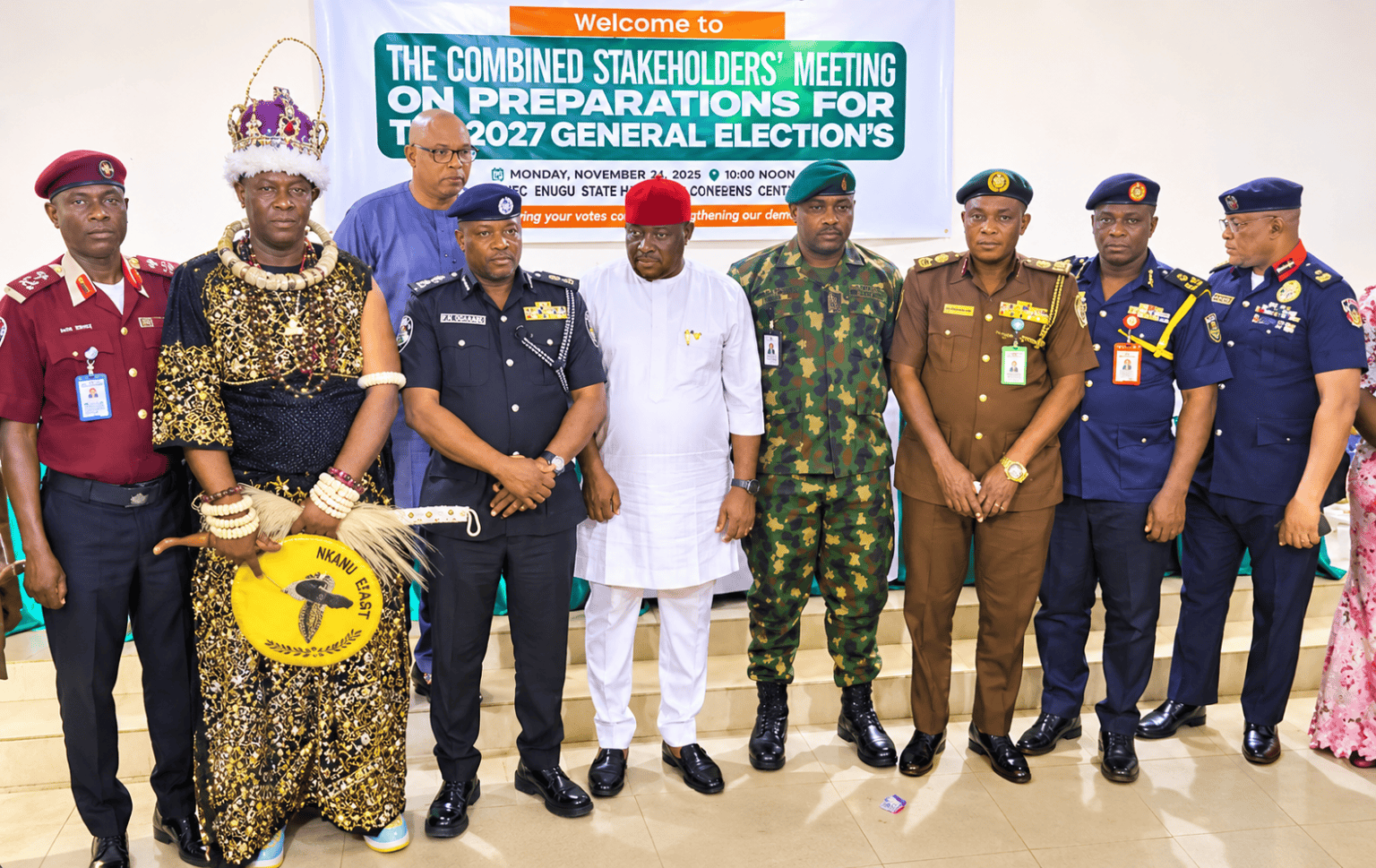
The Independent National Electoral Commission (INEC) has announced plans to conduct a mock accreditation exercise in 520 polling units across Enugu State as part of preparations for the 2027 General Elections.
The exercise, scheduled for Saturday, November 28, will cover two polling units in each of the 260 registration areas in the state.
The Resident Electoral Commissioner (REC) in Enugu State, Dr Chukwuemeka Chukwu, disclosed this on Monday during the Combined Stakeholders’ Meeting on Preparations for the 2027 General Elections held in Enugu.
Chukwu said the nationwide exercise was designed to test the functionality and operational readiness of the commission’s accreditation technology and election-day procedures ahead of the 2027 polls.
He explained that INEC would deploy 1,040 personnel for the exercise, with two officials assigned to each of the 520 selected polling units.
According to him, the arrangement would ensure adequate personnel coverage, effective coordination and a comprehensive assessment of the commission’s technological and operational capacity.
The REC called on political parties, civil society organisations and the media to support the exercise and sensitise voters in the selected communities.
On capacity building, Chukwu disclosed that the commission had concluded a three-day training programme for Electoral Officers (EOs) and Assistant Electoral Officers (AEOs), held between November 16 and 18.
He said the training was aimed at strengthening the officers’ capacity in election planning, coordination, implementation and compliance with established electoral guidelines.
He added that the programme also emphasised professionalism, neutrality, discipline and accountability in the discharge of their responsibilities.
Chukwu further disclosed that INEC held a meeting with the Inter-Party Advisory Council (IPAC) on November 20 to discuss preparations for the 2027 elections and strengthen cooperation with political parties.
He said the commission also organised an Electoral Risk Management Sensitisation Workshop on October 29 to familiarise stakeholders with its Electoral Risk Management Framework and strategies for identifying and mitigating potential electoral threats.
On inclusive participation, the REC said INEC had continued to organise sensitisation programmes targeting persons with disabilities, women and youths.
He disclosed that 540 women drawn from the 17 local government areas of the state had already participated in sensitisation workshops organised by the commission.
Speaking at the meeting, the Commissioner of Police, Enugu State Command, CP Fidelis Ogarabe, who is also the Co-Chairman of the Election Security Committee, assured INEC and residents of the state of adequate security for all electoral activities.
Ogarabe said security agencies were fully prepared to provide protection before, during and after the 2027 General Elections.
“Security agencies are always ready. We are assuring INEC and residents of the state of adequate security before, during and after the elections.
“We are ready; call on us and tell us the security challenges and we will resolve them on time,” he assured.
Also speaking, the Chairman of the Enugu State Traditional Rulers’ Council, Igwe Samuel Asadu, urged INEC to intensify public enlightenment and awareness campaigns on its programmes, particularly those directly affecting residents at the grassroots.
Asadu stressed the need for increased sensitisation on the collection of Permanent Voter Cards (PVCs), the forthcoming mock accreditation exercise and the importance of widespread participation in the electoral process.
He also called for more frequent engagement with stakeholders, noting that traditional institutions could help mobilise and encourage residents to participate actively in the elections.
The stakeholders’ meeting was attended by representatives of political parties, security agencies, traditional and religious institutions, civil society organisations, organisations of persons with disabilities, the media, INEC heads of departments and electoral officers across the state.
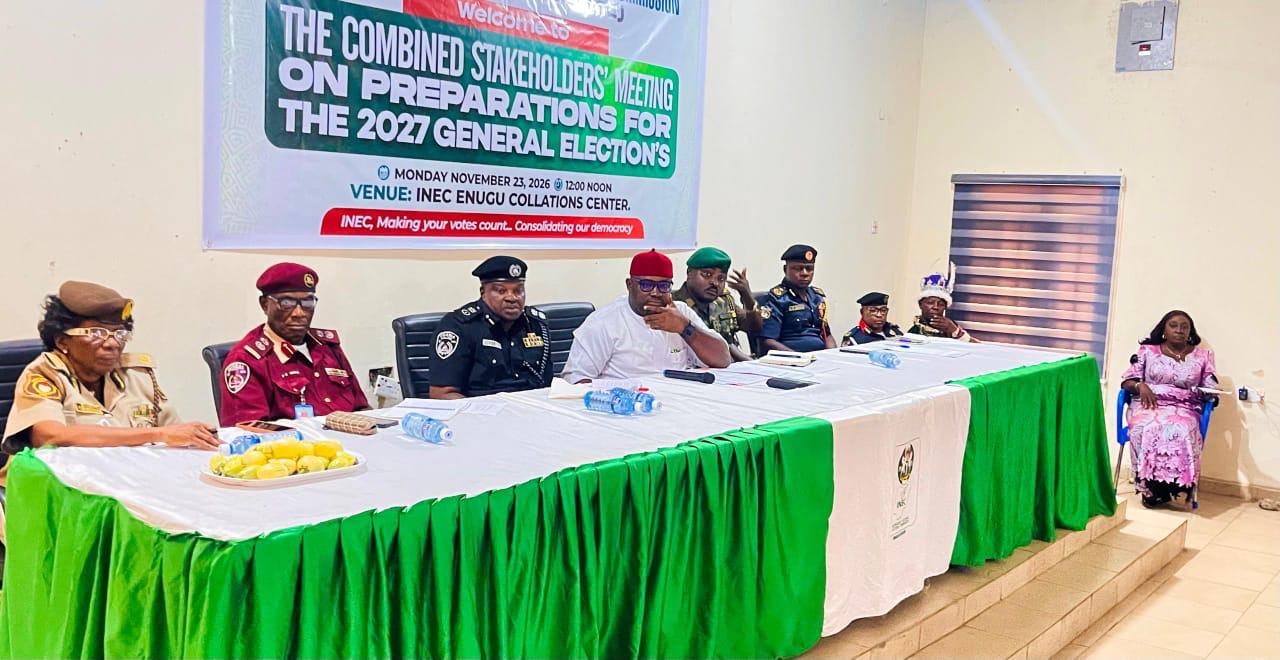
The Enugu State Police Command has reaffirmed the readiness of the Police and other security agencies to provide adequate security before, during and after the 2027 general elections.
The Commissioner of Police, Enugu State Command, CP Fidelis Ndubuisi Ogarabe, gave the assurance on Monday, November 23, 2026, during the Independent National Electoral Commission (INEC) Combined Stakeholders’ Meeting held at the Commission’s State Headquarters, Independence Layout, Enugu.
Ogarabe, who spoke in his capacity as Co-Chairman of the Inter-Agency Consultative Committee on Election Security (ICCES), urged residents, particularly eligible voters, to conduct themselves peacefully and avoid actions capable of undermining the electoral process.
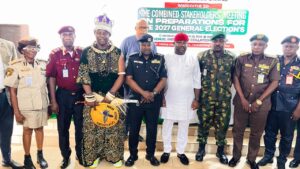
He also called on members of the public to support security agencies by providing credible and timely information that could assist in preventing threats to the electoral process and ensuring peaceful, secure and credible elections.
Earlier, the INEC Resident Electoral Commissioner in Enugu State, Dr Chukwu Chukwuemeka, in his welcome address, highlighted the Commission’s ongoing preparations for the 2027 general elections.
He listed the collection of Permanent Voter Cards (PVCs) and the nationwide Mock Accreditation Exercise scheduled for Saturday, November 28, 2026, among the key activities lined up by the Commission.
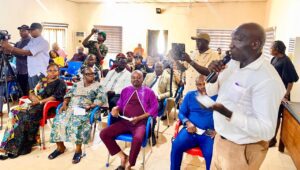
The REC also addressed questions and concerns raised by participants during the interactive session.
The meeting attracted heads of security agencies, political party leaders, the Chairman of the Enugu State Traditional Rulers Council, HRM Igwe Samuel Asadu, the State Coordinator of the National Youth Service Corps (NYSC), leaders of town unions, Presidents-General of communities across the state, media representatives, INEC field officers and other stakeholders.
The engagement provided an opportunity for electoral stakeholders to discuss preparations, identify potential security concerns and strengthen collaboration towards the successful conduct of the 2027 general elections in Enugu State.


2027: Obi Urges Nigerians to ‘Sacrifice One Day for Nigeria to Be Good Again’


Pomp, Pageantry as 37th NAFEST Opens in Enugu; Mbah Champions Cultural Economy


2027: ‘I’ll Defeat Natasha Without Spending a Dime,’ Yahaya Bello Boasts, Calls Dino Melaye Noise Maker


Fake Drugs: NAFDAC Seeks Death Penalty as Counterfeit Products Flood Nigerian Markets

Police Take Over Fountain of Life Church as Jimmy Odukoya’s Leadership Crisis Deepens

Abductions: 640 Nigerians Still in Captivity as Families Cry Out Over Government Silence
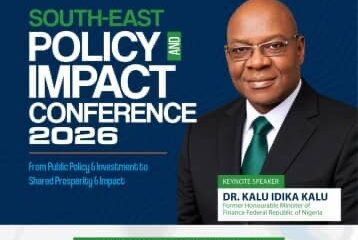

South-East Policy and Impact Conference to chart pathway from economic reforms to regional prosperity


2027 Elections: Controversy Trails Inauguration of 200-Man Security Outfit by Umahi’s Son