News
What to know about Canada’s new Federal Skilled Trades Program offering permanent residency

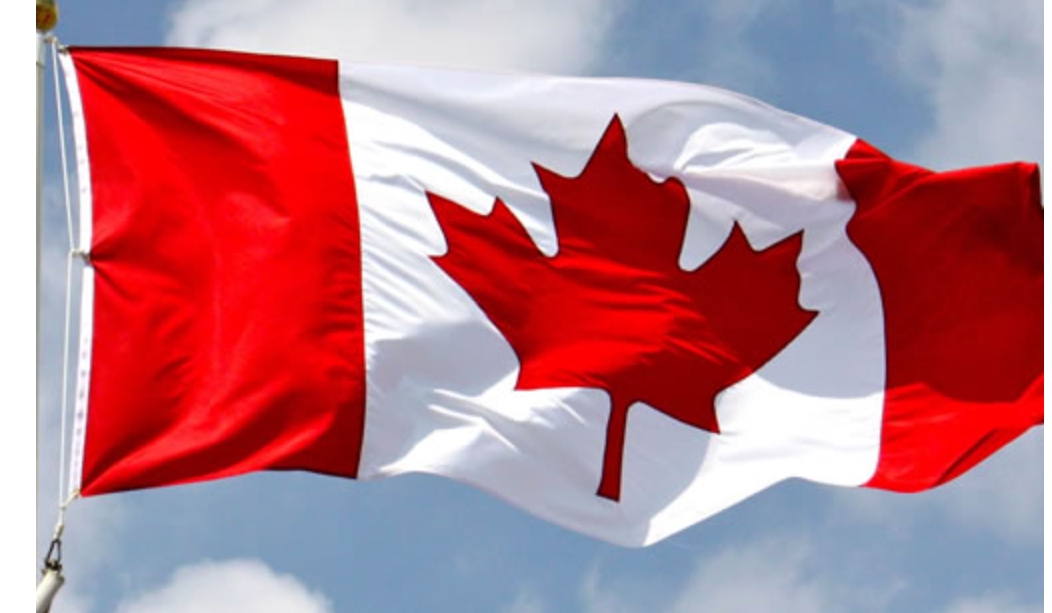
Canada has introduced new eligibility requirements for the Federal Skilled Trades Program (FSTP), an immigration pathway under the Express Entry system.
The updated criteria outline essential conditions that skilled trades workers must meet to qualify for permanent residency in Canada

Overview of Canada’s Federal Skilled Trades Program
The FSTP is designed to attract skilled trades professionals from around the world to fill labor shortages in various industries.
This immigration stream allows tradespeople to apply for permanent residency based on their experience in eligible sectors.

Updated Eligibility Criteria for 2025
Starting in March 2025, applicants must meet the following eight eligibility requirements:
1. Eligible Skilled Trade Sectors
Candidates must have work experience in one of the following sectors:
Construction (e.g., electricians, plumbers, welders, carpenters)
Transportation (e.g., truck drivers, mechanics)
Manufacturing & Industrial Trades (e.g., machine operators, tool and die makers)
Natural Resources & Agriculture (e.g., forestry, oil and gas trades)
2. Skilled Trades Work Experience
Applicants must:
Have at least two years of full-time work experience (or 3,120 hours in total) in a skilled trade within the last five years.
Perform duties listed under the National Occupational Classification (NOC), specifically Major Groups 72, 73, 82, 83, 92, or 93 (excluding Sub-Major Groups 726 and 932), Minor Group 6320, and Unit Group 62200.
Meet all job requirements specified under the NOC.
Have been paid for their work (unpaid or volunteer experience is not considered).
Be qualified to practice in the country where they gained their experience.
3. Job Offer or Certificate of Qualification
Applicants must provide one of the following:
A valid, full-time job offer (for at least one year) from a Canadian employer, or
A certificate of qualification issued by a provincial, territorial, or federal authority in Canada.
Note: Certification requirements vary by province and territory. Some applicants may need to travel to Canada for assessment or secure an employer for additional training. It is advisable to check trade certification details on the governing body’s website of the intended province or territory.
4. Language Proficiency
Candidates must take an approved language test in English or French and meet the minimum Canadian Language Benchmark (CLB) scores in reading, writing, listening, and speaking.
5. Education Requirements
While no formal education is required to apply for FSTP, having an educational credential can improve an applicant’s ranking in the Express Entry pool.
6. Proof of Funds
Applicants must demonstrate that they have sufficient financial resources to settle in Canada unless:
They are already legally working in Canada, or
They have a valid job offer from a Canadian employer.
7. Admissibility Criteria
Applicants must meet Canadian immigration laws, ensuring they:
Do not have a criminal record or pose security risks.
Do not have medical conditions that could render them ineligible.
8. Residency Requirement
Applicants must intend to live outside Quebec, as the province of Quebec selects its skilled workers through a separate immigration program.



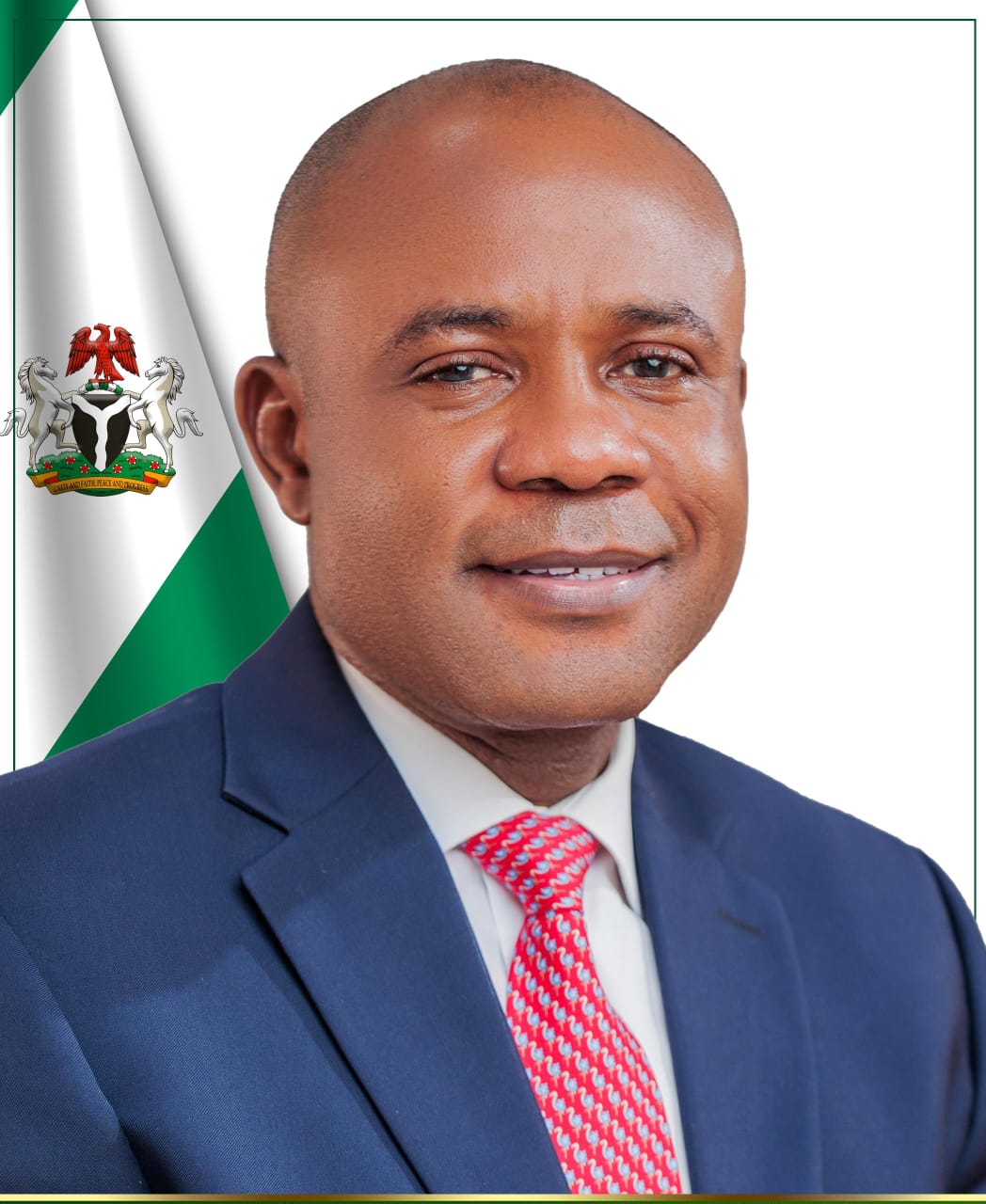
Governor Peter Mbah of Enugu State, has approved fresh appointments in the state.
The appointees include Special Advisers (SPAs), Senior Special Assistants (SSAs) and Special Assistants (SAs):
The secretary to the State Government, Professor Chidiebere Onyia announced the appointments in a statement issued in Enugu Monday night.
The Full List of New Appointees
ENUGU STATE GOVERNMENT
OFFICE OF THE SECRETARY TO THE STATE GOVERNMENT
PUBLIC SERVICE ANNOUNCEMENT
The Governor of Enugu State, His Excellency, Dr. Peter Ndubuisi Mbah, has approved the appointment of the following persons as Special Advisers (SPAs), Senior Special Assistants (SSAs) and Special Assistants (SAs):
SPECIAL ADVISERS (SPAs)
1. Chief S.N.C. Nwagu — Special Adviser on Conflict Resolution and Mediation
2. Hon. Dr. Fidelis Odo — Special Adviser on Inter-Governmental Affairs and Co-ordination
3. Augustine Okoli — Special Adviser on Policy Affairs and Analysis
4. Hon. Pedro Nwankwo — Special Adviser on Stakeholders Relations and Community Affairs
5. Chimezie Nkwuo — Special Adviser on Economic Development
6. Chief Vitalis Okonkwo — Special Adviser on Grassroot Coordination
7. Peter Andy Omeje — Special Adviser on Commerce and Business Development
SENIOR SPECIAL ASSISTANTS (SSAs)
8. Rachael Okonkwo — Senior Special Assistant on Film and Creative Industry Development
9. Barr. Okey Ude — Senior Special Assistant on Inter-Party and Mobilization
10. Hon. Chinedu Chukwunwike — Senior Special Assistant on Party Monitoring
11. Barr. Peter Chukwujekwu Ogbe — Senior Special Assistant on Legal and Regulatory Compliance
12. Chukwudi Ozoeluba — Senior Special Assistant on Boundary and Land Dispute Resolution
13. Frank Udemezue — Senior Special Assistant on Small and Medium Enterprise Development
SPECIAL ASSISTANTS (SAs)
14. Hon. Alachi Aaron Onu — Special Assistant on Forest Protection and Conservation
15. Ugwu Emmanuel Chima — Special Assistant on Market Maintenance and Sanitation
16. Dr. Okwoigwe Modestus Ndubuisi — Special Assistant on Health Facility Maintenance
17. Hon. Okechukwu Agu — Special Assistant on Environmental Protection
18. Ozor Ejike Okpe — Special Assistant on Enlightenment and Communicationin
19. Solomon Gwiyi — Special Assistant on Publications and Documentation
20. Cornelius Ugwu — Special Assistant on Town Union Co-ordination
21. Hon. Romanus Ugwu — Special Assistant on Market Decongestion
22. Hon. Gab Onu — Special Assistant on Market Sanitation
23. Prince Lawrence Ugwu — Special Assistant on Road Infrastructure Maintenance
24. Ugwunnadi Pius Nwabueze — Special Assistant on Grassroot and Rural Integration
25. Timothy Chukwuemeka Nnaji — Special Assistant on Community Youth Engagement and Development
26. Nick Nnaji — Special Assistant on Town Union Matters
27. Mrs. Eucharia Anunobi — Special Assistant on Women Mobilization, Enugu-North Zone
28. Aneke Ogbonna Ajie — Special Assistant on Community Engagement
29. Christian Ede — Special Assistant on Government House Matters
30. Pastor Emeka Ogbonna — Special Assistant on Humanitarian Band and Entertainment
31. Chidi Udo — Special Assistant on Inter State Relations
32. Engr. Egbonwonu Jude Chikezie — Special Assistant on Infrastructure Monitoring and Maintenance
33. Emma Ogbonna — Special Assistant on Civic Education and Voter Awareness
34. Ali Stanley Osita — Special Assistant on Chieftaincy and Traditional Affairs
35. Hon. Onuora Udeanugwo — Special Assistant on Cooperative Development and Empowerment
36. Sunday Ignatius Okafor — Special Assistant on Political and Grassroot Mobilization
37. Bar. Chika Nzelu — Special Assistant on Non-Indigene Relations
38. Hon. Ugwuoke Emeka Sylvanus — Special Assistant on Environmental Management
39. Miss Domitila Chidimma Ozioko — Special Assistant on Public Engagement and Advocacy
40. Hon. Emmanuel Ugwu — Special Assistant on Human Development
41. Nnadia Ajima Nwodo — Special Assistant on Ecological Management
42. Peter Oramalu — Special Assistant on Urban Beautification
43. Sabastine Ngwu — Special Assistant on Public Enlightenment
44. Mr. Titus Ike Olu — Special Assistant on Public Awareness and Sensitisation
45. Mr. Jude Aniogbo — Special Assistant on Industrial Harmony
46. Romanus Agada — Special Assistant on Public Advocacy
47. Onogwu Festus Chibuike — Special Assistant on Community Development
48. Ugwuja Emmanuel Okeke — Special Assistant on Public Engagement
49. Barr. Nnabuike Nwodo — Special Assistant on Public Utilities (North)
50. Ugwu Ikechukwu — Special Assistant on Inter Party Affairs
51. Ugwu Franklin Izuchukwu — Special Assistant on Public Enlightenment and Orientation
52. Aniagor Sunday Okechukwu — Special Assistant on Cultural Orientation
53. Tobias Ogbonna Onuh — Special Assistant on Rural Development
54. Abugu Sabastine Ekene — Special Assistant on Social Orientation
55. Ugwu Cletus — Special Assistant on Public Communication
56. Engr. Onyeka Solomon — Special Assistant on Public Participation and Inclusion
57. Hon. Innocent Anayo Eze — Special Assistant on Youth Engagement
58. Okwo Emeka Robert — Special Assistant on Environment
59. Hon. Fred Ozoilo — Special Assistant on Training and Strategy
60. Celestine Ikeana — Special Assistant on Youth Development
61. Mr. Christian Njeke — Special Assistant on Capacity Building
62. Hon. Mark Ogbonna — Special Assistant on Community Building
63. Chuma Dilibe Esq. — Special Assistant on Technology and Innovation
64. Engr. Ugwu Uchenna — Special Assistant on Youth Empowerment and Skills Development
65. Hon. Ikerionwu Eze — Special Assistant on Digital Innovation
66. Dr. Cordelia Idoko — Special Assistant on Gender Co-ordination and Empowerment
67. Com. Mike Okenwa — Special Assistant on Grassroot Sports Development
68. Prince Ifeanyi Onuora — Special Assistant on National Orientation
69. Gabriel Igwe — Special Assistant on Community Enlightenment and Outreach
70. Uche Ezugwu — Special Assistant on Environmental and Sanitation
71. Ozioko Theophilus — Special Assistant on Youths Engagement
72. Igwe Ifebuche Cyprian — Special Assistant on Protocol
73. Peter Chibuzor Nwaekemezie — Special Assistant on Market Orientation
74. Mrs. Eucharia Ani — Special Assistant on Gender Advocacy
75. Hon. Solomon Egbo — Special Assistant on Contact and Mobilization
76. Obinna Augustine Okenwa — Special Assistant on Youth and Sports
77. Engr. Wilson Ogbonna — Special Assistant on Monitoring and Evaluation
78. Paul Nwodo — Special Assistant on Government Communication
79. Chukwudi Nwatu — Special Assistant on Social Media
80. Blessing Ugwoke — Special Assistant on Women Mobilization
81. Prince Nonso Nnaji — Special Assistant on Youths Alliance
82. Barr. Francis Anurika Ani — Special Assistant on Social Engagement
83. Hon. Ngene Chijioke Oscar — Special Assistant on Urban Renewal and Beautification
84. Hon. Okwudili Onuora — Special Assistant on Security Intelligence
85. Maduako Ikenna Philip — Special Assistant on Regional Integration
86. Ngozi Itanyi — Special Assistant on Grassroot Women Coordination
87. Agbo Kinsley Okechukwu A. — Special Assistant on Stakeholders Engagement
88. Chekwube Henry Ogbodo — Special Assistant on Youth Mobilization
89. Chukwuma Prince Uche — Special Assistant on Grass-root Mobilization
90. Kingsley Chekwube Ude — Special Assistant on Media Relations
91. Onwuka Toti Miracle — Special Assistant on Special Duties
92. Chukwudi Ozor — Special Assistant on Project Monitoring
93. Mama Onyebuchi Emmanuel — Special Assistant on Public Affairs
94. Eze Godwin — Special Assistant on Inter Party Relationship and Management
95. Ishienyi Olisaemeka — Special Assistant on Social Welfare and Community Relations
96. Chief Robert Alum — Special Assistant on Rural Development and Livelihood
97. Humphrey Madu — Special Assistant on Political Liaison
98. Uroko Innocent — Special Assistant on Inter-Governmental Affairs
99. Ifeanyi Ani — Special Assistant on Community Mobilization
100. Chikezie Aga — Special Assistant on Civic Values and National Re-orientation
101. Surv. Julius Nshiodo — Special Assistant on Rural Surveys and Land Development
The appointments take effect immediately.
Signed:
Prof. Chidiebere Onyia
Secretary to the Enugu State Government
Monday, 21st September, 2026

More than 8,000 communities and 4,500 schools across 15 states are at risk of flooding between September 19 and 25, according to the latest National Flood Advisory issued by the Nigeria Hydrological Services Agency.
The agency warned that rising river levels could trigger flooding in vulnerable communities, exposing schools, healthcare facilities, markets, religious buildings and farmlands to possible inundation.
The warning was contained in the agency’s National Flood Advisory issued on Saturday by its Director-General and Chief Executive Officer, Arch Umar Mohammed.
The affected states include Imo, Cross River, Delta, Ebonyi, Benue, Anambra, Akwa Ibom, Edo, Enugu, Bayelsa, Kogi, Abia, Taraba, Rivers and Lagos.
Mohammed said rising river levels were expected to trigger flooding in several communities, putting schools, healthcare facilities, markets, farms and religious buildings at risk.
He urged affected state governments to urgently relocate residents living in vulnerable communities to safer locations ahead of the forecast.
He said, “High riverine flood risk is forecast for the next seven days across Imo, Cross River and 13 other states.
Rising river stages are expected to cause flooding.
“Communities on the floodplain should prepare to move to higher ground. Stations include Obubra, Itigidi and Epento on the Cross River.”
In Imo State, NiHSA listed Aboh-Mbaise, Ahiazu-Mbaise, Ehime Mbano, Ezinihitte, Ideato North, Ihitte/Uboma and Ikeduru local government areas as being at risk.
The agency said 958 communities, 1,022 schools, 553 healthcare facilities, 161 markets and 198 religious buildings were exposed in the state.
In Cross River State, the affected LGAs are Abi, Akamkpa, Akpabuyo, Biase, Calabar, Calabar South, Ikom and Obubra.
NiHSA identified 2,471 communities, 703 schools, 344 healthcare facilities, 145 markets, 453 religious buildings and 854 hectares of farmland as exposed to the flood risk.
In Ebonyi State, Abakaliki, Afikpo, Afikpo South, Ebonyi, Ezza North and Ezza South LGAs were identified as vulnerable.
The agency said 2,574 communities, 1,064 schools, 422 healthcare facilities, 480 markets, 629 religious buildings and 1,882 hectares of farmland were exposed.
In Benue State, the affected LGAs are Buruku, Gboko, Guma, Katsina-Ala, Logo and Ukum, with 303 communities, 100 schools, 48 healthcare facilities, 32 markets, 151 religious buildings and 55 hectares of farmland exposed.
NiHSA also identified Aguata, Anambra East, Anambra West, Anaocha, Awka North, Awka South and Ayamelum local government areas in Anambra State as vulnerable.
It listed 1,314 communities, 1,308 schools, 1,089 healthcare facilities, 280 markets, 610 religious buildings and 1,529 hectares of farmland as exposed.
In Akwa Ibom State, Abak, Eket, Etinan, Ibeno, Ibesikpo Asutan, Ibiono Ibom, Ika and Ikono LGAs were listed among the affected areas.
The agency identified 249 communities, 323 schools, 211 healthcare facilities, 74 markets and 289 religious buildings as exposed in the state.
The agency advised residents in flood-prone areas, particularly communities located on floodplains, to take precautionary measures and move to higher ground where necessary.
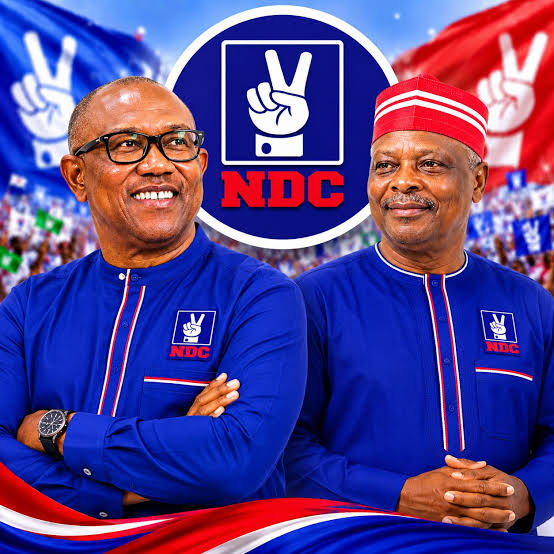
The Obi-Kwankwaso Movement on Thursday unveiled a 59-member presidential campaign council comprising zonal and state coordinators as well as directors for mobilisation, women’s affairs, strategy, security, legal affairs and other key areas ahead of the 2027 general elections.
The council, as announced in a statement on Thursday, has the Director-General of the movement, John Ughulu, as Director-General of the campaign, while National Secretary, Saadatu Sani, is also listed among the campaign leadership.
The structure has representatives from the six geopolitical zones and the Federal Capital Territory, with state coordinators appointed for the 36 states.
The council also includes directors responsible for grassroots mobilisation, women affairs, contact and engagement, special duties, procurement, information technology, legal affairs, strategy and planning, security and intelligence, and administration.
The development comes as the movement intensifies preparations to mobilise support for the joint presidential ticket of Nigeria Democratic Congress candidate, Peter Obi, and his running mate, Rabiu Kwankwaso, ahead of the 2027 election.
In a congratulatory message to the newly appointed council members, Sani explained that their selection was a call to duty and tasked them with taking the message of its principals to communities across the country.
She said, “Your selection is not merely an appointment; it is a call to duty, sacrifice, leadership and service to Nigeria. At this critical moment in our nation’s history, the responsibility before the presidential campaign council is enormous.
“You have been entrusted with the task of taking the vision, message and aspirations of our principals directly to the Nigerian people from the cities to the grassroots, from the states to the local governments, and from the wards to every community across the federation.
“Your appointment is an honour, but more importantly, it is a responsibility. The journey has begun. The assignment is clear. The mission is Nigeria.”
Continuing, she highlighted that the Obi and Kwankwaso campaign would not be built around individuals seeking personal recognition, but around what it described as a broader national vision.
“The OK Movement is not built around individuals seeking personal recognition. It is a movement driven by a larger national vision: to mobilise Nigerians around the possibility of a better, more prosperous, united and functional Nigeria.
“We therefore expect every member of the Presidential Campaign Council to approach this assignment with discipline, loyalty, humility, courage and an unwavering commitment to the collective vision of the movement.
“The road ahead will require hard work. It will require strategic thinking, grassroots mobilisation, effective communication and, above all, the ability to work together as one formidable political family,” she stated.
The national secretary added that their immediate responsibility was to ensure that the message of its principals reached voters nationwide.
She said, “Our responsibility is to ensure that the message of our principals reaches every Nigerian and that the voice of the people is heard across the length and breadth of our nation.”
Among those appointed are Suleiman Abubakar as North-Central coordinator; Hashimu Dungurawa (North-West); Amadu Gwambe (North-East); Dr Adebayo Adefolaseye (South-West); Christopher Ighodaro (South-South) and El-Shaddai Ikeh (South-East).
The council also appointed state coordinators for each of the 36 states and the FCT.
Others appointed include Rev Mike Agbon as Director, Inter-Ethnic Group in Northern Nigeria; Sabo Gashua (Grassroots Mobilisation); Glory Adayi (Women Affairs); Kabir Yahaya (Contact and Engagement); Abdumumini Tijjani (Mobilisation); Yusuf Mani (Special Duties); Peace Daful (Procurement); Prof Charles Nwekeaku (South Eastern Town Hall) and Sunmisola Adebayo (Information Technology).
Kingdom Okere was appointed Director of Legal Affairs; Abiodun Dabiri (Strategy and Planning); Richard Enemona CSP (retd.) (Security and Intelligence), while Aisha Abdulrahaman was named Director of Administration.
Last month, the group reaffirmed that it would retain its independent structure rather than merge with another political organisation ahead of the 2027 elections, while backing Ughulu as its founder and Director-General.
The unveiling comes days after the movement condemned the reported disruption of Obi’s convoy during his visit to Benue State and called for an impartial investigation into the incident.
The OK Movement said its security personnel deliberately exercised restraint to prevent the situation from escalating into violence.
-
 Editorial2 days ago
Why Nigerian Graduates and Youths Are Jobless — and Increasingly Vulnerable to Crime and Other Vices
-
News1 day ago
Former Kogi Gov, Ibrahim Idris, dies in UK at 77
-
News3 days ago
Lecturer arrested over ‘WhatsApp post’ on Kogi road project
-
News2 days ago
Woman allegedly kills husband over plans to marry second wife
-
News1 day ago
NDLEA intercepts N3.4bn drugs, arrests fake police officer
-
Politics2 days ago
NDC disowns purported OK Movement PCC, moves to sanction John Ugulu
-
News2 days ago
Student dies by suicide days after Oyo Police detention over ₦8,000 debt
-
News2 days ago
Thugs reportedly attack Peter Obi supporters in Warri