News
Flood disaster claims 232 lives, displaces 121,000 as states intensify action

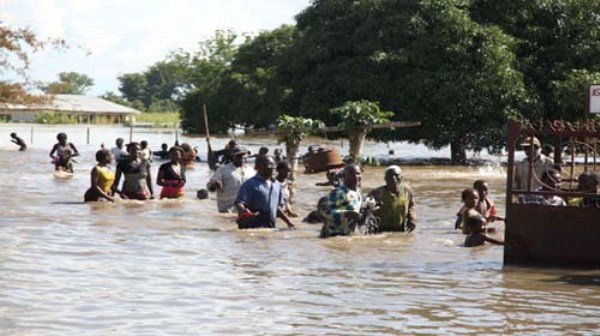
Several states, including Kaduna, Nasarawa, Bauchi and Jigawa, have intensified campaigns to avert flood crisis.
According to figures obtained by The PUNCH from the National Emergency Management Agency on Monday, no fewer than 232 persons have lost their lives, while 121,224 others have been displaced following floods that swept through parts of the country as of September 20.

The 2025 flood dashboard shows that at least 339,658 people also recorded some form of losses, with 681 sustaining various degrees of injuries.
Deaths were recorded in seven states, with Niger State accounting for 163 fatalities, Adamawa 59, Taraba five, Yobe two, Borno, Gombe, and Jigawa one each, bringing the nationwide death toll to 232. The floods also resulted in 115 cases of missing persons across the country.
The disaster also left 42,301 houses damaged and destroyed about 48,447 hectares of cultivated farmlands.

The most impacted states include Lagos, where 57,951 people were affected, 3,680 displaced and 3,244 houses damaged; Adamawa, with 57,890 affected, 23,077 displaced, 438 injured, 59 killed, and more than 9,000 farmlands destroyed; and Akwa-Ibom, where 46,233 persons were affected, 40,140 displaced, with over 17,000 homes and farmlands damaged.
Other states severely hit are Imo, which recorded 29,242 affected, 15,607 displaced, 81 injured, and hundreds of homes and farms destroyed; Taraba, with 26,722 affected, 3,080 displaced, 88 injured, and five killed; Rivers, with 22,345 affected and 9,645 displaced; Delta, with 14,057 affected and 3,325 displaced; Abia, where 11,907 were affected, 4,896 displaced, and 21 injured; and Edo, with 10,608 affected and 2,439 displaced.
Also affected are Borno, which had 8,164 people impacted, 2,436 displaced, three injured, and one death; Kaduna, with 7,334 affected and 662 displaced; Niger, where 6,041 were affected, 1,860 displaced, 11 injured, and 163 deaths; Bayelsa, with 5,868 affected; Cross River, which reported 5,646 affected and 5,518 displaced; Yobe, where 4,256 were affected, 486 displaced, and two killed; Sokoto, with 4,278 affected and 1,287 displaced; Gombe, where 4,098 were affected, 865 displaced, 12 injured, and one death; and Ondo, which reported 3,735 affected and 363 displaced.
The floods further impacted Jigawa, with 3,650 affected, 293 displaced, and one death; Kogi, where 2,825 were affected; Kwara, which recorded 2,663 affected and extensive farmland losses; Anambra, with 925 affected and 816 displaced; Nasarawa, where 749 persons were affected and all displaced; Kano, which recorded 1,446 affected; and the Federal Capital Territory (Abuja), where 1,025 people were affected and 117 houses damaged.
NEMA identified food, shelter, health services, water and sanitation, and livelihood support as the most urgent needs of victims.
In the aftermath of the floods, NEMA identified several obstacles hampering response efforts. Resource shortage was the most pressing challenge, accounting for 68 per cent of reported difficulties.
This was followed by the inaccessibility of flooded communities (17 per cent), which made it difficult for rescue teams and relief materials to reach victims. Security risks (six per cent) in some locations also slowed operations, while community resistance (seven per cent) further complicated humanitarian access and aid delivery.
The Gombe State Emergency Management Agency said the floods had displaced hundreds of households and claimed several lives since the start of the rainy season.
The Executive Secretary of SEMA, Gombe, Haruna Abdullahi, confirmed that no fewer than 986 households have been affected so far, while 15 lives have been lost to flood-related incidents.
“The situation is worrying. From the beginning of this rainy season till date, we have recorded 15 deaths, and close to 1,000 households have been displaced across different communities,” Abdullahi said.
He explained that one of the most recent incidents occurred at Jurara in Kwami Local Government Area, where about 96 people were displaced and currently being hosted by members of the community.
“So, also at Jalingon Kamu in Kaltungo Local Government Area, about 102 persons were dislocated and are now managing with their neighbours,” he added.
Abdullahi added that a tragic canoe accident compounded the situation in Funakaye Local Government Area.
“A canoe capsized in a village near Bage, leading to the death of five people, while only two survived,” he said.
The SEMA boss, however, assured that the agency was working with local authorities and humanitarian partners to provide relief to victims, even as he urged residents in flood-prone areas to take precautionary measures during the peak of the rainy season.
In Sokoto, findings from a joint assessment conducted by SEMA and NEMA showed that the torrential downpours on September 4 and 9 ravaged 61 communities in Rabah Local Government Area, destroying about 2,200 houses and displacing more than 5,300 households.
With flooding already affecting over 5,000 households and killing at least two people in Sokoto alone in the past fortnight, humanitarian groups and community leaders are calling for urgent interventions to protect lives, provide relief to displaced families, and invest in long-term flood and water transport safety measures.
Many houses were destroyed during the recent flood disaster, which ravaged a number of local government areas of Kano State within the last two weeks.
The Executive Secretary of the Kano SEMA, Alhaji Isyaku Kubarachi, said, “As you know, the rainy season is coming to an end, but the problem is that whenever it rains, the rain is always accompanied by strong windstorms, thereby causing a lot of havoc to many houses by uprooting the roofing of the affected houses.
“We have several such houses and we even recorded fatalities, but I cannot give you the exact number of persons affected or houses destroyed because we’re still working on it,” he said.
Kunarachi said when they finished compilation of the affected persons and houses, they would forward the comprehensive report to the state government. (PUNCH)













News
UBA Commences Contempt Proceedings Against WEMPCO Directors over Alleged Disobidence of Court Order
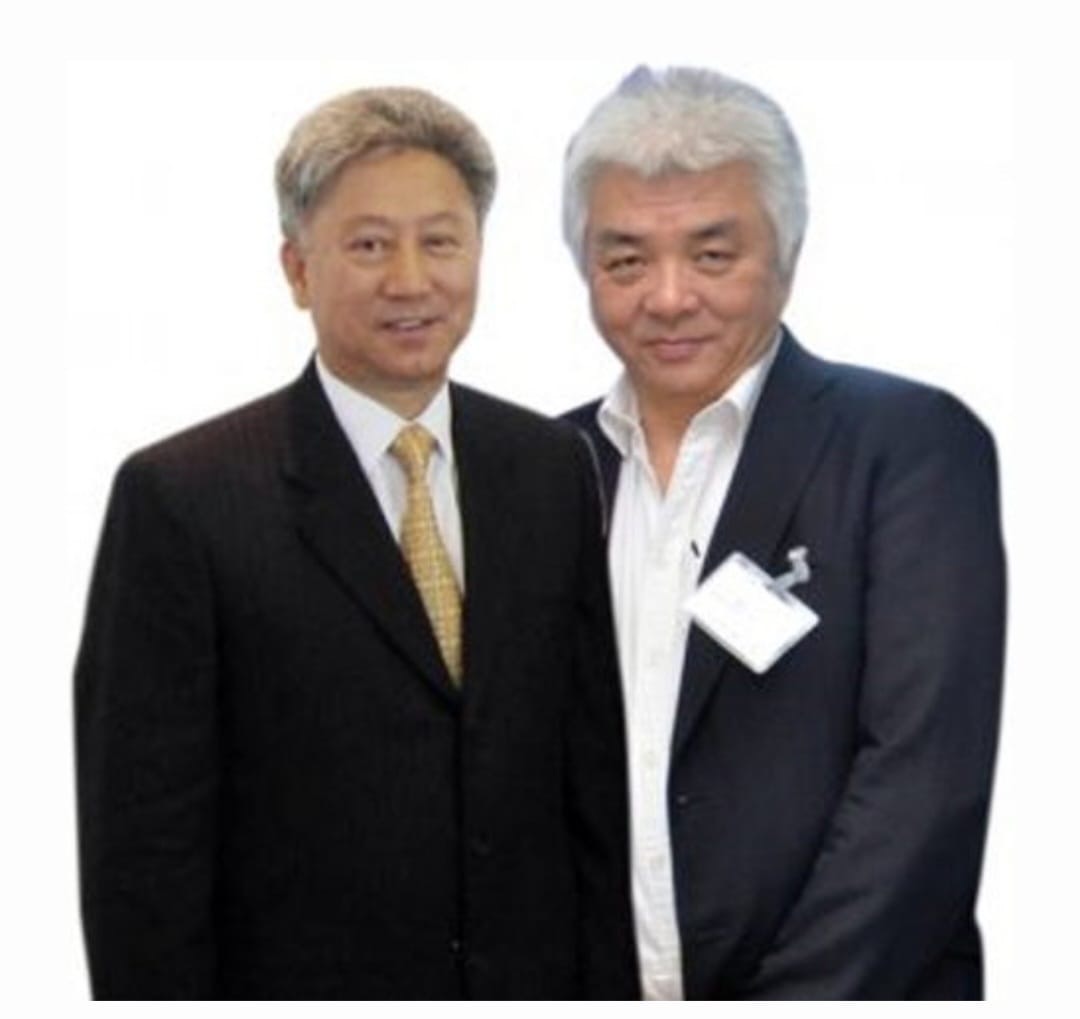
The Federal High Court, presided over by Honourable Justice Aluko, has granted an application by United Bank for Africa (UBA) Plc for substituted service of Form 49 on directors of Wempco named as alleged contemnors in the case of UBA v. Wempco.
The application forms part of proceedings seeking to determine whether the named individuals disobeyed an order of the court and whether they should be committed to prison for contempt.
The directors named as alleged contemnors are Lewis Shui Ngor Tung, Phillip Shui Chei Tung, M.A. Ola Yusuf, Tung Lawrence Blake, Aali Aare Hadji Tokunbo, Paul Shui Po Tung, Tung Robert, C.L. Ip and Taiwo Alli.
In advancing the application, counsel to UBA argued that service of Form 49 on the alleged contemnors was necessary to enable them to appear before the court and show cause why an order of committal should not be made against them.
He also argued that the Directors of Wempco and some members of staff took illegal steps in an attempt to disobey the Order of Court.
The court’s decision to grant substituted service provides a procedural step towards bringing the notice to the attention of the individuals concerned in accordance with the court’s directions.
Form 49 is a notice requiring an alleged contemnor to show cause why an order of committal to prison should not be made against them for alleged disobedience of a court order.
The Federal High Court had earlier made an Order of Mareva Injunction and appointed a Receiver/Manager over some of the Assets of Wempco following the indebtedness of Wempco to UBA in the sum of N61,445,695,993.76 (Sixty One Billion FourHundred and Forty-Five Million Six Hundred and Ninety Five Thousand, Nine Hundred and Ninety Three Naira, Seventy Six Kobo).

A Lagos State High Court has granted interim preservative orders, including a Mareva injunction, in favour of United Bank for Africa (UBA) Plc in a dispute involving the alleged diversion of petroleum products valued at $242 million.
The orders, granted last Thursday by Justice K. A. Jose, followed allegations by UBA that Vitol SA, a Switzerland-based energy trading company, wrongfully released cargoes of petroleum products consigned to the bank in the bills of lading.
UBA’s lead counsel, Bode Olanipekun, SAN, urged the court to grant the interim orders to preserve assets and prevent the dissipation of funds pending the determination of the substantive dispute.
In her ruling, Justice Jose granted three of the prayers sought by the bank, including requests to restrain dealings with assets and funds up to the disputed amount.
“Prayers 1–3 are granted as prayed against the 2nd Respondent only,” the judge ruled.
The application was brought pursuant to Order 43 Rule 1 of the High Court of Lagos State (Civil Procedure) Rules 2019 and the Lagos State High Court Practice Direction No. 2 of 2019.
In the substantive proceedings, UBA is seeking to establish the liability of Vitol SA and the owners of the vessels over alleged conversion, misrepresentation and negligence arising from the non-delivery of the petroleum products.
The bank also cited 34 financial institutions and public agencies, including commercial banks, merchant banks, microfinance banks, the Nigerian Ports Authority and the Nigeria Customs Service, in connection with the application.
In an affidavit supporting the application, UBA’s Group Head of Recoveries and Remedial Management, Anthony Chilaka, stated that the bank had issued a letter of credit in favour of Vitol SA to facilitate petroleum products transactions.
According to the affidavit, the cargoes were transported to Nigeria, and the masters of the vessels issued several bills of lading.
UBA alleged that Vitol subsequently endorsed the bills of lading “to the order of” the bank and handed over the original documents to it.
The bank maintained that the endorsement entitled it to take possession of the cargoes upon completion of the voyages.
However, Chilaka stated that UBA had not received the gasoil despite the completion of the voyages.
“The applicant has not been given possession of the gasoil despite completion of the voyage,” the affidavit stated.
UBA alleged that the cargoes were instead diverted for the use of another party, arguing that the failure to deliver the products amounted to conversion and negligence.
The bank further contended that the respondents had obligations arising from the transactions and the endorsement of the shipping documents but failed to fulfil them.
UBA also alleged that cargoes linked to the transactions were diverted to other parties after the completion of their voyages rather than delivered to the bank as stipulated in the shipping documents.
The allegations are expected to be determined in the substantive proceedings.
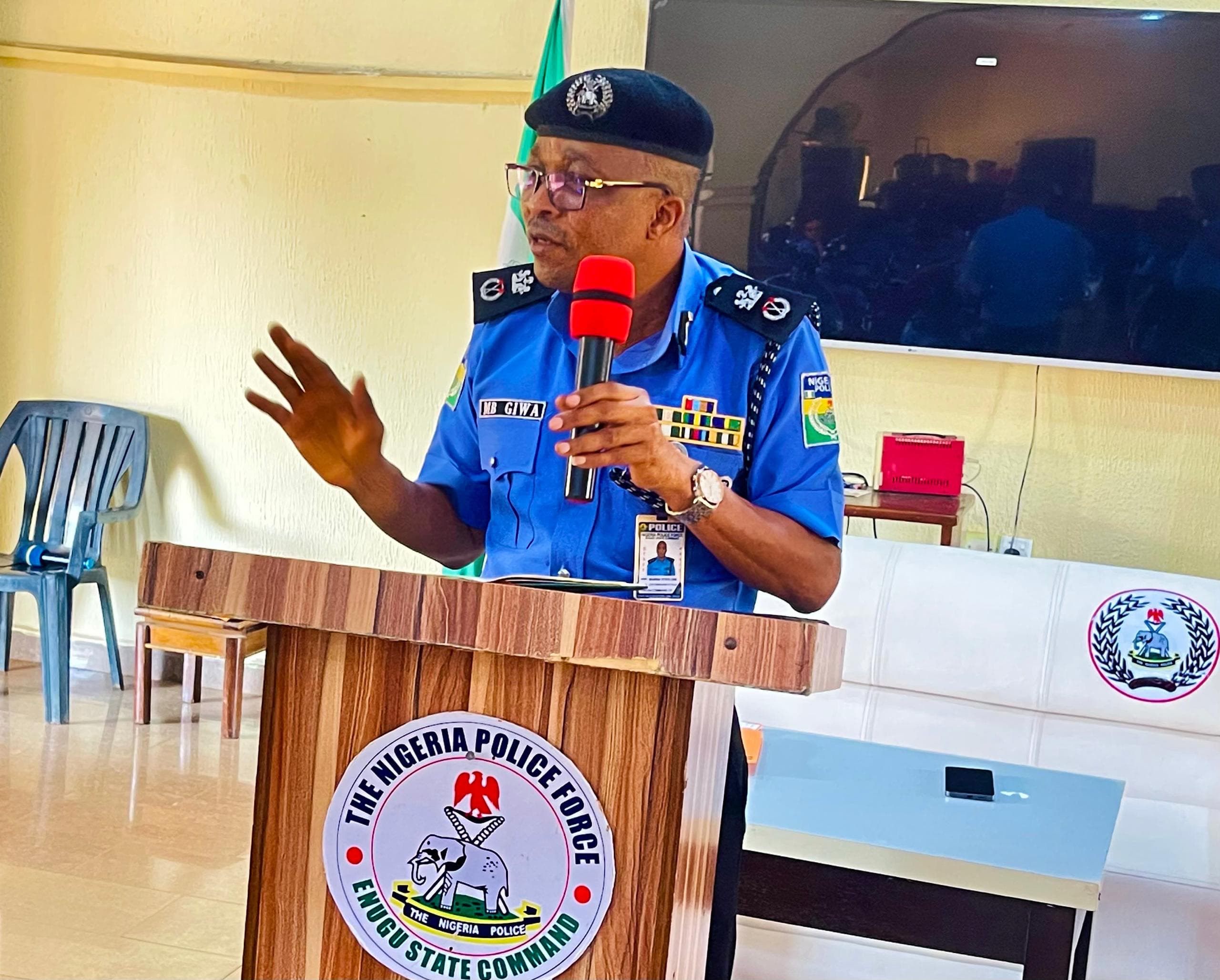
The Commissioner of Police in Enugu State, Mr Mamman Giwa, has warned police officers against degrading treatment of citizens, extortion and other forms of unprofessional conduct.
Giwa gave the warning on Wednesday during an emergency conference with senior officers at the Senior Police Officers’ Mess, Agbani Road, Enugu.
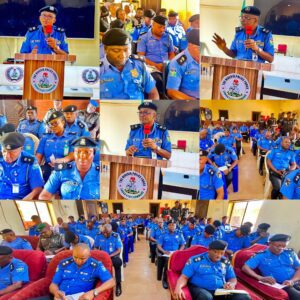
He also directed senior and supervisory officers to strengthen oversight of personnel and improve security management for political and election-related activities ahead of the 2027 General Elections.
The commissioner said the conference followed directives issued by the Inspector-General of Police, Mr Olatunji Disu, during a virtual strategic meeting with senior officers on October 20.
According to him, the I-G emphasised professionalism, compliance with the Nigeria Police Force’s social media policies, adapting policing to contemporary realities, respectful treatment of citizens, and effective management of political activities and election security.
“It is clear that officers cannot effectively discharge their policing responsibilities without treating citizens with respect and conducting their duties in accordance with extant laws and established professional standards,” Giwa said.
He charged senior officers to take responsibility for the conduct of personnel under their supervision, warning that any officer found engaging in misconduct would face the consequences.
The conference also featured a health talk on the Ebola virus, focusing on its symptoms and preventive measures.
Those in attendance included Deputy and Assistant Commissioners of Police, Area Commanders, Divisional Police Officers, heads of formations, tactical and operational units, and heads of various sections of the Enugu State Police Command.
-
 Features1 day ago
Kogi’s Kidnapping Crisis: Why Do Forests Remain Safe Havens for Criminals Under Ododo’s Watch?
-
News2 days ago
“It’s not debatable, we can’t go back,” Mbah Backs Tinubu on Fuel Subsidy Removal
-
News1 day ago
Kidnappers kill seven-year-old boy after ransom demand
-
News2 days ago
Mbah: Enugu Now Produces 120 Million Litres of Water Daily, Expands Agricultural Investment
-
Politics2 days ago
Mike Igini: Politicians Infiltrate Agencies Responsible for Election Personnel as Electoral Laws Go Unenforced
-
Politics10 hours ago
2027: Atiku, Obi, Duke, Others in Talks on Single Opposition Candidate – Coalition
-
News9 hours ago
Macron Postpones Planned Visit to Nigeria Until 2027
-
News7 hours ago
Enugu CP Orders Probe into Death of Izuchukwu During Police Raid