News
30,000 Fulani militants fuelling Nigeria’s insecurity – US report


An estimated 30,000 armed Fulani militants are operating across Nigeria in groups ranging from 10 to 1,000 members, according to a May 2026 report released by the United States Commission on International Religious Freedom.
The report, titled “Nonstate Violators of Religious Freedom in Nigeria: Fulani Militants,” described the militants as some of the deadliest non-state actors responsible for religious freedom violations in the country.

According to the commission, attacks carried out by armed actors of Fulani ethnic background have intensified insecurity across Nigeria’s Middle Belt and Southern regions, resulting in thousands of deaths, mass displacement and worsening tensions between religious communities.
“Violence by Fulani militants caused the highest number of deaths among all religious communities in Nigeria over the last year as compared to attacks by organised insurgent groups and criminal gangs,” the report stated.
The commission noted that while many of the attacks targeted Christian communities, Muslim communities had also suffered killings, kidnappings and raids.

USCIRF stated that although the groups lack centralised leadership, some periodically collaborate with criminal gangs and extremist organisations.
“These actors operate in a variety of contexts and with a multiplicity of likely aims and motivations,” the report explained.
“While many Fulani militant groups wage independent attacks, others periodically coordinate with a wide range of other actors, from conventional bandit gangs seeking financial enrichment to recognised terrorist organisations that espouse a violent interpretation of Islam.”
The report stated that militants often attack isolated rural communities at night using motorcycles, automatic weapons and machetes.
“They often wield machetes and descend on vulnerable communities during the night, eliciting terror as a way to force victims to quickly leave and to achieve greater control of desired land,” USCIRF stated.
According to the commission, attacks by Fulani militants and other armed groups have displaced at least 1.3 million people across the Middle Belt, many of whom now live in overcrowded camps with poor sanitation and limited security.
The report highlighted several deadly incidents recorded in 2025 and early 2026, including mass killings in Benue State and Plateau State.
“One attack in Benue in June 2025 killed at least 200 people, including internally displaced persons living in a Catholic mission,” the report stated.
USCIRF also referenced the massacre in Yelwata, where more than 200 Christians, “mostly sleeping women and children,” were reportedly killed and over 3,000 displaced.
The commission further alleged that some attacks were deliberately timed to coincide with Christian religious celebrations.
“Militant actors have often carried out operations during Christian holidays such as Christmas or Easter to further maximise the psychological impact,” the report stated.
It added that in February 2026, suspected Fulani militants reportedly killed at least 32 persons in Niger State and attacked Holy Trinity Parish in the Kafanchan Diocese of Kaduna State, killing three persons and abducting 11 others, including parish priest Father Nathaniel Asuwaye.
The report also documented attacks on Muslim communities, including the kidnapping of an imam and seven worshippers from a mosque in Plateau in February 2026, with the abductors reportedly demanding ₦16 million ransom.
USCIRF said Palm Sunday and Easter attacks in April 2026 left dozens dead in Plateau, Kaduna and Benue states.
“On Easter Sunday, Fulani militants reportedly killed five worshippers at two churches in Kaduna State while abducting 31 others,” the report stated.
The commission noted that differing narratives surrounding the violence had complicated efforts to fully determine the motives behind the attacks.
“Some observers have argued that environmental and economic factors are the driving force behind Fulani militants’ acts of violence, while others have suggested that these actors are engaged in a concerted campaign of outright genocide against non-Muslims, especially Christians,” the report stated.
“In fact, multiple and overlapping factors, including religion in many cases, likely spur Fulani militants to attack communities or individuals.”
USCIRF criticised federal and state authorities for what it described as inadequate responses to the violence, noting that victims frequently accused security agencies of responding slowly to attacks.
The report also stated that some Christian advocacy groups alleged bias by security agencies in favour of Muslim communities during investigations and security operations.
According to the commission, governors from 11 Nigerian states launched an initiative in June 2025 to establish ranches for herders as part of efforts to reduce clashes over grazing routes and farmland.
At the federal level, the report linked renewed government action to the October 2025 decision by Donald Trump to designate Nigeria as a Country of Particular Concern over religious freedom violations.
Following the designation, President Bola Tinubu reportedly classified kidnappers and violent armed groups, including Fulani militants, as terrorists in December 2025, according to USCIRF.



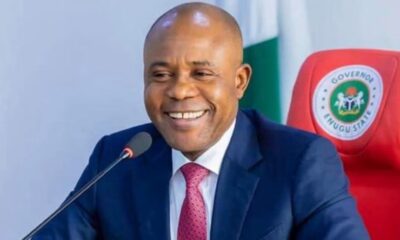






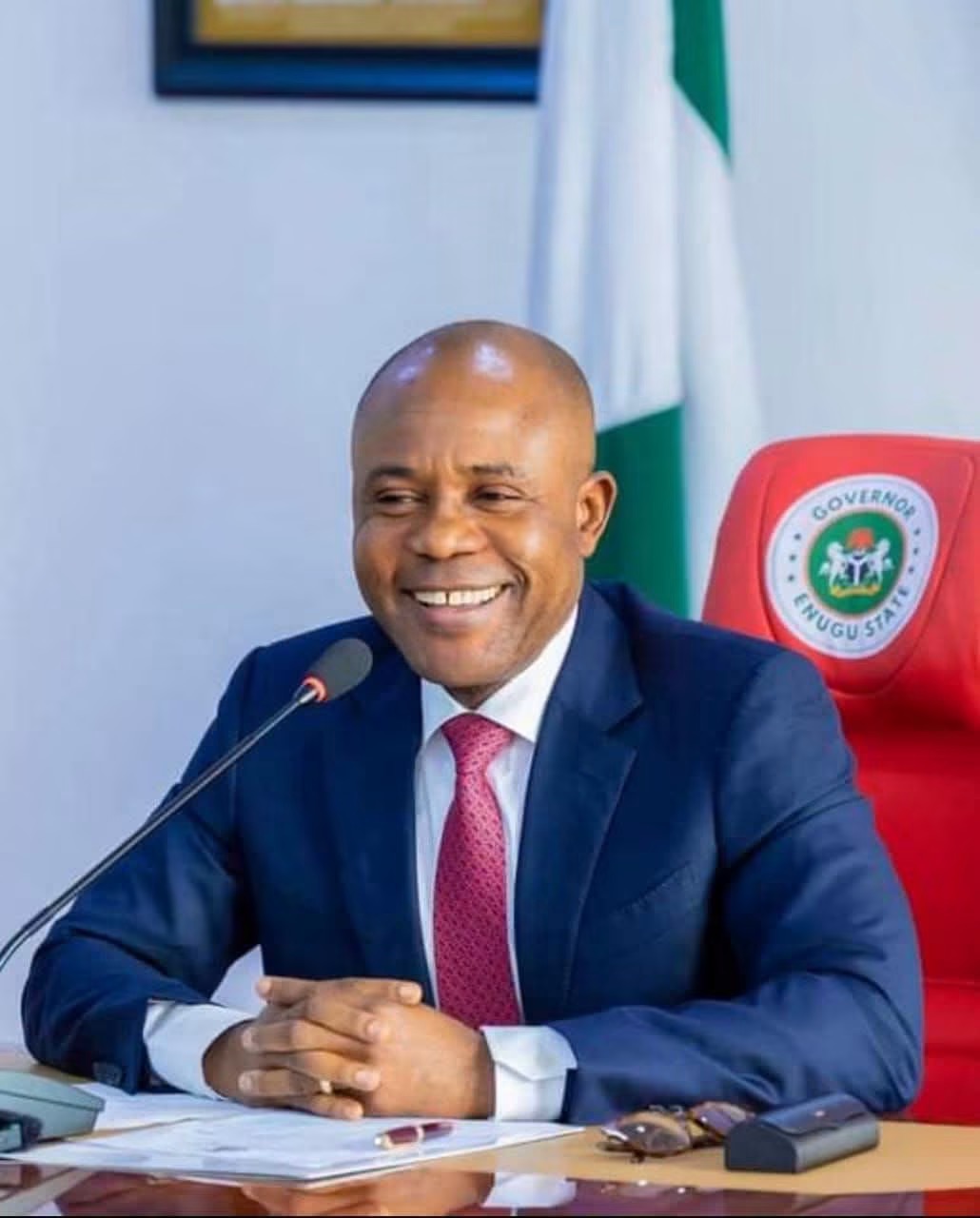
Governor of Enugu State, Peter Ndubuisi Mbah, has approved the appointment of new officials to fill existing vacancies in various Development Centres across the state.
The appointments, according to the state government, are part of the administration’s ongoing efforts to strengthen grassroots participation in governance and decision-making, while promoting inclusivity and broad-based representation across communities.
A statement announcing the appointments said the move was also aimed at ensuring that communities have effective channels through which they can contribute to government programmes and policies, thereby deepening the reach of government at the local level.
The appointments are expected to enhance the coordination of grassroots development initiatives, improve community engagement and responsiveness, and facilitate the implementation of the administration’s development agenda with greater participation from people at the community level.
The government said the newly appointed officials would help strengthen the connection between government programmes and the needs of communities across the state.
Accordingly, the following appointments have been approved:
ANINRI LOCAL GOVERNMENT AREA
ANINRI EAST DEVELOPMENT CENTRE
1. Udeh Sunday, Administrator (Ndeaboh)
2. Okorie Alexander Adindu, Secretary (Mpu)
3. Eleh John Obiora, Member (Ndeaboh)
4. Eze Kelvin, Member (Ndeaboh)
5. Eze Roseline, Member (Ndeaboh)
6. Onu Chigozie, Member (Ndeaboh)
7. Abbah Juliet Ijeoma, Member (Mpu)
8. Mba Stanley Ogbonna, Member (Mpu)
9. Chukwu Rosemary, Member (Mpu)
10. Blessing Chinyere Chukwu, Member (Mpu)
ANINRI NORTH DEVELOPMENT CENTRE
1. Anyim Chibuike Anthony, Administrator (Oduma 3)
2. Uka Boniface O., Secretary (Oduma 4)
3. Nwankwo Ifeoma, Member (Oduma 4)
4. Ekwe Janeth C., Member (Oduma 2)
5. Onyeabor Caroline, Member (Oduma 2)
6. Madu Goodness, Member (Oduma 1)
7. Onuoha Celestine, Member (Oduma 3)
8. Nworu Vivian, Member (Oduma 1)
9. Udeh Uloaku, Member (Oduma 4)
10. Anih Sabina, Member (Oduma 4)
ANINRI SOUTH DEVELOPMENT CENTRE
1. Ijeoma Chukwu, Administrator (Okpanku)
2. Igwe Vincent Ogbonnaya, Secretary (Mpu)
3. Ani Donatus Emeka, Member (Mpu)
4. Onu Charity, Member (Mpu)
5. Chukwuaja Shedrack, Member (Mpu)
6. Emmanuel Ozoemene Augustin, Member (Mpu)
7. Dr. Martin Elechi, Member (Okpanku)
8. Uche Chukwu Okorie, Member (Okpanku)
9. Udeh Ogbonnaya Cletus, Member (Mpu)
10. Nnabuisi Aja Okorie, Member (Okpanku)
ANINRI WEST DEVELOPMENT CENTRE
1. Hon. Osita Nwachukwu, Administrator (Nenwe 2)
2. Hon. Engr. Nathanel Chukwu, Secretary (Nenwe 1)
3. Hon. Ikenna Aniude, Member (Nenwe 1)
4. Hon. Uchenna Mba, Member (Nenwe 1)
5. Hon. James C. Nwaru, Member (Nenwe 2)
6. Hon. Chiugo Sunday Alinta, Member (Nenwe 3)
7. Hon. Collins Ude Ibeabuchi, Member (Nenwe 3)
8. Hon. Amachi Bernard Okoro, Member (Nenwe 3)
9. Hon. Nicholas Khama, Member (Nenwe 3)
10. Hon. Khama Godwin, Member (Nenwe 3)
AWGU LOCAL GOVERNMENT AREA
ANIKE DEVELOPMENT CENTRE
1. Hon. Sabastine Chukwu, Administrator (Ezere)
2. Hon. Tobias Chukwu, Secretary (Awgunta)
3. Hon. Mrs. Mary Uwa, Member (Agulese-Ugw ueme)
4. Hon. Benbenneth Udeogu Chidolue, Member (Nkwe)
5. Hon. Lawrence Onuora, Member (Nenwenta)
6. Hon. Bonaventure Chukwu Uche, Member (Ezinese-Mgbidi)
7. Hon. Iloabuchi Abire, Member (Eziobu-Ugwueme)
8. Hon. Mrs. Patricia Uzochukwu, Member (Nkwe)
9. Hon. Onu Chimaobi Nichodemus, Member (Ezere)
10. Hon. Eucharia Okorie, Member (Eziobu-Ugwueme)
AWGU DEVELOPMENT CENTRE
1. Hon. Engr. Jude Aniokete, Administrator (Obeagu)
2. Mrs. Okibe Akubuomma M., Secretary (Ekpulato-Mgbowo)
3. Hon. Fabian Chukwundu, Member (Ogboli-Awgu)
4. Hon. Raphael Uzoigwe, Member (Ugwuleshi-Awgu)
5. Hon. Osondu Stanley Agwu, Member (Mmaku-Ugwu)
6. Hon. Ikechukwu Umeh, Member (Ezineri-Mgbidi)
7. Hon. Mrs. Jane Nwafor, Member (Ugwuleshi-Awgu)
8. Hon. Mrs. Elizabeth Oti, Member (Adogbalato-Awgu)
9. Hon. Izuchukwu Henry Akpa, Member (Ekpulato-Mgbowo)
10. Hon. Celestine Ani, Member (Obeagu)
MBANABO NORTH DEVELOPMENT CENTRE
1. Hon. Odinaka Okeke, Administrator (Ibite-Ogbaku)
2. Hon. Patrick Chime, Secretary (Akaanwu-Agbogugu)
3. Hon. Chisom Ene, Member (Isu Awaa)
4. Hon. James Ndubuisi Onuoha, Member (Enugunato-Ihe)
5. Hon. Amobi Mbaka, Member (Ituku)
6. Hon. Mrs. Igwe Gloria, Member (Agbudu)
7. Hon. Ethel Okolo, Member (Obodoakpu-Agbogugu)
8. Hon. Mrs. Chioma Okeke, Member (Enuguoke-Ihe)
9. Hon. Onyedikachi Onyia, Member (Eziama-Agbogugu)
10. Hon. Mrs. Chizoba Okolo, Member (Eziama-Ogbaku)
MBANABO SOUTH DEVELOPMENT CENTRE
1. Hon. Charles Okafor, Administrator (Ugbonabo)
2. Hon. Victor Okonkwo, Secretary (Ogugu)
3. Hon. Mrs. Nnenna Okolie, Member (Amabor-Owelli)
4. Hon. Mrs. Jacinta Okonkwo, Member (Ugbo-Okpala)
5. Lady Gina Okolie, Member (Owelli)
6. Hon. Gloria Okolo, Member (Ogugu)
7. Hon. Chinedu Udegbo, Member (Ngene-Ugbo)
8. Hon. Chinonyelum Zobaobodo, Member (Enyimba-Amoli)
9. Hon. Daniel Nwonu, Member (Enugu-Owelli)
10. Hon. Victor C. Okolie, Member (Enyimba-Amoli)
ENUGU EAST LOCAL GOVERNMENT AREA
ENUGU EAST CENTRAL DEVELOPMENT CENTRE
1. Mrs. Caroline Ogbu, Administrator (Umuenwene)
2. Stephen Ogbu, Secretary (Umuchigbo)
3. Nneka Nnamchi, Member (Umuenwene)
4. Okoh Ezekiel Chibuzor, Member (Umuchigbo)
5. Engr. Chris Edozie, Member (Abakpa)
6. Promise Madu, Member (Abakpa)
7. Mrs. Chinwendu Anike, Member (Umuchigbo)
8. Mr. Peter Okpala, Member (Abakpa II)
9. Emmanuel Onukwube Ugwu, Member (Umuenwene)
10. Andrew Okolo, Member (Umuchigbo)
ENUGU EAST DEVELOPMENT CENTRE
1. Chukwungwu Gabriel, Administrator (Amorji)
2. Obinwanne Nnamani, Secretary (Mbuluowehe)
3. Peter Mba, Member (Amorji)
4. Anothnia Bony Ede, Member (Ibeagwa Edem)
5. Mrs. Martha Mbaeke, Member (Mbuluowehe)
6. Emeka Ugwu, Member (Ibeagwa Edem)
7. Ifeanyi Nwobodo, Member (Trans-Ekulu)
8. Surv. Genavive Okwor, Member (Trans-Ekulu)
9. Mr. Donatus Okolo, Member (Ibeagwa Edem)
10. Ugwu Anike Christiana, Member (Amorji)
IYIUKWU DEVELOPMENT CENTRE
1. Ugwu Micheael Okwudili, Administrator (Mbuluiyikwu)
2. Chinedu Oliver Anike, Secretary (Ugwogo)
3. Chukwunonso Eze, Member (Mbuluiyikwu)
4. Mrs. Mbaeze Chinyere, Member (Iyiukwu)
5. Eke Chidiebere, Member (Ugwogo)
6. Mrs. Pauline Oguegbe, Member (Ugwogo)
7. Chukwuka Ruben, Member (Iyiukwu)
8. Pastor Ejike Okwueze, Member (Iyiukwu)
9. Prince Chika Okolo, Member (Ugwogo)
10. Mrs. Ebele Okoh, Member (Ugwogo)
UJODO WEST DEVELOPMENT CENTRE
1. Surv. Agbo Anthony Tochukwu, Administrator (Ujodo West)
2. Chief John Ede, Secretary (Ujodo West)
3. Nnamani Raymond S., Member (Ujodo East)
4. Gorge Ugwu, Member (Ujodo East)
5. Ekene Ugwuogbu, Member (Ujodo West)
6. Alphosus Mba, Member (Ujodo West)
7. Ude Richard, Member (Ujodo West)
8. Nnamdi Ugwu, Member (Ujodo West)
9. Florence Ozioma Obi, Member (Ujodo)
10. Okwor Modester, Member (Ujodo West)
ENUGU NORTH LOCAL GOVERNMENT AREA
ENUGU NORTH CENTRAL DEVELOPMENT CENTRE
1. Kenechukwu Ikeneɡbu, Administrator
2. Hon. Kenneth Praisegod Agu, Secretary
3. Nnaemeka Okwo Nnamani, Member
4. Ukamaka Emma Ngwu, Member
5. Hon. Chikodili Okoh, Member
6. Julian Arinze, Member
7. Chuka Elvis Anyaogu, Member
8. Lady Ndidiamaka Okorie, Member
9. Obinna Onunze, Member
10. Ojogwu Chukwudi, Member
ENUGU NORTH EAST DEVELOPMENT CENTRE
1. Kester Agu, Administrator
2. Ozonoh Chukweumeka Christian, Secretary
3. Chinedu Agu, Member
4. Ekene Udeani, Member
5. Ozoani Somaya, Member
6. Agu Chuka, Member
7. Susan Agu, Member
8. Emma Boviv, Member
9. Ebuka Mgbadike, Member
10. Emmanuel Chijioke Nnaji, Member
ENUGU NORTH SOUTH DEVELOPMENT CENTRE
1. Bar. Chidubem Anibueze, Administrator
2. Okechukwu Onunze, Secretary
3. Emeka Ileje (Awila), Member
4. Ifesinachi Ngwu, Member
5. Peter Onu, Member
6. Chikwado Ngwu, Member
7. Uchenna Chukwu (Oboko), Member
8. Ifeanyi Valentine Eze, Member
9. Eze Jessica, Member
10. Amuche Anioko, Member
ENUGU NORTH WEST DEVELOPMENT CENTRE
1. Ezike Fortune (Tension), Administrator
2. Prince Orji, Secretary
3. Jones Nwachinaemelü, Member
4. Mrs. Nkiru Ugwu, Member
5. Chidi Opara, Member
6. Ifeoma Okoronkwo, Member
7. Monday Ede, Member
8. Chief Chiemezie Ugwu, Member
9. Nkiru Anyadifu Hellen, Member
10. Mrs. Jennifer Ani, Member
ENUGU SOUTH LOCAL GOVERNMENT AREA
ENUGU SOUTH CENTRAL DEVELOPMENT CENTRE
1. Akuabata Sandra Onyia, Administrator (Ward 5)
2. Onwe Victor Kelvin, Secretary
3. Samuel Uche Itam, Member (Ward 4)
4. Adindu Pamela, Member (Ward 4)
5. Afam Nwachukwu, Member (Ward 5)
6. Obiesie Ijeoma, Member (Ward 5)
7. Okonkwo Tochukwu Stephen, Member (Ward 6)
8. Chukwuani Chinwendu, Member (Ward 9)
9. Ogbodo Nnenna, Member (Ward 4)
10. Eke Okechukwu Paul, Member
ENUGU SOUTH EAST DEVELOPMENT CENTRE
1. Offia Chidimma Sandra, Administrator (Ward 7)
2. Nnamani Richard Chukwuebuka, Secretary (Ward 13)
3. Paul Nwachukwu, Member (Ward 7)
4. Chief Friday Dan Agbo, Member (Ward 10)
5. Aninwene Florence Chiboor, Member (Ward 10)
6. Chime Henry Amache, Member (Ward 10)
7. Ogochukwu Adaeze Ngene, Member (Ward 13)
8. Chime Henry Amache, Member (Ward 13)
9. Mr. Chukwunonso Ugwuanyi, Member (Ward 13)
10. Ugwu Nnenna Pauline, Member (Ward 10)
ENUGU SOUTH SOUTH DEVELOPMENT CENTRE
1. Okenwa Nnaji Raymond, Administrator (Ward 2)
2. Dorothy Ifeoma Agbo, Secretary (Ward 2)
3. Adaora Anthonia Agha, Member (Ward 2)
4. Mr. Julius Ndubuisi Agbo, Member (Ward 2)
5. Hon. Chukwujekwu Ngene, Member (Ward 3)
6. Mrs. Ngozi Nnaji, Member (Ward 3)
7. Mrs. Ayim Sandra Amarachi, Member (Ward 8)
8. Uche Ngene, Member (Ward 8)
9. Okoh Uche Martha, Member (Ward 3)
10. Comfort Nnamani, Member (Ward 8)
ENUGU SOUTH WEST DEVELOPMENT CENTRE
1. Tochukwu Egbo, Administrator (Ward 11)
2. Felix Onyia, Secretary (Ward 12)
3. Ali Amedi, Member (Ward 1)
4. Mrs. Sammie Eche Egbo, Member (Ward 1)
5. Nkwo Joy Ngozi, Member (Ward 1)
6. Ene Ogochukwu Linda, Member (Ward 11)
7. Ngene Jeremiah C., Member (Ward 11)
8. Mrs. Kate Chime, Member (Ward 12)
9. Okoh Ifeanyi Favour, Member (Ward 11)
10. Ugwu Blessing, Member (Ward 12)
EZEAGU LOCAL GOVERNMENT AREA
EZEAGU CENTRAL DEVELOPMENT CENTRE
1. Oji Calistus, Administrator (Imezi Owa I)
2. Chumaife Pius Nze, Secretary (Aguobu Owa II)
3. Obinna Ozokoli Esq., Member (Imezi Owa II)
4. Ejike Ekwueme, Member (Aguobu Owa I)
5. Ozo Theophilus Chiawa, Member (Aguobu Owa II)
6. Ikenna Ibe, Member (Mgbagbu Owa II)
7. Adibe Cosmas Chibuzo, Member (Mgbagbu Owa I)
8. Ikeche Ngozi, Member (Mgbagbu Owa I)
9. Madu Sochima Joseph, Member (Mgbagbu Owa)
10. Ozoani Oluchi, Member (Agwobu Owa I)
EZEAGU NORTH DEVELOPMENT CENTRE
1. Victor Uche Chukwu Chidiobu, Administrator (Amansido)
2. Chidera Iloputaife, Secretary (Iwollo)
3. Ifeoma Nnachetam, Member (Amansido)
4. Aneke Chibuike, Member (Iwollo)
5. Agu Chidi, Member (Neke/Oyofo)
6. Okafor Chizoba, Member (Neke/Oyofo)
7. Chibunine Chukwuka Chris, Member (Akama/Amankwo)
8. Onwuama Kelvin Okwudili, Member (Akama/Amankwo)
9. Umeh Chikah, Member (Okpogho)
10. Ezieke Stanley, Member (Okpogho)
EZEAGU SOUTH DEVELOPMENT CENTRE
1. Arinze Kenneth C., Administrator (Obeleagu)
2. Ugwu Kingsley Nnabuike, Secretary (Umumba Ndiuno)
3. Enekwe Lotenna, Member (Umumba Ndiagu)
4. Ozojukwu Clifford, Member (Obinofia)
5. Ogugofor Peter, Member (Agba)
6. Evuje Stephen, Member (Agba)
7. Uche Nweke, Member (Umanadiagu/Ndiuno)
8. Ozoilo Vincent, Member (Obinofia)
9. Mbachi Agness, Member (Umanadiagu/Ndiuno)
10. Anieke Happiness, Member (Obeleagu Umumana)
EZEAGU WEST DEVELOPMENT CENTRE
1. Zeigbo Angela Onuma, Administrator (Awha)
2. Ozor Maris, Secretary (Olo 2)
3. Chibueze James Okwudili, Member (Olo 1)
4. Obiefune Wilfred Nwaora, Member (Olo 1)
5. Ogbuke Ifeanyi, Member (Olo 2)
6. Okwudili Ilochi, Member (Awha)
7. Aniamalu Chinonso Tochukuwu, Member (Awha)
8. Chidiume Chinedu, Member (Olo)
9. Aniagbaoso Onyeka Remigius, Member (Olo 1)
10. Akabogu Edward Emeka, Member (Olo 2)
IGBO ETITI LOCAL GOVERNMENT AREA
IGBO ETITI CENTRAL DEVELOPMENT CENTRE
1. Commr. Ugwu Adolphus Kelechi, Administrator (Onyoho)
2. Amunabor Samuel, Secretary (Ikolo)
3. Amu Chiagozie, Member (Ochima)
4. Ogbonna Osmond, Member (Umunko)
5. Akabue Ernest, Member (Diogbe)
6. Atunya Emmanuel O., Member (Idoha)
7. Ekwelu Joshua, Member (Onyoho)
8. Gugu Raymond, Member (Umunа)
9. Mrs. Ibe Annastecia, Member (Ikolo)
10. Mrs. Uzobuibole Eucharia, Member (Umunko)
IGBO ETITI EAST DEVELOPMENT CENTRE
1. Ayogu Nnamdi, Administrator (Ukehe 3)
2. Ozo Simon Tony, Secretary (Ukehe 2)
3. Nkeonadi Chukwudi, Member (Ukehe 3)
4. Ozoenyi Kenneth, Member (Ukehe 4)
5. Simon Okwuche, Member (Ukehe 4)
6. Mrs. Onyika Monica Chiamaka, Member (Ukehe 3)
7. Odonu Agolu T., Member (Ukehe 2)
8. Iyoke Joseph Jacob, Member (Ukehe 2)
9. Odoh Obinna Collins, Member (Ukehe 1)
10. Odoh Valeria Ngozika, Member (Ukehe 1)
IGBO ETITI NORTH DEVELOPMENT CENTRE
1. Amobi Ekwueme, Administrator (Ozalla)
2. Agbowo Ekene Cyprain, Secretary (Ohodo)
3. Hon. Ikeoha Fidelis, Member (Ozalla)
4. Ojobeagu Casmir, Member (Ozalla)
5. Ugwuodo Juliet Obianuju, Member (Ekwegbe)
6. Nwogah Venitius Ikenna, Member (Ekwegbe)
7. Nneka Nwoga, Member (Ekwegbe)
8. Chinedu Ochiagha, Member (Ekwegbe)
9. Cdr. Emeka Ugwuja (Rtd.), Member (Ohodo)
10. Mrs. Eze Susana, nee Ogbuabor, Member (Ohodo)
IGBO ETITI WEST DEVELOPMENT CENTRE
1. Mr. Ogbobe Ugonna, Administrator (Aku 5)
2. Barr. Sunday Odoh, Secretary (Ejuona/Udueme)
3. Hon. Ugwuja Francis, Member (Aku 3)
4. Mr. Oyidi Christian, Member (Aku 2)
5. Mr. Ugwuoju Nnaemeka, Member (Aku 5)
6. Mr. Akarekwe Milicent, Member (Aku 4)
7. Mrs. Oluka Jacinta, Member (Aku 1)
8. Mr. Igwebueze Everistus, Member (Ejuona/Udueme)
9. Mrs. Ezukwoke Anastasia, Member (Aku 3)
10. Mrs. Ugwu Eucharia Ubochi, Member (Aku 4)
IGBO-EZE NORTH LOCAL GOVERNMENT AREA
IGBO-EZE NORTH CENTRAL DEVELOPMENT CENTRE
1. Odo Kenneth Ifeanyi, Administrator (Ozzi 7)
2. Onu Samson, Secretary (Ozzi 5)
3. Hon. Romanus Eze, Member (Umuozzi 1)
4. Ugwuanyi Chinago, Member (Umuozzi 1)
5. Uroko Kennedy Chizoba, Member (Umuozzi 5)
6. Ali Jude Chukwuebuka, Member (Umuozzi 6)
7. Mr. Christopher Eke, Member (Umuozzi 6)
8. Nnaji Chinagorom, Member (Umuozzi 7)
9. Abugu Uchenna Eric, Member (Umuitodo 3)
10. Ugwu Jane Nwakego, Member (Umuitodo 3)
IGBO-EZE NORTH EAST DEVELOPMENT CENTRE
1. Eze Bonaventure Ejike, Administrator (Umuitodo 2)
2. Ekeja Celestina Ngozi, Secretary (Umuozzi 4)
3. Ali Chinedu, Member (Umuitodo)
4. Anthony Elugwu Omabe, Member (Umuitodo 2)
5. Ugwuanyi Emmanuel Izuchukwu, Member (Ezzodo)
6. Eze Levi Chukwuemeka, Member (Ezzodo)
7. Mamah Romanus Emeka, Member (Umuozzi 3)
8. Mrs. Eze Juliana, Member (Umuozzi 3)
9. Itodo Onyekachi, Member (Umuitodo)
10. Abugu Chinedu, Member (Umuozzi 4)
IGBO-EZE NORTH SOUTH DEVELOPMENT CENTRE
1. Odum Fidel Chijioke, Administrator (Ozzi 9)
2. Chief Eze John C., Secretary (Ozzi 10)
3. Mr. Eze Kelechi Linus, Member (Ozzi 2)
4. Apeh Scholastica O., Member (Ozzi 8)
5. Ali Christian, Member (Ozzi 8)
6. Odum Godwin Uchenna, Member (Ozzi 9)
7. Miss Ngozi Omeh, Member (Ozzi 2)
8. Mr. Odugu Felix Okechukwu, Member (Ozzi 10)
9. Ezeugwu Cathrine, Member (Essodo 3)
10. Idoko Levi, Member (Essodo 3)
IGBO-EZE NORTH WEST DEVELOPMENT CENTRE
1. Ali Nathaniel C., Administrator (Essodo 1)
2. Bar. Haruna Ali, Secretary (Ette 1)
3. Ugwuanyi Paschal Ogbonna, Member (Essodo 2)
4. Apeh Ifesinachi Festus, Member (Essodo 2)
5. Omeh Charles Tochukwu, Member (Essodo 1)
6. Hon. Peter Uja, Member (Ette 1)
7. Philip Ekele, Member (Ette 2)
8. Wilfred Aba, Member (Ette 2)
9. Mrs. Ochai Joy Chinwe, Member (Ette 3)
10. Onu Apolonia, Member (Ette 3)
IGBO-EZE SOUTH LOCAL GOVERNMENT AREA
EKETE DEVELOPMENT CENTRE
1. Hon. Jude Oge Asogwa, Administrator (Likke/Akutarа)
2. Edith Chinasa Eze, Secretary (Umulolo)
3. Mr. Ugwu Ejike, Member (Umulolo)
4. Hycent Onyishi, Member (Ajuona/Ovoko)
5. Okenwa Ifeanyi Eze, Member (Ajuona/Ovoko)
6. Attama Johnson Ubaka, Member (Ajuona/Ovoko)
7. Eze Christopher Ugochukwu, Member (Ugo/Ekoyi)
8. Eze Juliet Ngozi, Member (Ugo/Ekoyi)
9. Mrs. Ego Mba, Member (Ugo/Ekoyi)
10. Mr. Paul Abonyi, Member (Akautara)
IGBO-EZE SOUTH CENTRAL DEVELOPMENT CENTRE
1. Egugwu Ernest Chima, Administrator (Nkalagu/Obukpa)
2. Hon. Chizoba Ezeja (Commander), Secretary (Ezema)
3. Hamza Idris Ukwuaba, Member (Ezema)
4. Mr. Ayogu Solomon Chinonso, Member (Amebo)
5. Asadu Chukwudi, Member (Nkalagu)
6. Ayogu Chinonso, Member (Amebo/Hausa/Yoruba)
7. Ugwuoke Ambrose Chinedu, Member (Amebo/Hausa/Yoruba)
8. Charles Ayogu, Member (Echara/Isiagu)
9. Abugwu Stanley, Member (Echara/Isiagu)
10. Lydia Ijenwa Nnadi, Member (Echara/Isiagu)
IGBO-EZE SOUTH EAST DEVELOPMENT CENTRE
1. Mr. Joseph Ifeanyichukwu Ezugwu, Administrator (Ezzi Ngwu)
2. Aloysius Ejiofor Eze, Secretary (Umuelo/Ovoko Agu)
3. Hon. Christopher Ugwuoke, Member (Uhunowerre)
4. Odo Jude Chinonso, Member (Umuelo/Ovoko Agu)
5. Innocent Eze Obata, Member (Ezi/Ngwu)
6. Ugwu Jude Ofor, Member (Ezi/Ngwu)
7. Hon. Ignatius Odo, Member (Uhunowerre)
8. Mrs. Amechi Nwamaka Ozor, Member (Umuelo/Ovoko Agu)
9. Hon. Uchenna Eze, Member (Ogbagu/Ajuona)
10. Odo Linus Ejike, Member (Ogbagu/Ajuona)
UDEZE DEVELOPMENT CENTRE
1. Prince Ekene Eze, Administrator (Unadu)
2. Ngozi Elizabeth Odo, Secretary (Itchi Uwani II)
3. Hon. Nnaemeka Omeje, Member (Itchi Uwani III)
4. Mrs. Stella Okpe, Member (Unadu)
5. Abigail Ngozi Omeje, Member (Alor-Agu)
6. Hon. Celestine Omeje, Member (Alor Agu)
7. Mr. Omada Christopher, Member (Itchi Uwani)
8. Mr. Ozioko Douglas, Member (Alor Agu)
9. Lilian Ukamaka Eze, Member (Itchi Uwani)
10. Ugwuoke Samuel Ejiofor, Member (Alor Agu)
ISI-UZO LOCAL GOVERNMENT AREA
AMANYI ISI-UZO DEVELOPMENT CENTRE
1. Ugwu Emmanuel Chibogu, Administrator (Mbu 1)
2. Agbo Obinna Augustine, Secretary (Neke 1)
3. Ogbodo John Beluchi, Member (Neke 1)
4. Agbor Chukwuemeka Stanley, Member (Mbu 1)
5. Nnamchi Chinweuba, Member (Neke 2)
6. Ugwuodo Eunice, Member (Neke 2)
7. Agbo Chika Christopher, Member (Neke 2)
8. Nnamani Tobias, Member (Mbu 2)
9. Agbo Stella Ifeyinwa, Member (Mbu 2)
10. Odo Ogochukwu, Member (Neke 2)
EHA-AMUFU WEST DEVELOPMENT CENTRE
1. Hon. Calistus Ikechukwu, Administrator (Eha-Amufu 1)
2. Edeoga Stanley Onyekachi, Secretary (Eha-Amufu 4)
3. Achigbo Innocent, Member (Eha-Amufu 4)
4. Ogbu Nkeiruka, Member (Eha-Amufu 4)
5. Ugwu Cecilia N., Member (Eha-Amufu 4)
6. Charles Ilodi, Member (Eha-Amufu 4)
7. Ogenyi Obinna, Member (Eha-Amufu 4)
8. Ani Janeth, Member (Eha-Amufu 1)
9. Uzu Cyprain, Member (Eha-Amufu 1)
10. Eze Cecilia, Member (Eha-Amufu 4)
EHA-AMUFU EAST DEVELOPMENT CENTRE
1. Mr. Ejike Ede, Administrator (Eha-Amufu 3)
2. Hon. Ogenyi Eziokwu, Secretary (Eha-Amufu 2)
3. Hon. Lotachukwu I. Odo, Member (Eha-Amufu 2)
4. Olinya Simon Ibe, Member (Eha-Amufu 3)
5. Hon. Isaac Chinedu, Member (Eha-Amufu 3)
6. Mr. Obeagu Kingley Arinze, Member (Eha-Amufu 2)
7. Mrs. Pepertua Odo, Member (Eha-Amufu 3)
8. Mr. Ede Abuchi, Member (Eha-Amufu 3)
9. Mrs. Faith Ugwu, Member (Eha-Amufu 2)
10. Chuka Nnamani, Member (Eha-Amufu 3)
ISI-UZO CENTRAL DEVELOPMENT CENTRE
1. Odo Monday Micheal, Administrator (Ikem 1)
2. Ngwu Patrick, Secretary (Umualor)
3. Ugwudike Gerald, Member (Ikem 2)
4. Ugwualu Maurice Ejike, Member (Umualor)
5. Chinedu Ijeoma Nnamdi, Member (Ikem 3)
6. Agbo Abel Sunday, Member (Ikem 2)
7. Engr. Emeka Eze, Member (Ikem 2)
8. Aaron Ugwunnaji Chinedu, Member (Umualor)
9. Ogenyi Benedict Chidera, Member (Ikem 2)
10. Ugwu Emmanuel, Member (Ikem 1)
NKANU EAST LOCAL GOVERNMENT AREA
AMANKANU DEVELOPMENT CENTRE
1. Obinna Ngwu, Administrator (Owo)
2. Sunday Agbo, Secretary (Ubahu)
3. Sabastine Adenyi, Member (Mbulu/Owo)
4. Joseph Sunday Eze, Member (Ubahu)
5. Okechukwu Ani, Member (Amankanu)
6. Mrs. Ann Chinyere Ngwu, Member (Amankanu)
7. Mba Charles Onyedikachi, Member (Amechi Idodo)
8. Mrs. Agnes Nnaji, Member (Amechi Idodo)
9. Ugwu Daniel Nnamani, Member (Oruku)
10. Chukwudi Mbonu, Member (Umuode)
ASU NKANU DEVELOPMENT CENTRE
1. Uwadia Godwin Ekube, Administrator (Nara)
2. Bar. Emeka Nwoye, Secretary (Ugbawka 2)
3. Engr. Daniel Ebubechukwu Okoh, Member (Ugbawka 1)
4. Ede Nnaemeka Nelson, Member (Ugbawka 1)
5. Juliet Chinonso Okonkwo, Member (Ugbawka 1)
6. Hon. Sunday Okafor, Member (Ugbawka 2)
7. Edemba Samuel Onyebuchi, Member (Ugbawka 2)
8. Hon. Edenta Chudi, Member (Nara 2)
9. Anichukwu Frank Friday, Member (Nara 1)
10. Linda Onu, Member (Nara 1)
NKANU EAST CENTRAL DEVELOPMENT CENTRE
1. Eze Chukwudebelu Onyebuchi, Administrator (Ihuokpara)
2. Bar. Uzoaro Amuchekwu Loveth, Secretary (Onichagu)
3. Amushi O. Chiene, Member (Akpawfu)
4. Chika Nwaebem, Member (Isienu)
5. Ogwudile Kanayo Chukwu Kingsley, Member (Ihuokpara)
6. Ndubuisi Innocent Nnamani, Member (Isienu)
7. Chubby Okafor, Member (Ohuani/Onichagu)
8. Ede Ibezimako, Member (Akpawfu)
9. Nwafu Judith Nebechi, Member (Ihuokpara)
10. Precious Nwachukwu, Member (Ohuanu/Onichagu)
NKANU EAST SOUTH DEVELOPMENT CENTRE
1. Hon. Emmanuel Sopuluchukwu Ede, Administrator (Mburubu)
2. Darlington Okoye, Secretary (Nomeh)
3. Engr. Emmanuel Chukwudi Ani, Member (Nomeh)
4. Modester Amechi, Member (Nomeh)
5. Mrs. Cecelia Ajaeze, Member (Nkerefi 2)
6. Mrs. Obiageli Anyim, Member (Nkerefi 2)
7. Okereke Chidozie, Member (Nkerefi 2)
8. Ogbu Grace Chiajulam, Member (Nkerefi 1)
9. Chibuzo Solomon, Member (Nkerefi 1)
10. Njoku Romanus Azubuike, Member (Mburubu)
NKANU WEST LOCAL GOVERNMENT AREA
AGBANI/AMURRI DEVELOPMENT CENTRE
1. Nwobodo Chidiebere, Administrator (Agbani)
2. Nwodo Chigozie Augustine, Secretary (Amurri)
3. Nnamani Uzoamaka, Member (Agbani Ward)
4. Nwoha Obiora, Member (Agbani)
5. Akwila Chiedozie, Member (Agbani Ward)
6. Ugochukwu Ogbonna, Member (Agbani Ward)
7. Nwodo Ikechukwu, Member (Amurri)
8. Nsiegbu Nnanna Francis, Member (Amurri)
9. Ozioma Chukwu, Member (Amurri Ward)
10. Okwudili Christian Okoh, Member (Amurri)
AKPUGO DEVELOPMENT CENTRE
1. Arinze Nwodo, Administrator (Akpugo 5)
2. Sunday Collins Nwodo, Secretary (Akpugo Ward 3)
3. Uzoamaka Dick Edeh, Member (Akpugo Ward 4)
4. Ani Nneka Juliet, Member (Akpugo Ward 3)
5. Egbo Okwudiri Michael, Member (Akpugo Ward 1)
6. Nonona Patrick O, Member (Akpugo Ward 1)
7. Prince Arinze Nwodo, Member (Akpugo Ward 5)
8. Gabriel Chike Nwodo Ona, Member (Akpugo Ward 4)
9. Chigozie Nnamani, Member (Akpugo 2)
10. Prince Chidiebere Nwatu, Member (Akpugo 2)
NKANU WEST DEVELOPMENT CENTRE
1. Steve Nweke, Administrator (Obuoffia)
2. Odougwu Charles Ikenna, Secretary (Akegbe Ward 2)
3. Hon. Solomon Ifeanyi Nwobodo, Member (Obuoffia)
4. Chinasa Nwachukwu Priscilla, Member (Akegbe Ugwu 2)
5. Hon. Ikechukwu Nwobodo, Member (Akegbe Ugwu Ward 1)
6. Hon. Ani Chinonso Patrick, Member (Akegbe Ugwu Ward 1)
7. Okoh Prince Ekene, Member (Amodu Ward)
8. Ogbodo Charles Chinweuba, Member (Umueze Ward)
9. Agu Meec Jireh, Member (Umueze Ward)
10. James Ogbodo Nweze, Member (Amodu)
OBE/OZALLA DEVELOPMENT CENTRE
1. Hon. Onyeka Nnamani, Administrator (Obe Ward)
2. Uchenna Oha, Secretary (Ozalla)
3. Mr. John Onyejiuwa Owo, Member (Obe Ward)
4. Mr. Tony Chidi Eneh, Member (Obe Ward)
5. Mr. Christian Okonkwo, Member (Obe Ward)
6. Chinyere Okeke, Member (Obe Ward)
7. Okeke Maureen Ada, Member (Ozalla Ward)
8. Chris Chukwuekee (Alhaji Meme), Member (Ozalla Ward)
9. Hon. Donatus Nwachukwu, Member (Ozalla Ward)
10. Hon. Nwagbara Henry Chijioke, Member (Ozalla Ward)
NSUKKA LOCAL GOVERNMENT AREA
NSUKKA CENTRAL DEVELOPMENT CENTRE
1. Aha Anthony Anayo, Administrator (Owerre Umuoyo)
2. Onyishi Aloysius Onukwube, Member (Nkpunnano)
3. Nwoke Ndubuisi, Member (Ihe)
4. Ezugwu Stephen Oguejiofor, Member (Owerre Umuoyo)
5. Ugwuanyi Jane Chinyere, Member (Nru)
6. Augustine Alumona, Member (Nkpunnano)
7. Ifeanyi Chike, Member (Obukpa)
8. Ezema Sunday Hillary, Member (Obukpa)
9. Dr. Ezeity Onyebuchi Benjamin, Member (Obukpa)
10. Mrs. Ugwu Echeria Adaku, Member (Umuoyo)
NSUKKA EAST DEVELOPMENT CENTRE
1. Hon. Dan Ugwu, Administrator (Idi Ogbozara)
2. Dr. Ik Onugwu, Secretary (Eha Ulo)
3. Hon. Uwakwe Ezema, Member (Eha Ndiagu)
4. Chioma Nwamba, Member (Eha Ndiagu)
5. Peter Eze, Member (Eha Ndiagu)
6. Benjamin Eze, Member (Eha Ndiagu)
7. Hon. Innocent Eze, Member (Agbamere)
8. Ugwuoke Josephat, Member (Agbamere/Umabo)
9. Alphonsus Onah, Member (Ibеку)
10. Hon. Sunday Agbo, Member (Ibеку)
NSUKKA SOUTH DEVELOPMENT CENTRE
1. Amos Agbo, Administrator (Ede Ukwu)
2. Ugwuoke Fidelis Ezenwa, Secretary (Obimo/Ikwoka)
3. Ezugwu Amogechi Chinenye, Member (Edenta)
4. Asogwa Ikechukwu, Member (Edenta)
5. Ozor John Paul, Member (Akaibute)
6. Valentine Ezea Ikechukwu, Member (Ejuona/Uwani)
7. Ugwuda Godwin Iroabuchi, Member (Ejuona/Uwani)
8. Mrs. Ugwuja Martha Nkechi, Member (Akaibute)
9. Kingsley Agbo, Member (Ede Ukwu)
10. Livinus Emeka Ugwoke, Member (Obimo/Ikwoka)
NSUKKA WEST DEVELOPMENT CENTRE
1. Chijioke Onah, Administrator (Akpaozzi)
2. Nathan Ugochukwu Ugwuanyi, Secretary (Edem-Ani)
3. Chijioke Aguonah, Member (Akpa Edem)
4. Ugwu Ejike Malachy, Member (Ibeagwani/Ibeagwagu)
5. Mr. Obute Ejiofor Obiora, Member (Okpuje/Okutu)
6. Eze Ukamaka O., Member (Alor Uno)
7. Onah Chijioke Aguonah, Member (Akpaozzi)
8. Eze Mathias N., Member (Anuka)
9. Hon. Nnajiuba Ugwu, Member (Edemani)
10. Donatus Idoko, Member
OJI RIVER LOCAL GOVERNMENT AREA
MMAMU DEVELOPMENT CENTRE
1. Charles Okoroafor, Administrator (Inyi 2)
2. Ugomsi Blossom Chimnaza, Secretary (Awlaw)
3. Charity Ifeoma Okonkwo, Member (Awlaw)
4. Justice Onyekwere, Member (Inyi 1)
5. Maduabuchi Onwumere, Member (Inyi 1)
6. Amaka Onuigwe, Member (Inyi 4)
7. Echezona Timothy Ezi, Member (Inyi 4)
8. Christian Obinna Onwubuko, Member (Inyi 3)
9. Cyril Chukwuedozie, Member (Inyi 3)
10. Gabriel Nwekenzenagu, Member (Akpugoeze)
OJI RIVER CENTRAL DEVELOPMENT CENTRE
1. Mazi Okwu Nnabuike Emmanuel, Administrator (Achi Uno 3)
2. Ugonna Agba, Secretary (Achi Uno 2)
3. Ngozi Mba, Member (Achi Uno 3)
4. Elisha Obiri, Member (Achi Uno 4)
5. Anthonia Azuka, Member (Achi Uno 4)
6. Jonas Orji, Member (Achi Uno 1)
7. Ifeanyi Okolo, Member (Achi Uno 1)
8. Anurika Ude, Member (Achi Uno 1)
9. Ekene Edwin Ozoemena, Member (Achi Uno 4)
10. Ekene Dirichukwu, Member (Achi Uno 3)
OJI RIVER EAST DEVELOPMENT CENTRE
1. Onyia Nwokeabia, Administrator (Oji Urban 4)
2. Malachy Chukwu, Secretary (Achi Agu 3)
3. Agunwenyi Kingsley, Member (Achi Agu 2)
4. Okenna Jonas Egwuchineke, Member (Achi Agu 2)
5. Eziama Alloysius, Member (Oji Urban 3)
6. Ikechukwu Romanus Ume, Member (Oji Urban 4)
7. Sunday Onwudiwe, Member (Achi Agu 3)
8. Ikechukwu Kenechukwu, Member (Achi Agu 1)
9. Mbaekwe Mercy Nkeiruka, Member (Achi Agu 1)
10. Cyril Akason, Member (Achi Agu 1)
OJI SOUTH DEVELOPMENT CENTRE
1. Ifeanyi Chibueze, Administrator (Oji Urban 2)
2. Hon. Ifeanyi Nwozor, Secretary (Ugwuoba 1)
3. Anayo Ikeh, Member (Ugwuoba 3)
4. Afam Ejimofor, Member (Ugwuoba 2)
5. Hon. Obum Anya, Member (Ugwuoba 2)
6. Vitus Maduka, Member (Oji Urban 2)
7. Anigbogu Chibuzor, Member (Ugwuoba 3)
8. Catherine Okechukwu, Member (Oji Urban 1)
9. Alli Marazu, Member (Ugwuoba 1)
10. Jude Chukwu, Member (Oji Urban 1)
UDENU LOCAL GOVERNMENT AREA
ORBA DEVELOPMENT CENTRE
1. Okanya Cyril Ikechukwu, Administrator (Orba 1)
2. Agbodo Anthony Divine, Secretary (Orba 2)
3. Makata Onyinyechi, Member (Orba 1)
4. Eze Osita, Member (Orba 1)
5. Onugwu Everistus Nwankwo, Member (Orba 2)
6. Madu Gideon Chudi, Member (Orba 2)
7. Attama Clement Okechukwu, Member (Orba 1)
8. Ugwu Paul Chibogwu, Member (Orba 1)
9. Ugwuede Nestor Chinedu, Member (Orba 1)
10. Abonyi Ogochukwu, Member (Orba 2)
UDENEDEM DEVELOPMENT CENTRE
1. Eya Hillary Chinweume, Administrator (Udunedem)
2. Onah James Chidi, Secretary (Imilike)
3. Ugwueya Cornelus Chidi, Member (Ezimo)
4. Ugwu Christian Nnabuike, Member (Ezimo)
5. Onah Kingsley Amuche, Member (Imilike)
6. Ugwu Michael, Member (Udunedem)
7. Eze Kyrian Nnamdi, Member (Ezimo)
8. Mbaeje Nnaemeka Henry, Member (Imilike)
9. Mba Patience, Member (Imilike)
10. Mrs. Nneka Ogbonna, Member (Udunedem)
UDENU EAST DEVELOPMENT CENTRE
1. Ugwueke Sunday, Administrator (Ogbodu Aba)
2. Ogbuishi Celestine Obinna, Secretary (Obollo Etiti)
3. Sunday Ezeokwor, Member (Ogbodu Aba)
4. Hillary Eze, Member (Ogbodu Aba)
5. Emeka Ngwu, Member (Obollo Etiti)
6. Nnadi Robinson, Member (Obollo Etiti)
7. Ernest Ogbonna, Member (Obollo Eke)
8. Ugwueke Shulamite, Member (Obollo Eke)
9. Nkechi Mary Eze, Member (Obollo Eke)
10. Barr. Christian Okoro, Member (Obollo Eke)
UDENU NORTH DEVELOPMENT CENTRE
1. Okpe Meletus, Administrator (Obollo Afor)
2. Joseph Kenneth, Secretary (Amalla)
3. Uroko Promise Chinago, Member (Amalla)
4. Omame Sunday, Member (Obollo Afor)
5. Nkechi Urama, Member (Obollo Afor)
6. Onah Onyekachi, Member (Obollo Afor)
7. Omeke Tochukwu, Member (Obollo Afor)
8. Okpe Kenneth, Member (Obollo Afor)
9. Odo Ifeanyi Kingsley, Member (Amalla)
10. Akor Onyebuchi, Member (Amalla)
UDI LOCAL GOVERNMENT AREA
OJEBE OGENE DEVELOPMENT CENTRE
1. Hon. Chike Ngwu Vincent, Administrator (Umulumgbe)
2. Okolo Malachy, Secretary (Ebe)
3. Agwagu Bonaventure Osita, Member (Umulumgbe)
4. Ihueze Rachael, Member (Ebe)
5. Mrs. Nneka Eneje, Member (Okpatu)
6. Ozougwu Ebere, Member (Okpatu)
7. Udeh Kenneth, Member (Awhum/Ukana)
8. Charles Ike, Member (Awhum/Ukana)
9. Amahalu Hillary Chinedu, Member (Abor)
10. Egbuji Evaristus Jr, Member (Abor)
UDI CENTRAL DEVELOPMENT CENTRE
1. Chris Eneogbuagu, Administrator (Abia)
2. Kelvin Ozougwu, Secretary (Nsude)
3. Aneke Udochukwu Charles, Member (Abia)
4. Mrs. Ebere Mba, Member (Nsude)
5. Onuorah Jude Adam, Member (Obioma)
6. Ukamaka Ethel Amalu, Member (Obioma)
7. Ani Chigbo Cletus, Member (Ngwo Uno)
8. Eze Philip Ajuluchukwu, Member (Ngwo Uno)
9. Engr. Emeka Ugwu, Member (Ngwo Asaa)
10. Eze Nneka Ukamaka, Member (Ngwo Asaa)
UDI SOUTH DEVELOPMENT CENTRE
1. Eucharia Adaeze Ezeh, Administrator (Umuaga)
2. Mr. Luke Onyebuchi Aneke, Secretary (Amokwe)
3. Greg Aneke, Member (Udi/Agbudume)
4. Chinedu Onyia, Member (Udi/Agbudume)
5. Eze Chinwendu Onyia, Member (Umuabi)
6. Mr. Chidiebere Onyia, Member (Umuabi)
7. Ndubuisi Kenneth Eneze, Member (Obinagu)
8. Mrs. Uju Agu, Member (Obinagu)
9. Amobi Eze, Member (Nachi)
10. Chijoke Uzoigwe, Member (Nachi)
UGWUNYE/EZEDIKE DEVELOPMENT CENTRE
1. Jude Igiliegbe, Administrator (Akpakwume/Nze)
2. Akah Vincent, Secretary (Egede/Umuoka)
3. Ikeagu Chinyere, Member (Egede/Umuoka)
4. Uche Obute, Member (Affa/Ikono/Oghu)
5. Gerald Iruka Ejiofor, Member (Eke)
6. Frank Ogbuka, Member (Egede/Umuoka)
7. Mrs. Chibuzor Bridget, Member (Akpakwume/Nze)
8. Anijiofor Rufina, Member (Eke)
9. Odenigbo Ngozi, Member (Affa/Ikono/Oghu)
10. Ugodu Ebuka Augustus, Member (Affa/Ikono/Oghu)
UZO UWANI LOCAL GOVERNMENT AREA
ADADA DEVELOPMENT CENTRE
1. Ogbobe Patrick Ogonna, Administrator (Uvuru)
2. Odinaka Nwabueze Boniface, Secretary (Akpugo)
3. Lucy Chinenye Nnadozie, Member (Akpugo)
4. Alphonsus Ochi, Member (Akpugo)
5. Okwudili Nnadi, Member (Nkpologu)
6. Igata Virginia, Member (Nkpologu)
7. Ezugwu Peter Onyemachi, Member (Nkpologu)
8. Ajogwu Charity, Member (Nkpologu)
9. Offor Emmanuel, Member (Uvuru)
10. Pascal Okoro, Member (Uvuru)
IGBO-ANO DEVELOPMENT CENTRE
1. Oke Victor Obi, Administrator (Abbi)
2. Ugwu Cosmas Ogbonna, Secretary (Ugbene II)
3. Catherine Onunze, Member (Ugbene II)
4. Charles Ogbuanya, Member (Nrobo)
5. Odo Cordelia Nneka, Member (Nrobo)
6. Utazi Godwin, Member (Nimbo II)
7. Okeagu Stella Ifeoma, Member (Nimbo II)
8. Akor Collins Ugochukwu, Member (Nimbo I)
9. Okweli Virginia, Member (Nimbo I)
10. Ezike Amaechi, Member (Ugbene I)
MBANANO DEVELOPMENT CENTRE
1. Okika Okwesili John, Administrator (Adaba/Nkume)
2. Barr. Titus Ugwonna, Secretary (Ukpata)
3. Chidozie Albert Chidiebere, Member (Ukpata)
4. Eke Blessing Chizoba, Member (Ukpata)
5. Chukwuma Chinasa, Member (Umulokpa)
6. Sussan Anichebe, Member (Umulokpa)
7. Nzekwesi Chidubem, Member (Umulokpa)
8. Egwuatu Arinze, Member (Umulokpa)
9. Anayo Ezike, Member (Adaba/Nkume)
10. Stanley Melone, Member (Adaba/Nkume)
OGBOLI DEVELOPMENT CENTRE
1. Romanus Chikwelu, Administrator (Ojjor)
2. Idu Francis, Secretary (Adani)
3. Mrs. Achuguda Victoria, Member (Adani)
4. Onyebuchi Idu, Member (Adani)
5. Ekene Isani, Member (Ogurugu)
6. Ikani Titus, Member (Ogurugu)
7. Chukwuemeka Joseph, Member (Ogurugu)
8. Peter Nweke, Member (Igga/Asaba)
9. Aniagor Lorita, Member (Igga/Asaba)
10. Engr. Collins Nnalue, Member (Ojjor)
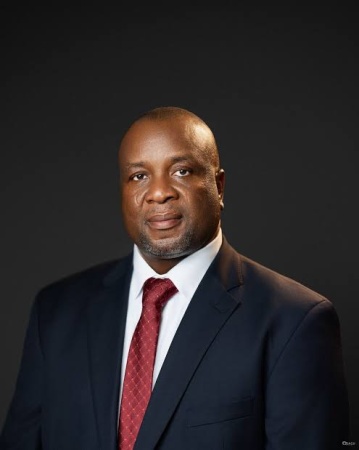
Pa Joseph Iduoriyekemwen, 90-year-old father of Matthew Iduoriyekemwen, the Edo South Senatorial candidate of the African Democratic Congress (ADC) has been reportedly kidnapped.
It was gathered that armed men who identified themselves as officers of the Nigeria Police Force and of the Edo State Security Network (ESSN), were said to have whisked away Pa Iduoriyekemwen at about 4:00am on Tuesday.
Family sources said the whereabouts of Pa Iduoriyekemwen was not known as at press time.
Speaking to journalists, Iduoriyekemwen said his father was kidnapped, lamenting that they didn’t allow him talk to his father before he was taken away.
Reacting to the incident, the Edo State Government denied involvement in the reported abduction of Pa Iduoriyekemwen, describing it as morally reprehensible.
The Commissioner for Information and Strategy, Prince Kassim Afegbua, condemned the hasty manner the state government was accused of orchestrating the act or linking every incident to politics.
He said it was worrisome that some persons alleged that the incident was politically motivated even when information about the act remained sketchy.
Afegbua noted that the Governor Monday Okpebholo administration has continued to place emphasis on security, adding that that should be appreciated and commended, and not the culture of making political insinuations to score cheap political points.
“What could possibly be the motivation for anyone to abduct such a father and grandfather?
“Governor Monday Okpebholo has invested heavily in our security infrastructure and the level of alertness across the state and Benin City metropolis has been topnotch. This present act of criminality presents a disturbing trend at a time when we thought such an act was no longer possible. As a government, we remain undaunted in our resolve to provide water tight security across the state. The Governor has immediately directed the security agencies to work in collaboration and synergy to seek the release of Pa Joseph within the next twenty-four hours.
“Anyone who has useful information should please avail the security agencies of such information in order to track and arrest the culprit(s) of this condemnable act. The Governor has called on the security agencies to rescue Pa Joseph and safely return him to rejoin his family within the next twenty-four hours.”
Contacted, Edo Police spokesman, Eko Ikoedem, said she would soon issue a press statement on the matter. (The Guardian)
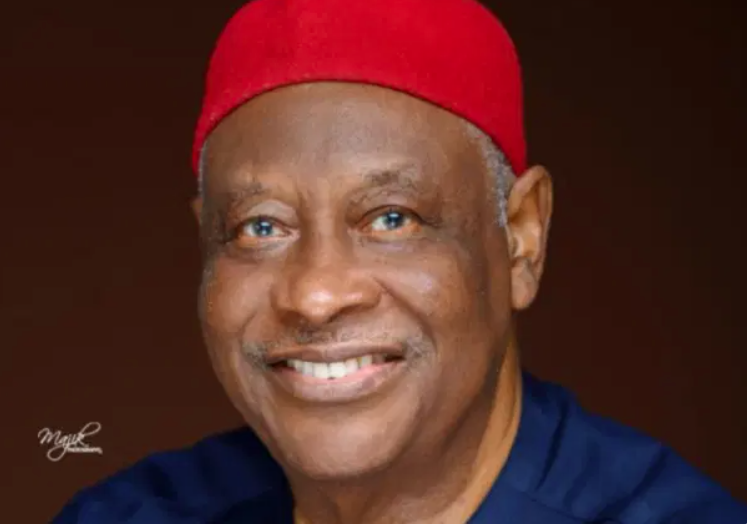
A founding member of the National Democratic Coalition, NADECO, Chief Ralph Obioha is dead, aged 80.
In a statement by his son, Chima Obioha on behalf of the Obioha family in Enugu, said: “It is with profound sadness and heavy hearts that the family of Chief Ralph Obioha, “Okpuruisizuruoha II of Arondizuogu announces his passing on October 3, 2026, at the age of 80.
Chief Obioha was first and foremost a beloved father, husband, brother, grandfather and friend. His kindness, strength, humor, generosity, faith, and unwavering devotion to family will always be remembered .
“Many Nigerians knew Chief Obioha as a patriot, elder statesman, political leader and businessman. Indeed, his very eventful life spanned various business sectors and the Nigerian political and socio- economic space.
“He was deeply committed to Nigeria’s progress and the ideals of service, leadership, and nation-building. His was a respected voice in the land, and he was a firm believer in Nigeria’s enormous potential.
“His passing has left an immeasurable void in our family, but we find comfort in the fullness of his life, the people he touched, and the legacy of service he leaves behind.
“The family is deeply grateful for the prayers, condolence messages, and expressions of love that have already been received. We, however, respectfully request privacy at this time while we mourn and come to terms with this profound loss.
“Details of the memorial and funeral will be announced in due course. May his soul rest in complete peace.” the statement added.
-
 Entertainment2 days ago
BREAKING: Temi Nkem wins BBNaija season 11
-
News2 days ago
NAF confirms ownership, launches rescue operation after aircraft crash in Ondo
-
News1 day ago
Nigerian Air Force releases names of passengers on board crashed Aircraft in Ondo
-
News2 days ago
Bandits allegedly kidnap 18 Oyo students, kill driver
-
News2 days ago
NAF aircraft crashed with 32 passengers, crew – Keyamo
-

 International3 days ago
Six people missing as plane vanishes from Bermuda to Boston
-
News1 day ago
“Stop chasing shadows” – Obi’s camp fires back at Soludo over anti-Obi campaign
-
News3 days ago
Kidnappers torture 20 corps members, demand N5m each NYSC