News
767 factories shut, 335 in distress, Your prosperity claims, mere fiction, Atiku replies Tinubu

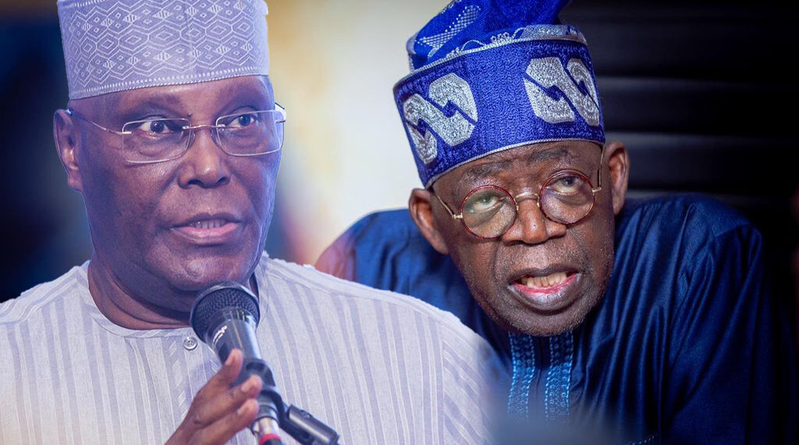
Former Vice President of Nigeria and Presidential Candidate of the African Democratic Congress (ADC), Atiku Abubakar, has dismissed the State House’s lengthy defence of President Bola Tinubu’s economic record as a desperate attempt to substitute propaganda for performance, insisting that no amount of statistical manipulation can erase the daily suffering of millions of Nigerians.
In a statement issued by his Senior Special Assistant on Public Communication, Phrank Shaibu, Atiku said it was remarkable that the Presidency devoted thousands of words to attacking the opposition while failing to answer the one question every Nigerian is asking: If the economy is doing so well, why are Nigerians getting poorer?

He said it was even more ridiculous that the same Tinubu administration that is simultaneously implementing the 2024, 2025 and 2026 budgets is now asking Nigerians to forget the consequences of its economic decisions in earlier years.
“As the Yoruba rightly say, the one who defecated yesterday may quickly forget, but the person who cleaned up the mess never does. Nigerians have not forgotten the pain this administration unleashed through the disastrous management of every fiscal year since 2024. Those wounds remain fresh, and no amount of revisionism, selective statistics or government propaganda can erase them.”
Atiku said the Presidency’s response was remarkable not for the strength of its arguments but for the contradictions it inadvertently exposed.

“The State House celebrates macroeconomic indicators while ordinary Nigerians struggle with microeconomic realities. It speaks glowingly about GDP growth while families skip meals. It boasts of debt ratios while businesses shut their doors. It trumpets reforms while millions of citizens slide deeper into poverty. It applauds statistical improvements while market women, artisans, manufacturers, transporters and young graduates confront an economy that has become increasingly hostile to honest enterprise.”
The former Vice President noted that even institutions frequently cited by the Presidency have consistently warned that macroeconomic stabilisation has yet to translate into broad improvements in living standards. The latest IMF Article IV Consultation acknowledged progress in some reform areas but also estimated that 63 per cent of Nigerians now live below the national poverty line, while about 27 million Nigerians faced food insecurity in late 2025. Those are not opposition figures; they are the findings of an independent international institution often quoted by the government itself.
“Governments are not elected to improve spreadsheets,” Atiku said. “They are elected to improve the lives of their people. Nigerians cannot eat GDP. They cannot cook with debt-to-GDP ratios. They cannot pay school fees with statistical projections. The true measure of economic management is whether families are living better today than they were yesterday. On that score, this administration has failed.”
Atiku said his response would therefore address, point by point, the major claims advanced by the Presidency and demonstrate why no amount of official spin can conceal the widening gap between government narratives and the daily realities confronting millions of Nigerians.
THE 2024 EXCUSE CANNOT ERASE THE SUFFERING OF 2026
Atiku said the Presidency’s first line of defence—that the opposition is relying on 2024 figures—is not only intellectually dishonest but an admission that the administration wants Nigerians to develop selective amnesia.
“The Tinubu administration is asking Nigerians to forget the very policies whose consequences they continue to endure every day. That is both convenient and absurd. The economic shocks unleashed in 2024 did not disappear with the turning of the calendar. Their consequences continue to define the lives of millions of Nigerians in 2026.”
“The same government that is simultaneously implementing the 2024, 2025 and 2026 budgets cannot turn around and argue that Nigerians should stop examining the damage caused by its earlier fiscal decisions. Economic policy is not a light switch. The consequences of reckless decisions linger long after the announcements have faded.”
The former Vice President said President Tinubu inherited challenges, just as every administration does, but after more than three years in office, his government must accept responsibility for its own record instead of constantly reaching back nearly two decades to blame previous administrations.
“No serious government can continue governing by looking in the rear-view mirror. Nigerians are interested in today’s realities, not endless excuses about yesterday.”
GDP FIGURES DO NOT FEED HUNGRY FAMILIES
Atiku said the Presidency’s repeated celebration of GDP growth exposes a dangerous disconnect between government statistics and the lived realities of ordinary Nigerians.
“The Presidency proudly announced that Nigeria’s GDP has increased significantly since the exchange-rate adjustment. We ask a simple question: Has the purchasing power of the average Nigerian increased? Can civil servants buy more food today than they could three years ago? Are transport fares lower? Are manufacturers paying less for energy? Have small businesses become more profitable?”
“The answer, tragically, is no.”
He noted that even the International Monetary Fund, whose report the Presidency repeatedly cites as validation of its policies, cautioned that conditions remain difficult for many Nigerians, estimating that 63 per cent of Nigerians now live below the national poverty line, while about 27 million Nigerians faced food insecurity in late 2025.
“Those are not opposition figures. They are the findings of the same institution the government celebrates whenever it commends aspects of its reforms.”
“Governments are not elected to improve spreadsheets. They are elected to improve lives. Nigerians cannot eat GDP. They cannot cook with exchange-rate adjustments. They cannot pay school fees with macroeconomic indicators. Until economic growth translates into fuller stomachs, lower prices, decent jobs and improved living standards, it remains a failure of humanitarian crisis proportion.”
He added that it was telling that the Federal Government itself recently announced plans to begin measuring poverty, household income and inequality in order to prove that reforms are benefiting ordinary Nigerians.
“That announcement is itself an admission that macroeconomic stability alone is not enough. If GDP figures alone told the whole story, there would be no need for a new ‘shared prosperity’ scorecard. Even the government now recognises that the true test of economic policy is whether citizens are actually living better.”
BORROWING IS NOT THE PROBLEM—WASTE IS
Responding to the Presidency’s argument that Nigeria’s debt-to-GDP ratio remains moderate, Atiku said the government had deliberately avoided the real issue.
“No serious economist argues that borrowing is inherently wrong. Nations borrow. The real question is this: what has Nigeria obtained in return for the unprecedented debts accumulated under this administration?”
“A debt-to-GDP ratio is only one indicator. Equally important is whether borrowed funds generate productive investments, improve infrastructure, create jobs, strengthen public services and raise living standards. On these measures, Nigerians have every right to ask difficult questions.”
He noted that while the Presidency celebrates debt ratios, Nigerians continue to grapple with unreliable electricity, worsening insecurity, rising unemployment, collapsing purchasing power and one of the most severe cost-of-living crises in recent history.
“The IMF itself has observed that while macroeconomic stability has improved, poverty and food insecurity remain severe and fiscal transparency must continue to improve. Those warnings cannot simply be edited out because they are inconvenient.”
Atiku said the contradiction at the heart of the Presidency’s argument remains unanswered.
“If revenue has improved so dramatically; if subsidy has been removed; if tax collection has increased; and if debt servicing has supposedly become more manageable, why does this administration continue to borrow at record levels? Why are Nigerians being told to celebrate improved revenues while the government simultaneously accumulates fresh debt?”
“That contradiction goes to the heart of this debate. Nigerians deserve answers—not applause lines.”Executive Branch
THE SUBSIDY MYTH: WHERE ARE THE DIVIDENDS?
Turning to the Presidency’s defence of fuel subsidy removal, Atiku said Nigerians have never opposed difficult reforms. What they reject is hardship without accountability.
“No serious economist disputes that fuel subsidy had become unsustainable. The real question has never been whether subsidy should be removed. The question is: where are the gains?”
He said the Tinubu administration promised that subsidy removal would free enormous resources for infrastructure, healthcare, education, transportation and social protection.Politics
“Three years later, Nigerians are entitled to ask: where are those dividends? Instead of relief, they have experienced the highest fuel prices in history, unprecedented transport costs, soaring food inflation, collapsing purchasing power and an economy where millions now struggle to afford even one decent meal a day.”
“Government cannot ask citizens to celebrate sacrifice while the promised rewards remain invisible.”
The former Vice President said it was ironic that while the Presidency claimed subsidy had been eliminated, it also admitted that substantial crude oil revenues remain tied down by obligations arising from subsidy-related financing arrangements.History
“The Presidency cannot simultaneously claim victory over subsidy while explaining away missing oil revenues by pointing to obligations created by subsidy financing. That contradiction speaks louder than any press statement.”
RECORD FAAC ALLOCATIONS, BUT WHERE IS THE IMPACT?
Atiku noted that the Presidency celebrated increased allocations to states and local governments as proof that subsidy removal had succeeded.Executive Branch
“Yes, FAAC allocations have increased significantly. But increased allocations are not an end in themselves. They must translate into visible improvements in the lives of citizens.
“If revenues flowing to all tiers of government have reached unprecedented levels, why are Nigerians still confronted with collapsing purchasing power, worsening insecurity, rising unemployment and deepening poverty?”
He said the Federal Government cannot take credit for higher allocations while distancing itself from the deteriorating living conditions across the country.Politics
“The purpose of public finance is not merely to move money between government accounts. It is to improve the welfare of the people. On that score, Nigerians remain unconvinced.”
THIS IS NOT TRUE FEDERALISM
Atiku dismissed the Presidency’s attempt to describe increased allocations as “true federalism.”
“True federalism is not simply sending more money to states after unleashing inflation on the entire country.History
“True federalism means devolving powers, strengthening institutions, respecting constitutional responsibilities and allowing sub-national governments to become genuine centres of economic productivity.
“Passing the burden of economic hardship to states while the Federal Government continues to centralise power is not restructuring. It is merely devolving pain.”
THE TAX REFORMS: GROWTH OR STRANGULATION?
Responding to the Presidency’s claim that its tax reforms are progressive, Atiku said no tax policy can succeed in an economy where businesses are already struggling to survive.
“Government cannot tax its way into prosperity while simultaneously shrinking the productive capacity of the economy.Executive Branch
“Manufacturers are battling record energy costs. Small businesses face multiple taxes, rising electricity tariffs, escalating logistics expenses and declining consumer demand. Families are paying more for virtually every essential service.”
“A tax reform that expands government revenue while ordinary citizens become poorer cannot honestly be described as progressive.”
He added that successful tax systems are built on expanding productivity, creating jobs and widening the tax base through economic growth—not by extracting more from an already distressed economy.
THE PRESIDENCY’S BIGGEST ADMISSION: NIGERIA’S OIL HAS BEEN MORTGAGED
Atiku described the Presidency’s explanation on the so-called oil windfall as the most revealing part of its entire response.Politics
“In attempting to rebut our position, the Presidency inadvertently strengthened it. It admitted that despite higher international crude oil prices, Nigerians cannot fully benefit because substantial volumes of the nation’s crude have already been committed under crude-backed financing arrangements.
“That is not a defence. It is an indictment.”
He said if Nigeria’s future oil earnings have been encumbered to such an extent that citizens cannot enjoy the benefits of favourable international oil prices, then the administration has merely replaced one fiscal burden with another.
“If the proceeds of Nigeria’s most valuable natural resource have already been committed through opaque financing arrangements, Nigerians deserve full disclosure.”History
“Who authorised these transactions? How many barrels have been pledged? What are the repayment terms? How much has been received? Which projects have been financed? Who are the counterparties? These are not political questions; they are constitutional questions about transparency and accountability.”
The former Vice President said transparency—not propaganda—is the true test of fiscal responsibility.
“No government that refuses to fully disclose the terms under which future crude oil revenues have been committed can credibly lecture Nigerians about prudence and accountability.”Executive Branch
“If subsidy has truly ended and the reforms are yielding the benefits being advertised, Nigerians deserve to see those benefits reflected not merely in government spreadsheets but in their homes, their businesses and their daily lives.”
HEALTHCARE: BUILDINGS DO NOT TREAT PATIENTS
Responding to the Presidency’s claims of unprecedented achievements in the health sector, Atiku said healthcare cannot be measured by the number of projects commissioned or facilities refurbished but by whether ordinary Nigerians can obtain quality medical care without being driven into poverty.
“The Presidency speaks proudly of revitalised primary healthcare centres, cancer treatment facilities and free caesarean sections. These initiatives are welcome where they genuinely exist and function. But they cannot conceal the broader reality confronting millions of Nigerians.
Atiku said it is important to remind Nigerians that the Federal Ministry of Health itself informed the National Assembly during the 2025 budget implementation review that only ₦36 million had been released to the ministry under the 2025 Appropriation Act. That is not the testimony of the opposition; it is the official position of the government itself. A government that has released such a paltry sum to its health ministry can hardly claim to be leading a healthcare revolution.Politics
He said it was equally astonishing that the Tinubu administration would cite maternal healthcare as one of its signature achievements when Nigeria continues to rank among the countries with the highest maternal mortality burden in the world. With maternal mortality estimates ranging between 993 and 1,047 deaths per 100,000 live births, Nigeria remains in the company of countries such as South Sudan and Chad on one of the world’s most tragic health indicators.
“A government should not measure success by the number of programmes it announces but by the number of mothers who survive childbirth. Until Nigeria ceases to be one of the most dangerous places in the world for a woman to give birth, self-congratulation on maternal healthcare is both premature and insensitive.”History
“The ordinary Nigerian is asking a far simpler question: Can I afford to see a doctor? Can I buy prescribed medicines? Can I obtain quality treatment without selling my property or borrowing money?”
He noted that despite government claims, Nigeria continues to battle one of the world’s highest rates of out-of-pocket healthcare spending, while thousands of Nigerian doctors and other healthcare professionals continue to leave the country in search of better working conditions.
“No healthcare system can be declared a success while hospitals continue to lose skilled professionals, patients struggle to afford treatment, and those who can afford it—including senior public officials—still seek medical attention abroad.”
EDUCATION: STUDENT LOANS ARE NOT EDUCATION REFORM
The former Vice President described the Presidency’s reliance on NELFUND as proof of educational transformation as misleading.
“Helping students finance higher education is commendable. But student loans alone do not constitute education reform.”Executive Branch
“Education begins long before university. Millions of Nigerian children remain out of school. Many schools, particularly in conflict-affected communities, operate under the constant threat of kidnapping and violence. Teachers continue to face poor working conditions, while educational infrastructure remains inadequate across many parts of the country.”
He added that while the government celebrates the absence of prolonged university strikes, genuine educational progress must be measured by learning outcomes, access, quality and employability.History
“The success of an education system is not measured by whether students can borrow money. It is measured by whether they receive quality education that prepares them for productive lives in a growing economy.”
INFRASTRUCTURE: NIGERIANS JUDGE RESULTS, NOT ANNOUNCEMENTS
Atiku said the Presidency’s extensive list of infrastructure projects could not substitute for measurable improvements in the daily lives of citizens.Politics
“Every administration announces projects. Nigerians are interested in completed projects that reduce the cost of doing business, improve mobility, guarantee stable electricity and stimulate economic growth.
“After record borrowing and record budgets, businesses are still forced to spend enormous sums generating their own electricity. Logistics costs remain among the highest in Africa. Manufacturers continue to struggle under crushing operating costs, while many roads remain in deplorable condition.”Executive Branch
He said infrastructure should be assessed by its economic impact rather than the number of projects announced.
THE INFLATION DECEPTION
Atiku said the Presidency’s argument that inflation has moderated was technically accurate but economically misleading.
“There is an important distinction between lower inflation and lower prices. Nigerians are not buying inflation rates in the marketplace; they are buying food, medicine, transport and other necessities.
“A reduction in the rate of inflation simply means prices are rising more slowly than before. It does not mean they have returned to affordable levels.”
He noted that food prices remain far above pre-reform levels, while transportation, housing and energy costs continue to consume an increasing share of household incomes.
“Government cannot ask Nigerians to celebrate statistical moderation while families continue to skip meals because food remains unaffordable.”History
SOCIAL INTERVENTIONS: ANNOUNCEMENTS ARE NOT OUTCOMES
The former Vice President also challenged the Presidency’s reliance on cash transfers and social intervention programmes as evidence that reforms are protecting vulnerable Nigerians.
“We welcome every genuine effort to support vulnerable citizens. But public policy must be judged by outcomes, not announcements.”
“If billions of dollars have indeed been committed to programmes such as NG-CARES, HOPE, SOLID and various cash transfer initiatives, Nigerians deserve transparent data showing exactly who has benefited, where the funds were disbursed, and what measurable impact these programmes have had on poverty, hunger and unemployment.”
He observed that even the IMF, while supporting Nigeria’s reform agenda, noted that poverty remains widespread and that social protection programmes need to be strengthened and better targeted to cushion the impact of reforms.
“The greatest indictment of the government’s narrative is that despite all the celebrated programmes, millions of Nigerians continue to struggle to feed their families. Until economic reforms translate into measurable improvements in household welfare, government cannot reasonably ask citizens to applaud statistics while enduring hardship.”
STOP BLAMING GOVERNMENTS THAT LEFT OFFICE 19 YEARS AGO
Responding to the Presidency’s repeated attempt to attribute Nigeria’s present challenges to the Obasanjo administration, Atiku said the excuse had become both tired and insulting to the intelligence of Nigerians.
“President Tinubu has now been in office for more than three years. By the end of his tenure, the Obasanjo administration would have been out of office for over two decades. No serious government can continue blaming an administration that left office 19 years ago for its inability to deliver on its own promises.
“Leadership is about accepting responsibility, not recycling excuses. Every administration inherits challenges. Great administrations solve them; they do not weaponise them as permanent alibis.”
Atiku recalled that the administration in which he served as Vice President inherited a nation burdened by crippling external debt, weak institutions and a struggling economy, yet chose the path of difficult but productive reforms.
“Under President Olusegun Obasanjo, Nigeria successfully negotiated a historic Paris Club debt relief package worth approximately $18 billion, ending decades of unsustainable external debt overhang and restoring the country’s international financial credibility. That landmark achievement was not inherited; it was earned through disciplined economic management, difficult negotiations and credible reforms.
“That administration also implemented banking sector consolidation, liberalised the telecommunications industry, established the Excess Crude Account to save oil revenues for future generations, strengthened Nigeria’s anti-corruption institutions, pursued pension reforms, privatised inefficient state enterprises and expanded private sector participation across key sectors of the economy.
“Those reforms attracted investment, created jobs, restored confidence in the Nigerian economy and laid the foundation upon which subsequent administrations built. History records those achievements. They cannot be erased by political convenience.”
He said it was therefore ironic that an administration which has accumulated unprecedented debt in just over three years now seeks to lecture Nigerians about fiscal responsibility while blaming governments that left office nearly two decades ago.
“Governments should be judged by the problems they solve—not by the number of excuses they manufacture. If, after more than three years in office, this administration is still looking backwards for explanations instead of forward for solutions, then it has already admitted the poverty of its own record.”
THE PRESIDENCY’S CONTRADICTIONS
Atiku said the State House statement ultimately collapsed under the weight of its own contradictions.
“The Presidency says revenues have improved dramatically, yet borrowing continues at record levels.
“It says subsidy has been removed, yet admits that crude oil revenues remain tied down by obligations arising from subsidy-related financing arrangements.
“It celebrates GDP growth, yet independent institutions acknowledge rising poverty and widespread food insecurity.
“It boasts of improving living standards, yet simultaneously expands cash transfer programmes because it recognises that millions of Nigerians cannot survive without government assistance.
“It insists the economy has recovered, yet asks Nigerians to endure more sacrifices because the benefits remain somewhere in the future.
“These contradictions expose the difference between government propaganda and the everyday experiences of ordinary Nigerians.”
The former Vice President said Nigerians do not require economic lectures to know the condition of their own lives.
“The market woman knows what she paid for a bag of rice yesterday and what she pays today.
“The manufacturer knows what it costs to keep his factory running.
“The transporter knows what it costs to fill a fuel tank.
“The farmer knows the cost of fertiliser and the danger of reaching his farm.
“The unemployed graduate knows the difference between official optimism and the harsh reality of joblessness.
“No government press release can persuade Nigerians to disbelieve the evidence of their own empty pockets.”
THE FINAL VERDICT: AN ECONOMY CANNOT GROW WHILE ITS FACTORIES ARE DYING
Finally, Atiku said no government can credibly claim that its economic policies are succeeding while the productive engine of the economy is grinding to a halt.
“A government cannot claim its economic policies are working when the country’s industrial sector is actively shutting down. Nations do not build prosperity by celebrating macroeconomic statistics while their factories close their gates.”
He said while the Presidency speaks glowingly about progressive tax reforms, GDP growth and macroeconomic recovery, the Manufacturers Association of Nigeria (MAN) has painted a grim picture of an economy under severe distress.
“According to MAN, 767 manufacturing companies have shut down, while 335 others are classified as distressed under the weight of the current economic environment.
“Manufacturers are sitting on approximately ₦2.14 trillion worth of unsold finished goods, not because Nigerians do not need these products, but because millions of citizens have lost the purchasing power to buy even basic necessities.
“Global companies such as Procter & Gamble, GlaxoSmithKline, Sanofi and Kimberly-Clark have either shut down or exited local manufacturing operations, while indigenous companies, including Jubilee Syringe Manufacturing, have also been forced to suspend production.
“To make matters worse, local manufacturers spent about ₦1.11 trillion on diesel alone to keep their factories running after electricity tariffs for Band A customers increased dramatically, further worsening the cost of doing business.”
Atiku said these are not opposition figures but the findings of Nigeria’s foremost manufacturing body.
“Factories do not shut down because the opposition writes press statements. Manufacturers do not accumulate trillions of naira in unsold goods because critics hold press conferences. Multinational companies do not abandon billion-naira investments because of political rhetoric. They leave because the economic environment has become increasingly hostile to production, investment and enterprise.
“The true verdict on this administration’s economic policies is not written by government spokespersons. It is written in the silent factories, the abandoned production lines, the shuttered warehouses, the unemployed workers and the empty pockets of millions of Nigerians. No amount of propaganda can erase that reality.”
NIGERIANS HAVE THE FINAL SAY
Atiku said the Presidency should spend less time writing lengthy essays defending its record and more time confronting the failures that have made life increasingly unbearable for millions of citizens.
“Governments are not judged by the elegance of their press statements or the sophistication of their economic theories. They are judged by whether families can afford food, whether businesses can survive, whether young people can find jobs, whether communities are secure, and whether citizens have hope for tomorrow.
“No amount of propaganda can substitute for competent governance. No statistical gymnastics can erase hunger. No carefully curated economic indicators can silence empty stomachs. No government can successfully persuade citizens that they are prospering while they struggle daily to survive.
“The true report card of this administration is not written in the corridors of Aso Rock. It is written every day in the markets, on the farms, in the factories, in hospitals, in classrooms and in millions of Nigerian homes.
“That report card is not being written by the opposition. It is being written by the Nigerian people themselves. And its verdict is becoming clearer with each passing day.”









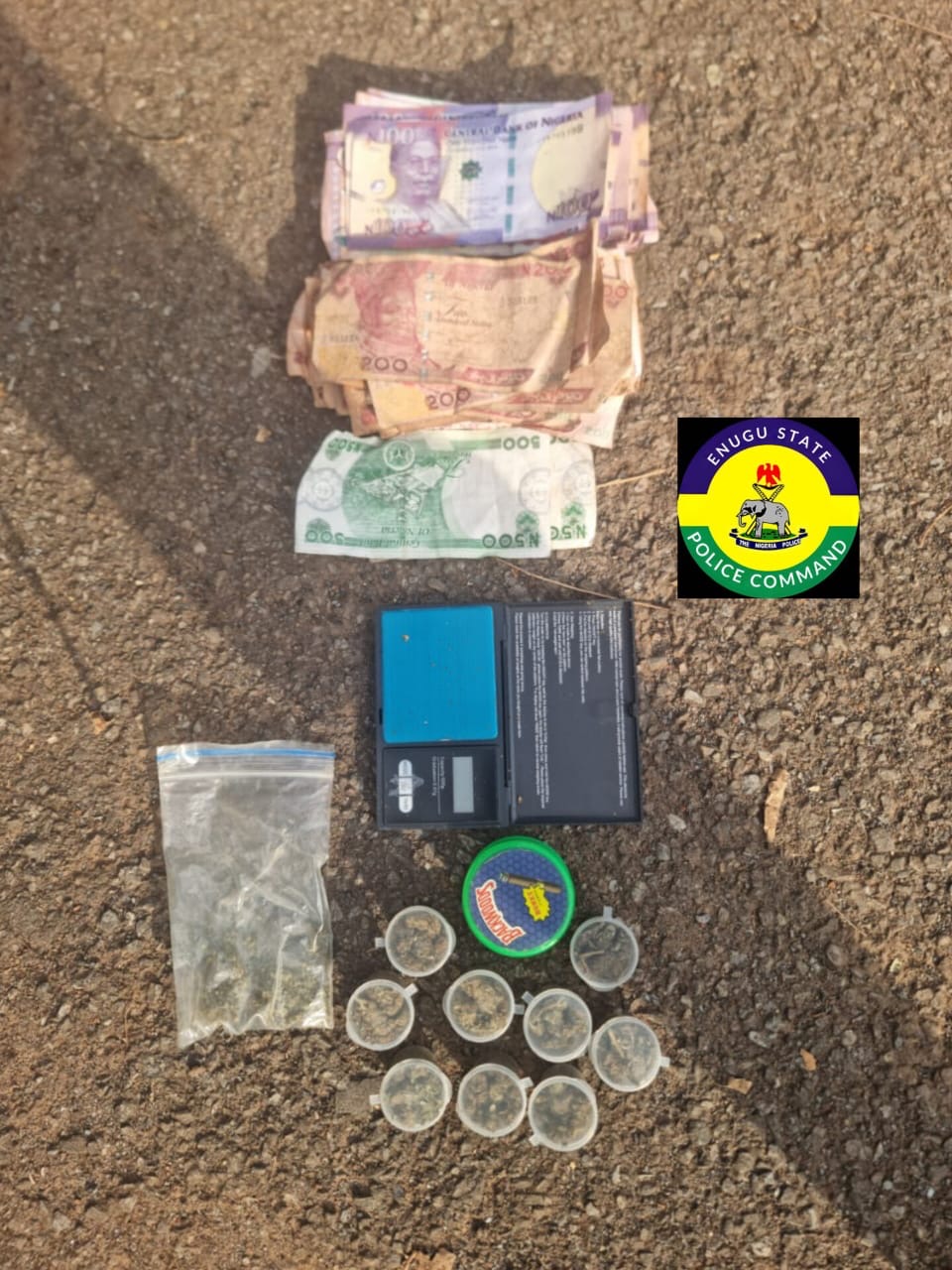
The Enugu State Commissioner of Police, CP Mamman Bitrus Giwa, has ordered a thorough investigation into the death of Nnaji Izuchukwu, who sustained gunshot injuries during a police operation at Bull Hotel, Asata, Enugu.
The directive followed an intelligence-led raid by operatives of the Anti-Cultism Section of the Violent Crime Response Unit (VCRU), during which 10 suspects were arrested.
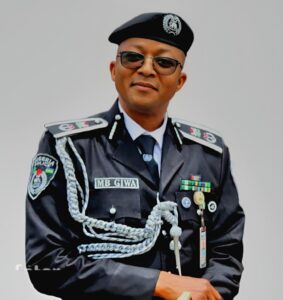
Enugu CP, Mamman Bitrus Giwa
In a statement issued on Friday, October 23, 2026, the command’s Public Relations Officer, SP Daniel Ndukwe, said the commissioner had directed the Assistant Commissioner of Police in charge of the State Intelligence Department (SID) to establish the circumstances surrounding the incident.
The investigation is expected to determine whether the operation, particularly the use of firearms, complied with established police operational standards and applicable laws.
According to the police, the operation was carried out based on what the command described as credible intelligence concerning criminal activities at the hotel.
The statement identified one of the suspects as Nworie Chidera Kelvin, popularly known as “Akidi,” whom the police alleged was a notorious drug dealer and member of the Vikings Confraternity.
The command further alleged that Akidi had been linked to several cases involving unlawful possession of firearms and cult-related activities, including a case in which he was reportedly charged in absentia. He was also suspected of keeping firearms and other criminal items for the gang.
The police said the operation resulted in the arrest of Akidi and nine other suspects, both male and female, aged between 17 and 28.
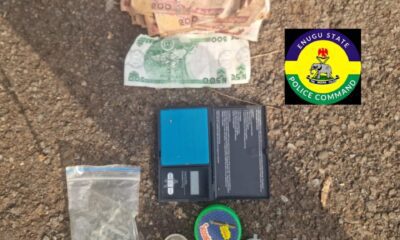
Items allegedly recovered from the scene included quantities of dried weeds suspected to be cannabis, popularly known as “loud,” a weighing scale suspected to have been used for measuring illicit drugs, and ₦43,400 in various denominations.
The statement said that during the operation, Izuchukwu and another suspect allegedly jumped through a window in an attempt to escape.
It added that an operative pursuing the two men was reportedly confronted by them, with both suspects allegedly attempting to disarm the officer.
The ensuing struggle allegedly led to the officer’s firearm discharging, hitting Izuchukwu and leaving him with gunshot injuries, while the other suspect escaped.
Izuchukwu was subsequently rushed to a hospital, where he was confirmed dead. His remains have been deposited in a mortuary for preservation and autopsy, according to the police.
Reacting to the incident, CP Giwa appealed to the deceased’s family, associates and other concerned persons to remain calm, assuring them that the investigation would establish the facts surrounding his death.
He also pledged that any police officer found culpable would face appropriate disciplinary action.
The commissioner reaffirmed the command’s commitment to professionalism, ethical conduct and strict compliance with operational procedures, stressing that established rules governing the use of firearms must be observed during police operations.
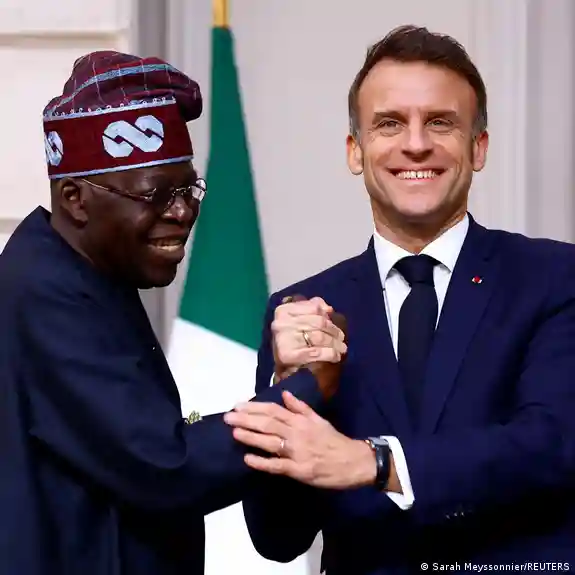
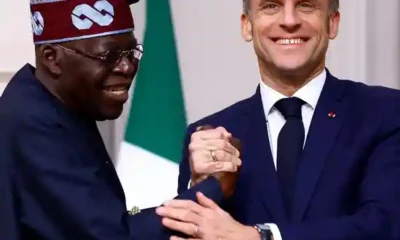
French President Emmanuel Macron has postponed his planned state visit to Nigeria until early 2027 following an agreement with President Bola Tinubu.
The visit, initially scheduled for October 29 to November 6, 2026, was deferred by both leaders, according to information on the trip obtained by Nairametrics.
A French presidential source also confirmed on Friday that Macron had postponed his planned visits to Nigeria and Senegal.
The source did not explicitly state the reasons for the postponement but described the trip as involving a “diplomatic and cooperation agenda”.
The specific reasons for the change in schedule have not been officially disclosed, while new dates for the visit are yet to be announced.
Macron’s visit was expected to strengthen bilateral relations between France and Nigeria, with discussions anticipated to focus on trade, investment, economic cooperation and other areas of mutual interest.
The postponement comes amid unrest in France, where demonstrations reportedly triggered by staff shortages and poor facilities in schools have spread across the country. The protests have also drawn attention to concerns over the rising cost of living.
However, the French presidential source did not explicitly link the unrest to the decision to postpone the visits.
Macron’s planned trip would have followed Tinubu’s three-day state visit to France in November 2024, during which the two leaders discussed finance, energy transition, solid minerals, trade, investment and communications.
At the time, presidential spokesperson Bayo Onanuga said Tinubu’s visit was aimed at “strengthening political, economic, and cultural relations and establishing more opportunities for partnership”.
Since assuming office in May 2023, Tinubu has visited France several times for official engagements, working visits and private trips.
Macron, whose second and final presidential term is due to end in May 2027, has maintained diplomatic relations with Tinubu since the Nigerian leader took office.
The rescheduled visit is expected to provide another opportunity for both countries to deepen cooperation, although the new dates and agenda remain unconfirmed.
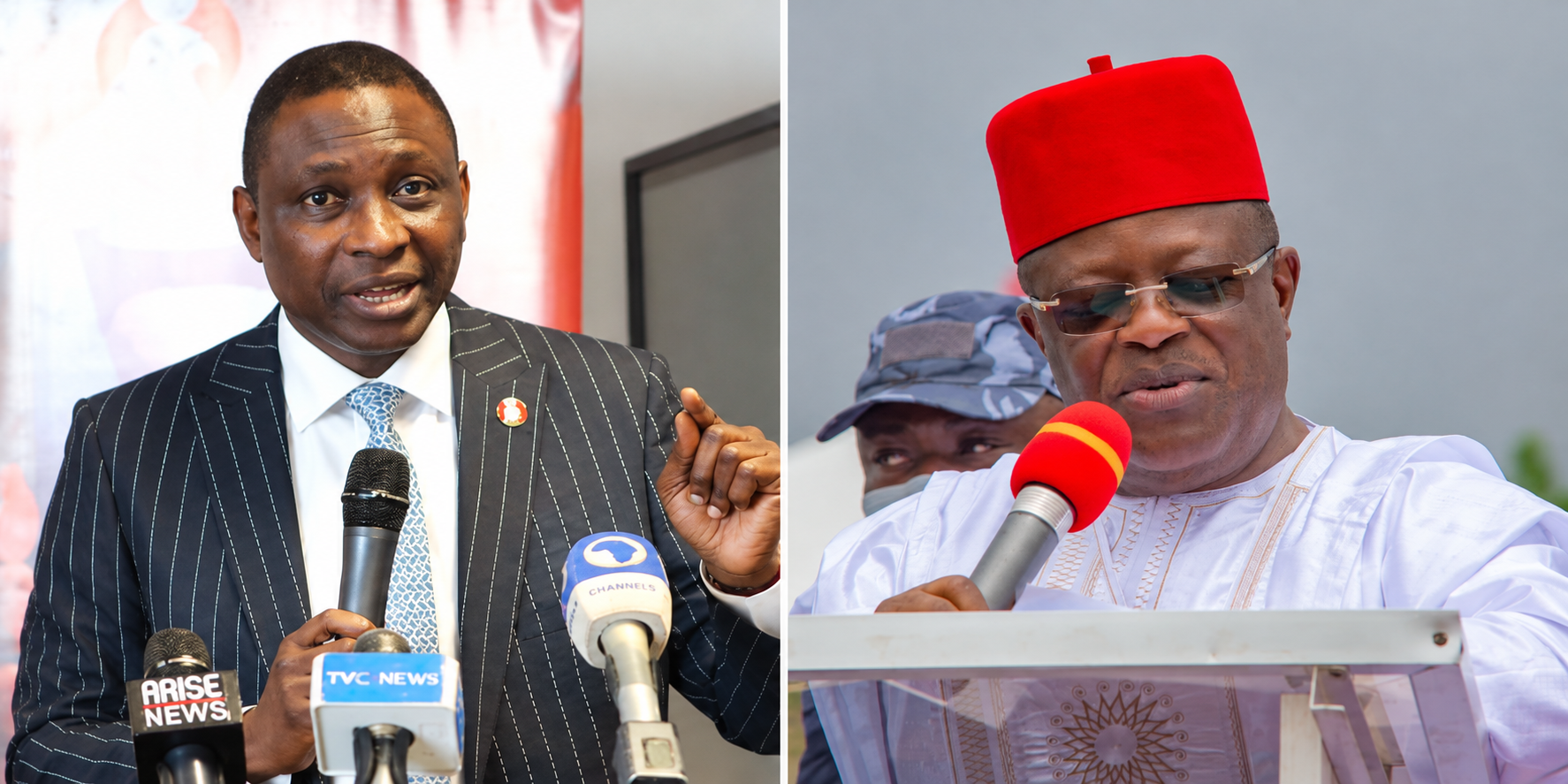
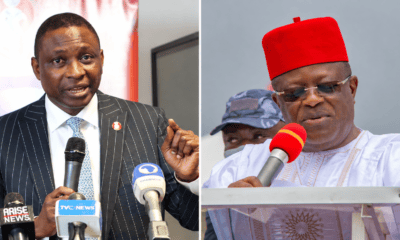
The Minister of Works, Chief David Nweze Umahi, has urged Nigerian journalists to promote democracy and maintain impartiality by avoiding bias towards political parties or candidates ahead of the 2027 general elections.
Umahi, a former Governor of Ebonyi State, gave the charge on Thursday evening while delivering a lecture at the Nigeria Union of Journalists (NUJ), Enugu Correspondents’ Chapel Press Week.
The event was themed, “Strengthening Democracy Through Responsible Journalism: 2027 Polls in Focus.”
Represented by his media aide, Emmanuel Uzor, the minister said journalists should not take sides in the political process or determine which candidate has the best manifesto.
He noted that as the watchdog of society and the Fourth Estate of the Realm, the media must discharge their constitutional responsibilities impartially, without favouring one political party or candidate over others.
While acknowledging the media’s critical role in holding leaders accountable, Umahi cautioned against partisan reporting and urged journalists to remain objective in their coverage of political activities.
“Journalists should not take sides. 2027 is here, and every party and all the candidates are presenting their manifestos. It is not your duty to say that this candidate or that candidate is better,” he said.
He maintained that the media had a responsibility to bridge the gap between leaders and the people, stressing that democracy thrives when journalists discharge their duties professionally.
Umahi, however, observed that journalists often face hostility when they hold those in authority accountable, adding that they are more readily accepted when they engage in praise-singing.
He warned journalists against abandoning their professional responsibilities, urging them to continue serving as a link between the government and the governed.
“You should fill in the gap between the leaders and the led,” he said.
Olukoyede Tasks Media on Anti-Corruption Fight
In his keynote address, titled “The Role of Media and Other Critical Stakeholders in Sustaining the Fight Against Corruption,” the Chairman of the Economic and Financial Crimes Commission (EFCC), Mr Ola Olukoyede, underscored the importance of the media in combating corruption and financial crimes.
Olukoyede, who was represented by the EFCC’s South Zonal Director, Mr Daniel Isei, said the media had continued to play a critical role in promoting good governance and building a better society.
He urged journalists to sustain their efforts in holding public officials and institutions accountable.
According to him, the Nigerian media deserve commendation for their contributions to sanitising society and promoting accountability.
“The media in Nigeria deserve their flowers for the critical roles they play in ensuring good governance and a better society.
“You have been playing your watchdog role, and that is holding the people and institutions accountable,” he said.
The EFCC chairman noted that the importance of the media’s watchdog function was recognised by the framers of the Nigerian Constitution, who assigned the press the responsibility of holding the government accountable to the people.
However, he cautioned journalists against losing focus or allowing cynicism to undermine their anti-corruption reporting.
“In fighting corruption, the media should not amplify public cynicism of the facts,” he warned.
Ani Emphasises Fact-Checking
The Chairman of the occasion, Chief Anthony Ani, SAN, also acknowledged the media’s significant role in society.
Ani urged journalists to verify information thoroughly before publishing or disseminating it to the public, stressing the importance of accuracy and responsible reporting in strengthening democracy.
-
 News3 days ago
FG confirms Ebola case in FCT, identifies 44 contacts
-
Features1 day ago
Kogi’s Kidnapping Crisis: Why Do Forests Remain Safe Havens for Criminals Under Ododo’s Watch?
-
News2 days ago
“It’s not debatable, we can’t go back,” Mbah Backs Tinubu on Fuel Subsidy Removal
-
News1 day ago
Kidnappers kill seven-year-old boy after ransom demand
-
News3 days ago
Afenifere leader, Fasoranti, dies at 100
-
News2 days ago
Mbah: Enugu Now Produces 120 Million Litres of Water Daily, Expands Agricultural Investment
-
Politics2 days ago
Mike Igini: Politicians Infiltrate Agencies Responsible for Election Personnel as Electoral Laws Go Unenforced
-
Politics4 hours ago
2027: Atiku, Obi, Duke, Others in Talks on Single Opposition Candidate – Coalition