News
At Agbaja Summit, Gov Mbah restates commitment to investment, education, inclusive governance

…as Prof Oji, Msgr Obiora, others laud Gov’s reforms in education, vocational training
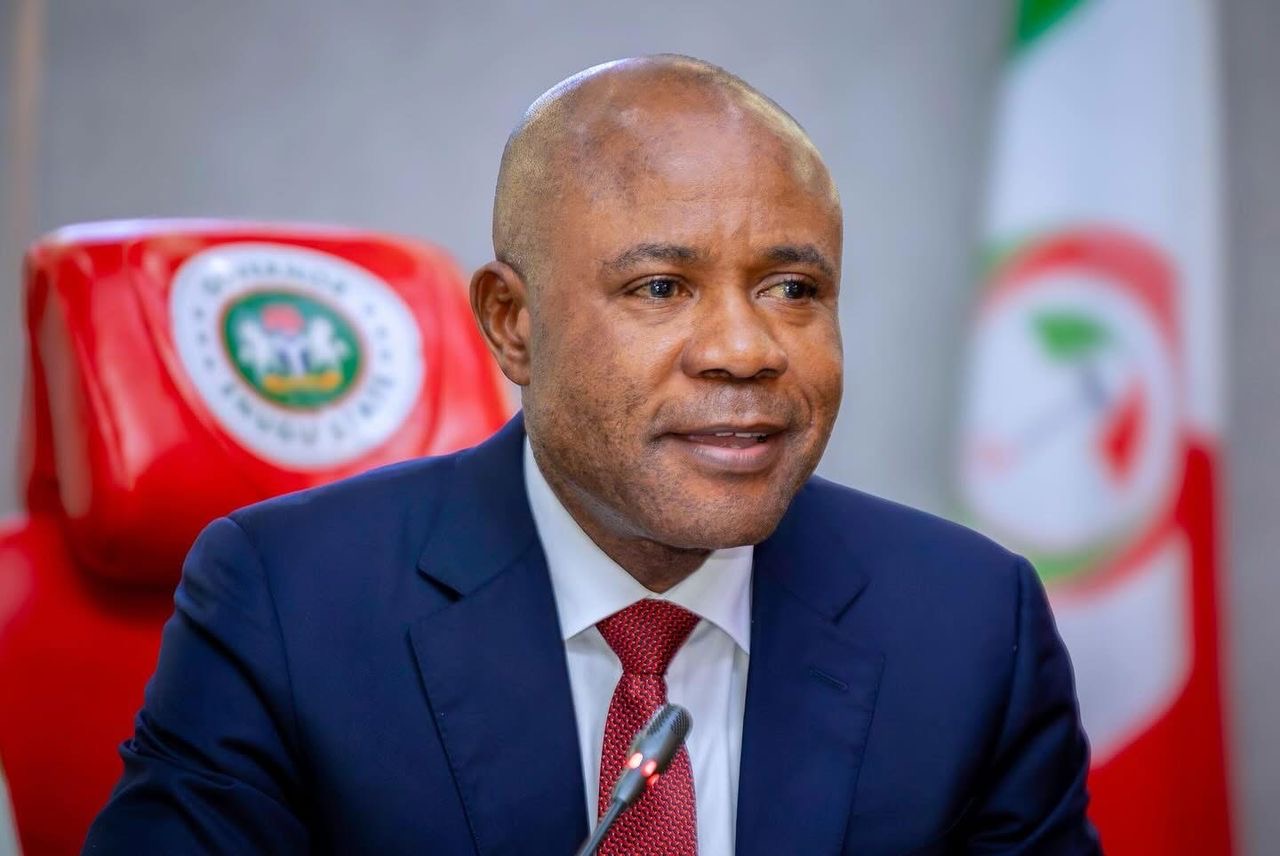
Enugu State Governor, Dr Peter Mbah, has reaffirmed his administration’s resolve to deepen investments in education, attract investors, create jobs, and strengthen inclusive governance across every part of the state.
Governor Mbah, who was represented by the Commissioner for Environment and Climate Change, Professor Sam Ugwu, gave the assurance on Wednesday at the Agbaja Summit 2025 held in Enugu with the theme: “Reviving Our Culture, Building Our Heritage.”

The summit featured a colloquium on education and skills development, alongside panel sessions led by eminent scholars and public figures including Prof Okechukwu Oji, Monsignor Prof Obiora Ike, and the Speaker of the Enugu State House of Assembly, Hon Uche Ugwu.
While speaking at the event, they commended the governor for the far-reaching reforms in the education sector, particularly the rollout of 260 smart schools and the experiential learning model aimed at transforming basic education and equipping young people with globally competitive skills.
The speakers also praised the state-wide vocational and skills acquisition centres where youths are being trained in digital literacy, creative handiwork, and enterprise development, saying the initiatives were designed to move young people from dependency to self-reliance.

Gov Mbah, who reiterated his administration’s commitment to building a productive, innovative 24/7 economy capable of creating sustainable jobs, added that ongoing investments would extend to the healthcare sector so that “every community, including Agbaja, feels the impact of governance.”
According to him, “The future we seek is one where no community is left behind—where every citizen has the opportunity to thrive and where development is inclusive and sustainable.”
Speaking directly to the youths of Agbaja, he emphasized that the summit belonged to them more than anyone else, noting that the elders had laid the foundation and it was now their turn to build on it.
Commending the organisers for merging cultural revival with intellectual engagement, the governor added: “Agbaja is strong, and Agbaja is rising. Together, we shall build a future where our children will look back and say: This was where the seeds of a new Agbaja and a new Enugu State were planted.
“Across the world, nations prosper not because of mineral wealth but through human capital, technology, and innovation. Knowledge is now the new currency of power, and skills have become the new economic passport.”
He highlighted that the 260 smart schools; each equipped with digital classrooms, laboratories, and a reformed curriculum, are designed to shift learning from rote memorization to coding, robotics, critical thinking, and problem-solving.
“The Agbaja community, with its long history of scholarship and enterprise, has a strategic role to play. Our development is strongest when every cultural bloc contributes its ideas, talents, and unique strengths,” he added.
Speaking earlier, the Chairman of the Summit Records and Communiqué Sub-Committee, Professor Oji, said the summit was structured to build thematic discussions that drive innovation, noting that while the first Agbaja Summit focused on the economy, this year’s edition centred on education after reviewing the progress made so far.
He explained that the committee took cue from the state government’s education reforms and aligned them with grassroots initiatives by the Agbaja intelligentsia, including contributions from Monsignor Prof Obiora Ike and other notable scholars.
Also addressing the gathering, Chairman of Agbaja Summit 2025, Professor Chike Anibeze, said the summit represents a comprehensive development agenda for the Agbaja people. He recalled that the previous summit focused on investment, while the 2025 edition deliberately shifted to education and skills development to reposition the people for future opportunities.
Other distinguished speakers at the event included the senator representing Enugu West senatorial district, Hon Osita Ngwu, former Minister of Power, Prof Chinedu Nebo, Mrs Loretta Aniagolu, Dr Ugochukwu Chime, and Fr Ikechukwu Ani, among others.
According to them, the youths must continue to be encouraged to embrace vocational and technical skills as pathways to meaningful and sustainable livelihoods.
The summit climaxed with the presentation of awards to illustrious sons and daughters of Agbaja who have distinguished themselves in various fields and made significant contributions to the development of the community.



News
BREAKING: El-Rufai Tests Positive for Drug-Resistant Bacteria, Shows Signs of Possible Severe Infection—Report
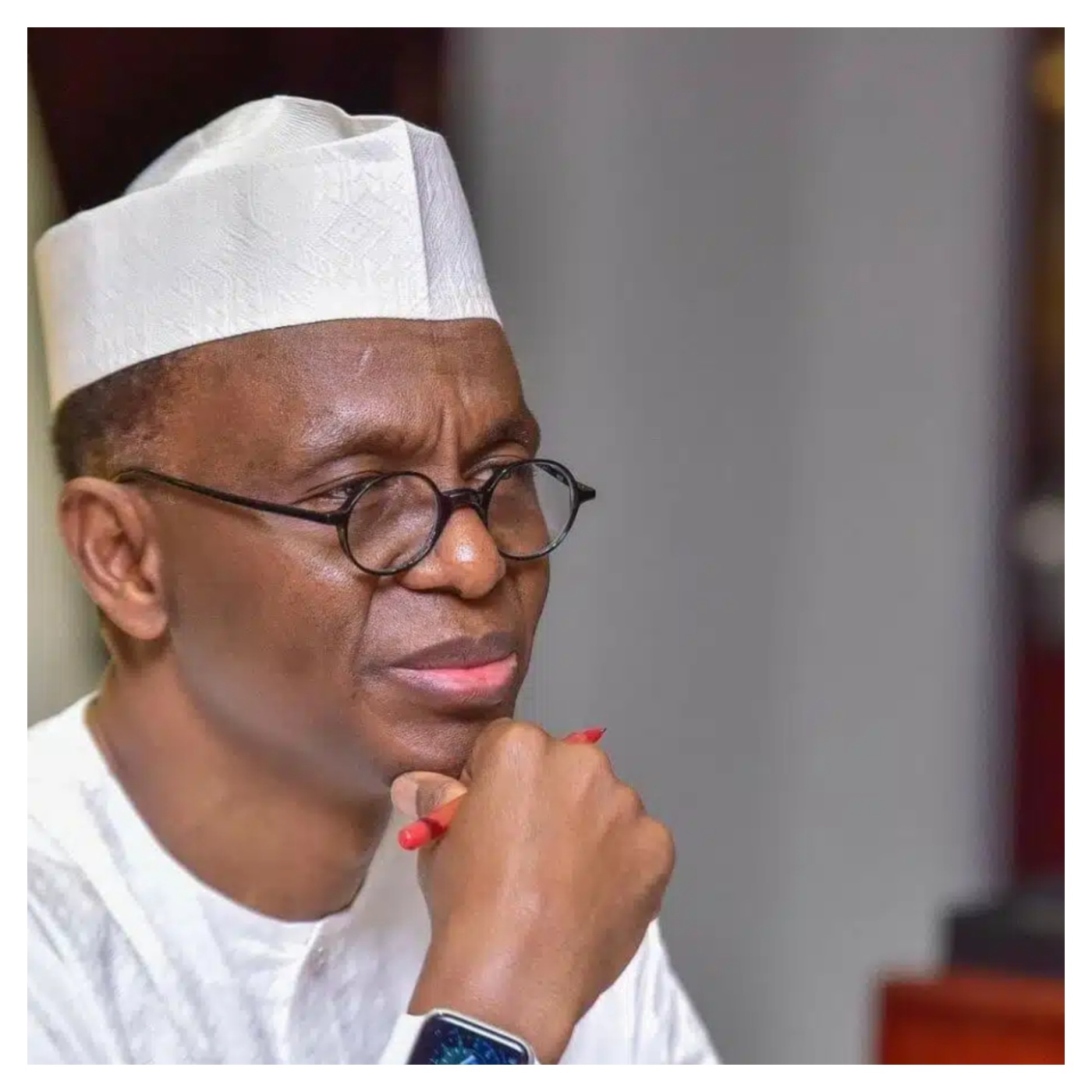
…doctors recommend admission in hospital
A medical report on former Kaduna State Governor Nasir Ahmad El-Rufai has revealed that a blood culture test detected Enterococcus faecium, a bacterium resistant to the antibiotic vancomycin, while his doctors listed possible sepsis among their clinical concerns.The findings are contained in two medical documents dated October 22, 2026, concerning the 66-year-old former governor, who is currently being detained by the Independent Corrupt Practices and Other Related Offences Commission (ICPC) amid his prosecution.A laboratory report issued by Cerba Lancet Nigeria showed that both aerobic and anaerobic blood cultures tested positive for Enterococcus faecium after 24–48 hours of incubation.
The report stated: “Culture positive After 24-48 hours incubation.”
It identified the organism as Enterococcus faecium and explicitly described it as a “Vancomycin Resistant Enterococcus (VRE).”
The laboratory report listed vancomycin as resistant, while several other antibiotics, including ampicillin/amoxicillin, erythromycin, levofloxacin, minocycline and linezolid, were marked as sensitive.

However, the laboratory document was marked “INTERIM REPORT” and stated: “Final Verified Report to Follow.”
This means the final verified laboratory result was still pending in the document provided.
A separate medical report issued by ASK+ Medical & Diagnostics on October 22 also documented the blood culture finding and detailed El-Rufai’s symptoms, clinical assessment and proposed treatment.
Under its clinical history section, the report stated: “The patient is a 66-year-old man with dyslipidemia, persistent headaches and insomnia. He presented with mild generalized headache and dizziness, without aura or photophobia. There is a reported history of hypotension.”
The report also noted that he appeared mildly dehydrated, with the clinical impression including dehydration in a case documented as resistant malaria and possible sepsis.
Under the clinical history section, the document described the assessment as “dehydration with resistant malaria and possible sepsis, with a suspected Para umbilical focus.”
The report recorded El-Rufai’s blood pressure at 93/70 mmHg and his pulse rate at 68 beats per minute.
His temperature was recorded as 36.2 degrees Celsius, while his oxygen saturation was 98 per cent on room air. The physical examination described him as being in no apparent respiratory or painful distress.
The report also contained an apparent difference in its assessment of his hydration status. While the clinical history described him as mildly dehydrated, the physical examination stated: “No dehydration.”
Under the investigations section, the ASK+ report confirmed the laboratory finding, stating: “Blood Culture: Enterococcus faecium (Gram-positive) isolated.”
It added that the organism was sensitive to several antibiotics, including ampicillin, erythromycin, levofloxacin, minocycline and linezolid, but resistant to vancomycin.
The report also listed gentamicin as sensitive, although the laboratory document presents the gentamicin result differently in its aerobic and anaerobic culture sections. The discrepancy requires clarification from the laboratory.
The ASK+ report stated that results from several other investigations, including a full blood count, malaria test, renal function test, liver function test, fasting lipid profile, random blood glucose, urinalysis and HbA1c, were within normal limits.
Despite those results, the positive blood culture prompted a recommendation for further medical evaluation and treatment guided by the laboratory findings.
Under its treatment plan, the report recommended admission for observation, intravenous fluids and medication for the documented clinical concerns.
It also advised that the blood culture and antibiotic sensitivity results be reviewed in consultation with an infectious disease physician.
The report stated: “Review the blood culture result and sensitivity results and, in consultation with Infectious disease physician, consider appropriate IV antibiotic therapy and admission for at least three days as advised by the clinical pathologist.”
It listed possible intravenous antibiotic options, including Augmentin, Gentalex, L-Flox and linezolid, subject to further clinical assessment and review of the culture results.
The findings come as El-Rufai remains in ICPC custody while facing prosecution. However, the medical documents do not establish any connection between his detention and the bacterial finding.
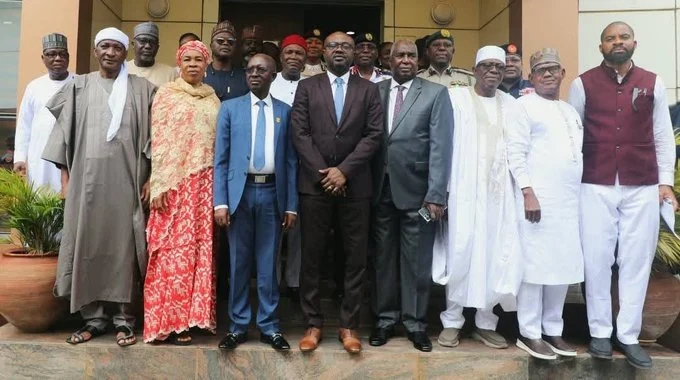
The Federal Government’s Independent Investigative Committee probing the deaths of 37 persons in the custody of the Nigeria Security and Civil Defence Corps in Niger State has found that the deceased died from asphyxiation.
The committee Chairman and former Deputy Director-General of the Department of State Services, Jonathan Kure, disclosed this on Tuesday while presenting the panel’s report to the Minister of Interior, Olubunmi Tunji-Ojo, in Abuja.
Kure stated that the panel recommended that one point four billion be paid to the families of 33 victims and forty-four survivors.
The committee chairman added that the deaths were avoidable as the victims, inclng 14 minors, were held in inhuman conditions.
The committee also recommended summary dismissal of the state commandant of the Niger State Command of the Nigeria Security and Civil Defence Corps and all other officers who were directly involved in the detention and eventual death of the miners
The committee equally recommended institutional reforms for the Nigeria Security and Civil Defence Corps in order to strengthen the leadership of the corps.
The Minister of Interior, who received the report, promised to implement the recommendations of the committee in order to ensure justice for all affected persons.
Tunji-Ojo also directed the commandant of the Corps to immediately suspend all officers who cleaned up the detention centre in order to destroy evidence.
The finding marks a major development in the investigation into the deaths of the suspected illegal miners, who died on September 17, 2026, while in the custody of the NSCDC Niger State Command in Minna.
The victims were among dozens of persons arrested during operations against suspected illegal mining in the M.I. Wushishi and Lukoto areas of the state. (PUNCH)
…Sen. Nnamani, Nwobodo, Dr. Nnamani, Chime, Ugwuanyi, Prof. Nnaji, Arthur Eze, Frank Nweke, Madueke, others get advisory roles
…Udeh, Nwoye, Utazi, Egumgbe, Ben Collins Ndu, Onyia, others head 51 Directorates
…Council to be inaugurated on Tuesday
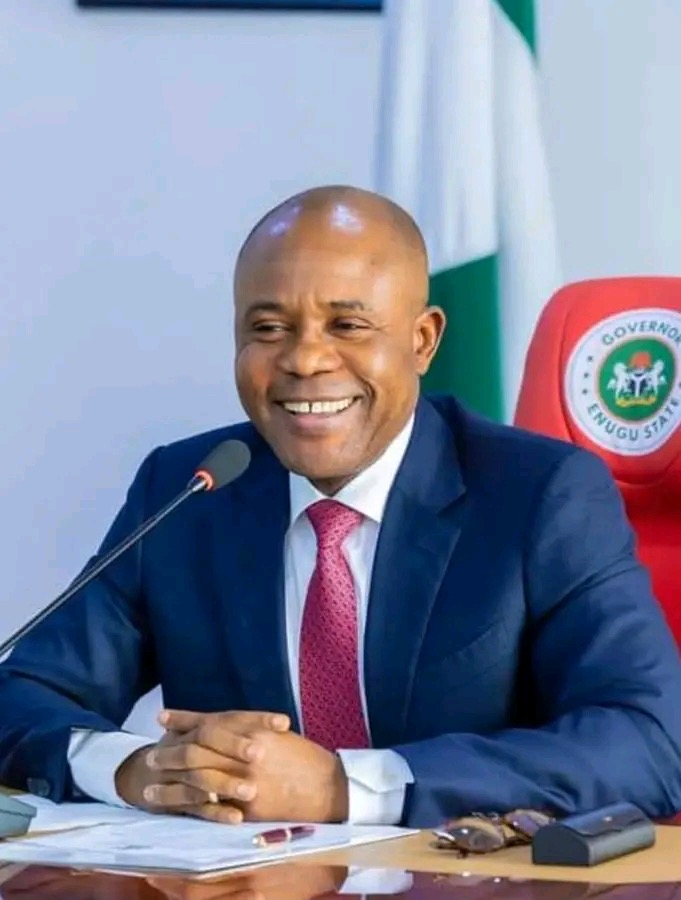
The Enugu State Chapter of the All Progressives Congress (APC), on Monday, unveiled the party’s Campaign Council ahead of the 2027 general elections.
The Campaign Council, comprising 51 Directorates, is chaired by the Governor of the state, Dr. Peter Mbah, while the Deputy Governor, Barr. Ifeanyi Ossai; Deputy National Chairman, APC (South); Speaker, Enugu State House of Assembly, Hon. Uchenna Ugwu; and the Chairman of the party in the state, Dr. Martin Chukwunweike, are Vice Chairmen.
The list signed by Chukwunweike and the Secretary of Enugu APC, Hon. Chukwudi Nnadozie, also has Chief Charlie Mbah as the Director-General of the Campaign Organisation and Dr. Eric Oluedo as the Secretary-General.
Deacon Okey Ogbodo, Dr. Dan Shere, and Hon. S.K.E. Udeh-Okoye are Deputy Campaign DGs for Enugu East Senatorial District, Enugu North Senatorial District, and Enugu West Senatorial District, respectively.
Barr. Steve Oruruo is the Campaign Spokesperson and Director of the Public Communication Committee, with Dr. Austin Okolie as co-spokesperson and Dr. Malachy Agbo as Secretary.
Mazi Uche Anichukwu and Dan Nwomeh, both drawn from the Governor’s media team, head the Directorate of New Media and Strategic Communication and the Directorate of Mainstream Media, respectively. Dr. Collins Ogbu is the Secretary of the former, while Dr. Reuben Onyishi is the Secretary of the latter.
Barr. Victor Udeh leads the Administration Directorate, while Dr. Ben Nwoye and Arc. Uche Nwatu are the Director and Co-Director of the Fundraising Committee, respectively.
Former Chief of the Naval Staff, Vice Admiral Ikechukwu Ogalla (Rtd.), chairs the Security Directorate, while former Inspector General of Police, Ogbono Onovo (Rtd.), is the Secretary.
The Minister of Innovation, Science and Technology is in charge of the Directorate of Government Appointees Coordination (Federal and State), with Prof. Chidiebere Onyia as Secretary, while former Speaker of the Enugu State House of Assembly, Rt. Hon. Eugene Odoh, heads Inter-Party Affairs.
Senator Osita Ngwu, Senator Ikeje Asogwa, and Senator Kelvin Chukwu are Coordinators of the Campaign Council in Enugu West, Enugu North, and Enugu East, respectively.
Meanwhile, in their co-signed statement, Chukwunweike and Nnadozie said the size of the Campaign Council was a reflection of “the conviction that every community, ward, local government area, professional group, support organisation, youth body, women’s group, elder, party faithful and person of goodwill must be seen, heard and meaningfully engaged.”
“Appointment into the campaign structure is therefore not merely an honour; it is a call to duty, accountability and measurable contribution,” they stated.
The Council will be inaugurated at the International Conference Centre, Enugu on Tuesday, October 27, 2026.
All members of the Campaign Council are to be seated before 3pm.
CLICK LINK BELOW TO SEE FULL LIST:
APC ENUGU CAMPAIGN COUNCIL COMPOSITION-1
-
 Features3 days ago
Mmesoma Umeorini: When Love Turns Deadly, and a Young Woman Pays With Her Life
-
Features2 days ago
Why Igbos Celebrate New Yam Festival Worldwide: The History, Cultural Significance and Lessons For The Younger Generation
-
News1 day ago
BREAKING: Tension as Video Shows Islamic Group Members Allegedly Calling for AK-47 to Kill Christians in Enugu, Jos
-
News2 days ago
Kogi Police Probe Alleged Murder-Suicide Involving Two Officers
-
News23 hours ago
Ifeanyi Ubah’s Elder Sister, Fidelia Chigbogu, Dies Suddenly at 61
-
News2 days ago
NCDC Reports Two Suspected Ebola Cases as Contacts Rise to 53
-
News2 days ago
Enugu Traders Pledge Support for Mbah’s Second Term, Cite Market Reforms
-
News23 hours ago
Terrorists Abduct Sunday Igboho’s Iru Ekun Security Group Members in Kwara