Health
Resident doctors laud Gov Mbah for recruiting 100 health staff, ask for more

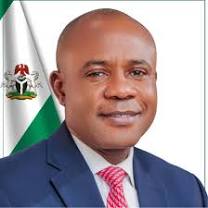
The resident doctors in Enugu State University of Science and Technology (ESUT) Teaching Hospital, Parklane, have lauded Gov. Peter Mbah for the giant strides his administration has made in various sectors, especially health sector.
The doctors commended Gov. Mbah-led administration for advancement of her members from senior registrars to consultants and recruitment of over 100 new resident doctors, consultants and other support staff for quality healthcare delivery.

This commendation is contained in a statement signed by Dr Ofonere Chukwunonso and Dr Nnamani Ikemefuna, who are the President and General-Secretary of the Association of Resident Doctors (ARD) ESUT Teaching Hospital, respectively on Sunday.
The statement appreciated the administration for upgrade of the security and surveillance architecture in and around the state teaching hospital and support of accreditation for several departments to promote training of resident doctors and medical students.
According to the statement, the government’s recent positive input included the cashless payment policy and digitalisation of patient care through electronic medical records system, upgrade of schools of nursing to college status to train more nurses and paramedics in the state.

“Gov. Mbah has recently delivered new ambulances and upgrade of the accident and emergency complex to better align with international best practices, implementation of a policy system to reward productivity among hospital staff and payment of improved hazard allowance.
“The government recently approved the renovation of all the toilets and bathrooms in the wards of the hospital to ensure safety and comfort of patients and staff.
“We have witnessed the flag-off construction of hundreds of model type-2 primary health facilities in each of the 260 political wards in the state,” the statement said.
The doctors also commended the Chief Medical Director (CMD) of the state teaching hospital, Prof Ngwu B.A.F., for imbibing the governance philosophy of Gov. Mbah and positively turning around the hospital within a very short period of time.
it said: “The CMD is commended for his commitment to ensuring that all departments in the hospital obtain full accreditation, as well as his undertaking massive infrastructural upgrade projects aimed at repositioning the teaching hospital as one of the top 10 tertiary health centers in Nigeria.
“The resident doctors specially appreciate Secretary to the State Government, Prof. Chidiebere Onyia, the special adviser to the governor on health, Dr Yomi Jaye and senior special assistant to the governor on revenue, Mrs Okebu Adenike, who worked to ensure optimal outcomes and prevent crisis in the health system.”
The statement, however, tasked the state government on accelerating the process of payment of the 2023 Medical Residency Training Fund (MRTF) to Resident Doctors in the State Teaching Hospital, as is obtainable in several other states.
It also tasked the government on urgent upward review of the salaries of medical doctors in the state, to reduce the suffering occasioned by the worsening economic down turn, and lower the rate of brain drain of medical doctors.
According to the statement, the brain drain of medical doctors is currently alarming with attendant negative effects on the health indices for the state.
“The resident doctors are also requesting for employment of more house officers, in line with the recent upgrade of quota by the Medical and Dental Council of Nigeria.
“The resident doctors constitute a major and critical workforce in any teaching hospital and their welfare and well being should be prioritized by the hospital management and the state government.
“The resident doctors are ready and poised to ensure industrial harmony and smooth running of the state teaching hospital,” the statement said.
It said that the resident doctors pleged to assist the government in making Enugu State a center for Excellence in Healthcare and a prime destination for local and international medical tourism.
“The resident doctors are asking the good people of the state to support government in its efforts and vision to change the face of Enugu State and position it as one of the top states in Nigeria and Africa, in terms of human and capital development,” it added.












• Eight deaths recorded in Irele LG
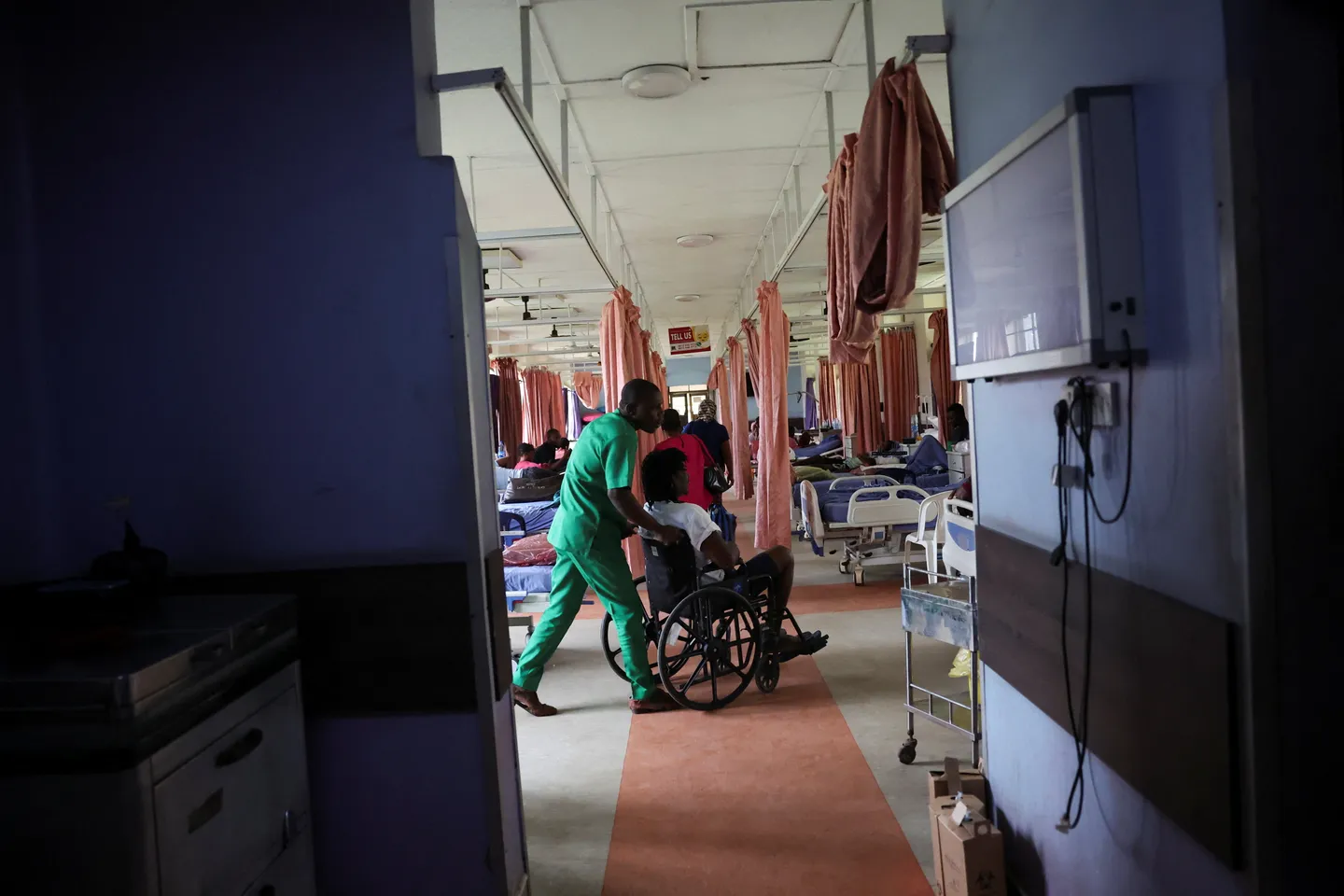
The Ondo State Government has confirmed more deaths in connection with the consumption of suspected poisonous alcoholic drinks in Odigbo Local Government Area.
The Commissioner for Health, Banji Ajaka, told journalists on Wednesday in Akure, the state capital, that 49 fatalities have now been reported, as against 39 reported last week.
The government also said the cases increased from 60 to 170 as of last Friday.
Mr Ajaka said some incidents have been reported in the Irele Local Government Area, with eight fatalities recorded in the area.
The Health Commissioner for Health, while giving an update on the situation, said that health authorities were intensifying surveillance, case management and contact tracing to contain the outbreak and identify the source of the poisonous substance.
He expressed concern that while eight of the deaths were recorded in Irele, the overall number of people affected across the areas by the incident has risen to 170.
He said the government was yet to relent in its efforts to establish the source of the substance, adding that investigators were examining whether the poisoning originated from a single source or multiple sources.
According to Ajaka, teams had been deployed to the affected communities to monitor the situation, manage cases and trace the source of the suspected poisonous substance.
He said the state government was also working with security and regulatory agencies, including the National Agency for Food and Drug Administration and Control, National Drug Law Enforcement Agency, Department of State Services, Nigeria Security and Civil Defence Corps and other relevant agencies.
Ajaka said the matter was discussed at a national meeting involving commissioners for health across the country and officials of the Nigeria Centre for Disease Control and Prevention, where Ondo State’s rapid response in surveillance, case management and tracking was commended.
He said the government would continue its investigation until the source of the poisoning was established.
The latest figures came after the commissioner had earlier disclosed that 29 people had died in connection with the suspected poisoning in Odigbo Local Government Area, with 121 persons affected at that stage.
Ajaka had linked the Odigbo outbreak to locally produced alcoholic and alcoholic-herbal substances consumed during two naming ceremonies in the affected communities.
He said investigations showed that an individual who was not a member of one of the families hosting a naming ceremony procured the substance and brought it to the event for guests to consume.
The affected communities previously identified in Odigbo include New Town, Odole, Okele, Orita Odigbo, Araromi-Obu and Oniparaga.
Following the outbreak, the state government banned the production and sale of locally brewed alcoholic and alcoholic-herbal beverages in Odigbo Local Government Area as a precautionary measure.
The commissioner also confirmed the arrest of a suspect in Araromi-Obu in connection with the production and distribution of the substances.
Ajaka warned residents against consuming unregulated alcoholic and herbal preparations, stressing that substances promoted for medicinal purposes could also pose serious health risks if their contents were unknown or unregulated.
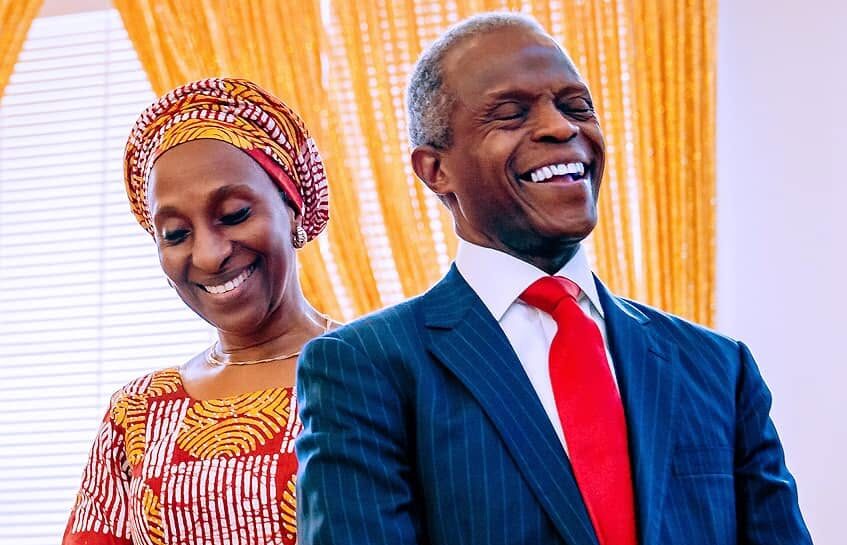
Former Vice-President Yemi Osinbajo has raised concerns over the use of dangerous chemicals in ripening and preserving fruits, recounting how a laboratory test found his wife’s freshly squeezed orange juice “not fit for human consumption”.
Osinbajo spoke at the Open Day for Gardeners’ Seminar themed “Leaving the Earth Better Than We Found It”, held in Lagos on August 28, with a video of the event shared on his YouTube channel on Wednesday.
Osinbajo said his wife, Dolapo, developed frequent headaches after she began drinking freshly squeezed orange juice every day.
“Dolly, my dear wife, likes to have a full glass of freshly squeezed orange juice every day, a very healthy habit, by the way, especially since she stopped consuming any form of carbonated drinks many years ago,” he said.
“But then after a while she started having some strange headaches drinking her fresh juice every day. Then she checked everything she was eating and drinking, and we were wondering what could the cause of this be?”
He said they initially ruled out the orange juice because it was considered a healthy drink.
“We assumed, of course, it couldn’t be the ‘healthy’ orange juice,” he said.
“The results came back. It showed the orange juice, freshly squeezed, was not fit for human consumption.”
Osinbajo attributed the result to the use of harmful chemicals by some farmers and fruit sellers, warning that the problem could expose Nigerians to health risks.
His words, “Apparently farmers use dangerous pesticides for fruits and vegetables, and fruit and vegetable sellers use very dangerous chemicals sometimes to ripen or preserve fruits and vegetables.”
“Calcium carbide is used very frequently to force fruits such as bananas, mangoes, pawpaws and tomatoes to change colour and look ripe very quickly,” Osinbajo added.
The former vice-president cited studies from different parts of the country which he said had documented the use of chemicals among some fruit sellers.
He referenced a 2024 study in Ado-Ekiti, Ekiti State, where, according to him, half of 20 fruit sellers interviewed admitted using calcium carbide. Similarly, another study in Uyo, Akwa Ibom State, where 25 per cent of fruit sellers reportedly admitted to using the chemical to ripen fruits.
Osinbajo further referred to a 2023 survey in Lagos, saying 22 out of 50 fruit retailers admitted using chemicals to preserve their produce.
“These were the ones who agreed they do,” he said.
His call comes amid growing concerns over the proliferation of counterfeit and substandard products in Nigeria, with NAFDAC and SON facing increased pressure as Nigerians use social media to expose food, drugs, cosmetics and other consumer goods suspected to be dangerous.
…Set to launch hospital, targets large share of medical tourism
_…Facility attracts outpouring of interest from diaspora medics
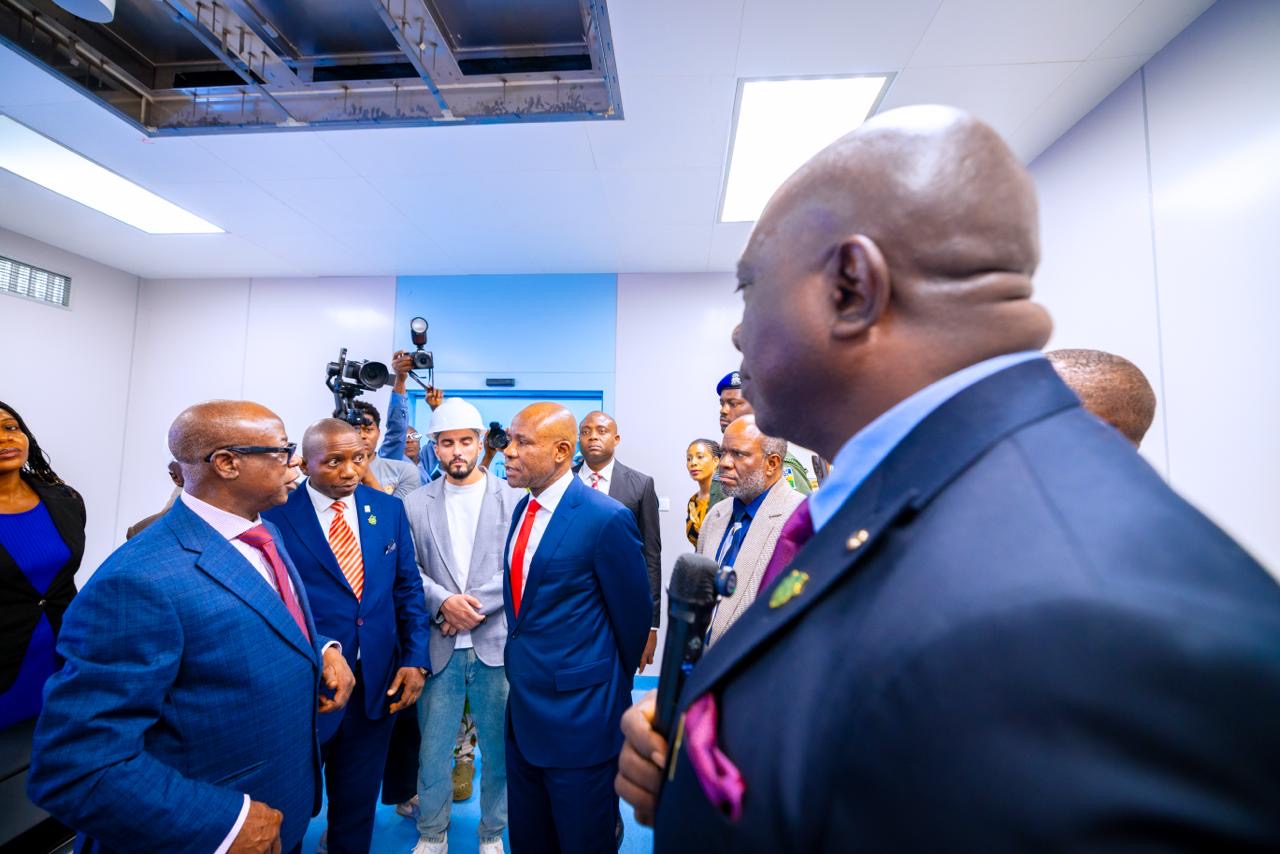
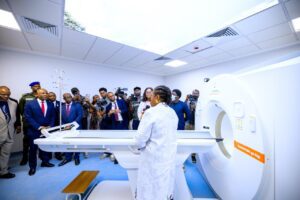
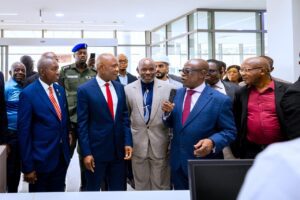
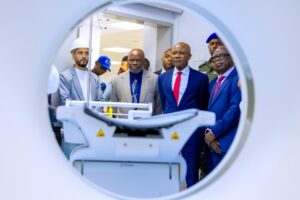
Ahead of the imminent inauguration of the Enugu International Hospital, Governor Peter Mbah of Enugu State has undertaken a tour of the facility, declaring that Enugu State was ready to welcome the world.
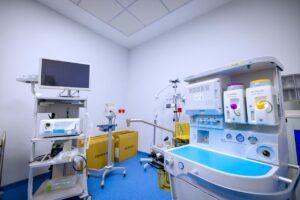
Mbah said the hospital was now fully installed with state-of-the-art medical equipment and would help to reverse medical tourism out of the country, ensuring that the state secures a large chunk of the multibillion-dollar market.
Fielding questions from newsmen on Thursday evening after a pre-launch walkthrough of the facility situated at Rangers Avenue, Independence Layout, Enugu, Mbah said the hospital was a product of a deliberate health agenda.

“If you recall our manifesto during our campaign for office, we made it clear that we were committed to making Enugu a medical tourism hub on the continent.
“We knew the size of that market and wanted to have a good share of that market. But we knew also that it was never going to be wished into existence.
“We knew that we needed to do things differently and build a world-class facility and, most importantly, attract top-notch professionals to provide services. We cannot wait to welcome the world to Enugu,” he stated.
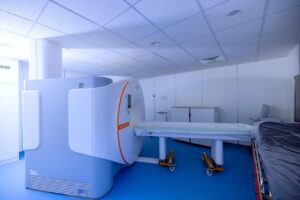
Mbah regretted that there was just about one functional location for PET Scan services in the country, but noted that the hospital would now bridge the wide gap in advanced medical services in the country.
“We have quite a lot of Ndi Enugu, and Nigerians who travel to India, Turkey, the United States, and the United Kingdom to seek medical attention. So, what we are asking for is just a fraction of what they would have spent overseas for the same quality services,” he said.
“We felt that if we want to compete globally, then we must also have the ability to provide advanced oncology services. Therefore, we are not only able to give you an advanced diagnosis, but we’re also able to treat. So, both diagnostically and therapeutically, the place to come to is right here in Enugu.
“We have also received an outpouring of interest from our healthcare professionals in the diaspora. Some of them were doing well here at some point and now went overseas to practice. They are now happy to come back home and give back to the society that nurtured them. We are excited about that,” he stated.
He added that the Enugu International Hospital would equally engage in telemedicine as one of its areas of strength.
“Of course, you may be in love with the building and the equipment, but you should also engage professionals from across the globe. You see this in our commitment to telemedicine, digital and electronic medical practices and equipment,” he explained.
He emphasised that the hospital was part of his administration’s agenda for the health sector as a major part of his government’s vision to grow the state’s economy from $4.4bn to $30bn, and ensure high quality and increased life expectancy for the people.
“If you look at our intervention in the healthcare sector, from the primary healthcare to the secondary, tertiary, and now the quaternary, it is intentional.
“We are investing heavily in security and healthcare because we know that these are what investors would ask you: ‘Am I safe? If I fall sick, would I have a place where I can get quality medical attention?’” he said, adding that the hospital would also create jobs.
Speaking, the Chief Executive Officer, Prof. Sam Agwu, listed six specialty areas the hospital would provide services in once commissioned.
“We have earmarked six specialty centres here. In the Cancer Centre, we are going to provide medical, surgical, and nuclear medicine therapeutics and diagnostics.
“Then we are going to have the Heart and Vascular Centre of Excellence to deal with all heart problems and open-heart surgery, as you may know; cardiology consultation and diagnostics, electrophysiology and arrhythmia care, coronary care and acute cardiac pathways, interventional cardiology and cath-lab procedures, heart-failure and cardiac rehabilitation clinics, and of course vascular assessment and collaborative surgical care.
“We are going to have the Neurosciences Centre where we will deal with stroke, epilepsy, brain and spine tumours, neurosurgical procedures, among others.
“We are going to have a Renal and Transplant Centre of Excellence covering full kidney, chronic kidney disease clinics, early nephrology review, dialysis support and transplant assessment.
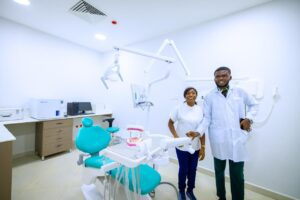
“Then, apart from all the centres of excellence, we are going to have wellness and regenerative medicine, while the usual departments that you know of – mother and child, general surgery, ENT, dental, ophthalmology, among others – will all be here.
Former Chairman of the Nigerian Medical Association, Enugu State, Dr. Sunday Nwafor, hailed the milestone, saying the hospital would promote brain gain by reversing the mass exodus of medical doctors from the country.
“Going forward, our doctors have a place of international standard where they can practice with state-of-the-art equipment and also earn well,” he said.
Mbah was accompanied by the Commissioner for Health, Prof. George Ugwu, among others.
MORE PHOTOS


-
 News1 day ago
JUST IN: Former Delta Governor, Uduaghan, dies
-
Faith2 days ago
Awka Anglican Diocese Rejects Ibezim’s Suspension, Threatens to Leave Church of Nigeria
-
News3 days ago
BREAKING: Mbah Extends Enugu Movement Restriction to 10pm, Scraps Keke Ticketing
-
Politics2 days ago
Nigeria’s Weak Opposition and the Cost of One-Party Dominance: Can the Opposition Rebuild Before 2027?
-
News3 days ago
2027: Keke Riders Endorse Mbah, Tinubu
-
News1 day ago
Federal High Court Upholds ENSSAA’s N150m Political Campaign Billboard Fee, CTC Reveals
-
News2 days ago
Corruption turning Nigerian Courts to ‘market stalls’ — Retired Justice Augie
-
Politics1 day ago
AA Assembly Candidate, Ugbaje Friday, Unveils Development Agenda for Ibaji