News
Police: How student hackers stole N1.9b data, airtime from MTN


The Police Special Fraud Unit, Ikoyi, Lagos have brought two students- Timothy Fashina Oluwabukola and Anthony Imonina Odemerho – before the Federal High Court in Lagos for allegedly hacking MTN Nigeria Communication’s computers and stealing airtime and data worth N1.9 billion.
Oluwabukola and Odemerho, students of Moshood Abiola Polytechnic (MAPOLY) Abeokuta, Ogun State and Resign Regal Academy in Benin City, Edo State, were arraigned before Justice Akintayo Aluko, on a four-count charge of conspiracy, unauthorised access into the company’s web-based platform known as Application Programming Interface (API) and unlawful conversion.

The duo, who pleaded not guilty, and others at large, allegedly committed the offence between January and April this year, in Lagos and Edo states.
Prosecution counsel Justine Enang, alleged that the defendants conspired and accessed the telco’s Application Programming Interface (API) and obtained data from the said application, which they used to defraud MTN to the tune of N1.9 billion.
He informed the court that the alleged illegal act contravened Section 27(1)(b); 6(2) and 28(1)(b) of the Cybercrime (prohibition, prevention, etc) Act, 2015 as amended in 2024, but punishable under Section 8(2) of the same Act.

He added that the offences contravened section 18(2)(b) of the Money Laundering (Prevention And Prohibition) Act, 2022, punishable under Section 18(3) of the same Act.
The two defendants pleaded not guilty to the four counts charge.
The prosecutor asked for a trial date and urged the court to remand them in the custody of the Nigerian Correctional Services (NCoS) till the determination of the charge.
But the defence lawyers informed the court that they had filed their clients’ bail applications.
Justice Aluko adjourned till August 5 for hearing of the defendants’ bail applications.
The charges against the defendants read: “That you, Timothy Fashina Oluwabukola, Anthony Imonina Odemerho and others at large, between January and April, 2024, in Lagos, within the jurisdiction of this honourable court, conspired amongst yourselves to intentionally and without authorization, gained access into MTN Nigeria Communications Plc computer system/network, with intent to obtain data from the said computer system/network, which you subsequently used to defraud the company (MTN) to the tune of One Billion, Nine Hundred Million Naira (N1,900,000,000), and thereby committed an offence, contrary to Section 27(1)(b) of the Cybercrime (prohibition, prevention, etc) Act, 2015 as amended in 2024, but punishable under Section 8(2) of the same Act.
“That you, Timothy Fashina Oluwabukola, Anthony Imonina Odemerho and Others at large, between January and April, 2024, in Lagos, within the jurisdiction of this honourable court, intentionally and without authorization, accessed the computer system or network of MTN Nigeria Communication Pie through the unlawful use of authorization keys and passwords to gain access to MTN web-based platform known as Application Programming Interface (API), with intent of obtaining airtime data from the said computer system or network, valued at One Billion, Nine Hundred Million Naira N1, 900, 000, 000), which you sold to the public and converted the proceeds of same to your own use and benefit, and thereby committed an offence punishable under Section 6(2) of the Cybercrime (prevention, prohibition, etc) Act, 2015 is amended in 2024,
“That you, Timothy Fashina Oluwabukola, Anthony Imonina Odemerho and thers at large, between January and April, 2024, in Lagos, within the jurisdiction of this honourable court, unlawfully manipulated MTN Nigeria Communications Plc (MTN) computer system authorization keys or passwords which you used to access MTN. web-based platform also known as Application Programme Interface (API) and fraudulently obtained airtime from the said computer system, valued at N1,900,000,000 (One billion, Nine hundred Million Naira) which you later converted to data and sold to the public and thereby caused financial loss to MTN Nigeria Communications Plc and thereby committed an offence contrary to Section 28(1)(b) of the cybercrime (prohibition, prevention, etc) Act, 2015 as amended in 2024, but punishable under Section 28(4) of the same Act.
“That you, Timothy Fashina Oluwabukola, Anthony Imonina Odemerho and hers at large, between January and April, 2024, in Lagos and Edo States, within the jurisdiction of this honourable court, directly and intentionally converted MTN Nigeria Communications Plc property to wit: airtime valued One Billion, Nine Hundred Million Naira (N1, 900, 000, 000) to data which you sold to members of the public and later used the proceeds for your own benefits, which property/airtime, you knew or reasonably ought to have known formed part of the proceeds of unlawful act, namely unauthorized access into MIN computer system/network where the property/airtime was stored, and thereby committed an offence, contrary to Section 18(2)(b) of the Money Laundering (prevention and prohibition) Act, 2022 but punishable under Section 18(3) of the same Act.”
THE NATION



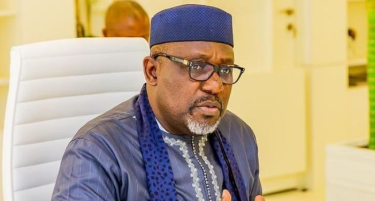
Former Imo State Governor, Senator Rochas Okorocha, was arrested by the Nigeria Police Force (NPF) on Monday night.
The Nigeria Police Force Public Relations Officer, CSP Aniete Iniedu, confirmed the development to Channels Television.
Okorocha, who was arrested at REIZ Continental Hotel in central Abuja, was, however, released on bail by the NPF following an hour of interrogation over allegations of criminal conspiracy, forgery and impersonation.
CSP Iniedu, who confirmed the arrest and subsequent release on bail to our correspondent, noted that the former governor was asked to return to the Force Headquarters on Tuesday for further interrogation as investigations into the allegations continue.
The arrest reportedly followed Okorocha’s failure to honour previous police invitations in connection with the ongoing investigation.
He was initially invited to the Force Headquarters on September 2, but the appointment was rescheduled to September 8 at the request of his lawyers, a date he reportedly failed to honour.
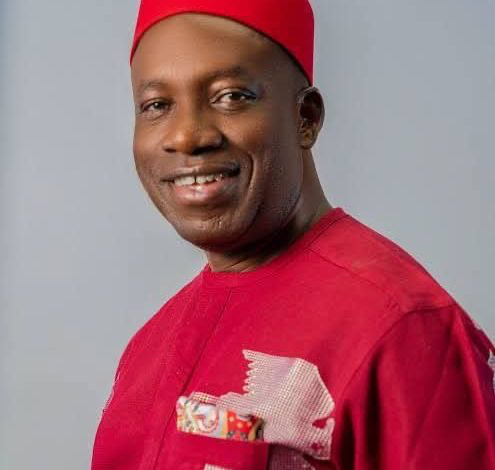
Anambra State Governor, Prof. Chukwuma Soludo, has been appointed a member of the All Progressives Congress (APC) 2027 Presidential Campaign Council list released last night.
This is despite the fact that he is the National Leader of the opposition All Progressives Grand Alliance (APGA).
Similarly, Federal Capital Territory (FCT) Minister Nyesom Wike, the National Leader of the opposition Peoples Democratic Party (PDP) and Osun State Governor, Senator Ademola Adeleke of the opposition Accord Party (AP), are on the expanded and all-inclusive team headed by President Bola Ahmed Tinubu.
Other members include Presidential Adviser on Policy and Coordination, Hadiza Bala Usman, former Ogun State Governor Ibikunle Amosun, former Lagos State Governor Akinwunmi Ambode, Aviation Minister Festus Keyamo, and former House of Representatives member Patrick Obahiagbon.
Also named as members are former Osun APC governorship candidate Bola Oyebamiji, former National Legal Advisers Dr. Muiz Banire and Babatunde Ogala, Chief Ayiri Emami, Victor Giadom, Magnus Abe, and former Ogun State Governor Gbenga Daniel.
The list, according to a report by The Nation, reflects inter-party cooperation and harmony based on the shared vision of propelling the country to the horizon of progress.
The report quoted a statement by APC National Secretary, Senator Ajibola Basiru, as saying that the campaign council will be inaugurated tomorrow in Abuja.
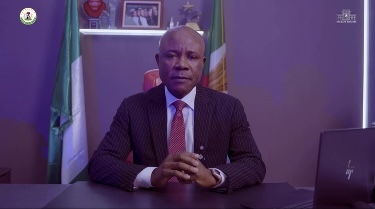
Enugu State Governor, Dr Peter Mbah, has called for a thorough and impartial police investigation into the recent violence surrounding a political gathering in the state, assuring that anyone found responsible will face the law regardless of political affiliation.
Mbah, in an address to the people of Enugu State, expressed concern over reports of violence, particularly a shooting incident that left a citizen injured.
The governor said his immediate concern was the welfare of those injured, residents who experienced fear during the incident, and families affected by the violence.
He assured the victims and affected residents that their safety and well-being remained a priority for his administration.
“I know how much our people value the peace and security we have worked so hard to establish in Enugu. Incidents such as these cause anxiety and deserve our full attention,” the governor said.
Mbah stressed that every citizen, irrespective of political affiliation, must be able to exercise their political rights without fear, intimidation or violence.
He reiterated the state government’s commitment to protecting lives, upholding the law and ensuring that justice was served without favour.
The governor also stated that, in view of the preliminary findings regarding the incident, he expected the police to conduct a comprehensive and impartial investigation to establish the circumstances surrounding the violence and identify those responsible.
According to him, anyone found culpable would be held accountable through the appropriate legal process, irrespective of their political connections.
“The Enugu State Government has made its position clear regarding allegations of involvement in this violence,” Mbah stated, reaffirming his administration’s responsibility to maintain peace and security across the state.
The incident has raised concerns over political tolerance and the safety of citizens participating in political activities in Enugu State.
The governor’s call for an impartial investigation underscores the need for the relevant security agencies to establish the facts surrounding the shooting and ensure that those responsible are brought to justice.
He concluded his address by thanking the people of Enugu State and praying for God’s continued blessings upon the state.
-
 News3 days ago
Why UK varsities are cancelling Nigerians’ admission — Report
-
News2 days ago
2027: Enugu Accuses Opposition of Plotting to Import Armed Thugs, Bandits
-
News2 days ago
Alleged Magistrate Court Order To Arrest Araraume, Okorocha Is Fake, Non-Existent — Imo First Group
-
News2 days ago
Benue APC Delegation Involved in Ghastly Accident En Route to Rally
-
News2 days ago
2027: Over 30,000 Enugu Teachers Endorse Mbah, Tinubu, List Welfare, Increased Education Funding
-
News3 days ago
Why men with braids, tattoos were banned from mosque, Ogun Chief Imam clarifies
-
News3 days ago
Man stabs wife in Anambra community, kills himself with poison
-
News3 days ago
EFCC recovers $105,000 for US-based businesswoman