News
Ohanaeze condemns Buhari’s statement on South-East killings

Apex Igbo socio-cultural organization, Ohanaeze Ndigbo has decried President Muhammadu Buhari’s statement which described the South East as a haven for terrorists that attack non indigenes and law enforcement officials, saying the presidency knows the root cause and nature of insecurity in the zone.
Professor George Obiozor, President General of Ohanaeze Ndigbo faulted the position of the president on the security situation in the South East states saying it is wrong to imply that the insecurity persists because the leaders have not forcefully spoken against it.

Prof Obiozor who spoke through Chiedozie Alex Ogbonnia, National Publicity Secretary of Ohanaeze Ndigbo was reacting to various media publications where President Muhammadu Buhari in release issued by his spokesman, Mallam Garba Shehu, condemned the recent attacks against non-indigenes and law enforcement officials by terrorists in the South East.
Buhari in the statement urged “community and religious leaders to speak more forcefully against the killings, stand up and defend the ethos of our cultural and religious heritage; those who know should point at specific people who did this.”
But Prof Obiozor in his reaction, said, “This is very unfair to the Igbo, especially when the presidency knows the root cause and the nature of the insecurity in the South East.

“It needs be added that the solution to the insecurity in the South East lies in the enormous powers of the presidency.
“The above remarks by the presidency appear to have ignored the prolonged open war with the Boko Haram in the North East; the Banditry in the North West, especially in Katsina State; the Fulani Herdsmen invasion of several communities in the Middle Belt region; the Church massacre at Owo; the daily kidnappings on our highways; the Kaduna-Abuja train abduction among others.”
The Ohanaeze statement reads: “Ohanaeze Ndigbo Worldwide joins the Presidency and indeed the good people of Nigeria in condemning this dastardly act that occurred at Imo State, South East of Nigeria. Ohanaeze has repeatedly explained that amongst the Igbo, human life is very sacred. The sanctity of life is so elevated that killing of a human being in whatever circumstance is considered an abomination.
“In fact it is not in the character of the Igbo to kill in whatever disguise. These recent developments are indeed very much alien to the reflexes, culture and norms of the South East. And we have often called on the Nigerian security operatives to ensure that the perpetrators of such acts are brought to book as a deterrent to others. Surely, the failure of the Nigerian security agents to fish out the criminals cannot be blamed on the Igbo.
“Ohaneaeze Ndigbo however frowns at the statement by the Presidency which is nuanced against the South East as a haven for terrorists that attack non indigenes and law enforcement officials; implying that the insecurity persists because the leaders have not forcefully spoken.
“This is very unfair to the Igbo, especially when the presidency knows the root cause and the nature of the insecurity in the South East. It needs be added that the solution to the insecurity in the South East lies in the enormous powers of the presidency.
“The above remarks by the presidency appear to have ignored the prolonged open war with the Boko Haram in the North East; the Banditry in the North West, especially in Katsina State; the Fulani Herdsmen invasion of several communities in the Middle Belt region; the Church massacre at Owo; the daily kidnappings on our highways; the Kaduna-Abuja train abduction, etc,. A few instances highlights the current state of insecurity in Nigeria:
“Two months ago, suspected armed herdsman in the early hours of Sunday, June 21, allegedly killed about thirty persons in two communities of Okpokwu Local Government Area of Benue State in what has been described as unprovoked attacks on civilians. Channels Television informed that the Police Public Relations Officer for the Benue State Command, Deputy Superintendent of Police, Sewuese Anene, confirmed the attack to journalist in a brief statement. And several others in Benue State….
“On Monday July 22, 2022, gunmen attacked some officials of the 7 Guards Battalion of the Nigerian Army Presidential Guards Brigade. The incident, which took place around the Bwari Area Council of Abuja, left three soldiers wounded and eight personnel killed. According to the report, “two of the slain personnel were officers, including a captain and a lieutenant, while the remaining were other ranks”.
“On Friday, August 5, 2022, Advocate News reports that “Gunmen have abducted 14 Indian nationals working with a ceramics company in Ajaokuta Local Government Area of Kogi state. According to the report, “two Indians, two police officers and two drivers were killed when the gunmen struck”. It added that “they were on their way home from work (West African Ceramics) when the gunmen attacked their Coaster bus”.
“A Wisconsin-based Armed Conflict Location & Event Data Project (ACLED), one of the world’s most reliable conflict data aggregators, stated that “there were 18 abduction events targeting students across northern Nigeria between January 2018 and April 2021. The ACLED data also shows that the bandits killed more than 2,600 civilians in 2021, an increase of over 250% from 2020. This number dwarfs that of civilian deaths credited to Boko Haram and the Islamic State West Africa Province in the same year”.
“It added that in the “period between December 2020 and August 2021, more than 1,000 students and school staff were abducted. Within six months, as many as 343 people were killed, while 830 others were abducted by bandits between July and September 2021 in Kaduna state alone, according to figures from the state government”. As at now, all schools in the Federal Capital Territory have been closed down on account of insecurity and no person contemplates a reopening.
“Paradoxically, when the district head of Daura, the hometown of Mr President, was kidnapped and was freed after two months, Mallam Garba Shehu was quoted as saying that the “incident was evidence that Duara was not receiving preferential treatment and that insecurity was a national problem.
“In other words, when insecurity manifests in the North West, it is a national problem; but when on the other hand, it occurs in the South East, it is blamed on the inability of the “community and religious leaders to speak more forcefully against the killings and to stand up and defend the ethos of the nation’s cultural and religious heritage”.
“I can state without any fear of contradiction that the Igbo possess the greatest wanderlust as well as the most hospitable dispositions amongst the various ethnics in the world. The non-indigenes in the South East enjoy untrammeled friendliness, inter-ethnic assimilation and conducive business environment; what happened to the non-indigenes in the South East is most regrettable as part of the current national calamity.
“One would think that the inevitable consequences of the orchestrated mendacious propaganda, dubiety, subterfuge, sabotage and serial alienation against the South East of Nigeria are already staring us in the face. According to the Governor of Sokoto State, Alhaji Aminu Waziri Tambuwal: “the marginalisation of the South-East geopolitical zone by the Federal Government of Nigeria under President Muhammadu Buhari is crazy and unprecedented”.
“Tambuwal adds: “I feel sad and disturbed each time I see the Igbo crying of marginalization. The Federal Government of Nigeria has been unfair to the Igbo. In all socio-economic activities is like the Igbo are not part of the nation”.
“Tambuwal wondered how Buhari could hope to achieve good governance and prosperity in Nigeria by sidelining the Igbo resilience, creativity, ingenuity and capacity to stimulate, promote and incentivize the abundant but dormant human resources in Nigeria. How do we fight insecurity by appointment of service chiefs based on ethnocentric and religious considerations as against the best global practices of military competence? Put differently, how can the South East be excluded among the over 16 service chiefs in the Nigerian armed and paramilitary forces and expect insecurity not to fester? And how; and how; and how…..?
“And when the chickens have come home to roost, we resort to blaming the victim. The famous psychologist, William Ryan, espoused that blaming the victim is an atrocious ideology that tries to justify social injustice against a group. The oppressor deliberately creates an unjust chaotic environment for the oppressed; and blames the victims for the inevitable crises that flows therefrom.
“In conclusion, it is very uncharitable, if not mischievous, to poison undiscerning minds by insinuating that non indigenes and security officials are killed by the terrorists in the South East. On the other hand, to appropriate national problem to the South East of Nigeria is an ethnic prejudice taken too far. Invariably, banditry in the North Central persists because their leaders have not forcefully spoken or rather they are publicly celebrated and turbaned or still, offered the Sheik Gumi option.
“Both history and current events in the country must have shown that unjust policy against the just shall ultimately vindicate the just.”urely, the failure of the Nigerian security agents to fish out the criminals cannot be blamed on the Igbo.
“In other words, when insecurity manifests in the North West, it is a national problem; but when on the other hand, it occurs in the South East, it is blamed on the inability of the “community and religious leaders to speak more forcefully against the killings and to stand up and defend the ethos of the nation’s cultural and religious heritage”.
“I can state without any fear of contradiction that the Igbo possess the greatest wanderlust as well as the most hospitable dispositions amongst the various ethnics in the world. The non-indigenes in the South East enjoy untrammeled friendliness, inter-ethnic assimilation and conducive business environment; what happened to the non-indigenes in the South East is most regrettable as part of the current national calamity,” he said.



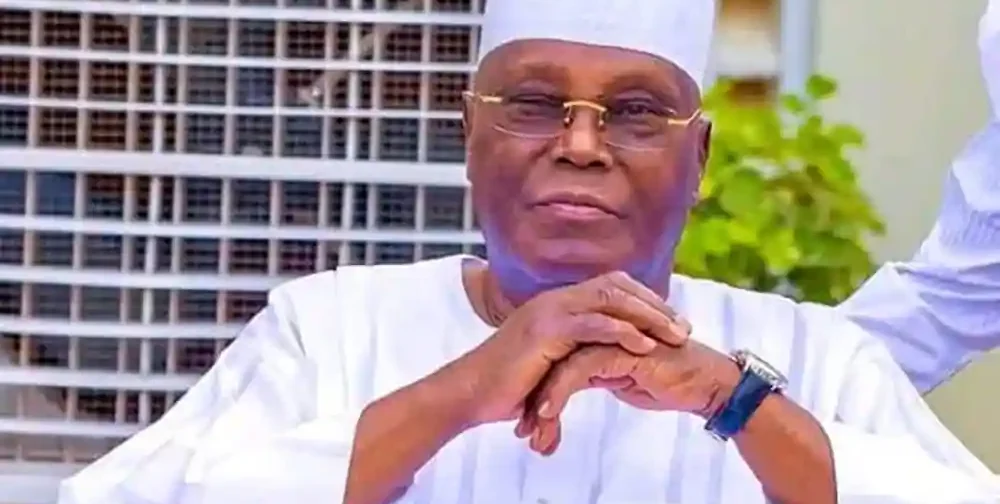
The All Progressives Congress (APC) Presidential Campaign Council has denied allegations of a plot to assassinate former Vice-President Atiku Abubakar, the African Democratic Congress (ADC) presidential candidate for the 2027 general election.
Dele Alake, spokesperson for the APC Campaign Council, made the denial while reacting to the allegation raised by Timi Frank, a member of the ADC.
The council urged Frank to submit any evidence in his possession to the relevant law enforcement agencies for investigation, stressing that any credible threat to life must be treated seriously, irrespective of political affiliation.
It categorically denied any involvement by President Bola Tinubu, the Presidency or the APC in an alleged plot targeting Atiku or any other opposition figure.
The council also dismissed reports that security personnel attached to the former vice-president had been withdrawn, insisting that Atiku remained protected by the Nigeria Police Force and the Department of State Services (DSS).
According to the statement, President Tinubu recently directed security agencies to strengthen security arrangements for all presidential, vice-presidential, governorship and deputy governorship candidates ahead of the 2027 general elections.
Reacting to the political implications of the allegation, Alake described the assassination claims as “typical opposition rabble-rousing”, accusing those behind them of attempting to heighten political tension and attract international attention through social media.
“Let our political competition be peaceful, lawful, and focused on the big issues that matter to Nigerians, not character assassination or wild, baseless allegations,” the statement read.
The APC Campaign Council further highlighted Tinubu’s longstanding experience in opposition politics, urging candidates, political parties and their supporters to remain factual and responsible in their public statements.
It called on political actors to uphold democratic values and ensure that the build-up to the 2027 general elections remains peaceful, lawful and focused on issues affecting Nigerians.
News
Court Orders Interior Minister Tunji-Ojo to Respond to Suit Seeking Release of His NYSC Records
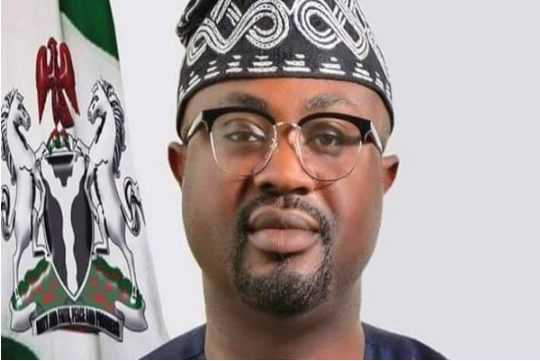
The Federal High Court in Abuja on Monday ordered the Minister of Interior, Olubunmi Tunji-Ojo, to respond to a suit seeking to compel the release of records of his National Youth Service Corps (NYSC) scheme.
Justice Salim Ibrahim gave the order when the matter came up for hearing.
The Incorporated Trustees of Pathway to Equity and Charity Foundation had filed the suit, marked FHC/ABJ/CS/1812/2026.
The group prayed the court to compel the NYSC to disclose documents supporting the minister’s claim that he completed the mandatory one-year national service.
The foundation also sought an order of mandamus directing the Federal Capital Territory Administration (FCTA), the 2nd respondent, to produce records showing that the minister did his primary assignment at the FCTA.
When the case was called, counsel to the applicant, Chief Solomon Akuma, SAN, told the court he was ready to proceed with the hearing.
However, Abiola Olaniji, who appeared for the minister, said he had filed an application for Tunji-Ojo to be joined as the 3rd respondent.
Olaniji said the applicant (foundation) had responded with a counter affidavit raising serious issues, to which he needed time to reply.
The lawyer stated that the minister was ready to take part in the proceedings as an interested party.
But Akuma opposed the application, arguing that the minister was not a proper party.
He said the suit only sought an order of mandamus compelling the respondents (NYSC and FCTA) to produce documents that are not in the minister’s custody.
Justice Ibrahim directed the minister to file and serve his reply to the applicant’s counter affidavit, which opposed his application to be joined as a party in the suit before the next hearing date.
The judge then adjourned the matter until Oct. 18 for hearing.
The applicant had sought from the NYSC the mobilisation or call-up letter issued to Tunji-Ojo in 2006 or any other year; the posting letter to the FCTA in 2006 or any other year; and his application for mobilisation.
It also sought the evidence of approval of his remobilisation by the NYSC’s Director-General; evidence of payment of allowances to him; the record of his Community Development Service and his discharge certificate.
The foundation equally sought from the FCTA, the mobilisation or call-up letter, the posting letter, his attendance record during the service year, evidence of any allowance paid to him, among others.
It said the application was brought under Section 14 of the Federal High Court Act, Order 34 Rules 1, 2 and 5 of the Federal High Court (Civil Procedure) Rules 2019.
It also cited Sections 20, 21 and 25 of the Freedom of Information (FOI) Act, 2011.
(NAN)

The presidential candidate of the Nigeria Democratic Congress, Peter Obi, has advised Nigerians residing in the United Kingdom to stop sending money to people who seek financial help at home.
Obi also advised them to urge their relatives to vote for productive leaders.
He made the remarks at a town hall meeting with diaspora supporters in Manchester, United Kingdom, on Sunday.
He stressed that Nigeria’s prevailing economic hardship resulted from bad leadership, arguing that continuous financial assistance only cushions the effects of poor governance without addressing the root causes.
“You have people at home in Nigeria today who are begging you for money. Tell them no!” he said.
The former Anambra State governor insisted that his record in public office distinguished him from other governors, claiming none of them matched his achievements in saving public funds.
“I’m not saying I’m a saint, but I saved money. I’ve not seen one governor who has saved 10 per cent of what I saved. No governor has done it.
“Let’s start with this one that is less corrupt. That’s how other countries change.”
He maintained that his conversations with the people reinforced the need for collective responsibility, stressing that building a new Nigeria would require citizens to take an active role in addressing challenges facing the country.
Obi also urged Nigerians to take the 2027 election seriously, describing the contest as a critical moment for the nation.
-
 News1 day ago
JUST IN: Former Delta Governor, Uduaghan, dies
-
Faith2 days ago
Awka Anglican Diocese Rejects Ibezim’s Suspension, Threatens to Leave Church of Nigeria
-
News3 days ago
BREAKING: Mbah Extends Enugu Movement Restriction to 10pm, Scraps Keke Ticketing
-
Politics2 days ago
Nigeria’s Weak Opposition and the Cost of One-Party Dominance: Can the Opposition Rebuild Before 2027?
-
News3 days ago
2027: Keke Riders Endorse Mbah, Tinubu
-
News1 day ago
Federal High Court Upholds ENSSAA’s N150m Political Campaign Billboard Fee, CTC Reveals
-
News2 days ago
Corruption turning Nigerian Courts to ‘market stalls’ — Retired Justice Augie
-
Politics1 day ago
AA Assembly Candidate, Ugbaje Friday, Unveils Development Agenda for Ibaji