News
Paternity Fraud: 25% of Nigerian men not biological fathers of their children — Report


A recent report by Nigeria’s forensic laboratory, Smart DNA, reveals that one in four men who underwent paternity testing between July 2024 and June 2025 were not the biological fathers of the children in question. The finding highlights persistent family trust challenges in the country, particularly in urban areas like Lagos. Newspaper subscription bundles
The 2025 Annual DNA Testing Report shows that 25 per cent of men tested returned negative results, slightly lower than the 27 per cent recorded in 2024. Firstborn children were the most affected, with 64 per cent of disputed firstborn sons and a significant proportion of firstborn daughters found not to belong to their presumed fathers.

Elizabeth Digia, operations manager at Smart DNA, said, “This pattern raises serious questions about family structures, trust, and social arrangements in urban Nigeria. DNA testing is no longer just about disputes. It is about certainty, documentation, and peace of mind.” Newspaper subscription bundles
The report also indicates a shift in the geographic distribution of DNA testing in Lagos. Lekki led the state with 20.3 per cent of tests, followed by Yaba (15.8 per cent) and Ajah (10.5 per cent). Mainland areas such as Surulere and Ikeja recorded nine per cent each, while Ikorodu accounted for 10.5 per cent.
Digia noted, “This geographic shift reflects where economic and social questions about paternity and family documentation are being asked more urgently. Lagos Island’s growth mirrors its expanding population of upwardly mobile professionals dealing with both family and immigration-related concerns.”

DNA testing also increased, accounting for 13.1 percent of all tests, driven by Nigerians seeking documentation amid the ongoing “Japa” wave.
Children aged 0 to 5 years made up 58.6 per cent of all tests, up from 54 per cent in 2024, indicating that parents are seeking to resolve questions of lineage early.
Male children were tested more frequently than females, at 53.8 per cent versus 46.2 per cent, reflecting the traditional emphasis on verifying male lineage for inheritance and family continuity.
The report noted ethnic participation in testing, with Yoruba clients accounting for 53 per cent of requests, Igbo clients for 31.3 per cent, and Hausa clients for 1.2 per cent.
Most tests, 83.7 per cent, were conducted for “peace of mind” rather than legal disputes, with only 1.4 per cent court-mandated.
Digia stressed the need for regulatory reform, saying, “Nigeria currently has no specific paternity fraud laws, leaving men without legal recourse when non-paternity is discovered years later.
“Public health campaigns should normalise paternity discussions and integrate DNA testing into pre-marital and family health programmes.”
Smart DNA recommended integrating DNA testing into healthcare and family planning programmes to reduce stigma and ensure clarity in family documentation.
The report also underscores the increasing demand for DNA testing in urban centres, illustrating broader social and cultural questions about family structures, trust, and the rights of parents in Nigeria.




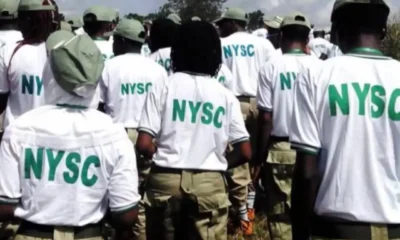







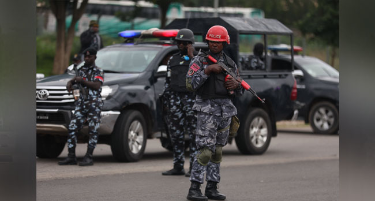
The Imo state police command says members of the National Youth Service Corps (NYSC) were among those abducted along the Owerri-Onitsha expressway on Thursday morning.
Okoye Henry, police spokesperson in Imo, said in a statement that 10 of the victims had been rescued.
He said the exact number of persons abducted was still being verified and would be made public once confirmed.
Reports said that there was tension on the road in the early hours of Thursday after gunmen attacked two 18-seater buses carrying passengers and took them into the bush.
According to a viral video circulated on X, the victims were travelling to Akwa Ibom and Abia states in buses branded with the Abia state government logo when the attackers intercepted the vehicles and robbed the passengers.
Okoye said the incident occurred around 6:30am, adding that NYSC members were among those abducted.
“The incident occurred at about 0630hrs on 1st October, 2026, along the Owerri-Onitsha Road, by Umunoha. Two buses conveying NYSC corps members and other passengers from Ibadan to Uyo, Akwa Ibom State, and Bende, Abia State, respectively, were attacked by suspected armed men,” the statement reads.
“Following a swift response by the Police and other security agencies, both buses have been recovered and 10 victims were rescued at the scene.
“The rescued victims are in safe hands and are being attended to. The exact number of persons abducted is being verified and will be made public once confirmed.”
The police spokesperson said operatives were still conducting coordinated search and rescue operations, backed by intelligence to track the suspects and rescue the remaining victims.
He said the commissioner of police in Imo, alongside other service commanders, have visited the scene for an on-the-spot assessment and to give operational direction.
“He assured the public that the Command will sustain the operation until all victims are safely recovered and the suspects are brought to justice,” Okoye said.
He said the command was working with the NYSC directorate to reach the families of the affected corps members, who would be kept informed as the situation developed.
He added that the affected section of the expressway had been reopened and traffic was flowing, while security personnel remained deployed to protect commuters.
The command appealed for calm and urged the public to remain vigilant, adding that anyone with credible information should report to the nearest police station or contact the command’s emergency lines.
“All information will be treated in confidence,” Okoye added.
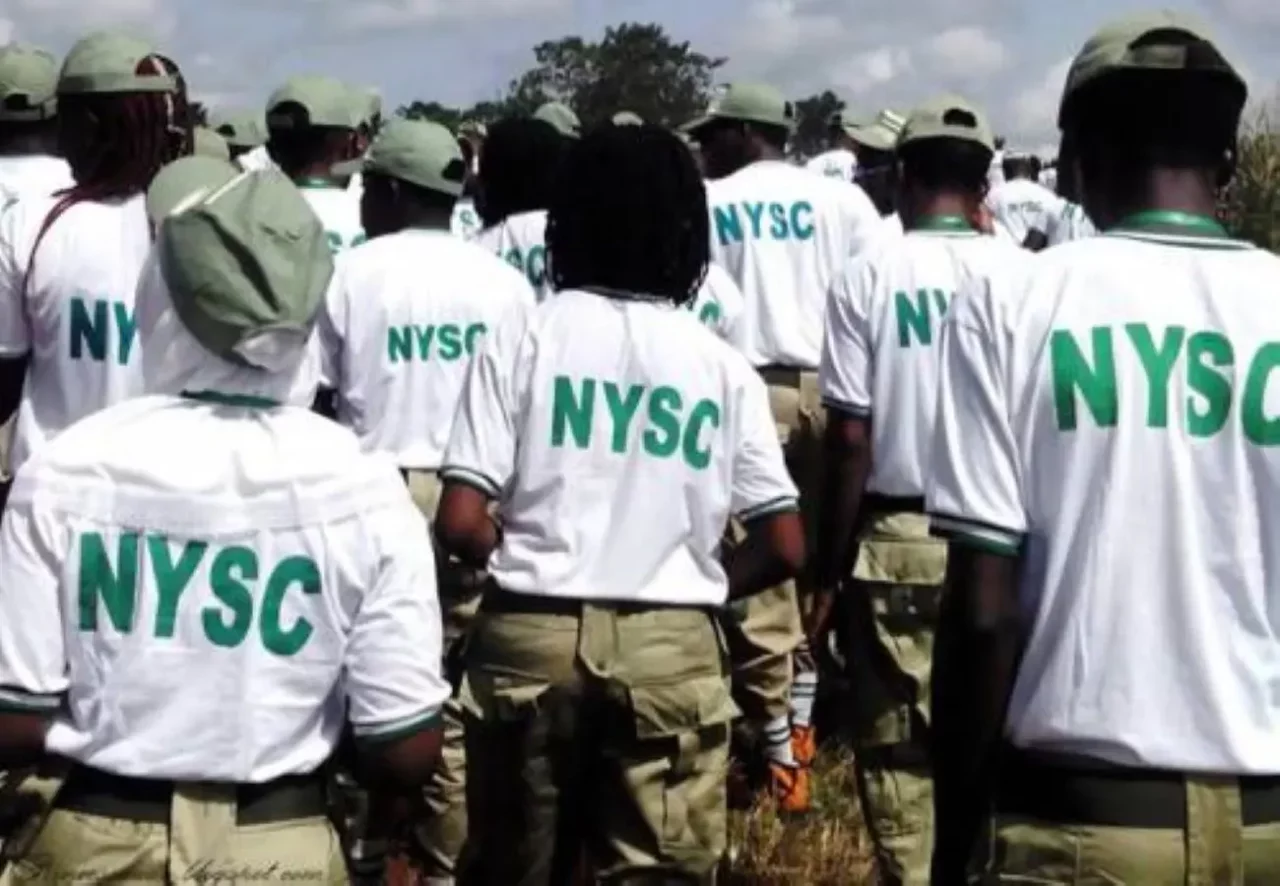
An unspecified number of travellers, including National Youth Service Corps members, have reportedly been abducted by armed men along the Owerri-Onitsha Expressway in Imo State on Thursday, October 1.
The incident reportedly occurred around 5:30am when at least two commercial buses were attacked, with passengers allegedly robbed and taken into the bush. The exact number of people affected remains unclear.
According to reports and videos circulating online, some of the passengers were corps members who had departed from Samonda, Ibadan, in buses operated by Uko Akwa Ibom Motors.
The corps members were reportedly travelling to their assigned orientation camps in states across the South-East and South-South, including Akwa Ibom, Enugu, Imo and Abia.
An eyewitness, in a video shared online, said the attackers intercepted buses travelling from Lagos towards Anambra State and took passengers into the bush after dispossessing them of their belongings.
“Good morning, my fellow Nigerians. I am reporting from the Owerri-Onitsha Road. This happened this morning,” the eyewitness said.
He added that security personnel had arrived at the scene, while soldiers reportedly entered the bush in an attempt to locate and rescue the victims.
“The police came this morning, and the army has already entered the bush to see if they can rescue the victims,” he said.
Footage from the scene showed two buses abandoned by the roadside, with one bearing the inscription “Uko Akwa Ibom Motors Nig. Ltd” and the number Uko/133.
The reported attack has heightened concerns among families whose relatives were travelling to NYSC orientation camps in different parts of the South-East and South-South.
In a separate video shared by Agidigbo FM Ibadan, a distressed woman appealed for assistance, saying her daughter was among the corps members whose whereabouts had become unknown.
According to the woman, her daughter left the Samonda park in Ibadan on Wednesday alongside other corps members travelling to the eastern part of the country.
She said the family received a message from her daughter in their WhatsApp group shortly after 6am on Thursday. The message reportedly contained the word “kidnapper”, after which her daughter’s phone became unreachable.
Describing the family’s distress, the woman said: “Since past 6am, I have not been able to hear from my child, and we couldn’t get her exact location anymore. Please, federal government, help us. I only have the two of them.”
She identified the missing corps member as Kehinde and said her twin sister, Taiwo, had already arrived in Enugu for her orientation camp.
Other relatives reportedly visited the park where their loved ones had boarded buses in Ibadan as they sought information about the missing travellers.
However, the identities and number of people allegedly abducted, as well as their current whereabouts, remained unclear at the time of reporting.
The Imo State Police Command had yet to issue an official statement confirming the incident. Its spokesperson, Henry Okoye, had also not responded to requests for comment at the time of the reports.
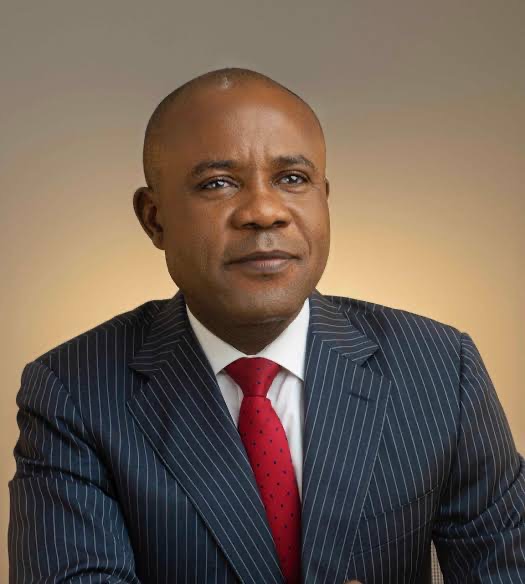
In commemoration of Nigeria’s 66th independence anniversary, Governor Peter Mbah of Enugu State has approved the pardon, release, and commutation of sentences of 13 inmates of the Nigerian Correctional Centres, Enugu State.
This is in the exercise of his power of Prerogative of Mercy under Section 212 of the 1999 Constitution (as amended) and in consultation with the Advisory Council on Prerogative of Mercy, Enugu State.
According to a statement released by the Mbah’s media aide, Uche Anichukwu, on Independence Day, the Governor’s approval was conveyed to the Comptroller, Nigerian Correctional Service, Enugu State Command by the Chief of Staff to the Attorney General and Commissioner for Justice, Barr. Osinachi Nnajieze.
The beneficiary inmates are Kenneth Ozioko, Moses Saliyat, Promise Ndudim Olung, Chijioke Ugwu, Samuel Ani, and Eugene Odo.
Others are Celsus Emeachi, Caleb Jatto, Calistus Eze, Gabriel Onu, Timothy Ani, Ernest Okeke, and Ejike Nwodo.
While some of the inmates were pardoned and released, some had their death sentence commuted to life imprisonment.
Mbah’s decision was predicated on reports of ill health and or proven reform in character, and following recommendation by the Correctional Services to the Advisory Council on Prerogative of Mercy, chaired by the State Attorney-General and Commissioner for Justice.
Membership of the Council equally comprises representatives of the Nigerian Correctional Service, Carmelite Prisoners Interest Organisation (CAPIO), and the Catholic Institute for Development, Justice and Peace (CIDJAP), among other reputable bodies in the justice sector.
Section 212 (1) of the 1999 Constitution (as amended) provides that: “The Governor may (a) Grant any person concerned with or convicted of any offence created by any law of a state a pardon, either free or subject to lawful conditions; (b) grant to any person a respite, of the execution of any punishment imposed on that person for such an offence; (c) substitute a less severe form of punishment for any person for such an offence; or (d) remit the whole or any part of punishment for any punishment imposed on that person for such any offence or of any penalty forfeiture otherwise due to the state on account of such an offence.”
Section 212 (2), however, provides that the powers of the governor under subsection (1) shall be exercised after consultation with an advisory council of the state on the prerogative of mercy as may be established by law of the state.
-
 News3 days ago
2027: How Atiku told me to persuade Peter Obi to accept VP slot – Babachir Lawal Ex-SGF Babachir Lawal
-
News2 days ago
Ojukwu Property Dispute: OTL petitions IGP over demolition, construction at Macpherson Avenue Property
-
News1 day ago
Fuel Price Hike: Workers to begin strike in October
-
News2 days ago
‘I’m strong, ready to work’ – Tinubu speaks after return from vacation
-
News22 hours ago
We can’t erase decades-long problems in 4 years, says Tinubu
-
News2 days ago
Xenophobia: Nigerian Consulate condemns killing of three Nigerians in South Africa
-
News2 days ago
Military records 367 attacks, kills 52 terrorists in September
-
News1 day ago
Enugu leads as four states cut domestic debt by over 20% in six months