Politics
APC wins 21 LG chairmanship, 239 councillorship seats in Kogi


The ruling All Progressives Congress, (APC), in Kogi state has cleared the 21 chairmanship positions and the 239 Councillorship seats in the Saturday Local Government elections in the state.
Announcing the final results, late Saturday night, the chairman of the Kogi State Independent Electoral Commission, (KOSIEC) Mamman Nda Eri, commended the people of the state for the peaceful conduct of the polls.

The KOSIEC chairman noted that results had earlier been declared on the field by the various Local Government returning officers for the election.
He added that the Commission had ensured timely deployment of election materials to the various pulling units across the state which he said was largely responsible for the hitchi-free exercise.
According to him, in all the places visited along side his officials, the electoral Officer ensure that the election was free, transparent on strict adherence to the guidelines and the modalities adopted were acceptable to the electorates irrespective of their political divide.

Eri , while thanking the security agents for ensuring compliance with the guidelines, also commended Journalists for keeping vigil from the commencement of the exercise to to the declaration of results.
The chairman called on the newly elected local government officials to justify the confidence reposed on them by delivering the dividends of democracy to the people of the state in their various councils.
“As elected officials, you must justify the confidence reposed on you by the electorates by taking advantage of the autonomy grant the Local Governments by the supreme court to deliver the dividends of democracy to your people.
“I must also thank the governor, Alhaji Ahmed Usman Ododo for the support he gave to the commission in terms logistics, ensuring a level playing fields for all the participating political parties and creating the enabling environment, which resulted in a peaceful, credible and transparent election across the state.
” As we earlier promised, the Commission carried along all stakeholders, includes the civil society groups in the state and outside the state, from the beginning to the end to ensure a credible exercise, whose out Will not only be acceptable to the people, but meets national and international best practices in the conduct of elections.
Reacting to the exercise, the Apex civil society organization in the state, the Kogi NGOs Network, (KONGONET), said the election was conducted in a generally peaceful atmosphere, which they said is commendable.
In the post election statement signed by the Chairperson of the group, Ambassador Idris Ozovehe Muraina, said they noted instances of late arrival of election materials in some polling units, particularly in Lokoja, the state capital, but however noted that reports from Ajaokuta, Ijumu, Olomaboro, Adavi, Okene and other local government indicated timely arrival of materials in some polling units, contributing to a smooth electoral process in those areas.
While noting that the overall process displayed modest improvement compared to previous elections, he however said there are critical areas that require attention and improvement.
Ambassador Idris listed those areas to include, the insufficient visibility of the voter register at polling units, which hindered voter verification, Ensuring the early arrival of election materials to all polling units which he said is essential for a seamless voting experience.
Speaking further he said, “While we commend the robust deployment and availability of security personnel across most polling units visited. Strict adherence to movement restrictions must be enforced to maintain order, integrity and encourage voter turnout during the election process in future engagement.
The group added that the commission needed to up its game in the area of publicity and Sensitization of Voters to improve election turnout.
Ambassador Idris concluded that “the electoral process observed thus far indicates a positive trend towards improvement, particularly in KOSIEC’s engagement with civil society. However, to enhance the integrity and efficiency of future elections, we urge the electoral commission to address the highlighted areas for improvement
A member of the main opposition party in the state, Eseyin Oluwakayode Emmanuel, a
PDP Youth Leader in Kabba Bunu Local Government also praised the process put in place by the State Independent Electoral Commission in today’s election, which he said was largely responsible for the free fair, credible and transparent LG elections.
The PDP Youth leader described the peaceful conduct of the election as commendable, pointing out that lessons learnt in previous elections has served as a guide for KOSIEC, saying there was a great departure from the past.
He advised the opposition parties always come out enmass to vote for their preferred candidates, instead of staying away, insisting that the electoral body has justified the confidence reposed on them.
The Youth leader described the massive turnout in the area as an indication that the people want to elect their representatives and not selected for them as was the case in the past.
ELECTED NEW COUNCIL CHAIRMEN AND VICE CHAIRMEN IN 21 LGA OF KOGI STATE
1. Adavi – Hon. Rasheed Okatengwu Chairman, Hon. Hawawu Aanazuo Vice Chairman
2. Ajaokuta – Hon. Haruna Aliyu Chairman, Hon. Zainab Salihu Vice Chairman
3. Ankpa – Hon. Adamu Yahaya Chairman, Hon. Halimat Ima Vice Chairman
4. Bassa – Hon. Adama Theophilus Daruwana Chairman, Hon. Aisha Aliyu Vice Chairman
5. Dekina – Hon. John Urah Chairman, Hon. Rashida Abdullahi Vice Chairman
6. Ibaji – Hon. Emmanuel Onuche Chairman, Hon. Victoria Okolo Vice Chairman
7. Idah – Hon. Alfa Halilu Chairman, Hon. Nafisetu Oseni Vice Chairman
8. Igalamela/Odolu – Hon. Cosmos Atabor Chairman, Hon. Khadijat Muhammed Vice Chairman
9. Ijumu – Hon. Haruna Ibrahim Chairman, Hon. Olumiyiwa Tunde Vice Chairman
10. Kabba/Bunu – Hon. Barr. Zacheaus Dare Chairman, Hon. Bosede Olumeyan Vice Chairman
11. Kogi – Hon. Musa Abdulmalik Chairman, Hon. Rabiyat Yusuf Adam Vice Chairman
12. Lokoja – Hon. Abdullahi Adamu Chairman, Hon. Patricia Balogun Vice Chairman
13. Mopa-Muro – Hon. Ademola Bello Chairman, Hon. Dalumo Joy Dada Vice Chairman
14. Ofu – Hon. Musa Muhammed Lawal Chairman, Hon. Joy Ojali Amaga Vice Chairman
15. Ogori/Magongo – Hon. Rosemary Ohiezuchah Chairman, Hon. Williams Alao Vice Chairman
16. Okehi – Hon. Amoka Monday Chairman, Hon. Halimat Abdulwahab Vice Chairman
17. Okene – Hon. Enesi Ahmed Nuhu Chairman, Hon. Mabel Ovaiozao Vice Chairman
18. Olomaboro – Hon. Ameh Williams Chairman, Hon. Christiana Oguche Vice Chairman
19. Omalla – Hon. Edibo Mark Chairman, Hon. Adijetu Usman Vice Chairman
20. Yagba East – Hon. Joshua Dare Monday Chairman, Hon. Kudirat Abdulraheem Vice Chairman
21. Yagba West – Hon. Olokun Tosin Chairman, Hon. Roseline Adebayo Mayowa Vice Chairman













…Promises to prioritise roads, agriculture, education, electricity and peace
IYANO, Kogi State — The African Action Alliance(AA) candidate for the Kogi State House of Assembly seat representing Ibaji Local Government Area, Ugbaje Friday, has unveiled a development agenda focusing on road infrastructure, agriculture, education, electricity and peaceful coexistence among communities.
Friday, who hails from Iyano Ward in Ibaji, said his proposed legislative agenda would address critical challenges confronting residents and promote economic growth and improved public services across the local government.
Roads, Flooding and Rural Connectivity
The AA candidate identified poor road infrastructure and recurrent flooding as major obstacles to transportation, trade, education, healthcare delivery and other economic activities in Ibaji.
He said he would advocate the construction and rehabilitation of roads designed to withstand flooding and improve connectivity among communities.
According to him, better road networks would ease movement, improve access to essential services and enable farmers to transport their produce to markets more efficiently.
Agriculture and Economic Development
Highlighting agriculture as a major source of livelihood in Ibaji, Friday said he would pursue policies and legislative initiatives to strengthen the sector and support local farmers.
He noted that the area produces rice, yam and other agricultural commodities, adding that attention should also be given to processing, storage, transportation and market access to reduce post-harvest losses and improve farmers’ earnings.
He said a stronger agricultural value chain could create economic opportunities and support the growth of local enterprises.
Education and Electricity
Friday also pledged to make education a priority, promising to advocate improved school infrastructure and increased government investment in the education sector across Ibaji.
On electricity, he said he would seek government intervention to address persistent power supply challenges, noting that provision of electricity would benefit households, schools, healthcare facilities and small businesses.
He maintained that access to essential infrastructure and public services was critical to improving living standards and accelerating development in the area.
Peaceful Coexistence and Conflict Resolution
Addressing the issue of communal conflicts, the AA candidate said dialogue, reconciliation and cooperation would be central to his approach to promoting peace in Ibaji.
He pledged to work with traditional rulers, community leaders, youth groups, women’s organisations, security agencies and relevant government institutions to address the causes of disputes and encourage peaceful resolutions.
Friday stressed that sustainable development would be difficult to achieve without peace and cooperation among communities.
Constituency Projects and Legislative Priorities
The candidate said that, if elected, he would seek to facilitate constituency projects in critical sectors, including roads, education, healthcare, water supply, electricity and agriculture.
He also pledged to sponsor bills and support legislative measures aimed at addressing the needs of Ibaji residents and advancing their welfare.
He listed infrastructure development, agricultural support, education, electricity, community peace and effective constituency representation among the key areas of his proposed legislative agenda.
Calls for Credible Electoral Process
With the Kogi State local government council elections scheduled for October 17, 2026, Friday called on the Kogi State Independent Electoral Commission to ensure a transparent, credible and lawful electoral process.
He urged the electoral body to adhere to established procedures, ensure proper counting of votes and protect the integrity of the election.
The AA candidate also appealed to residents of Ibaji to support his candidacy and participate actively in the democratic process as he seeks to represent the local government in the Kogi State House of Assembly.
He said his campaign would remain focused on the interests of the people, peaceful coexistence and sustainable development.
For enquiries and further engagement:
* Email: morphyhillary@gmail.com
* Phone: 08038275895
Ugbaje Friday is the African Action Congress candidate seeking election to represent Ibaji Local Government Area in the Kogi State House of Assembly.
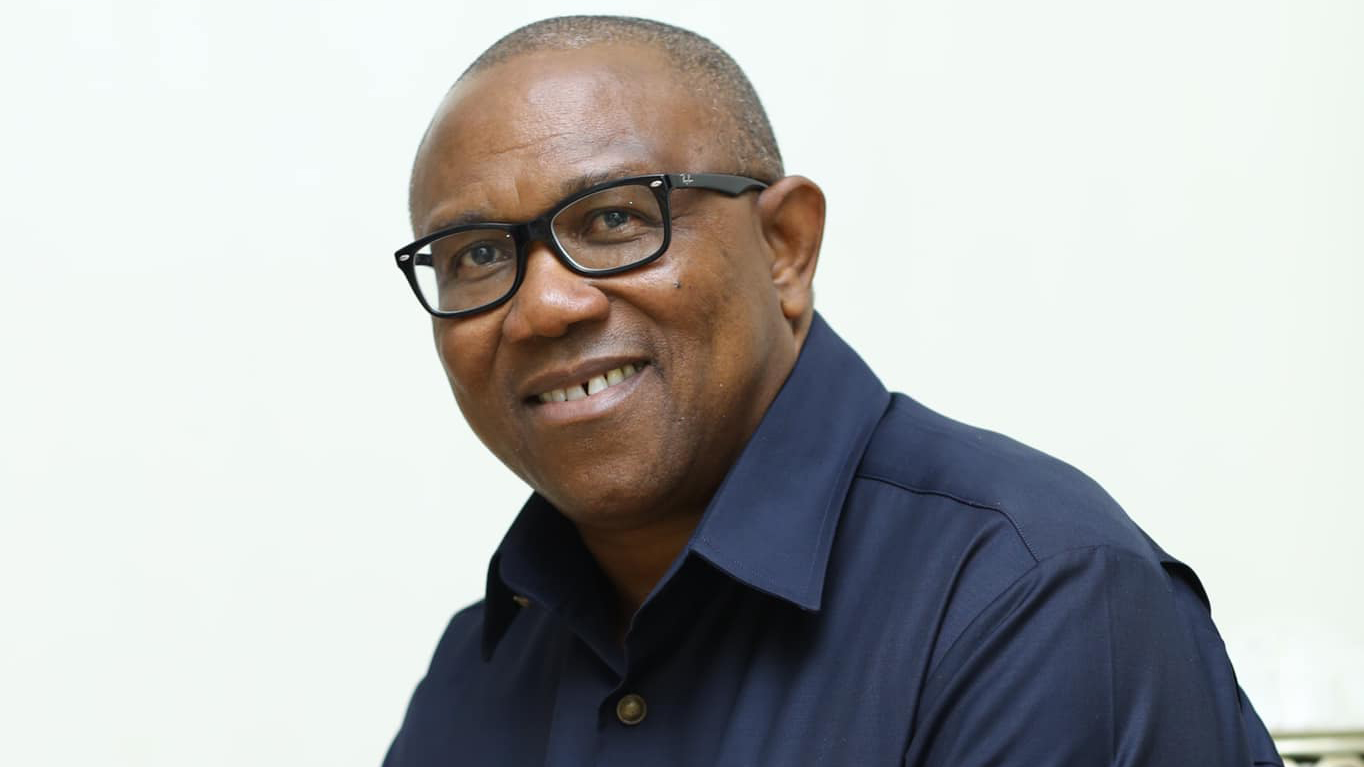
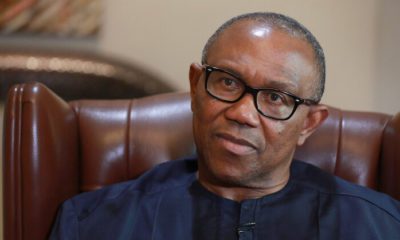
The Peter Obi Media Office has accused Vice-President Kashim Shettima of applying double standards in his treatment of opposition leaders, questioning why he would demand respect for former Vice-President Atiku Abubakar while reportedly describing Peter Obi as “diminished”.
In a statement issued on Sunday, October 18, 2026, the spokesman of the Peter Obi Media Office, Idris Zekeri Jnr., criticised Shettima’s reported remarks, describing them as contrary to the principles of political decency and mutual respect.
The office said the apparent contrast between Shettima’s call for respect for Atiku and his alleged disparagement of Obi raised questions about consistency, political tolerance and the treatment of opposition figures in Nigeria’s political space.
Zekeri argued that although Shettima had the right to disagree with Obi politically, such differences should not prevent him from extending the same courtesy he demanded for Atiku to other opposition leaders.
“Although Shettima has the right to oppose Obi, it is difficult to understand why he would demand respect for one opposition leader while casually dismissing another,” the statement said.
The media office questioned what it described as selective respect, insisting that political disagreements should not determine which opposition figures deserve dignified treatment.
According to the statement, the issue was not whether Shettima supported Atiku or opposed Obi, but whether the principle of respecting political opponents should apply equally, regardless of their regional backgrounds, political affiliations or electoral ambitions.
The office also maintained that Obi had conducted his political engagements with decorum, focusing on governance and public policy rather than personal attacks against political opponents.
It challenged Shettima to compare their respective records as former governors of Borno and Anambra states, claiming that Obi’s performance in key areas of governance surpassed that of the Vice-President.
The statement highlighted Obi’s record in fiscal discipline and investments in education and healthcare during his tenure as governor of Anambra State, arguing that his achievements should be assessed on the basis of verifiable facts.
It urged Shettima to provide evidence to counter Obi’s record if he disagreed with the former Anambra governor’s achievements, rather than resorting to personal descriptions.
“If Shettima contests any aspect of Obi’s record, he should present the facts rather than resort to political name-calling,” the statement added.
The media office further called on political leaders from the South-East, particularly members of the All Progressives Congress (APC), to reflect on the implications of the Vice-President’s reported comments.
It criticised South-East political figures who had allegedly shown disrespect towards Obi, arguing that political loyalty should not come at the expense of defending the dignity of fellow Nigerians.
The office insisted that no political affiliation should justify a situation in which respect was demanded for one opposition leader but withheld from another.
“Nigeria needs a contest based on records and ideas, not selective respect and political denigration,” the statement said.
It added that the Nigerian electorate, rather than political rhetoric or dismissive remarks by public office holders, would ultimately determine Obi’s political relevance.

The All Progressives Congress (APC) has won all chairmanship and councillorship positions in the just-concluded local government election in Kogi State.
The Chairman of the Kogi State Independent Electoral Commission (KOSIEC), Mamman Nda Eri, announced the results at the commission’s secretariat in Lokoja.
Speaking after the announcement, Eri emphasised that elections should not be seen as battles between enemies but as democratic contests among citizens with a shared destiny.
He noted that although political parties might differ in ideology and approach, the people of Kogi State had a collective responsibility to sustain peace and promote the development of the state.
The KOSIEC chairman urged residents to remain peaceful, law-abiding and united to accelerate the state’s development.
According to him, the election has produced representatives who now face the greater responsibility of building stronger communities and improving the living conditions of the people.
Eri also reaffirmed the commission’s commitment to protecting the integrity of the electoral process and strengthening grassroots democracy in the state.
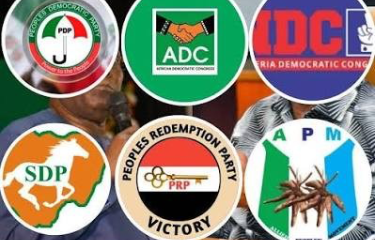
Thirteen political parties participated in the local government election, which was described as generally peaceful across Kogi State.
-
 News22 hours ago
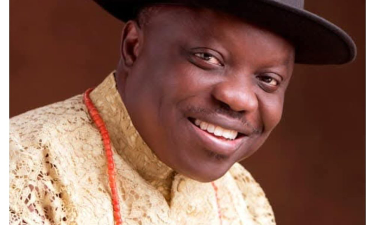
JUST IN: Former Delta Governor, Uduaghan, dies
-
Faith2 days ago
Awka Anglican Diocese Rejects Ibezim’s Suspension, Threatens to Leave Church of Nigeria
-
News3 days ago
BREAKING: Mbah Extends Enugu Movement Restriction to 10pm, Scraps Keke Ticketing
-
Politics2 days ago
Nigeria’s Weak Opposition and the Cost of One-Party Dominance: Can the Opposition Rebuild Before 2027?
-
News3 days ago
2027: Keke Riders Endorse Mbah, Tinubu
-
News22 hours ago
Federal High Court Upholds ENSSAA’s N150m Political Campaign Billboard Fee, CTC Reveals
-
News1 day ago
Corruption turning Nigerian Courts to ‘market stalls’ — Retired Justice Augie
-
Politics1 day ago
AA Assembly Candidate, Ugbaje Friday, Unveils Development Agenda for Ibaji