..Reiterates Enugu’s zero tolerance for political violence
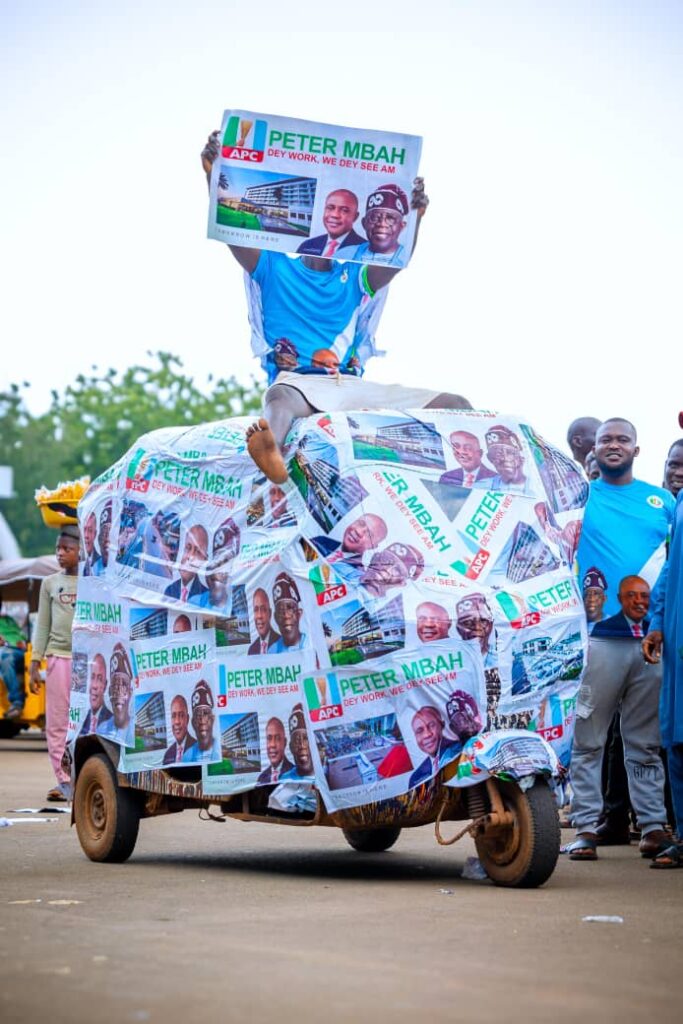
The Tricycle Riders Association of Enugu State has endorsed the state governor, Dr. Peter Mbah, for a second term in office, citing improved security, road infrastructure, and social amenities in the state.
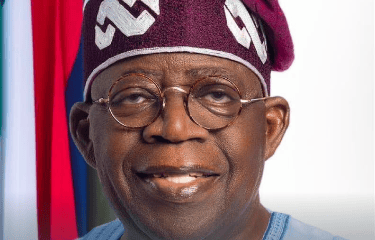
The association, popularly known as Keke Riders, also endorsed President Bola Tinubu, citing the Enugu–Onitsha Road, Enugu–Port Harcourt Expressway, New Artisan Bridge, Obinagu Flyover, and strategic appointments.

This was even as Governor Mbah scrapped the N750 daily payment by tricycle operators and also extended their operational time from 9pm to 10pm.
Mbah also said they would continue to operate at no cost at all the state’s modern transport terminals.
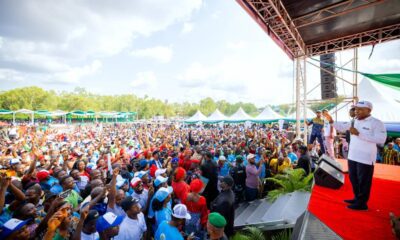
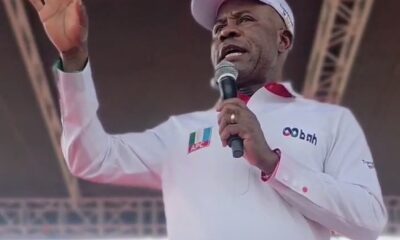
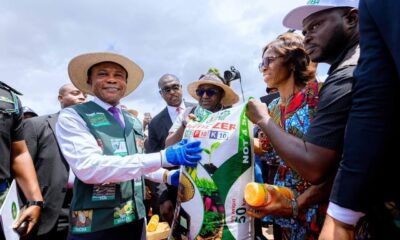
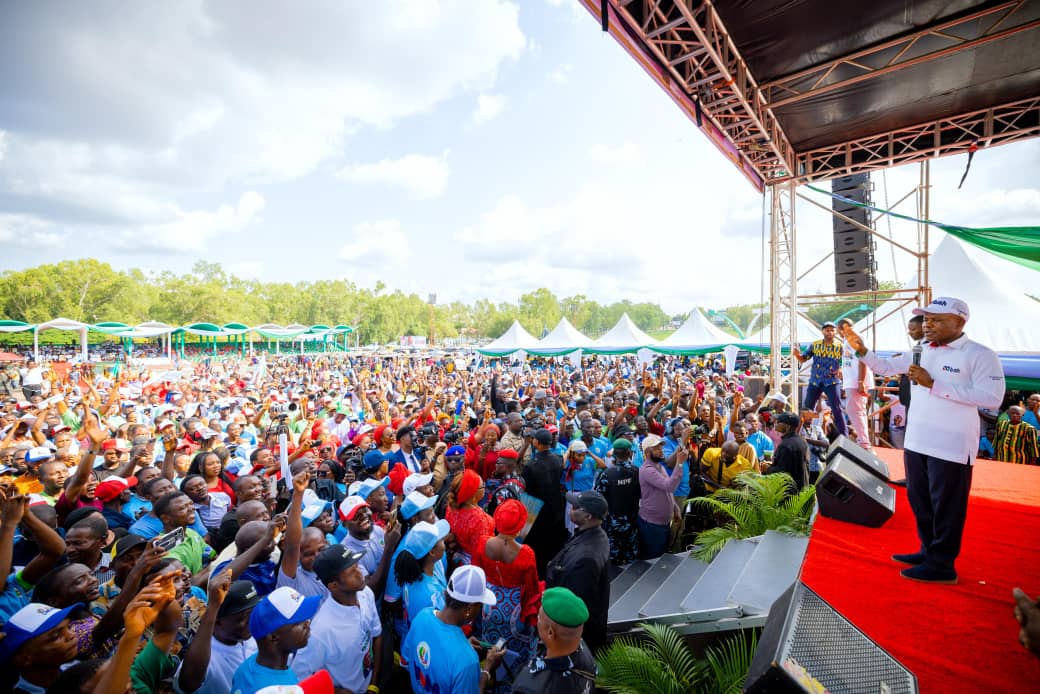
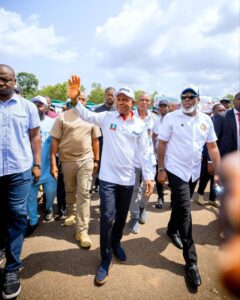
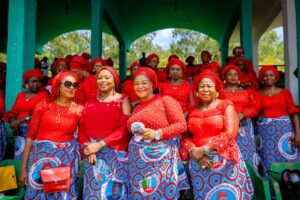
Leading the endorsement at Okpara Square, Enugu, during the conclusion of a “One Million March” event on Saturday, the state Chairman of the Tricycle Riders Association of Nigeria, Comrade Kingsley Edeh, said the endorsements were predicated on achievements, especially those that have impacted the lives and businesses of tricycle riders, their families, and the people of Enugu State in general.
“Which will we reel out and leave the other? Is it the security and good roads, which now enable us to ply our trade without any problems, the 267 Smart Green Schools, the completion of long-abandoned projects such as the International Conference Centre, Nigergas Limited, Sunrise Four Mills, Hotel Presidential, and many more?
“We can also see the infrastructure President Tinubu is building in the South East and the support he is giving to our governors.
“So, we will vote APC from top to bottom come 2027,” he declared.
Corroborating the position of the Tricycle Riders Association in Enugu, the body’s National Secretary, Comrade Sunday Enang, described Mbah as a ‘magician’ in the art of governance, stressing that no governor anywhere had done what he was able to accomplish in three years.
“Your ‘Tomorrow Is Here’ vision is evident in the construction of modern transport terminals, the establishment of Enugu Air, investment in an asphalt plant, intra- and inter-city road construction, and efforts to improve traffic flow and urban transportation.
“These initiatives are promoting safer, more organised, and more efficient movement across the state.
“We also commend the policy allowing tricycle operators to use designated terminals without paying toll fees. This support recognises their contribution to the economy and the livelihoods of thousands of families.
“These practical policies reflect disruptive innovation and demonstrate how effective leadership can turn vision into tangible opportunities,” he said.
In his response, Mbah described tricycle operators as critical players in the state’s economy, stressing that while his administration was focused on growth, it was equally determined to eradicate poverty, hence the various interventions to increase their disposable incomes.
“You are the powerhouse of our economy because you set out early in the morning, working long hours, navigating traffic, taking our workers to work, taking our students to school, moving our people from urban areas to rural communities, connecting businesses, and helping traders get to their businesses. A lot of people earn their living because of what you do.
“But we also see your struggles. So, I have started engaging with your executives on how we can make life better for you. As the Managing Director of the Transport Terminal just said, no more payment by our tricycle riders at any of the transport terminals.
“Let me also recognise something. Our government, as you know, is not just about growth. We are also interested in ending poverty and making sure that you have more money or disposable income to take care of your family. And so, the issue of tickets is sealed. No more tickets for you.
“Again, when we came into the office in 2023, we inherited a curfew on tricycle operators such that they could only operate from 6am to 9pm. There was a sit-at-home, but we have ended that with your support. Today, Enugu State is safe. So, we will be shifting your operational time limit from 9pm to 10pm,” he said.
While acknowledging their commendation for the rapid construction of roads, Mbah said this was part of the government’s deliberate steps to increase their disposable incomes by reducing their spending on repairs, assuring them that his administration would construct and reconstruct all the remaining 1,022 urban roads in the state.
“Because I understand how bad roads can be terrible, not only for your tricycles and the money you spend on repairs, but also for the time you spend at the mechanic, all the roads in Emene, Abakpa, Idaw River, Trans-Ekulu, Awkunanaw Area, Coal Camp, New Haven, Thinkers Corner, Uwani, among others, are paved or being paved.
“I can assure you that there will be no road in our city that will be unpaved. We are going to pave all the remaining 1,022 roads,” he emphasised.
Meanwhile, Mbah has vowed that his administration would take every step within the law to preserve the security and peace that the people of Enugu had worked to build in the state.
“You must treasure it. You must protect it. Enugu is on an upward trajectory. We will not allow those deceptive voices and politicians who campaign in poetry but only govern in prose. With our government, you have experienced real development and real growth.
“Let me also warn that we have worked extremely hard to establish a safe state. Nobody, no matter their ambition, will take that away from us. And we will not stop at anything, deploying all means necessary within the law to bring to book any violator or anybody who tries to import thugs to disrupt the peace and public safety we enjoy in this city and this state. We have zero tolerance for violence.”
He enjoined the people to make good their endorsements by getting their PVCs ready for the 2027 elections and voting massively for him, all APC candidates, and President Bola Tinubu, whose policies, he said, ensured the availability of resources to execute the numerous projects they listed.
Other speakers at the event were the Enugu State Chairman of the APC, Dr. Martins Chukwunweike; Grand Patron of the Enugu State Traditional Rulers Council, HRH Igwe Greg Ugwu; and the Managing Director, Enugu East Zone Transport Terminals, Dr. John Egbo.