News
Poverty level rises to 63% after Fuel Subsidy removal — Report

About 63 per cent of Nigerians fell below the poverty line after the removal of petrol subsidy, according to a new study that examined the welfare impact of the country’s recent economic reforms.
The research, presented at a stakeholders’ dialogue organised by Agora Policy in Abuja on Thursday, showed that the national poverty headcount rose sharply from a baseline of about 49.8 per cent to roughly 63 per cent following the subsidy removal before moderating slightly after the introduction of social protection measures.

The dialogue, themed “Sustaining and Deepening Economic Reforms in Nigeria,” brought together policymakers, economists, civil society leaders, and private sector representatives to examine the effects of the Federal Government’s reform agenda.
Among those present were the Deputy Governor for Economic Policy at the Central Bank of Nigeria, Dr Muhammad Abdullahi; the Special Adviser to the President on Finance and Economy, Ms Sanyade Okoli; the World Bank Senior Economist for Nigeria, Dr Samer Matta; the Country Director of CARE International, Dr Hussaini Abdu; and the Executive Director of Agora Policy, Waziri Adio, among others.
The study, presented by a Senior Lecturer at the Department of Economics, University of Abuja, Dr Mohammed Shuaibu, analysed the economic and social consequences of key reforms introduced by the Federal Government, including the removal of petrol subsidy and adjustments in electricity tariffs.

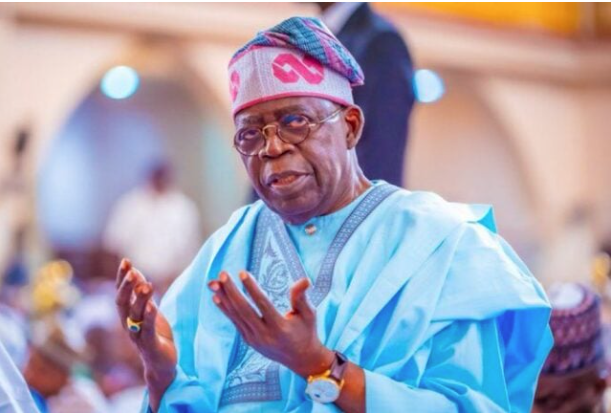
President Bola Tinubu had announced the end of petrol subsidy during his inaugural address on May 29, 2023. According to the study, the policy triggered broad price increases across the economy and significantly affected household welfare. “After the subsidy removal, poverty increased from a baseline of about 50 per cent to 63 per cent,” Shuaibu said.
He added that the introduction of social protection measures helped moderate the impact but did not fully reverse the deterioration in welfare conditions. “However, when social protection measures such as cash transfers were introduced, the poverty rate moderated to around 56.2 per cent,” he said.
The findings indicated that the immediate effects of the reform were unevenly distributed across different income groups. While high-income households remained largely insulated from the shocks, low-income households experienced the most severe erosion of purchasing power.
Data from the study showed that poverty among low-income households rose sharply from about 50 per cent before subsidy removal to roughly 63 per cent afterwards, while the national poverty gap widened significantly.
The poverty gap at the national level increased from 31.6 per cent to more than 45 per cent following the policy change, indicating a deeper level of deprivation among poor households.
Although social transfers slightly reduced the gap, the improvement remained limited due to delays in the rollout of intervention programmes and the relatively small scale of support provided.
The study also assessed how the reforms affected household consumption patterns. According to the findings, consumption levels declined across income groups following the removal of the subsidy and the adjustment of electricity tariffs.
“Across the board, household consumption declined following both the subsidy removal and electricity tariff adjustments. However, social transfers helped cushion the impact, especially for low-income households,” Shuaibu said.
The analysis showed that the effect on consumption was particularly pronounced among rural and low-income households, where rising energy and transport costs significantly reduced spending capacity.
Households in urban low-income groups also experienced declines in consumption, although the impact was somewhat moderated where social transfers were introduced.
Beyond household welfare, the research also examined the broader macroeconomic consequences of electricity tariff reforms.
The study found that electricity tariff adjustments resulted in a modest increase in consumer prices, initially raising prices by about 0.26 per cent, which later rose to roughly 0.52 per cent after the inclusion of social protection measures.
However, the electricity reform produced a small positive impact on economic output. According to the analysis, real Gross Domestic Product increased by about 0.42 per cent under the reform scenario before moderating to around 0.21 per cent when social protection programmes were factored into the model.
Firm-level investment also recorded slight gains following electricity tariff adjustments, although these improvements were partly offset by the cost of implementing social protection measures.
In contrast, the removal of the petrol subsidy had a contractionary effect on economic activity. The study showed that rising fuel prices and transport costs triggered inflationary pressures that weighed on business activity and investment.
Beyond the quantitative modelling, the research incorporated insights from focus group discussions conducted across Nigeria’s six geopolitical zones. These discussions involved households and businesses and provided qualitative evidence on how Nigerians were coping with the economic changes.
Participants generally acknowledged the need for reforms given the country’s fiscal and macroeconomic challenges, but many criticised the speed at which the policies were introduced.
Households reported that the reforms rapidly eroded purchasing power and forced many families to adopt survival strategies. “Households adjusted to the shocks not through recovery but through sacrifice,” Shuaibu said.
According to the study, many households responded by cutting consumption, reducing transport use, rationing electricity, and borrowing money to meet basic needs. Several respondents also said they had received little or no assistance from government support programmes designed to mitigate the effects of the reforms.
Businesses reported similar difficulties, noting that rising fuel and electricity costs significantly increased operating expenses. Some firms said they had been forced to raise prices, reduce staff strength, or shut down operations entirely.
Others reported switching to alternative energy sources to cope with rising electricity tariffs and fuel costs. However, many business owners said that promised government support programmes had either not reached them or were insufficient to offset rising costs.
The study concluded that while the reforms were necessary to correct structural distortions in the Nigerian economy, their implementation created severe short-term shocks.
Providing a monetary policy perspective at the dialogue, the Deputy Governor of the CBN for Economic Policy, Muhammad Abdullahi, said the reforms became unavoidable because the Nigerian economy had been weakened by deep structural distortions.
“Nigeria faced severe macroeconomic imbalances, economic distortions, and collapsing revenues before major reforms began,” he said.
According to Abdullahi, the country had suffered a dramatic decline in oil revenue over the past decade.
He disclosed that earnings from crude oil fell from about $92bn in 2012 to less than $2bn in 2023, representing a decline of nearly 98 per cent in expected revenue during the period.
The situation, he said, contributed to severe fiscal pressure and made policy reforms unavoidable. The CBN official also noted that Nigeria inherited major distortions in the foreign exchange market, including multiple exchange rate windows that encouraged arbitrage.
According to him, the subsidy regime and exchange rate distortions together were estimated to have cost the Nigerian economy about six per cent of its Gross Domestic Product.
Abdullahi also disclosed that the CBN inherited a backlog of about $7bn in foreign exchange obligations owed to businesses and investors. He said the apex bank had already cleared about $4.5bn of the backlog in an effort to restore confidence in the financial system.
He added that restoring confidence in the foreign exchange market and improving oil sector performance were critical to stabilising the economy. Abdullahi also said Nigeria’s foreign reserve position was weaker than it appeared before the reforms.
Although official reserves were reported to be about $32bn, he explained that much of the funds consisted of borrowed resources and swaps, leaving the country with net reserves of only about $800m.
Despite the difficult transition, he said the reforms were beginning to produce early results. According to him, inflation has been declining steadily for about 19 months, while food inflation is currently at its lowest level in about 13 years.
He added that Nigeria was gradually moving towards single-digit inflation, something the country has not achieved in more than a decade. Abdullahi further stated that net foreign reserves had improved significantly, rising from about $800m to roughly $32bn, a development he said had strengthened international investor confidence.
He also pointed to rising non-oil exports, which reached about $6bn last year, with the government targeting $12bn in the near future.
Also speaking at the dialogue, the Director-General of the Lagos Chamber of Commerce and Industry, Dr Chinyere Almona, said the reforms had corrected several long-standing distortions but had also placed heavy pressure on businesses.
Almona noted that the removal of petrol subsidy alone could save the government about $7.5bn annually, which should be invested in infrastructure and human capital development. “For the private sector, what we want to see is that the savings from the fuel subsidy removal are actually being used to fund infrastructure,” she said.
She explained that rising fuel prices had significantly increased electricity generation costs for businesses. Almona added that while macroeconomic indicators such as reserves and the balance of payments had improved, many Nigerians had yet to experience the benefits.
“The economy is improving at the macro level, but that improvement has not trickled down to the common man and many small businesses,” she said.
She therefore urged the government to introduce complementary policies that would support businesses, including improved access to credit and targeted assistance for small and medium-sized enterprises.
The Chair of Agora Policy, Ojobo Ode Atuluku, said the dialogue was organised to promote evidence-based discussion on Nigeria’s reform agenda. He explained that the initiative was supported by the Nigeria Economic Stability and Transformation programme and the United Kingdom’s Foreign, Commonwealth and Development Office.
World Bank economist Samer Matta urged the government to expand social protection programmes and strengthen the National Social Register to ensure that assistance reaches vulnerable populations quickly.
He added that sustained dialogue and stronger safety nets would be critical to maintaining public support for Nigeria’s economic reforms and ensuring that growth becomes more inclusive.











News
BREAKING: El-Rufai Tests Positive for Drug-Resistant Bacteria, Shows Signs of Possible Severe Infection—Report
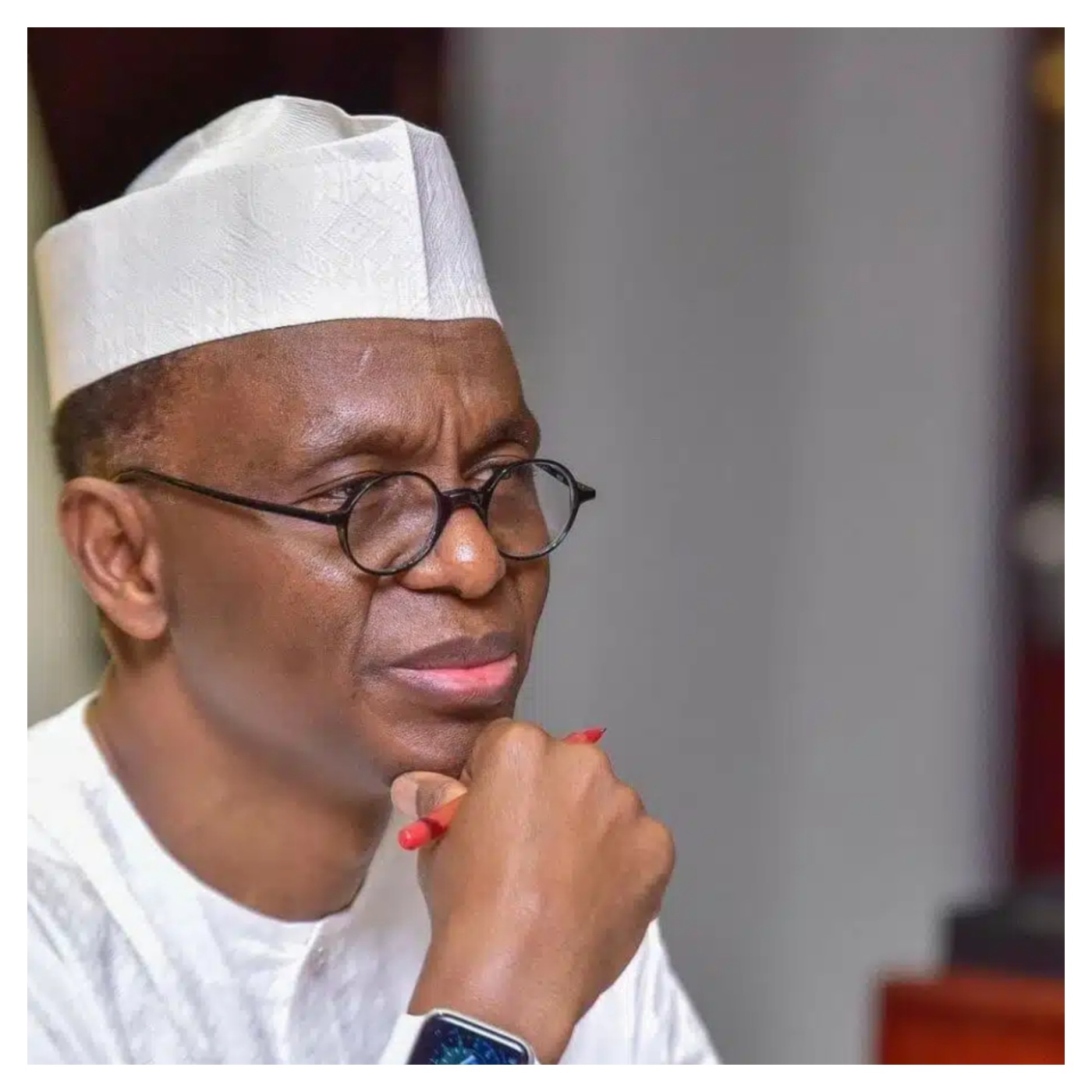
…doctors recommend admission in hospital
A medical report on former Kaduna State Governor Nasir Ahmad El-Rufai has revealed that a blood culture test detected Enterococcus faecium, a bacterium resistant to the antibiotic vancomycin, while his doctors listed possible sepsis among their clinical concerns.The findings are contained in two medical documents dated October 22, 2026, concerning the 66-year-old former governor, who is currently being detained by the Independent Corrupt Practices and Other Related Offences Commission (ICPC) amid his prosecution.A laboratory report issued by Cerba Lancet Nigeria showed that both aerobic and anaerobic blood cultures tested positive for Enterococcus faecium after 24–48 hours of incubation.
The report stated: “Culture positive After 24-48 hours incubation.”
It identified the organism as Enterococcus faecium and explicitly described it as a “Vancomycin Resistant Enterococcus (VRE).”
The laboratory report listed vancomycin as resistant, while several other antibiotics, including ampicillin/amoxicillin, erythromycin, levofloxacin, minocycline and linezolid, were marked as sensitive.

However, the laboratory document was marked “INTERIM REPORT” and stated: “Final Verified Report to Follow.”
This means the final verified laboratory result was still pending in the document provided.
A separate medical report issued by ASK+ Medical & Diagnostics on October 22 also documented the blood culture finding and detailed El-Rufai’s symptoms, clinical assessment and proposed treatment.
Under its clinical history section, the report stated: “The patient is a 66-year-old man with dyslipidemia, persistent headaches and insomnia. He presented with mild generalized headache and dizziness, without aura or photophobia. There is a reported history of hypotension.”
The report also noted that he appeared mildly dehydrated, with the clinical impression including dehydration in a case documented as resistant malaria and possible sepsis.
Under the clinical history section, the document described the assessment as “dehydration with resistant malaria and possible sepsis, with a suspected Para umbilical focus.”
The report recorded El-Rufai’s blood pressure at 93/70 mmHg and his pulse rate at 68 beats per minute.
His temperature was recorded as 36.2 degrees Celsius, while his oxygen saturation was 98 per cent on room air. The physical examination described him as being in no apparent respiratory or painful distress.
The report also contained an apparent difference in its assessment of his hydration status. While the clinical history described him as mildly dehydrated, the physical examination stated: “No dehydration.”
Under the investigations section, the ASK+ report confirmed the laboratory finding, stating: “Blood Culture: Enterococcus faecium (Gram-positive) isolated.”
It added that the organism was sensitive to several antibiotics, including ampicillin, erythromycin, levofloxacin, minocycline and linezolid, but resistant to vancomycin.
The report also listed gentamicin as sensitive, although the laboratory document presents the gentamicin result differently in its aerobic and anaerobic culture sections. The discrepancy requires clarification from the laboratory.
The ASK+ report stated that results from several other investigations, including a full blood count, malaria test, renal function test, liver function test, fasting lipid profile, random blood glucose, urinalysis and HbA1c, were within normal limits.
Despite those results, the positive blood culture prompted a recommendation for further medical evaluation and treatment guided by the laboratory findings.
Under its treatment plan, the report recommended admission for observation, intravenous fluids and medication for the documented clinical concerns.
It also advised that the blood culture and antibiotic sensitivity results be reviewed in consultation with an infectious disease physician.
The report stated: “Review the blood culture result and sensitivity results and, in consultation with Infectious disease physician, consider appropriate IV antibiotic therapy and admission for at least three days as advised by the clinical pathologist.”
It listed possible intravenous antibiotic options, including Augmentin, Gentalex, L-Flox and linezolid, subject to further clinical assessment and review of the culture results.
The findings come as El-Rufai remains in ICPC custody while facing prosecution. However, the medical documents do not establish any connection between his detention and the bacterial finding.
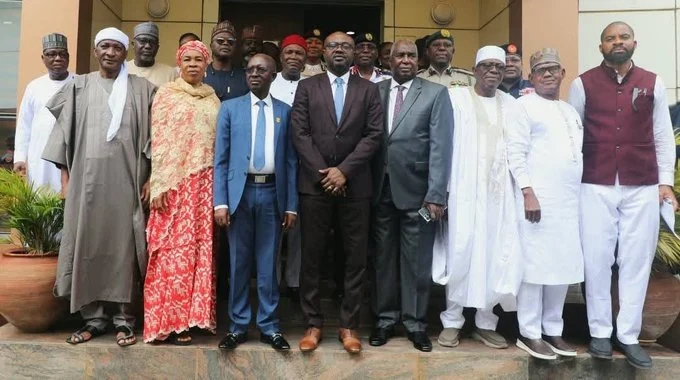
The Federal Government’s Independent Investigative Committee probing the deaths of 37 persons in the custody of the Nigeria Security and Civil Defence Corps in Niger State has found that the deceased died from asphyxiation.
The committee Chairman and former Deputy Director-General of the Department of State Services, Jonathan Kure, disclosed this on Tuesday while presenting the panel’s report to the Minister of Interior, Olubunmi Tunji-Ojo, in Abuja.
Kure stated that the panel recommended that one point four billion be paid to the families of 33 victims and forty-four survivors.
The committee chairman added that the deaths were avoidable as the victims, inclng 14 minors, were held in inhuman conditions.
The committee also recommended summary dismissal of the state commandant of the Niger State Command of the Nigeria Security and Civil Defence Corps and all other officers who were directly involved in the detention and eventual death of the miners
The committee equally recommended institutional reforms for the Nigeria Security and Civil Defence Corps in order to strengthen the leadership of the corps.
The Minister of Interior, who received the report, promised to implement the recommendations of the committee in order to ensure justice for all affected persons.
Tunji-Ojo also directed the commandant of the Corps to immediately suspend all officers who cleaned up the detention centre in order to destroy evidence.
The finding marks a major development in the investigation into the deaths of the suspected illegal miners, who died on September 17, 2026, while in the custody of the NSCDC Niger State Command in Minna.
The victims were among dozens of persons arrested during operations against suspected illegal mining in the M.I. Wushishi and Lukoto areas of the state. (PUNCH)
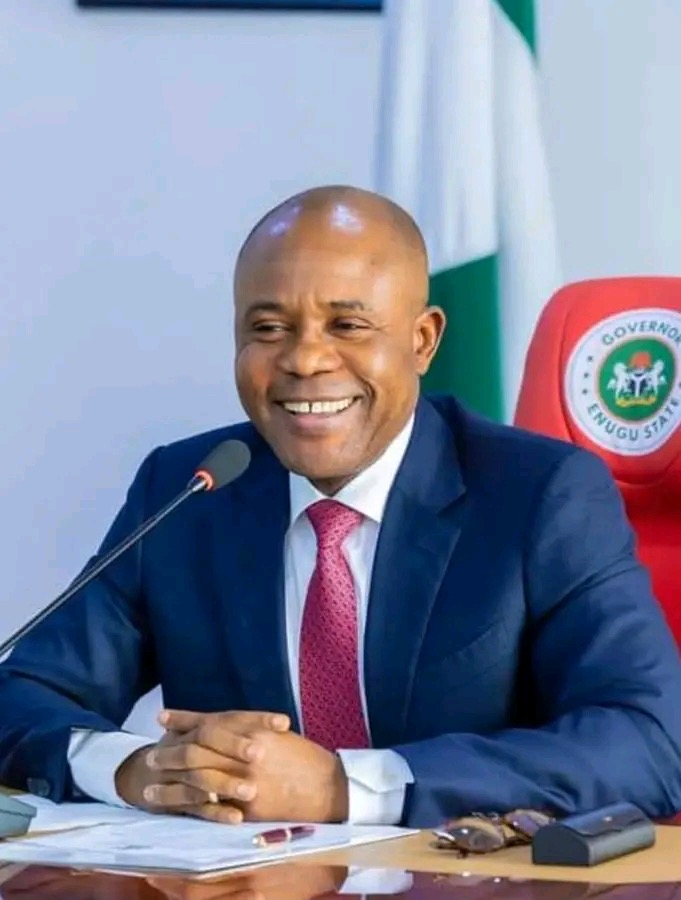
…Sen. Nnamani, Nwobodo, Dr. Nnamani, Chime, Ugwuanyi, Prof. Nnaji, Arthur Eze, Frank Nweke, Madueke, others get advisory roles
…Udeh, Nwoye, Utazi, Egumgbe, Ben Collins Ndu, Onyia, others head 51 Directorates
…Council to be inaugurated on Tuesday
The Enugu State Chapter of the All Progressives Congress (APC), on Monday, unveiled the party’s Campaign Council ahead of the 2027 general elections.
The Campaign Council, comprising 51 Directorates, is chaired by the Governor of the state, Dr. Peter Mbah, while the Deputy Governor, Barr. Ifeanyi Ossai; Deputy National Chairman, APC (South); Speaker, Enugu State House of Assembly, Hon. Uchenna Ugwu; and the Chairman of the party in the state, Dr. Martin Chukwunweike, are Vice Chairmen.
The list signed by Chukwunweike and the Secretary of Enugu APC, Hon. Chukwudi Nnadozie, also has Chief Charlie Mbah as the Director-General of the Campaign Organisation and Dr. Eric Oluedo as the Secretary-General.
Deacon Okey Ogbodo, Dr. Dan Shere, and Hon. S.K.E. Udeh-Okoye are Deputy Campaign DGs for Enugu East Senatorial District, Enugu North Senatorial District, and Enugu West Senatorial District, respectively.
Barr. Steve Oruruo is the Campaign Spokesperson and Director of the Public Communication Committee, with Dr. Austin Okolie as co-spokesperson and Dr. Malachy Agbo as Secretary.
Mazi Uche Anichukwu and Dan Nwomeh, both drawn from the Governor’s media team, head the Directorate of New Media and Strategic Communication and the Directorate of Mainstream Media, respectively. Dr. Collins Ogbu is the Secretary of the former, while Dr. Reuben Onyishi is the Secretary of the latter.
Barr. Victor Udeh leads the Administration Directorate, while Dr. Ben Nwoye and Arc. Uche Nwatu are the Director and Co-Director of the Fundraising Committee, respectively.
Former Chief of the Naval Staff, Vice Admiral Ikechukwu Ogalla (Rtd.), chairs the Security Directorate, while former Inspector General of Police, Ogbono Onovo (Rtd.), is the Secretary.
The Minister of Innovation, Science and Technology is in charge of the Directorate of Government Appointees Coordination (Federal and State), with Prof. Chidiebere Onyia as Secretary, while former Speaker of the Enugu State House of Assembly, Rt. Hon. Eugene Odoh, heads Inter-Party Affairs.
Senator Osita Ngwu, Senator Ikeje Asogwa, and Senator Kelvin Chukwu are Coordinators of the Campaign Council in Enugu West, Enugu North, and Enugu East, respectively.
Meanwhile, in their co-signed statement, Chukwunweike and Nnadozie said the size of the Campaign Council was a reflection of “the conviction that every community, ward, local government area, professional group, support organisation, youth body, women’s group, elder, party faithful and person of goodwill must be seen, heard and meaningfully engaged.”
“Appointment into the campaign structure is therefore not merely an honour; it is a call to duty, accountability and measurable contribution,” they stated.
The Council will be inaugurated at the International Conference Centre, Enugu on Tuesday, October 27, 2026.
All members of the Campaign Council are to be seated before 3pm.
CLICK LINK BELOW TO SEE FULL LIST:
APC ENUGU CAMPAIGN COUNCIL COMPOSITION-1
-
 Features3 days ago
Mmesoma Umeorini: When Love Turns Deadly, and a Young Woman Pays With Her Life
-
Features3 days ago
Why Igbos Celebrate New Yam Festival Worldwide: The History, Cultural Significance and Lessons For The Younger Generation
-
News1 day ago
BREAKING: Tension as Video Shows Islamic Group Members Allegedly Calling for AK-47 to Kill Christians in Enugu, Jos
-
News2 days ago
Kogi Police Probe Alleged Murder-Suicide Involving Two Officers
-
News1 day ago
Ifeanyi Ubah’s Elder Sister, Fidelia Chigbogu, Dies Suddenly at 61
-
News7 hours ago
BREAKING: El-Rufai Tests Positive for Drug-Resistant Bacteria, Shows Signs of Possible Severe Infection—Report
-
News2 days ago
NCDC Reports Two Suspected Ebola Cases as Contacts Rise to 53
-
News1 day ago
Terrorists Abduct Sunday Igboho’s Iru Ekun Security Group Members in Kwara