News
#FreeNnamdiKanu: Defiant protesters storm Abuja, insist on march to Aso Villa


There may be a showdown between the security forces and the #FreeNnamdiKanuNow protesters today (Monday) following plans by the organisers to march on the Presidential Villa to pressure the government to release from custody Nnamdi Kanu, the leader of the Indigenous People of Biafra.
This is even as a Federal High Court in Abuja has issued an interim order restraining the organisers from protesting near the Villa, the National Assembly, and other key government institutions.

Despite the judicial hurdle, the organisers remain defiant, vowing to stick to their original plan of a peaceful convergence in the Federal Capital Territory and a march to Aso Rock Villa.
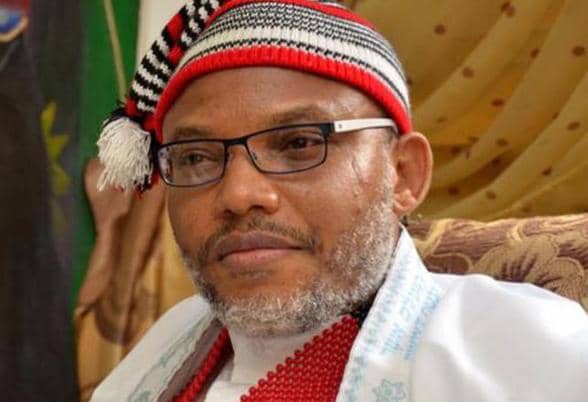
Mazi Nnamdi Kanu
The Director of Mobilisation for the Take It Back Movement, Damilare Adenola, affirmed that the protest would go on as scheduled, both in Abuja and simultaneously in the South-Eastern states of the country.

The nationwide demonstration for the immediate and unconditional release of the IPOB leader was endorsed by the opposition parties.
Kanu is being detained on charges of terrorism, treason, and incitement, among others.
The Federal Government alleges he advocated for Biafra’s independence through controversial means, including inflammatory rhetoric on social media and Radio Biafra.
IPOB was declared a terrorist organisation in 2017. Kanu fled Nigeria in 2017 while on bail, leading to his re-arrest in Kenya in 2021. His extradition from Kenya sparked controversy and legal debates.
Many argue Kanu’s detention is political persecution, while others see it as lawful prosecution.
Kanu’s health condition has been a point of contention, but a recent medical evaluation declared him fit for trial.
The Federal Government is apprehensive over the rally, particularly with its scheduled date coinciding with the fifth anniversary of the October 2020 #EndSARS protest that culminated in the alleged Lekki massacre.
Asked if the protesters would take their grievance to the seat of power as planned, Adenola said, “Nothing shall discourage us! Marching peacefully anywhere in the country is our constitutionally guaranteed right. Nothing can derogate it,” Adenola stated.
“There is no going back on our resolve to fight this inhumane, illegal and strongman act scripted to promote the erosion of our rights, and the capture of whatever remains of our criminal justice system.”
The plan of the organisers to march on the Presidential Villa directly contravenes an interim injunction granted by Justice Mohammed Umar of the Federal High Court in Abuja.
The order, issued on Friday, followed an ex parte application filed by the Nigeria Police Force on behalf of the Federal Government.
The ruling explicitly restrained the organisers, led by a human rights activist and former Presidential candidate, Omoyele Sowore, from protesting in or around sensitive government locations. These areas include the Aso Rock Villa, the National Assembly Complex, the Force Headquarters, the Court of Appeal, Eagle Square, and Shehu Shagari Way.
The order is to remain in effect pending the hearing of the substantive motion scheduled for today.
Counsel to the organisers, Maxwell Opara, acknowledged reports of the suit, but stated on Sunday that no such order had been served on them.
He maintained that the march to the seat of government was necessary to enable citizens to communicate directly with their leaders, insisting that even the Presidential Villa should be a symbolic place for the free expression of grievances.
He added that the organisers had notified the police of the protest, stressing that his clients had yet to be served the court order.
“We have notified them, and they will come and provide security — that’s what they are expected to do. We don’t want miscreants to take advantage of the protest. I learnt that they went to court, but we have not seen the order. They are asking the court to stop the protesters from going to the Villa or the National Assembly.”
Addressing allegations of an unconfirmed plot by the police to clamp down on protesters made by Sowore, Adenola placed the responsibility for maintaining peace squarely on the security forces.
“The truth is that protesters are always coordinated in this country; it is the police who usually disrupt this peace,” he argued.
“The police are the ones who should ensure that they don’t provoke protesters. They should abide by the laws and rather protect protesters.”
He further confirmed that the organisers had deployed a “large number of lawyers on standby” to assist protesters who might be arrested or detained.
Sowore disclosed on Sunday that more than 115 lawyers, medical personnel and journalists have been mobilised to support the nationwide protests.
He said the mobilisation for the rally had gained strong national traction, with activities extending to marketplaces, religious centres, and high-profile engagements, including meetings with former President Goodluck Jonathan and diaspora groups.
“Mobilisation is very strong, national mobilisation that took us to marketplaces, religious centres, and high-profile meetings, including with former President Goodluck Jonathan and diaspora interests, multiple state teams activated, people flying in, and many local convergences already organised.
“The legal team (115 lawyers), medics, and media teams are in place. Expect a large, disciplined turnout in Abuja and coordinated actions in multiple states and Nigerian embassies, “ he said.
Meanwhile, the protest has received significant public backing, as well as the support of major opposition figures, turning the demonstration into one of the most politically symbolic since the inception of the current administration.
The nationwide march had been publicly endorsed by former Vice President Atiku Abubakar, and the Labour Party’s presidential candidate in the 2023 general elections, Peter Obi, both of whom have urged the Federal Government to embrace dialogue over the continued detention of Kanu.
Obi reiterated that there was “no need for Kanu’s arrest in the first place,” emphasising that negotiation remains the only sustainable path to resolving separatist agitations.
“I will consult, negotiate, and discuss with anybody who is agitating. I said it clearly and I remain there,” he asserted, commending the efforts of Sowore and other advocates.
The National Coordinator of the Obidient Movement Worldwide, Dr Yunusa Tanko, reaffirmed Obi’s dedication to fairness and equity for all, regardless of tribe.
The National Publicity Secretary of the New Nigeria People’s Party, Ladipo Johnson, stressed that peaceful protest is a legitimate democratic right that must be protected, while the Interim National Publicity Secretary of the Labour Party, Tony Akeni, accused the Federal Government of a glaring double standard.
Akeni charged that the government has lost sympathy by prosecuting Kanu while engaging with bandits who have “committed far worse atrocities” in parts of the North.
He warned that this inconsistency has drawn international condemnation, citing the alleged interest of a traditional ruler from Ghana in joining the protests as evidence of Nigeria “living in a savage, stone-age system of injustice.”
While the political support swells, Kanu’s legal team is divided over the planned demonstration.
Senior Counsel Onyechi Ikpeazu (SAN) maintained that he would not oppose the right of citizens to protest for his client’s release; his professional focus remains solely on the judicial process.
“As a lawyer in the matter, we are focused on the court proceedings and cannot take the case outside the courtroom,” Ikpeazu explained. “My inclination at this stage is to concentrate on the court proceedings.”
He also dismissed calls for a presidential pardon, noting that such a relief applies only to convicted persons, which Kanu is not.
Conversely, Aloy Ejimakor, another member of Kanu’s legal team, expressed his full support for the demonstration and confirmed his intention to participate.
“I endorsed the protest fully because it is the civic and constitutional right of Nigerians to protest. I am Nigerian; I will be joining the protest,” Ejimakor stated.
However, he clarified that he could not speak on whether Kanu himself had approved or commented on the protest, as he had not discussed the matter with the IPOB leader.
As the nation braces for the protests, security agencies are deploying personnel and issuing stern warnings, placing an emphasis on preventing violence and the destruction of infrastructure.
The Nigeria Security and Civil Defence Corps, Federal Capital Territory Command, issued a firm caution to protesters against vandalising public or private property.
FCT Commandant, Olusola Odumosu, warned that the corps would not tolerate any form of destruction or theft “in the name of protest.”
“The corps will not condone any form of destruction, vandalism or theft of public and private facilities in the name of protest.
“We are prepared, as always, to ensure there are no incidents of destruction of properties or threats to infrastructure and the peace in the territory,” he stated.
Odumosu confirmed the deployment of personnel from specialised units and area commands in strategic locations and flashpoints across Abuja to ensure the safety of residents and protect critical national assets and infrastructure.
He stressed that while the corps respects the right to peaceful protest, any attempt to hijack the demonstration for criminal activities would be met with full legal consequences.
Nonetheless, he instructed officers to exercise restraint and maintain a non-kinetic approach to crowd management.
Adding to the tension, the Nigerian Correctional Service declared all correctional centres across the country as “Red Zones” ahead of the march.
NCoS Spokesperson, Umar Abubakar, warned the public that correctional facilities remain restricted areas and that anyone without official business should stay off “to avoid any untoward incidents or security breaches.”
“In light of the planned nationwide protest scheduled for Monday, October 20, 2025, calling for the release of Mazi Nnamdi Kanu, the public is hereby informed that all correctional centres are declared as red zones.
“The Nigerian Correctional Service reiterates that correctional centres are restricted areas and anyone who has no official business therein should stay off to avoid any untoward incidents or security breaches,” a statement by the Spokesman read on Sunday
Abubakar stressed that any attempt to encroach upon these zones would be treated as a serious threat. (PUNCH)











News
BREAKING: El-Rufai Tests Positive for Drug-Resistant Bacteria, Shows Signs of Possible Severe Infection—Report
…doctors recommend admission in hospital
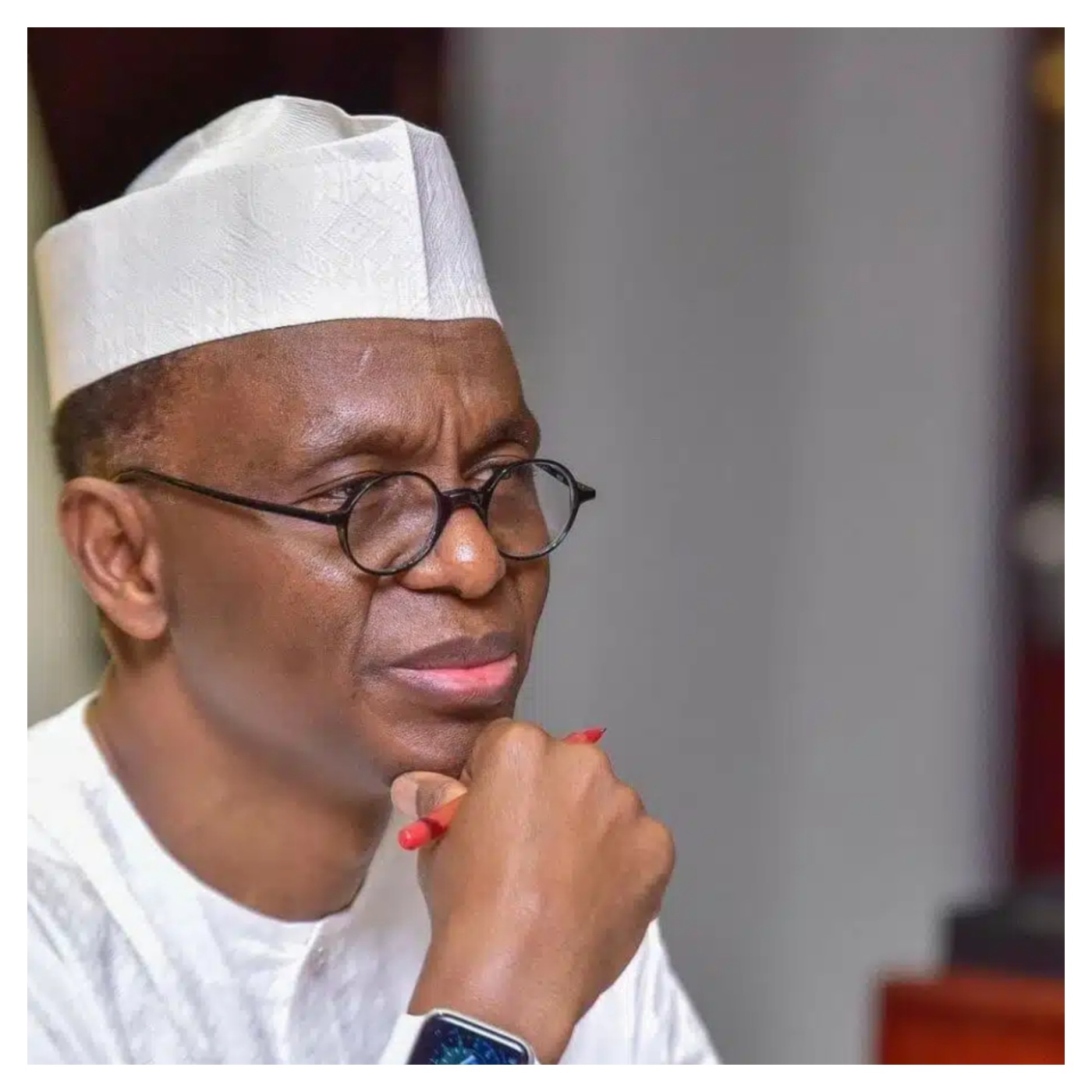
A medical report on former Kaduna State Governor Nasir Ahmad El-Rufai has revealed that a blood culture test detected Enterococcus faecium, a bacterium resistant to the antibiotic vancomycin, while his doctors listed possible sepsis among their clinical concerns.The findings are contained in two medical documents dated October 22, 2026, concerning the 66-year-old former governor, who is currently being detained by the Independent Corrupt Practices and Other Related Offences Commission (ICPC) amid his prosecution.A laboratory report issued by Cerba Lancet Nigeria showed that both aerobic and anaerobic blood cultures tested positive for Enterococcus faecium after 24–48 hours of incubation.
The report stated: “Culture positive After 24-48 hours incubation.”
It identified the organism as Enterococcus faecium and explicitly described it as a “Vancomycin Resistant Enterococcus (VRE).”
The laboratory report listed vancomycin as resistant, while several other antibiotics, including ampicillin/amoxicillin, erythromycin, levofloxacin, minocycline and linezolid, were marked as sensitive.

However, the laboratory document was marked “INTERIM REPORT” and stated: “Final Verified Report to Follow.”
This means the final verified laboratory result was still pending in the document provided.
A separate medical report issued by ASK+ Medical & Diagnostics on October 22 also documented the blood culture finding and detailed El-Rufai’s symptoms, clinical assessment and proposed treatment.
Under its clinical history section, the report stated: “The patient is a 66-year-old man with dyslipidemia, persistent headaches and insomnia. He presented with mild generalized headache and dizziness, without aura or photophobia. There is a reported history of hypotension.”
The report also noted that he appeared mildly dehydrated, with the clinical impression including dehydration in a case documented as resistant malaria and possible sepsis.
Under the clinical history section, the document described the assessment as “dehydration with resistant malaria and possible sepsis, with a suspected Para umbilical focus.”
The report recorded El-Rufai’s blood pressure at 93/70 mmHg and his pulse rate at 68 beats per minute.
His temperature was recorded as 36.2 degrees Celsius, while his oxygen saturation was 98 per cent on room air. The physical examination described him as being in no apparent respiratory or painful distress.
The report also contained an apparent difference in its assessment of his hydration status. While the clinical history described him as mildly dehydrated, the physical examination stated: “No dehydration.”
Under the investigations section, the ASK+ report confirmed the laboratory finding, stating: “Blood Culture: Enterococcus faecium (Gram-positive) isolated.”
It added that the organism was sensitive to several antibiotics, including ampicillin, erythromycin, levofloxacin, minocycline and linezolid, but resistant to vancomycin.
The report also listed gentamicin as sensitive, although the laboratory document presents the gentamicin result differently in its aerobic and anaerobic culture sections. The discrepancy requires clarification from the laboratory.
The ASK+ report stated that results from several other investigations, including a full blood count, malaria test, renal function test, liver function test, fasting lipid profile, random blood glucose, urinalysis and HbA1c, were within normal limits.
Despite those results, the positive blood culture prompted a recommendation for further medical evaluation and treatment guided by the laboratory findings.
Under its treatment plan, the report recommended admission for observation, intravenous fluids and medication for the documented clinical concerns.
It also advised that the blood culture and antibiotic sensitivity results be reviewed in consultation with an infectious disease physician.
The report stated: “Review the blood culture result and sensitivity results and, in consultation with Infectious disease physician, consider appropriate IV antibiotic therapy and admission for at least three days as advised by the clinical pathologist.”
It listed possible intravenous antibiotic options, including Augmentin, Gentalex, L-Flox and linezolid, subject to further clinical assessment and review of the culture results.
The findings come as El-Rufai remains in ICPC custody while facing prosecution. However, the medical documents do not establish any connection between his detention and the bacterial finding.
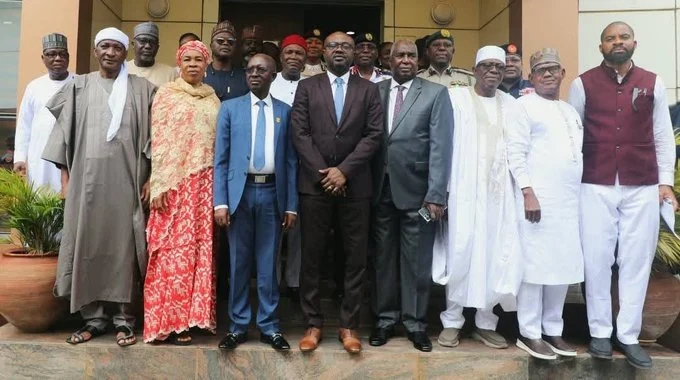
The Federal Government’s Independent Investigative Committee probing the deaths of 37 persons in the custody of the Nigeria Security and Civil Defence Corps in Niger State has found that the deceased died from asphyxiation.
The committee Chairman and former Deputy Director-General of the Department of State Services, Jonathan Kure, disclosed this on Tuesday while presenting the panel’s report to the Minister of Interior, Olubunmi Tunji-Ojo, in Abuja.
Kure stated that the panel recommended that one point four billion be paid to the families of 33 victims and forty-four survivors.
The committee chairman added that the deaths were avoidable as the victims, inclng 14 minors, were held in inhuman conditions.
The committee also recommended summary dismissal of the state commandant of the Niger State Command of the Nigeria Security and Civil Defence Corps and all other officers who were directly involved in the detention and eventual death of the miners
The committee equally recommended institutional reforms for the Nigeria Security and Civil Defence Corps in order to strengthen the leadership of the corps.
The Minister of Interior, who received the report, promised to implement the recommendations of the committee in order to ensure justice for all affected persons.
Tunji-Ojo also directed the commandant of the Corps to immediately suspend all officers who cleaned up the detention centre in order to destroy evidence.
The finding marks a major development in the investigation into the deaths of the suspected illegal miners, who died on September 17, 2026, while in the custody of the NSCDC Niger State Command in Minna.
The victims were among dozens of persons arrested during operations against suspected illegal mining in the M.I. Wushishi and Lukoto areas of the state. (PUNCH)
…Sen. Nnamani, Nwobodo, Dr. Nnamani, Chime, Ugwuanyi, Prof. Nnaji, Arthur Eze, Frank Nweke, Madueke, others get advisory roles
…Udeh, Nwoye, Utazi, Egumgbe, Ben Collins Ndu, Onyia, others head 51 Directorates
…Council to be inaugurated on Tuesday
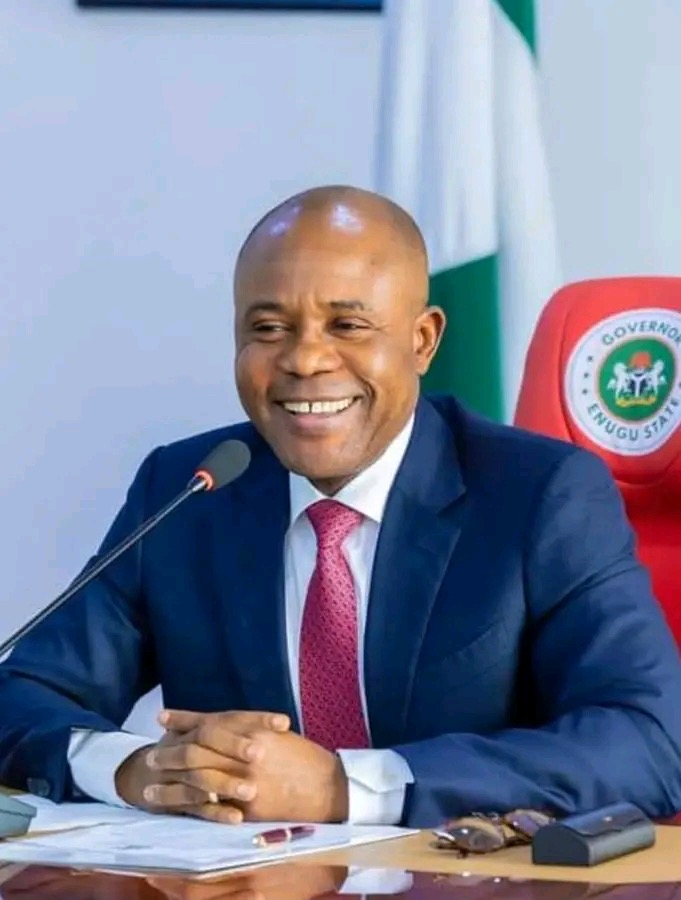
The Enugu State Chapter of the All Progressives Congress (APC), on Monday, unveiled the party’s Campaign Council ahead of the 2027 general elections.
The Campaign Council, comprising 51 Directorates, is chaired by the Governor of the state, Dr. Peter Mbah, while the Deputy Governor, Barr. Ifeanyi Ossai; Deputy National Chairman, APC (South); Speaker, Enugu State House of Assembly, Hon. Uchenna Ugwu; and the Chairman of the party in the state, Dr. Martin Chukwunweike, are Vice Chairmen.
The list signed by Chukwunweike and the Secretary of Enugu APC, Hon. Chukwudi Nnadozie, also has Chief Charlie Mbah as the Director-General of the Campaign Organisation and Dr. Eric Oluedo as the Secretary-General.
Deacon Okey Ogbodo, Dr. Dan Shere, and Hon. S.K.E. Udeh-Okoye are Deputy Campaign DGs for Enugu East Senatorial District, Enugu North Senatorial District, and Enugu West Senatorial District, respectively.
Barr. Steve Oruruo is the Campaign Spokesperson and Director of the Public Communication Committee, with Dr. Austin Okolie as co-spokesperson and Dr. Malachy Agbo as Secretary.
Mazi Uche Anichukwu and Dan Nwomeh, both drawn from the Governor’s media team, head the Directorate of New Media and Strategic Communication and the Directorate of Mainstream Media, respectively. Dr. Collins Ogbu is the Secretary of the former, while Dr. Reuben Onyishi is the Secretary of the latter.
Barr. Victor Udeh leads the Administration Directorate, while Dr. Ben Nwoye and Arc. Uche Nwatu are the Director and Co-Director of the Fundraising Committee, respectively.
Former Chief of the Naval Staff, Vice Admiral Ikechukwu Ogalla (Rtd.), chairs the Security Directorate, while former Inspector General of Police, Ogbono Onovo (Rtd.), is the Secretary.
The Minister of Innovation, Science and Technology is in charge of the Directorate of Government Appointees Coordination (Federal and State), with Prof. Chidiebere Onyia as Secretary, while former Speaker of the Enugu State House of Assembly, Rt. Hon. Eugene Odoh, heads Inter-Party Affairs.
Senator Osita Ngwu, Senator Ikeje Asogwa, and Senator Kelvin Chukwu are Coordinators of the Campaign Council in Enugu West, Enugu North, and Enugu East, respectively.
Meanwhile, in their co-signed statement, Chukwunweike and Nnadozie said the size of the Campaign Council was a reflection of “the conviction that every community, ward, local government area, professional group, support organisation, youth body, women’s group, elder, party faithful and person of goodwill must be seen, heard and meaningfully engaged.”
“Appointment into the campaign structure is therefore not merely an honour; it is a call to duty, accountability and measurable contribution,” they stated.
The Council will be inaugurated at the International Conference Centre, Enugu on Tuesday, October 27, 2026.
All members of the Campaign Council are to be seated before 3pm.
CLICK LINK BELOW TO SEE FULL LIST:
APC ENUGU CAMPAIGN COUNCIL COMPOSITION-1
-
 Features3 days ago
Mmesoma Umeorini: When Love Turns Deadly, and a Young Woman Pays With Her Life
-
Features3 days ago
Why Igbos Celebrate New Yam Festival Worldwide: The History, Cultural Significance and Lessons For The Younger Generation
-
News2 days ago
BREAKING: Tension as Video Shows Islamic Group Members Allegedly Calling for AK-47 to Kill Christians in Enugu, Jos
-
News2 days ago
Kogi Police Probe Alleged Murder-Suicide Involving Two Officers
-
News1 day ago
Ifeanyi Ubah’s Elder Sister, Fidelia Chigbogu, Dies Suddenly at 61
-
News8 hours ago
BREAKING: El-Rufai Tests Positive for Drug-Resistant Bacteria, Shows Signs of Possible Severe Infection—Report
-
News2 days ago
NCDC Reports Two Suspected Ebola Cases as Contacts Rise to 53
-
News1 day ago
Terrorists Abduct Sunday Igboho’s Iru Ekun Security Group Members in Kwara