Connect with us

News

Polygamy: Ooni and I serving Nigeria by having many wives — Ned Nwoko

Published

on

Spread the love

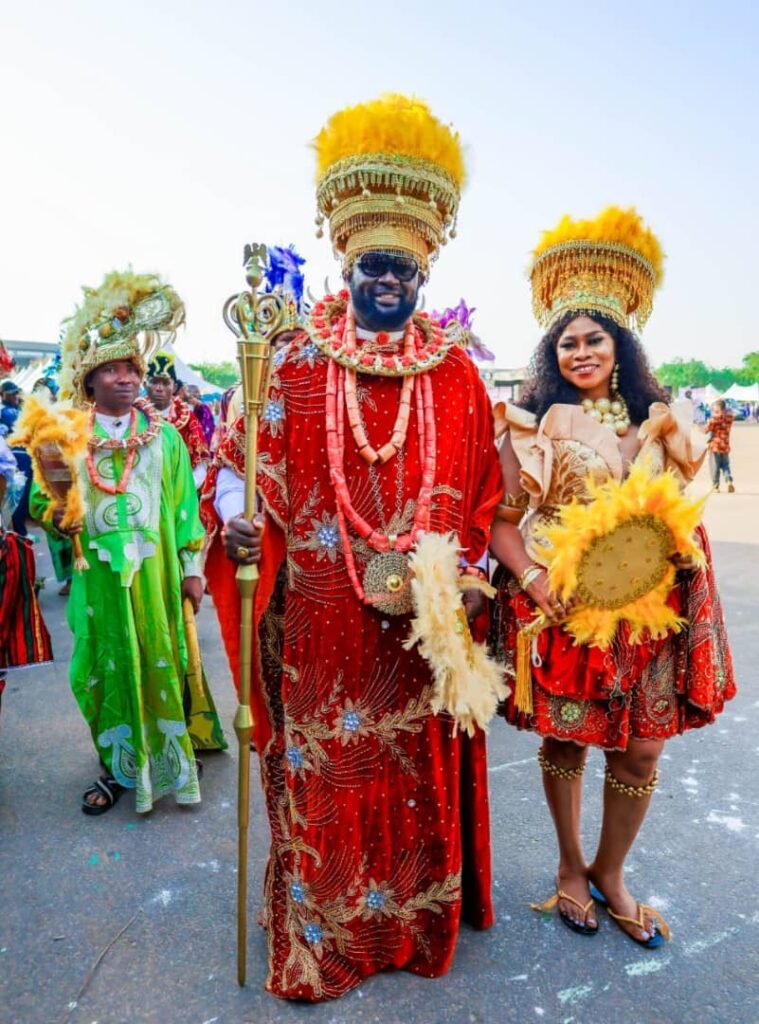
• Ned Nwoko and his wife, Regina

On a lighter mood with lawyer and philanthropist, Prince Ned Nwoko, at his Idumuje-Ugboko country home in Delta State last weekend, the politician, who is contesting the Delta North senatorial election, spoke on some family issues, especially about men from the southern part of the country not marrying more than one wife, thereby pushing some women into prostitution, among others.

Talking about him and the Ooni of Ife having many wives, Nwoko said: “Let me tell you the similarity between me and the Ooni of Ife, apart from both of us having more than one wife, my grandfather and his grandfather were both in the House of Chiefs in the Old Western Region in the 1950s. They were part of the select few that went to London for the constitutional conferences.

“My grandfather and the Ooni’s grandfather and the then Olowo of Owo took many photographs together. So, the Ooni and I have that kind of common background, because our grandfathers were kings and served Nigeria in that capacity. And we are now also serving Nigeria by having many wives (laughter).”

Maduka College Advert

Asked if he lives with all his wives or if they live in different, separate places, Nwoko replied: “No, no, no! That’s why when I was taking you round the palace, I said if it were in those days, I would have showed you some rooms where my wives would have been living. But my wives are big women too, in their own rights.

“So, they have their different homes. Two are in New York, in the United States (US), two are here in Nigeria and two are in Dubai. But sometimes, they meet here; here is the meeting point,” he said.

How then does he bond with his children living in different places and the children among themselves too? Nwoko explained: “Apart from all of us meeting here sometimes, I don’t travel with my wives together; I travel with one wife at a time. It’s only like once it happened that I travelled with Regina and Laila. But normally, I travel with the kids, the younger kids.

“I have 19 children now. My first child is 30 years old. Those with my first wife are all graduates now. In fact, my last child with her made a First Class last year in England. So, they are on their own; they are independent and go on holidays with their friends, not even with me or their mother who is a lawyer.
“My second wife is into business.”

Asked if all his wives are still with him, he said, “Of course, yes. It was only Laila that I had issues with when she went on holiday in London, but we are back together again; we are ok now.”
On his favourite wife, Nwoko explained, “Of course, the favourite is always going to be the last or latest wife (which is Regina). That’s a natural thing. You know it’s like if you have a new shirt, that is going to be your favourite one.”

Meanwhile, it would appear that Nwoko likes them fair, but not really, as he explained that his first wife is the same colour as him.

Though Nkoko’s first and second wives, and even his children, don’t like social media, it was Regina that actually introduced social media to him, “Am just tagging along,” he noted, adding, “It’s only Instagram that I use, which she opened for me, and of course, I have always known Whatsapp. I seldom post things on Instagram, but I have about 530 followers. I don’t do Facebook and it was only last week that I began to think of doing Twitter.”

On how he copes with trolling on social media, he recalled: “Sometimes, people post that I am marrying this girl or that girl, even when I don’t even know who they are talking about.”
Nwoko strongly believes men who refuse to marry more than one wife contribute to immorality in society, especially in the south, saying: “Many women are out there on their own without husbands, especially in the southern part of the country, and there is a high level of prostitution. What some of our girls do to make ends meet is regrettable and if our men emulate their northern counterparts by having more than one wife, that could probably change the situation.

“The average southern may have only one wife, but many girlfriends also, and he is spending his money on the girlfriends; sometimes even more than on his wife. The man who has three wives, for instance, concentrates on them and his children; every money he makes is spent on the family and he is more likely not to have any girlfriends or concubines. The money those with several girlfriends spend on them is a gift, not an investment in the family.”

He continued: “Beyond that, I hear southerners complain, saying how could the north, which is semi-desert and arid, be more populated than the south that is rainforest, with oceans, etc. But the answer is simply that the southerners are marrying one wife and giving birth to an average of four children, while the average northerner marries four wives and has up to 20 children.

“So, the south may never catch up with the north, in terms of population. We deceive ourselves by saying they are counting cows and cattle, which is not true, because they are actually counting human beings, their children from their wives.

“All you can now do is, if there is any law that stops you from marrying wives, it should be relaxed so that you can behave like your grandfathers and great-grandfathers who were very strong men before the advent of the whites, who came and told you it should be one man, one wife.”
On single parent, which is becoming popular among ladies now, he said, “it’s because of men who leave them and do not take care of them. If most of us in the south marry four wives, there will almost not be any prostitution business anymore, because they will be at home as wives.”
Asked what would happen when the man is unable to cater for them, he explained, “Look, I have drivers from the north who have wives. Are they, for example, earning more than you? Here in the south, some men have money to take girlfriends out and cater for them, but they don’t want to marry them as wives.”

As for Regina’s contribution to his campaign, he said: “I don’t really know, but we are both Anioma son and daughter seeking votes from Anioma people. So, it makes sense to go around together asking our people to give us their support. Probably that’s the difference between her and my other wives, especially as far as campaigning for political office is concerned.” (The Guardian)

News

ESIRS Raises Alarm Over Fake Property Tax Notices in Enugu

Published

on

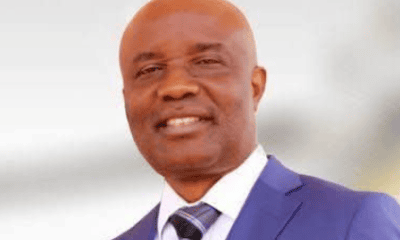
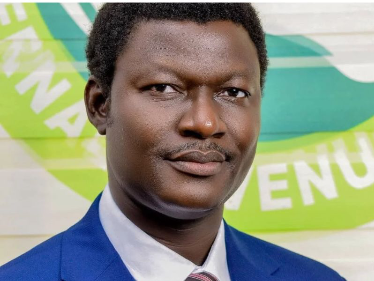
ESIRS Chairman Emmanuel Nnamani
Spread the love

• ESIRS Moves Against Those Behind Fake Notice

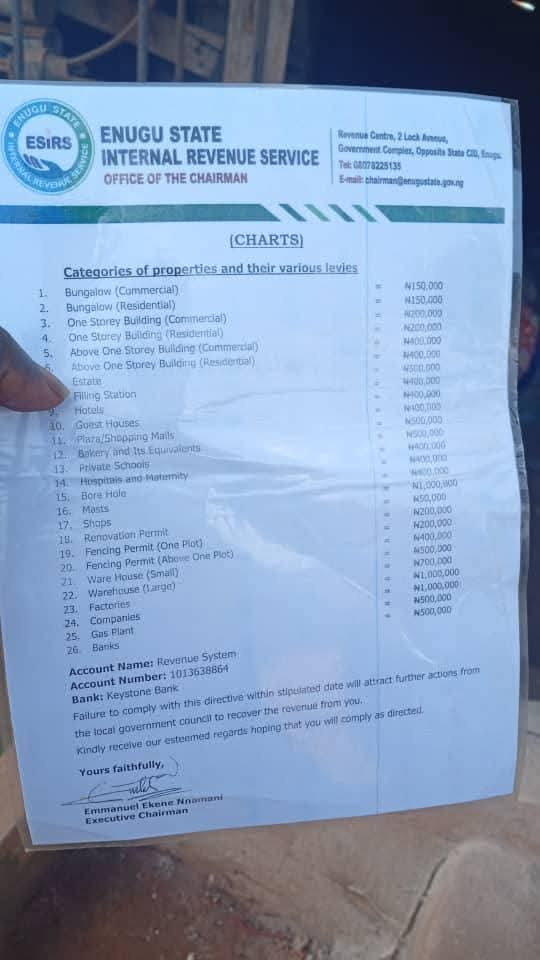
The Enugu State Internal Revenue Service (ESIRS) has disowned a purported property tax notice circulating across the state. It described the publication as fraudulent and unauthorised.

The document reportedly contains property classifications, corresponding levies, payment instructions and threats of enforcement. However, the agency insists that it did not issue or approve the notice.

In a public disclaimer dated November 20, 2026, ESIRS said the publication carried the title, “Categories of Properties and Their Various Levies.”

The disclaimer bears reference number ENS/BIR/EC/2026/11/126. The agency’s Executive Chairman, Emmanuel Ekene Nnamani, signed the statement.

Maduka College Advert

According to ESIRS, the document has circulated publicly as though it were an official communication from the state revenue authority.

The agency expressed concern that the publication contains monetary demands and purported bank account details. It warned that unsuspecting residents could suffer financial losses by acting on the information.

ESIRS Disowns Circulating Property Tax Notice
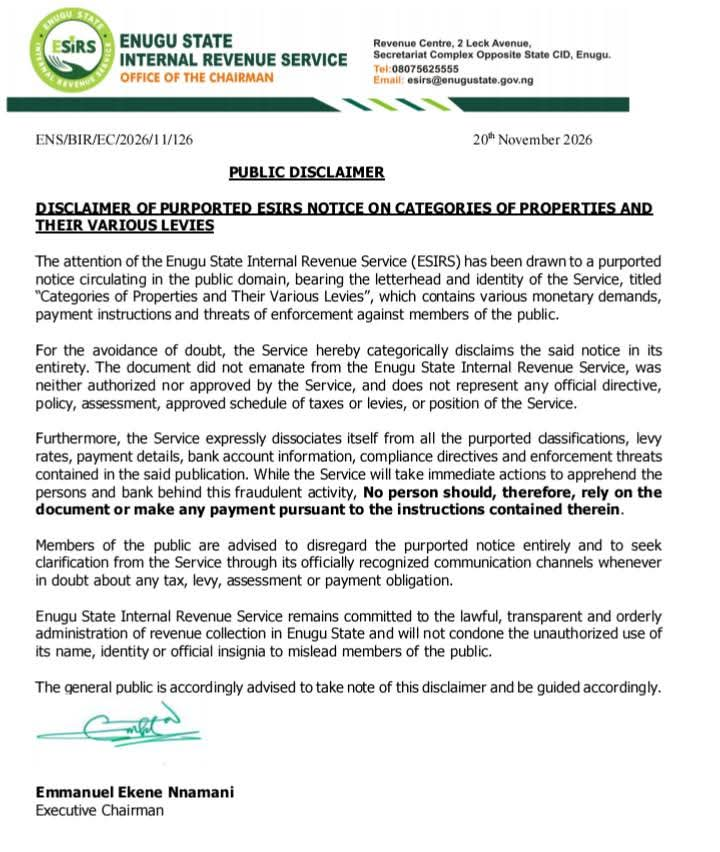
Clarifying its position, the revenue agency rejected the entire publication. It stressed that nobody should treat its contents as an official government directive or revenue policy.

ESIRS specifically distanced itself from the property classifications, levy rates and payment instructions. It also rejected the bank account details, compliance directives and enforcement threats.

The agency explained that the document does not represent any official assessment or approved tax schedule. It also does not reflect any established position of the Service.

“For the avoidance of doubt, the Service hereby categorically disclaims the said notice in its entirety,” the statement read.

The clarification follows recent public discussions about taxation and revenue administration in Enugu. ESIRS recently addressed tax exemptions under Nigeria’s new tax laws in its explanation of protections for low-income earners.

Meanwhile, the state’s revenue figures have attracted public attention. The latest NBS figures on Enugu’s tax revenue-to-IGR ratio provides further context for the ongoing discussions.

Residents Warned Against Making Payments
ESIRS warned residents, property owners and other members of the public against relying on the purported notice. It also advised them not to make payments based on its instructions.

The agency cautioned that anyone who follows the document could fall victim to fraudulent activity. It particularly highlighted the purported bank account details and financial demands.

“No person should, therefore, rely on the document or make any payment pursuant to the instructions contained therein,” the disclaimer stated.

Furthermore, ESIRS urged residents to disregard the publication entirely. It advised them to seek clarification through its recognised communication channels whenever they have questions about taxes, levies or assessments.

The warning comes amid wider conversations about revenue collection and government charges. ESIRS Chairman Emmanuel Nnamani previously clarified the revised payment structure for commercial tricycle operators following the state government’s Keke e-ticket reduction.

The state government has also addressed public concerns about transport-related collections.

ESIRS Moves Against Those Behind Fake Notice

Meanwhile, the revenue agency said it would take immediate steps to apprehend those responsible for circulating the purported notice.

It warned against the unauthorised use of its name, identity or official insignia. According to the Service, such actions could mislead residents and create confusion around revenue administration.

ESIRS described the development as an attempt to undermine public confidence in its operations. It also reiterated its commitment to lawful and transparent revenue collection.

The agency’s position comes as Enugu continues to pursue reforms in its revenue administration. The state government has highlighted fiscal  reforms and development initiatives aimed at strengthening public institutions and accountability.

Governor Peter Mbah’s administration has also identified revenue automation as part of its wider economic strategy. The government outlined several reforms in its development scorecard and economic growth agenda.

Service Reaffirms Commitment to Transparent Revenue Administration

ESIRS assured residents that legitimate revenue collection would continue under approved policies and procedures. It maintained that the Service would follow due process in all its operations.

The agency urged the public to remain vigilant against unofficial publications. It specifically warned residents about documents that claim to introduce new taxes, property levies or payment obligations.

It also advised residents to verify every revenue-related demand directly with the Service before making payments. This is particularly important when demands contain unfamiliar bank details or threats of enforcement.

Property-related charges and housing regulations have also featured in recent state policy discussions. The Enugu State House of Assembly recently passed a tenancy bill proposing limits on agency fees and rent increases.

The November 20 disclaimer was signed by Nnamani in his capacity as Executive Chairman of the Enugu State Internal Revenue Service.


Continue Reading

News

Bayelsa Boat Tragedy: NEMA Recovers 24 Bodies as Rescue Operations Continue

Published

on

Spread the love

The National Emergency Management Agency (NEMA) says 24 bodies have so far been recovered following a boat mishap in Bayelsa State, as search and rescue operations continue.

Manzo Ezekiel of NEMA’s Press Unit, Abuja, disclosed this on Saturday, saying, “So far, 24 bodies have been recovered from the scene of the incident, while search and rescue operations are ongoing.”

Ezekiel said the agency had deployed a technical team to Bayelsa State to strengthen the coordination of ongoing search and rescue operations following the tragic boat mishap at the river junction between Oweikorogha and Otuan communities in Southern Ijaw Local Government Area on Friday, November 20, 2026.

Maduka College Advert

He explained that NEMA had earlier activated its South-South Zonal Directorate and deployed an emergency response team from its Port Harcourt Operations Office to the scene.

According to him, NEMA personnel are working alongside the Bayelsa State Emergency Management Agency (SEMA), Nigerian Red Cross Society, Nigeria Police Force, Nigeria Security and Civil Defence Corps (NSCDC), local divers and other stakeholders to sustain the rescue operations.

The boat was reportedly conveying passengers from Ayama to Ukubie community to attend a burial ceremony when the accident occurred.

Governor of Bayelsa State, Senator Douye Diri, visited the scene of the tragedy, where he expressed deep sorrow over the loss of lives and extended his condolences to the bereaved families.

Newsdiaryonline reports that the governor commended NEMA, SEMA, the Nigerian Red Cross Society, the police, NSCDC, local divers and other stakeholders for their prompt mobilisation, collaborative efforts and commitment to the ongoing rescue operations despite the difficult riverine terrain.

NEMA also commiserated with the government and people of Bayelsa State, particularly the families who lost loved ones in the unfortunate incident.

The agency assured that it would continue to work closely with relevant authorities and emergency responders to support the ongoing operations and ensure effective coordination of the response efforts.

Continue Reading

News

Pomp, Pageantry as 37th NAFEST Opens in Enugu; Mbah Champions Cultural Economy

Published

on

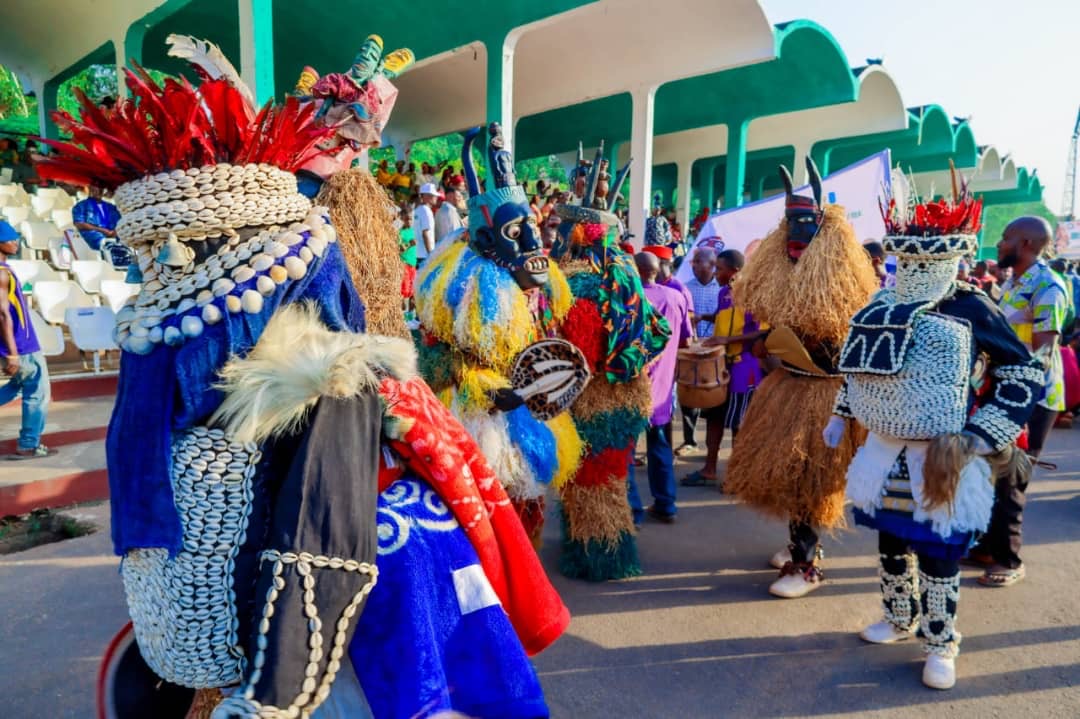
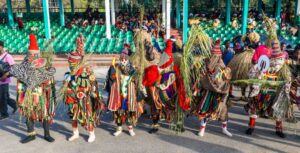
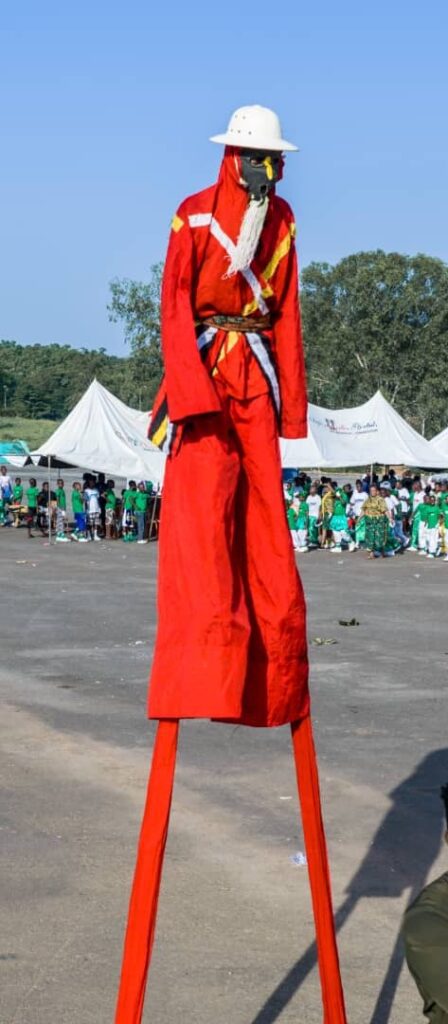
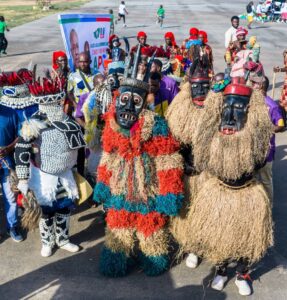
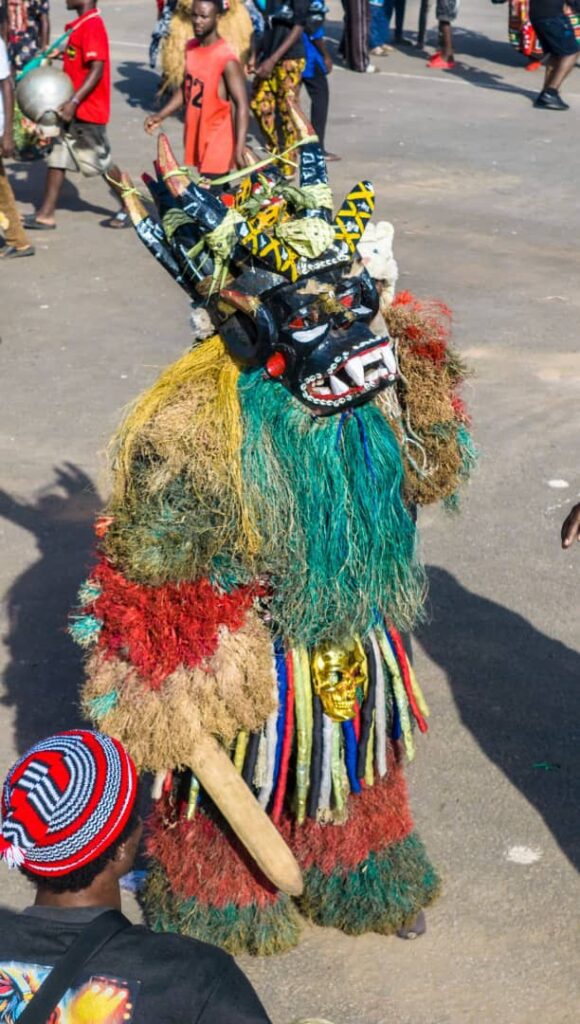
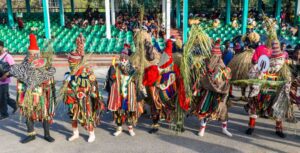
Masquerades on parade at 37th NAFEST in Enugu
Spread the love

…As Governor calls for national unity, says Nigeria’s diversity is its greatest strength

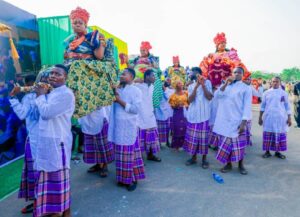
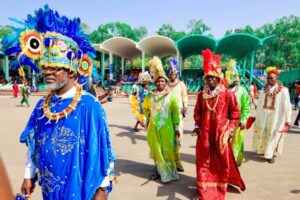
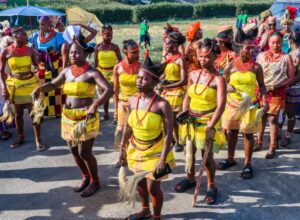
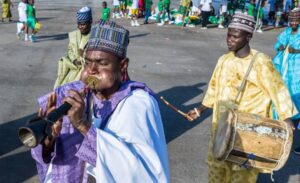
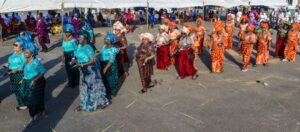
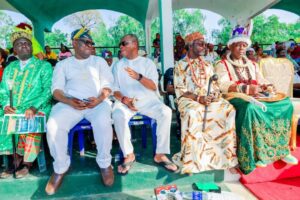
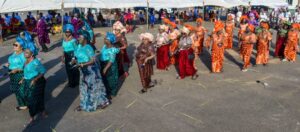
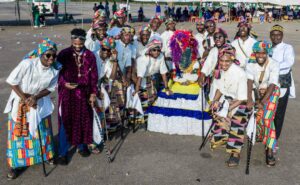
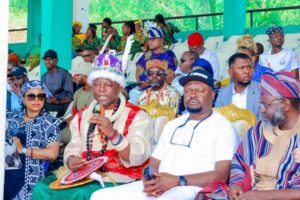
The 37th National Festival of Arts and Culture (NAFEST 2026) has opened in Enugu State with colourful displays, cultural performances and an elaborate showcase of Nigeria’s rich cultural heritage by participating states.

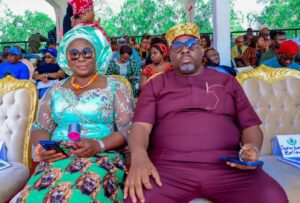
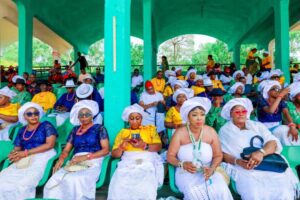
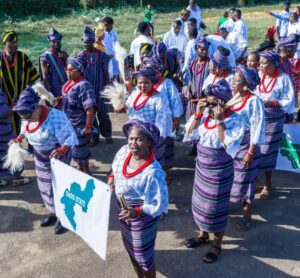
The opening ceremony, held on Saturday, attracted cultural troupes and delegates from across the federation, who took turns to showcase their states’ traditional dances, costumes and cultural identities.

Declaring the festival open, Governor of Enugu State, Dr. Peter Mbah, said NAFEST transcended stage performances, colourful costumes and musical displays, stressing that its greatest significance lay in the bonds of unity and mutual understanding it fosters among Nigerians.

Maduka College Advert

Mbah, who was represented by the Secretary to the State Government, described the festival as a celebration of Nigeria’s collective identity, while highlighting the enormous economic opportunities embedded in the country’s cultural heritage.

He said Enugu’s hosting of the 2026 edition, themed “Connected Culture,” reflected a broader national conversation about repositioning culture as a major driver of economic growth, employment generation and development.

“What we celebrate here this week is not just art, not just performance, not just heritage – we celebrate the soul of Nigeria.

“The 2026 edition of NAFEST comes at a moment when the world is rethinking culture, not as mere entertainment, but as a global economic engine,” he said.

The governor noted that the festival’s diverse activities, including board games, archery, Jollof War, dance competitions, children’s storytelling, crafts and traditional wrestling, demonstrated how cultural expressions could be transformed into economic opportunities.

According to him, Enugu State is committed to expanding its economy sevenfold, strengthening digital infrastructure, developing the creative industries and creating a competitive business environment.

“In Enugu, our administration has stretched the borders of possibility. We have committed ourselves to expanding the Enugu economy sevenfold, strengthening our digital infrastructure, unlocking the creative industries, and building the most competitive sub-national market environment in Nigeria.

“Today, Enugu is a state where creativity is being connected to enterprise; young people are being empowered through technology; cultural spaces are being transformed into commercial hubs; talents are being developed into global brands.

“Hosting NAFEST is, therefore, not accidental; it reflects our intentional strategy to make Enugu a leading creative capital, not just in Nigeria but globally,” he stated.

Mbah also called for national unity, maintaining that Nigeria’s greatest strength lies in its cultural and ethnic diversity.

“As delegates showcase their states, languages, cuisine, costumes, and performances, we are reminded that Nigeria’s strength is not in uniformity but in unity of diversity.

“Ultimately, the greatest beauty of Nigeria is not that we are all the same, but that we can be different and still belong to one another. Our diversity should never be a source of division; it should remain our greatest reservoir of strength,” he said.

In her remarks, the Minister of Arts, Culture, Tourism and Creative Economy, Hannatu Musa Musawa, described NAFEST as Nigeria’s largest classroom, biggest stage for unity and one of the country’s most powerful instruments for promoting national cohesion.

“Today, we gather not merely to open a festival, but to celebrate the identity, creativity, resilience, and shared heritage of Nigerian people,” she said.

Represented by the Permanent Secretary of the Ministry, Dr. Abdulkareem Ibrahim, the minister said the Federal Government was repositioning culture beyond entertainment to make it a significant contributor to the national economy.

“We are treating culture as economy, culture as employment, culture as diplomacy, culture as nation-building.

“Across the country, our creative economy is creating jobs for millions of young Nigerians in the field of music, fashion, gastronomy, craft, gaming, content creation, tourism, festivals, and culture,” she said.

Musawa urged young Nigerians to preserve their cultural identities while leveraging technology, innovation and entrepreneurship to promote their heritage internationally.

“Do not abandon your culture in search of identity. Learn your language. Learn your dance. Learn your craft. And then use technology, use innovation, use enterprise to take that culture to the world,” she advised.
She also commended Governor Mbah for hosting the festival and praised the quality of infrastructure provided by his administration across the state.

Earlier, the Enugu State Commissioner for Culture and Tourism, Dame Ugochi Madueke, welcomed the participating states and assured them of a memorable and hitch-free festival.

Madueke acknowledged the enormous responsibility of hosting a national event of such magnitude but expressed confidence in her team’s determination to deliver a successful festival and make Enugu proud.

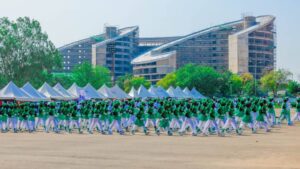
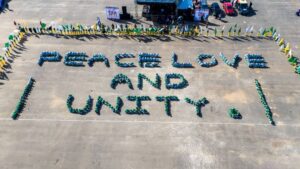
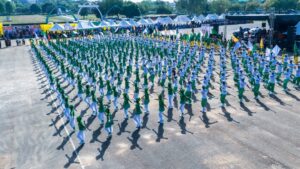
The opening ceremony featured an impressive calisthenics display by pupils of the Enugu Smart Green School, Owo, who used synchronised formations to spell out various words and messages. Their performance attracted a standing ovation from the audience.

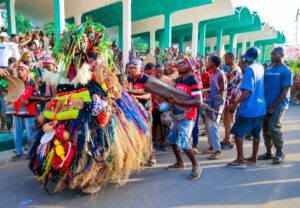
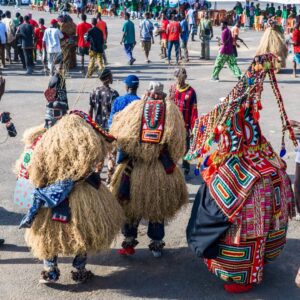
The ceremony also featured an elaborate parade of masquerades representing various local government areas of Enugu State, showcasing the rich traditional heritage of the host state.

The competitive activities among the participating state contingents are scheduled to commence on Sunday, November 22.

Continue Reading

Trending

Maduka College Advert