Politics
Enugu PDP guber candidate attends party meeting at his Owo hometown amidst jubilation

The people of Owo community in Nkanu East local government area of Enugu State, at the weekend, went agog in celebration as they rolled out the drums in large numbers over the surprise visit of their son, Dr Peter Mbah, the governorship candidate of the Peoples Democratic Party, PDP, in the state ahead of the 2023 general elections.
Mbah, while on solidarity visits to PDP ward meetings in many parts of the state stopped over at the venue where the party faithful in his hometown of Owo were holding their monthly meeting.

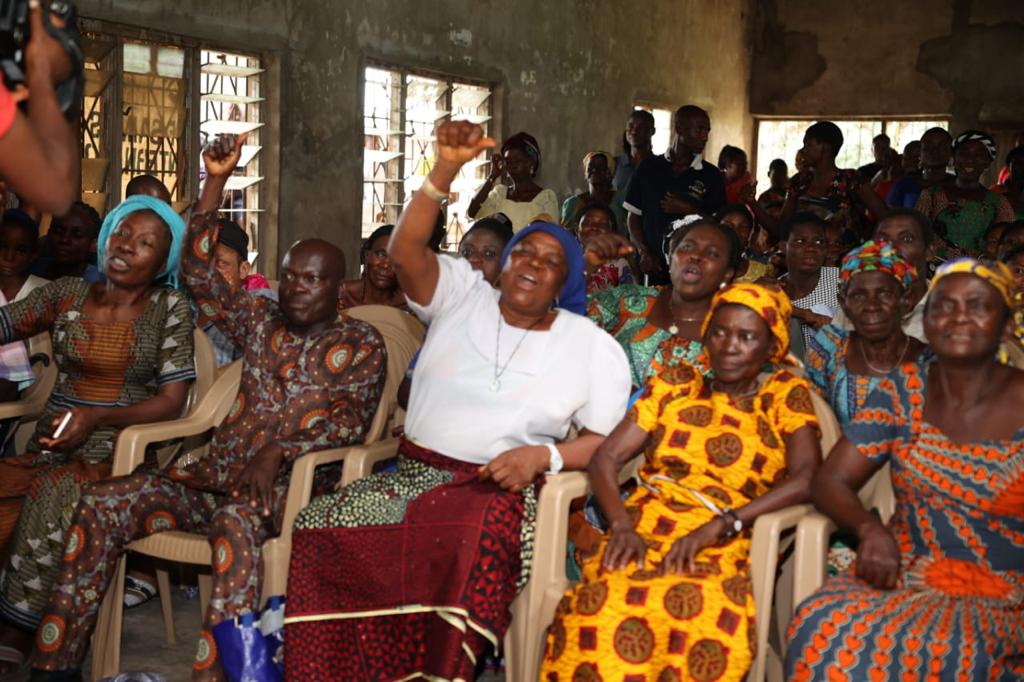
His presence aroused jubilation among the community who came out en masse for the meeting with cultural troupes expressing their gratitude to God and the leadership of the party for considering Mbah’s wealth of experience in different sectors and choosing him to fly the party’s flag.
The uncontrollable crowd numbering in the thousands prayed for the state governor, Rt. Hon. Ifeanyi Ugwuanyi and the people of the state for making it possible for a possible rebirth of the state through the support given to their son whom they described as an astute technocrat, accomplished entrepreneurial innovator and philanthropist of note.

Speaking at the venue of the meeting, the leader of the PDP local government monitoring team, Hon. Patrick Osita Onu said he was amazed at the existing love and unity among the people, saying Mbah made it possible as a unifier.
While receiving the governorship candidate, Onu enthused: “These are your people; we are your people, and this mammoth crowd is a testimony to your wide acceptance among your people. When we see you, we see our tomorrow and we see hope.”
In his welcome address, the chairman of the Owo Ward, Hon. Joe Arum stated that Mbah represented the light at the end of the tunnel to the people of the state, and assured him that all the people of Owo had resolved to follow him wherever he decided to lead them to as they trusted in his wisdom and unassailable decision.
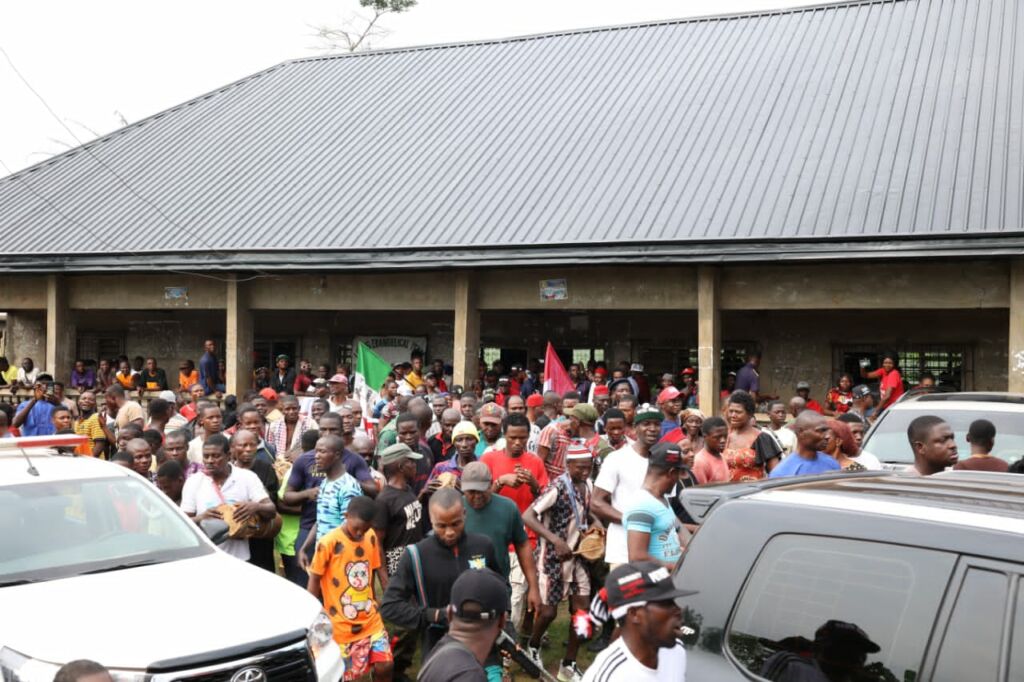
Addressing the huge gathering of the party faithful, the visibly overjoyed member representing Nkanu East constituency at the state house of assembly, Rt. Hon. Paul Nnajiofor described the Mbah as a “hero and a shinning light for the people of the state,” stressing that God had wiped away their years of tears in Nkanu East through Governor Ugwuanyi.
The lawmaker who took time to sensitize the people on the need to collect their voter’s card and make sure the cards are kept intact further said it’s time to work hard and leave no stone unturned in reaching out to people from other areas.
“It’s time to work. It’s time to hit the ground running for this collective project. I’m calling on all the youths, leaders of thought, women, support groups and other bodies to mobilize for the great project. Let’s make sure we obtain our PVCs. Mbah’s project is God’s project for the good people of Enugu State.
“Peter Mbah has done it before and he will do it again. He has constructed roads for us, built schools for us, built a good hospital here, offered free education and a whole lot of things. Therefore, it’s time to show him the love he has always shown us,” Nnajiofor added.
Acknowledging the cheers from the people, the PDP governorship hopeful said he decided to pay them the surprise visit to encourage them and to also remind them of the task ahead, stressing that PDP has always been winning every election in Owo and would continue to win.
Mbah who charged the people to lead by example further admonished them to refrain from trading words or fighting anybody in the state including members of the opposition adding that PDP did not need to campaign in Owo as it had already been taken by the party.
“It is our time to show that we are ready by making sure that nobody fights or act out of provocation because we have a greater task ahead. Let’s have patience and live in peace. We have to be example to other communities, show them what it means to be united and frequently reach out to people outside there,” he said.
Addressing the people on the importance of their voter’s card, Mbah enjoined the qualified electorate in Owo to make sure they collect their PVCs, keep them secure and encourage others to do the same, adding that ward meetings should be attended and supported with commitment. According to him, there’s no alternative to PDP in the State.



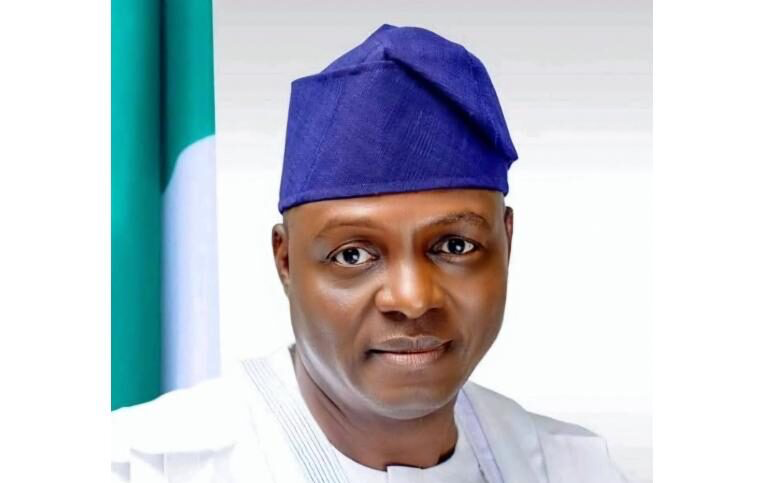
The National Chairman of the All Progressives Congress (APC), Professor Nentawe Goshwe Yilwatda, has charged members of the party’s Presidential Campaign Council to unite national and grassroots structures, communicate the achievements of President Bola Ahmed Tinubu’s administration and mobilise Nigerians for his re-election in 2027.
Speaking at the inauguration of the APC Presidential Campaign Council, Professor Yilwatda described the assignment as a collective responsibility requiring effective coordination, discipline, strategic communication and sustained engagement with Nigerians.
In a statement signed by his Special Adviser on Media and Information Strategy, Abimbola Tooki, he said the party’s campaign must be anchored on the administration’s record, an honest acknowledgement of prevailing challenges and a credible vision for the country’s future.
According to him, the administration’s economic reforms and investments in roads, power, gas, railways, ports, agriculture and digital connectivity must be clearly communicated to Nigerians, with emphasis on their impact on productivity, employment, commerce and national development.
“Our responsibility is to explain what has been achieved, what is progressing and what remains to be done. We must demonstrate how these reforms and investments will translate into practical improvements in the lives of Nigerians,” he said.
The APC National Chairman emphasised that the success of the campaign would depend on the effective collaboration of national leaders, governors, legislators, state chapters, local government structures and ward members to ensure that the party’s message reaches every community.
He also underscored the importance of women, youths and persons with disabilities, calling for their meaningful participation and leadership in the campaign process.
“Our women are indispensable to party organisation and community mobilisation. Our youths must be engaged as partners in shaping Nigeria’s future, while persons with disabilities must enjoy full, accessible and inclusive participation in our democratic process,” he stated.
Professor Yilwatda urged party members to approach the assignment with confidence, while warning against complacency.
“Confidence is not complacency. It is the determination to prepare thoroughly, work together and earn the trust of the people,” he said.
He noted that the APC would seek Nigerians’ support for President Tinubu’s re-election in 2027 by presenting evidence of progress, explaining the administration’s policies and outlining the work that remains to be done.
He stressed that the campaign must directly address citizens’ concerns about the cost of living, security, employment, education, healthcare, agricultural productivity and economic opportunities.
The National Chairman also called for issue-based and peaceful political engagement, recognising the legitimate role of the opposition in a democratic society.
“The APC will present its case with confidence, defend its record with facts and trust Nigerians to make their choice through a credible democratic process,” he said.
Professor Yilwatda reaffirmed the commitment of the APC National Working Committee to working closely with the Presidential Campaign Council and all party structures to achieve their shared objectives.
He charged members to remain united and focused, declaring that the party had a vision to communicate, a future to build and the confidence of Nigerians to earn.
“One mission, one responsibility: to work together, communicate effectively and earn the mandate of Nigerians for President Bola Ahmed Tinubu in 2027.”
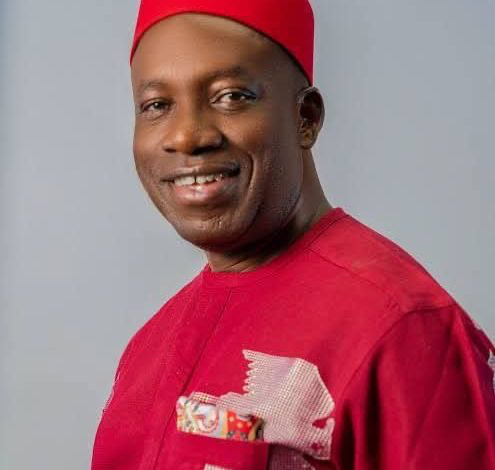
Anambra State Governor, Prof. Chukwuma Soludo, has been appointed a member of the All Progressives Congress (APC) 2027 Presidential Campaign Council list released last night.
This is despite the fact that he is the National Leader of the opposition All Progressives Grand Alliance (APGA).
Similarly, Federal Capital Territory (FCT) Minister Nyesom Wike, the National Leader of the opposition Peoples Democratic Party (PDP) and Osun State Governor, Senator Ademola Adeleke of the opposition Accord Party (AP), are on the expanded and all-inclusive team headed by President Bola Ahmed Tinubu.
Other members include Presidential Adviser on Policy and Coordination, Hadiza Bala Usman, former Ogun State Governor Ibikunle Amosun, former Lagos State Governor Akinwunmi Ambode, Aviation Minister Festus Keyamo, and former House of Representatives member Patrick Obahiagbon.
Also named as members are former Osun APC governorship candidate Bola Oyebamiji, former National Legal Advisers Dr. Muiz Banire and Babatunde Ogala, Chief Ayiri Emami, Victor Giadom, Magnus Abe, and former Ogun State Governor Gbenga Daniel.
The list, according to a report by The Nation, reflects inter-party cooperation and harmony based on the shared vision of propelling the country to the horizon of progress.
The report quoted a statement by APC National Secretary, Senator Ajibola Basiru, as saying that the campaign council will be inaugurated tomorrow in Abuja.
Politics
We’re ready for 2027 polls, INEC declares, assures neutrality as PVC collection begins Friday
…Says ‘INEC has no preferred candidate, no favoured political party’
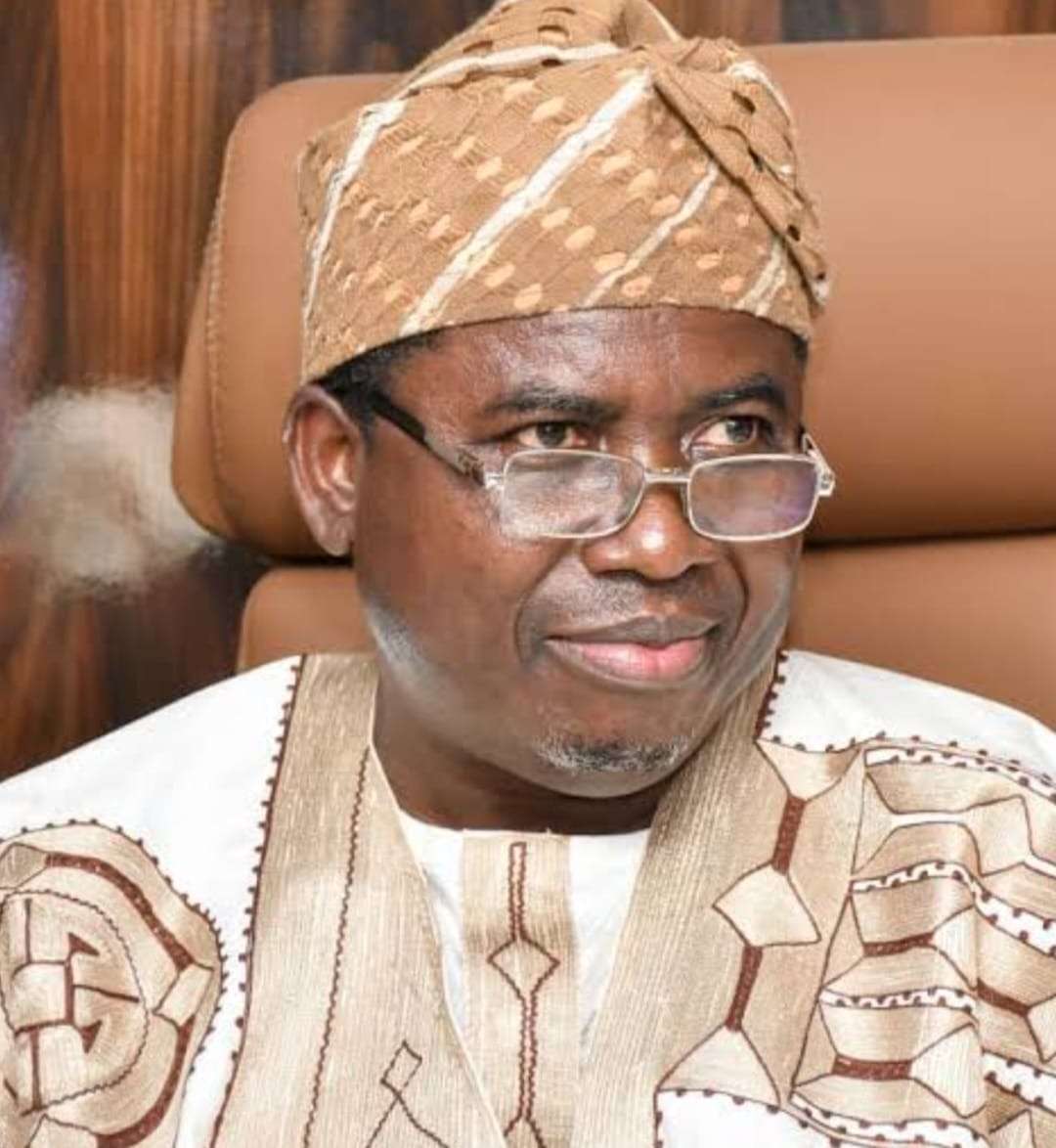
Chairman of the Independent National Electoral Commission, INEC, Prof. Joash Amupitan, SAN, says the Commission is fully prepared to conduct credible 2027 general elections and will remain neutral with no preferred candidate or party.
Amupitan stated this on Thursday in Lagos while delivering the keynote address at the 10th Annual Conference of the Guild of Corporate Online Publishers, GOCOP, themed “2027 Elections: Trust, Transparency and Shared Responsibilities.”
He said the 2027 election cycle would begin with Presidential and National Assembly elections on Saturday, January 16, 2027, followed by Governorship and State Houses of Assembly elections on February 6, 2027, adding that with 98 days to the first poll, INEC has made extensive progress on its timetable.
According to him, INEC issued a Revised Timetable and Schedule of Activities on February 26, 2026, containing 14 critical statutory activities and is now concluding the ninth.
The timetable, he said, had been operationalised across 23 headquarters departments, 36 state offices and the FCT, and 774 local government offices covering over 176,000 polling units.
Amupitan, represented by Lagos State Resident Electoral Commissioner, Professor Ayonami Salami, disclosed that Nigeria’s voter register had hit a historic 103 million after a three-phase Continuous Voter Registration, CVR, exercise.
Phase I, from August 25 to December 10, 2025, captured 2,611,266 new voters; Phase II, January 5 to April 17, 2026, captured 4,121,835; while Phase III, May 11 to July 26, 2026, captured 3,867,997.
He said the Commission had concluded display of the preliminary register for claims and objections and is finalising synchronisation through its Automated Biometric Identification System, ABIS, to eliminate duplicates.
The INEC chairman announced that nationwide collection of Permanent Voter Cards, PVCs, using the new Printable PVC technology, would commence on Friday, October 9, 2026, at local government and registration area centres.
He appealed to GOCOP members to use their platforms to mobilise citizens to collect their cards.
On technological preparedness, Amupitan said the Bimodal Voter Accreditation System, BVAS, has undergone hardware optimisation, extended battery calibration and software hardening to eliminate impersonation, while a nationwide audit and fresh procurement of devices are ongoing.
He said INEC has enhanced its result integrity architecture through the eEC8A system, which digitises polling unit result sheets, Form EC8A, at the polling unit immediately after counting, cryptographically signs and transmits it to a public portal for end-to-end visibility.
The system, he noted, was tested in recent off-cycle elections in the FCT, Ekiti and Osun.
The Commission, he added, has embedded AI auditing tools and multi-layered firewalls in partnership with Google and Microsoft to guard against cyber intrusions and Distributed Denial-of-Service attacks.
Amupitan said early procurement of non-sensitive materials has commenced and distribution to states is ongoing, while new operational pick-up vehicles have been acquired to address transportation challenges in difficult terrains, riverine and border communities. A centralised operational schedule is now tracking material movement and storage in real time.
He said INEC had instituted Zonal Readiness Assessments across the six geopolitical zones, with South-West and North-West already completed, to audit infrastructure, logistics and emergency response. He warned staff against partisanship.
“To the voter in a local ward, INEC is not the Chairman in Abuja; INEC is you,” he told field officers, stressing that under Section 26 of the Electoral Act 2026, every official must take an oath of absolute neutrality, with partisanship or carelessness attracting dismissal and prosecution.
To boost welfare, Amupitan said the Consolidated Election Management Body Salary Structure, CEMBSS, took effect on January 1, 2026, with a 150 percent increase in state offices’ operational overheads from July 1, 2026.
He described trust as a currency earned through consistent and verifiable execution, not through pronouncements or public relations, noting that Africa’s largest democracy must set standards for West Africa at a time of disinformation, political violence and shrinking civic space.
The INEC chairman proposed a three-point pact with GOCOP for 2027: a dedicated Digital Media Fact-Verification channel for real-time confirmation of field reports; strict self-regulation by GOCOP against members publishing unverified polling unit results, altered sheets or incendiary commentary; and a strategic partnership on voter education for the PVC collection exercise.
He cautioned online publishers against clickbait economics, fake news and AI-generated deepfakes, saying unverified claims of fraud cause enduring damage to public confidence that retractions cannot repair.
Paying tribute to former GOCOP President and Publisher of The Eagle Online, the late Mr. Dotun Oladipo, Amupitan described him as a patriot and champion of ethical online publishing who helped platform INEC stories without hindrance.
“INEC has no preferred candidate, no favoured political party, and no institutional interest other than protecting the sacred and uncoerced will of the Nigerian voters,” he declared.
-
 News2 days ago
Mbah orders impartial Police Probe into Enugu political violence, vows accountability
-
News2 days ago
BREAKING: Soludo, Wike, Adeleke, others appointed member of APC Presidential Campaign Council
-
Features2 days ago
Enugu Political Flashpoint: Mbah orders Impartial Probe as NDC Incidents Trigger Controversy
-
News2 days ago
Rochas Okorocha arrested, released after one-hour Interrogation — Police
-
News2 days ago
Enugu APC demands NDC apology over minute’s silence
-
News1 day ago
Alleged $1bn arms fraud: Funds given to Defence Ministry, not military — Gen. Buratai
-
News2 days ago
Enugu Governor’s Aide, Lucky Chukwu is dead
-
Features9 hours ago
Aguleri/Umuoba Anam Crisis: The Bloody Battle Between Close Neighbours