Connect with us

News

25 children from Kebbi, Kwara, Niger died in terrorists’ captivity — Lawmaker

Published

on

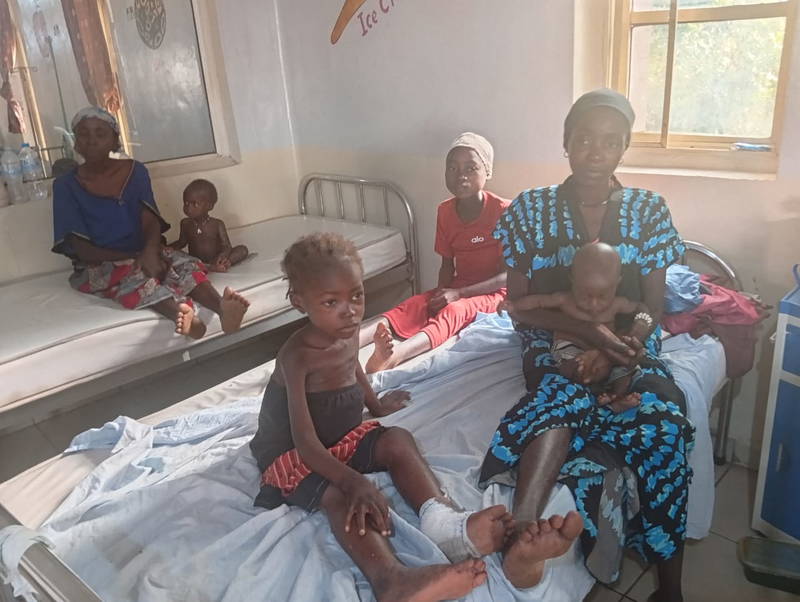
Woro victims receiving medical attention at Kwara State University Teaching Hospital, Ilorin, Friday. 
Spread the love

••• 12 youths joined terrorists’ army; two pregnant women returned with babies; Woro attack sad, regrettable — Gov AbdulRazaq 

Twenty five children who were among the 336 persons kidnapped by the terrorists in Kebbi, Kwara and Niger states died in captivity and they were buried in the forest.

Lawmaker representing  Gwanabe/Gweria/Bani/Adena state constituency of Kaiama local government in the Kwara State House of Assembly, Hon. Saidu Baba-Ahmed disclosed this yesterday while speaking on the conditions of the 315 kidnap victims who regained their freedom on Thursday night after spending six months in captivity.

The figure comprises 308 victims rescued from terrorist captivity in the forests of Kwara and Niger states and seven students of Gateway ICT Polytechnic, Saapade in Ogun state who were abducted last week.

The lawmaker, in an interview told Saturday Vanguard that 12 of the youths joined the terrorists’ army and were not among those released by the terrorists. According to him, “The terrorists asked the youths who among them would like to join their army and 12 of them volunteered to join them. So, those youths are not among those who were released.

Maduka College Advert

“25 children from Kebbi, Niger and Kwara states also died in captivity and some died in transit and they were buried there. A total of 176 victims were kidnapped from Kwara state and 163 regained their freedom. 15 of the victims are still missing now.

“Also, none of the women came with pregnancy but two women who were kidnapped with pregnancy came back with two babies. We checked them properly and discovered that none of them is pregnant, because they told us that their abductors didn’t touch them. But two women who were abducted with pregnancy came back with two babies“.

Hon. Saidu Baba-Ahmed said that those who were set free arrived in Ilorin, the Kwara state capital and 46 of them were receiving medical attention at the hospital. He also said that the state government was taking care of them to ascertain their state of health before reuniting them with their families.

The lawmaker then commended the state and the federal governments for their efforts in ensuring that the abductees returned home safely.

The victims who were abducted during the deadly attack on Woro community in Kaiama Local Government Area of Kwara State were received at the Nigerian Army’s 2 Division, Sobi Barracks, Ilorin before being moved to an undisclosed location where they spent the night.

The victims were kidnapped when armed terrorists invaded the community on February 3 this year, killing scores of residents and whisking away the victims into the forest, triggering widespread outrage and intensified security operations. Following sustained military operations and coordinated efforts by security agencies, the victims regained their freedom and were transported from Niger State to Ilorin late Thursday night.

The rescued victims were expected to be officially handed over to Governor AbdulRahman AbdulRazaq, who has consistently engaged security authorities to ensure their safe return.

Their arrival marks a major breakthrough in the months-long efforts to secure the release of the abductees, while authorities continue to verify the number of those rescued and provide necessary care and support.

Meanwhile, Governor AbdulRahman AbdulRazaq of Kwara state while receiving the victims of Woro attack in Ilorin yesterday described the February bloody event as not only sad, but regrettable. The governor received the victims who are mostly kids and women, from the 22 Armoured Brigade Commander Brigadier General Nicholas Rume.

Mallam AbdulRazaq also hailed President Bola Tinubu for his swift response and assistance to the state. He added that the president had approved the establishment of five Army Battalions in Omu-Aran, Patigi, Ilemona, Kosubosu and Kaiama. (Vanguard)


Education

Covenant University Retains Africa’s Top Spot as Nigeria Records 27 Varsities in 2027 THE Rankings

Published

on

Spread the love

Covenant University, Ota, Ogun State, has retained its position as Africa’s highest-ranked institution in the 2027 Times Higher Education (THE) Interdisciplinary Science Rankings, as Nigeria recorded its highest-ever number of universities in the global ranking.

The 2027 edition, released on Wednesday, November 18, featured 27 Nigerian universities, representing a 50 per cent increase from the 18 institutions ranked in 2026.

Covenant University placed joint 49th globally, retaining its position as the only African university among the world’s top 50 for the second consecutive year.

The private institution ranked ahead of Egypt’s Cairo University, which placed joint 52nd globally.

Maduka College Advert

Chairman of the Nigerian Tertiary Education Ranking Advisory Committee (NiTERAC), Professor Emeritus Peter Okebukola, disclosed the figures in a statement issued in Abuja on Wednesday.

He said Nigeria’s performance represented an improvement from the 19 universities ranked in the maiden 2025 edition, while another seven institutions were accorded Reporter status after submitting their data.

This brought the total number of Nigerian universities participating in the 2027 exercise to 34, compared with 30 in 2026 and 27 in 2025.

Okebukola, a former Executive Secretary of the National Universities Commission (NUC), said Nigeria had moved from 16th to 11th position globally in terms of the number of ranked universities, while retaining its second position in Africa behind Egypt, which has 37 institutions.

The ranking, produced by THE in partnership with Schmidt Science Fellows, assessed 1,058 universities across 102 countries and territories.

It evaluates universities’ capacity to fund, support and deliver research cutting across scientific disciplines, using 11 performance indicators grouped into three categories: inputs, processes and outputs.

Inputs account for 19 per cent of the assessment, processes 16 per cent, while outputs carry the highest weight at 65 per cent.

The Massachusetts Institute of Technology retained the global first position for the third consecutive year.

In Nigeria, Landmark University, Omu-Aran, emerged as the second-highest ranked institution, placing in the 251–300 band, while Ahmadu Bello University, Zaria, and the University of Ilorin occupied the 351–400 band.

The University of Calabar, University of Lagos and University of Nigeria, Nsukka, were placed in the 401–500 band.

Ladoke Akintola University of Technology, Obafemi Awolowo University and the University of Benin completed Nigeria’s top 10, placing in the 501–600 band.

Okebukola, a former Chairman of the Governing Board of the National Open University of Nigeria (NOUN), particularly commended Ahmadu Bello University and the University of Calabar for their significant improvements in the latest edition.

According to him, ABU moved from the 601–800 band in 2026 to the 351–400 band, while the University of Calabar improved from the 601–800 band to the 401–500 category.

Eight universities made their debut in the ranking. They are the Federal University of Technology, Minna; Michael Okpara University of Agriculture, Umudike; Joseph Sarwuan Tarka University, Makurdi; University of Jos; Rivers State University; Babcock University; Bells University of Technology; and Nile University of Nigeria.

Osun State University also returned to the ranking after a year’s absence.

Of the 27 Nigerian universities ranked, 14 are federal institutions, seven are state-owned, while six are privately owned.

Reacting to the performance, Okebukola described the growing number of Nigerian universities participating in the exercise as encouraging, particularly with Covenant University maintaining its continental leadership.

He, however, cautioned that increased participation must be matched with improved performance, noting that Nigeria had two universities in the global top 300 in 2027, compared with five in the previous edition.

Similarly, seven Nigerian universities featured in the top 500, against eight in 2026.

The former NUC boss identified inadequate funding for interdisciplinary science research, limited dedicated research facilities, insufficient administrative support and weak institutional policies as some of the areas requiring urgent attention.

According to him, many Nigerian universities recorded low scores in the inputs and processes categories, which assess funding for interdisciplinary research and institutional structures supporting collaboration across scientific disciplines.

He said universities could improve their rankings through proper reporting of research grants, income from industry partnerships and the adoption of clear institutional policies that encourage interdisciplinary research.

Okebukola commended the Minister of Education, Dr Tunji Alausa, for prioritising the global competitiveness of Nigerian tertiary institutions and establishing NiTERAC to drive the agenda.

He disclosed that the committee had submitted a comprehensive report on the latest ranking, alongside recommendations, to the minister.

He added that NiTERAC, working through the League of Directors of Academic Planning and the Virtual Institute for Capacity Building in Higher Education, would support participating universities and prospective entrants in preparing stronger submissions for the 2028 edition.

The chairman also urged research-intensive Nigerian universities yet to participate in the exercise to take advantage of the opportunity.

He further disclosed that the 2026 national ranking of universities, polytechnics and colleges of education was nearing completion, with the results scheduled for unveiling at a national conference on December 15, 2026.

He expressed optimism that the national ranking exercise would strengthen institutional data management and healthy competition, ultimately improving the performance of Nigerian tertiary institutions in international rankings.

Continue Reading

News

Enugu CP Ogarabe Seeks Stronger Security Partnership with ESUT, Meets AIG Zone 13

Published

on

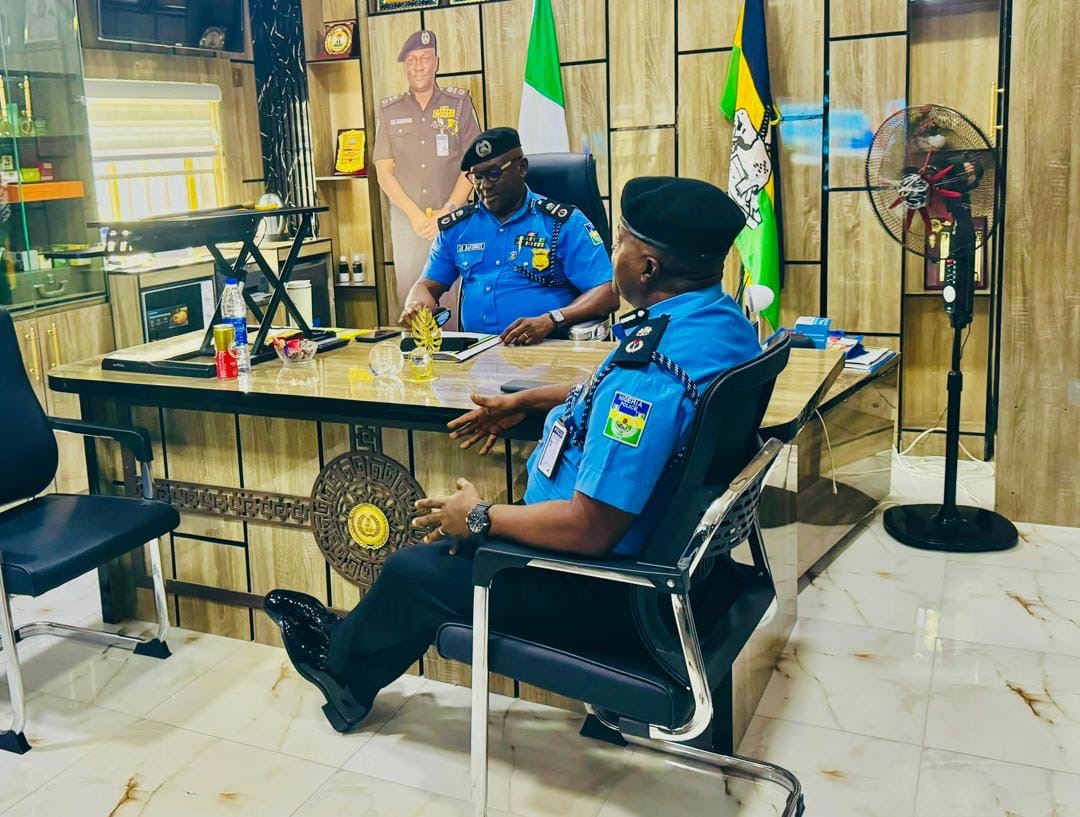
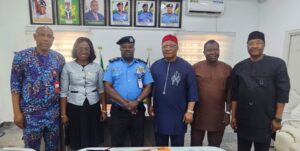
Enugu CP, Fidelis Ogarabe with the AIG Zone 13, Miller Dantawaye during the visit
Spread the love

The Commissioner of Police in Enugu State, CP Fidelis Ndubuisi Ogarabe, has intensified efforts to strengthen security and inter-agency collaboration following separate meetings with the Assistant Inspector-General of Police (AIG), Zone 13, Miller Gajere Dantawaye, and the Vice Chancellor of Enugu State University of Science and Technology (ESUT), Professor Aloysius-Michaels Nnabugwu Okolie.

Ogarabe, who recently assumed duty as the 30th Commissioner of Police in Enugu State, held the meetings on Wednesday, November 18, 2026, as part of engagements aimed at strengthening policing and security cooperation in the state.

During a courtesy visit to AIG Dantawaye at his office in Ukpo, Dunukofia Local Government Area of Anambra State, the commissioner formally notified his supervising officer of his assumption of duty.

CP Ogarabe and ESUT Vice, Michaels Okolie

Maduka College Advert

In response, the AIG congratulated him and wished him success in his new assignment, charging him to sustain professional, disciplined, proactive and effective community-driven policing in Enugu State.

In a related development, Ogarabe received the ESUT Vice Chancellor, Professor Okolie, alongside other principal officers of the university, at the Police Command Headquarters in GRA, Enugu.

The commissioner, an alumnus of ESUT, expressed appreciation to the university management for the visit and assured it of the command’s commitment to strengthening the existing partnership between the police and the institution.

He particularly pledged enhanced security within the university and its surrounding communities, with emphasis on tackling cultism and other related criminal activities.

Earlier, Professor Okolie congratulated Ogarabe on his deployment as Commissioner of Police in Enugu State and assured him of the university’s support in advancing security and public safety.

The Vice Chancellor also called for stronger collaboration between the university and the police to address security concerns within the institution and its environs.

He further extended a formal invitation to the police commissioner to attend the university’s forthcoming 22nd Convocation Ceremony.

The engagements underscore the new police commissioner’s focus on strengthening institutional relationships and community-based security partnerships as he begins his tenure in Enugu State.

The Commissioner of Police in Enugu State, CP Fidelis Ndubuisi Ogarabe, has intensified efforts to strengthen security and inter-agency collaboration following separate meetings with the Assistant Inspector-General of Police (AIG), Zone 13, Miller Gajere Dantawaye, and the Vice Chancellor of Enugu State University of Science and Technology (ESUT), Professor Aloysius-Michaels Nnabugwu Okolie.

Ogarabe, who recently assumed duty as the 30th Commissioner of Police in Enugu State, held the meetings on Wednesday, November 18, 2026, as part of engagements aimed at strengthening policing and security cooperation in the state.

During a courtesy visit to AIG Dantawaye at his office in Ukpo, Dunukofia Local Government Area of Anambra State, the commissioner formally notified his supervising officer of his assumption of duty.

In response, the AIG congratulated him and wished him success in his new assignment, charging him to sustain professional, disciplined, proactive and effective community-driven policing in Enugu State.

In a related development, Ogarabe received the ESUT Vice Chancellor, Professor Okolie, alongside other principal officers of the university, at the Police Command Headquarters in GRA, Enugu.

The commissioner, an alumnus of ESUT, expressed appreciation to the university management for the visit and assured it of the command’s commitment to strengthening the existing partnership between the police and the institution.

He particularly pledged enhanced security within the university and its surrounding communities, with emphasis on tackling cultism and other related criminal activities.

Earlier, Professor Okolie congratulated Ogarabe on his deployment as Commissioner of Police in Enugu State and assured him of the university’s support in advancing security and public safety.

The Vice Chancellor also called for stronger collaboration between the university and the police to address security concerns within the institution and its environs.

He further extended a formal invitation to the police commissioner to attend the university’s forthcoming 22nd Convocation Ceremony.

The engagements underscore the new police commissioner’s focus on strengthening institutional relationships and community-based security partnerships as he begins his tenure in Enugu State.

Continue Reading

News

U.S. Strategist Diana London Deletes Posts on Tinubu, Nigeria-U.S. Security Partnership

Published

on

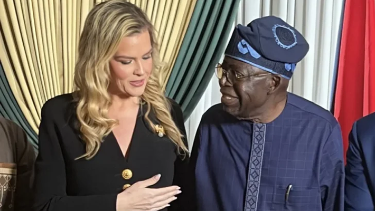
Diana London and President Tinubu
Spread the love

American political strategist and media personality, Diana London, has deleted posts on her X account relating to her recent engagement with President Bola Ahmed Tinubu and comments on Nigeria-United States security cooperation.

London had earlier shared photographs taken at the Presidential Villa, Abuja, showing her alongside President Tinubu and his Chief of Staff, Femi Gbajabiamila.

In another post, which has since been deleted, she described the Nigeria-U.S. security partnership as one that was “delivering results”, attributing the progress to the commitment of President Tinubu and U.S. President Donald Trump to combating terrorism, as well as Nigeria’s cooperation with Washington.

She also noted that the strengthening relationship between the two countries could create broader economic and trade opportunities, describing Nigeria as America’s “greatest ally in Africa”.

Maduka College Advert

In a separate post, London said it was an honour to work with individuals representing Nigeria in support of efforts to protect religious groups and strengthen relations between the Nigerian government and the Trump administration.

However, checks on her X account on Wednesday morning, November 18, showed that the posts were no longer available.

As of the time of filing this report, London had not offered any explanation for deleting the posts. It also remained unclear whether the decision followed official advice or was made independently.

The development has attracted public attention amid growing interest in Nigeria’s security partnership with the United States and questions surrounding London’s recent engagement with senior Nigerian government officials.

However, the deletion of the posts does not, in itself, indicate any change in the security cooperation between Abuja and Washington.

Continue Reading

Trending

Maduka College Advert