Politics
Five Key Considerations When Choosing Nigeria’s President in 2027

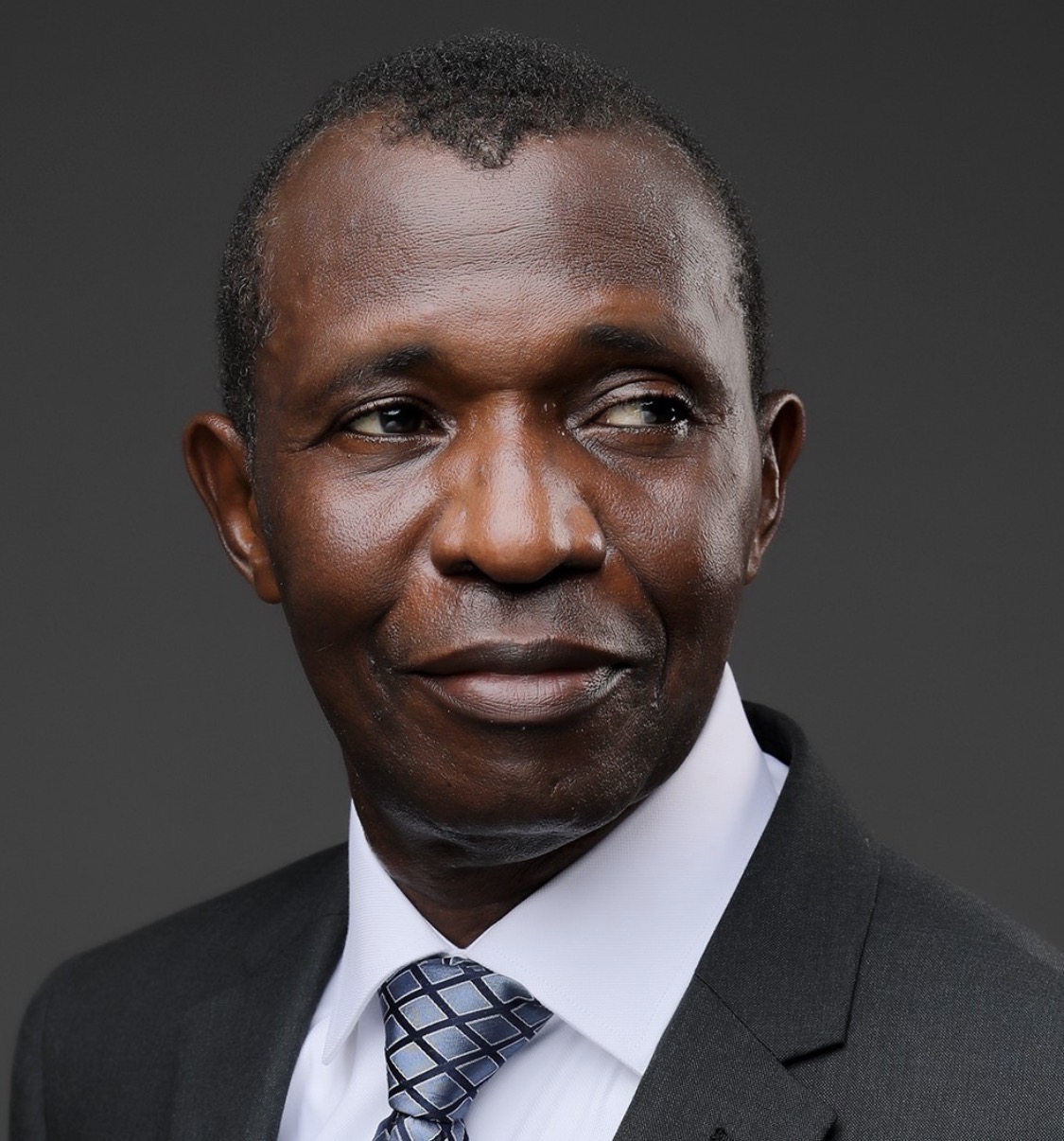
By Michael Owhoko, Ph.D.
As Nigerians prepare to go to the polls in January next year to elect a new president, the election presents another opportunity to determine the country’s future: whether to maintain the status quo, move backwards or make meaningful progress.

In making this choice, the electorate should be guided by five crucial factors that lie at the root of distrust and disunity — the twin obstacles undermining national progress and prosperity.

Until these issues are decisively addressed, expecting Nigeria to remain united, let alone prosper, may be delusional. The country is currently trapped in a complex web of pretence, with leaders operating under the guise of pseudo-patriotism, profound ethical deficits and hypocritical commitments to national unity.

No country can prosper in an atmosphere of pathological distrust and disunity. Challenges such as poor leadership, corruption, insincerity, ethnic conflicts, economic stagnation, insecurity, negative global perception and declining international indices are all manifestations of these underlying problems.
The five factors are political structure, Sharia law, constitutionalism, traitor-powered terrorism and sectional nepotism. How do these issues fuel disillusionment and perpetuate Nigeria’s seemingly endless struggle for nationhood, with the country increasingly at risk of drifting towards the precipice?
1. Political Structure
Nigeria operates a highly centralised political system that, in practice, is unitary in form, structure, organisation, intent and operation. The 1999 Constitution allocates 67 items to the Exclusive Legislative List and 13 to the Concurrent Legislative List, reflecting a powerful centre (the Federal Government) and relatively weak states (the federating units). Nigeria needs genuine federalism, not merely a federation in name.
This arrangement is unsuitable for a diverse country comprising more than 250 ethnic groups, each with distinct cultures, histories, beliefs, aspirations and traditional institutions. The federating units require substantial autonomy to determine their development priorities and manage their resources without excessive dependence on the Federal Government.
Nigeria should therefore be restructured into a genuine federal system in which states or regions exercise greater control over the mineral and natural resources within their territories while remitting an agreed percentage of revenue to the central government. Alternatively, the country could adopt a confederal arrangement comprising strong, relatively autonomous regions and a comparatively weak central authority.
Such restructuring would reduce the unhealthy dependence of states on monthly allocations from the Federation Account while encouraging resource development, productivity and economic competitiveness. It would also address perceived inequities in revenue allocation, under which states that contribute little or nothing to the common pool receive substantial allocations.
More importantly, decentralisation would reduce the excessive concentration of presidential powers and limit the arbitrary deployment of public resources for ethnic interests and political patronage. It would also reduce the desperation among ethnic groups and regions to capture political power at the centre primarily for sectional advantage rather than national development.
Nigeria therefore needs a president who is prepared to confront the dysfunctional political structure and champion genuine federalism.
2. Sharia Law
Nigeria is a multi-religious country, not an Islamic state. Section 10 of the 1999 Constitution prohibits the Federal Government and state governments from adopting any religion as a state religion.
Yet, 12 northern states — Zamfara, Kano, Sokoto, Gombe, Niger, Kaduna, Yobe, Kebbi, Katsina, Bauchi, Borno and Jigawa — introduced expanded Sharia criminal laws, generating controversy over the constitutional limits of religious law in a religiously diverse country.
This development has heightened religious tensions and deepened distrust, particularly among non-Muslims who perceive it as inconsistent with the country’s constitutional commitment to religious neutrality.
Closely related to this is Nigeria’s membership of the Organisation of Islamic Cooperation (OIC). In January 1986, the military government of General Ibrahim Babangida upgraded Nigeria’s status from observer to full membership without national consultation.
The decision generated disagreement within the military government, particularly from the then Chief of General Staff, Commodore Ebitu Ukiwe, who maintained that the matter had never been discussed by the Armed Forces Ruling Council.
Ukiwe’s objection reflected concerns shared by many non-Muslims across the country, further exposing the depth of religious distrust and disunity.
Whether or not the decision was motivated by an intention to Islamise the country, its implications for national cohesion cannot be ignored.
Nigeria needs a president with the courage and integrity to address these contentious issues while protecting religious freedom, constitutional neutrality and national unity.
3. Constitutionalism
Nigeria has a Constitution but lacks a strong culture of constitutionalism. Governments at all levels, public institutions and influential individuals frequently disregard constitutional provisions, established procedures and the rule of law, creating the impression that some people are above the law.
This situation undermines citizens’ confidence in the justice system, particularly when wealthy and politically connected individuals allegedly exploit their influence to frustrate justice.
In many instances, powerful individuals are heard intimidating others with statements such as: “Do you know who I am? I can kill you, and nothing will happen.”
There are numerous reported cases of arbitrary arrests, unlawful detention, torture and suppression of freedom of expression by security agencies, raising serious concerns about respect for the rule of law.
For instance, Section 287 of the 1999 Constitution, which provides for the enforcement of court decisions by all authorities and persons throughout the country, is frequently disregarded.
A notable example is the continued detention of Okuama community leaders in Delta State by the Nigerian military, despite a Federal High Court order. This illustrates the challenges of enforcing the rule of law and protecting citizens’ rights.
A credible presidential candidate must therefore demonstrate an unwavering commitment to constitutionalism, judicial independence, accountability and the equal application of the law, regardless of an individual’s wealth, status or political influence.
4. Traitor-Powered Terrorism
Nigeria has the capacity to defeat terrorist organisations such as Boko Haram, the Islamic State West Africa Province (ISWAP), Ansaru, armed Fulani militias, Mahmuda and Lakurawa. However, this advantage is undermined by alleged internal collaborators, traitors and saboteurs within government institutions, including the armed forces, intelligence services and other strategic security agencies.
The possibility of insider collaboration has been acknowledged by security officials and, notably, by former President Goodluck Jonathan, who raised the alarm during his tenure that Boko Haram had infiltrated government institutions, including the armed forces, police and other security agencies.
Painfully, alleged sabotage, particularly where driven by extremist jihadist ideology, poses a serious threat to a multi-religious country like Nigeria.
Until individuals involved in aiding and abetting terrorism are identified, investigated, prosecuted and, where found guilty, appropriately punished, Nigeria may continue to struggle to overcome this security menace.
The electorate should therefore vote for a presidential candidate with the courage, political will and capacity to identify and decisively deal with this challenge.
5. Sectional Nepotism
Ethnic prejudice, cronyism and sectional considerations frequently influence decisions by Nigerian leaders in the discharge of their official responsibilities.
The Presidency is particularly culpable in this regard, especially in appointments to strategic national positions, where ethnic and sectional interests sometimes take precedence over competence and merit.
The same tendency is evident in infrastructure development, where projects and their locations are sometimes determined by sectional considerations rather than economic viability, national priorities or the broader public interest.
Such practices undermine fairness, weaken institutions and deepen suspicion among Nigeria’s diverse ethnic and regional groups.
National interest must take precedence over ethnic loyalty, just as merit must prevail over mediocrity. Appointments, infrastructure development and the distribution of public resources should be guided by fairness, competence and national priorities to promote national unity.
The President Nigeria Needs
Indeed, Nigeria needs a president of integrity, free from ethnic and religious prejudice, with the courage, vision and capacity to address these five critical challenges.
Given the enormous powers vested in the President by the 1999 Constitution, the question is: which of the 18 presidential candidates has the political will to initiate the reforms necessary to restore public trust and strengthen national unity?
For too long, Nigeria has been held captive by these challenges, mired in a morass and trapped in a cycle of negativity, while groaning under escalating distrust and disunity fuelled by the five issues.
Sadly, these challenges have evolved into powerful influences shaping the behaviour of leaders and determining how public policies are formulated and implemented.
Even initiatives designed to promote national unity, including the establishment of Unity Schools, the National Youth Service Corps (NYSC), the National Orientation Agency (NOA), the Institute for Peace and Conflict Resolution (IPCR), the Federal Character Commission (FCC) and the Federal Ministry of Information and National Orientation, have proved largely cosmetic. They have failed to foster genuine national unity, inspire patriotism and bridge the widening trust deficit among Nigeria’s ethnic and geopolitical groups.
Unless these concerns are decisively addressed, Nigeria risks remaining trapped in a cycle of instability, insecurity and underdevelopment.
Dr Michael Owhoko, a Lagos-based public policy analyst, author and journalist, can be reached through his website, www.mikeowhoko.com, and followed on X (formerly Twitter) @michaelowhoko.



Politics
2027: APC Chairman Yilwatda Charges North-Central Governors, Guber Candidates to Unite for Tinubu’s Re-election
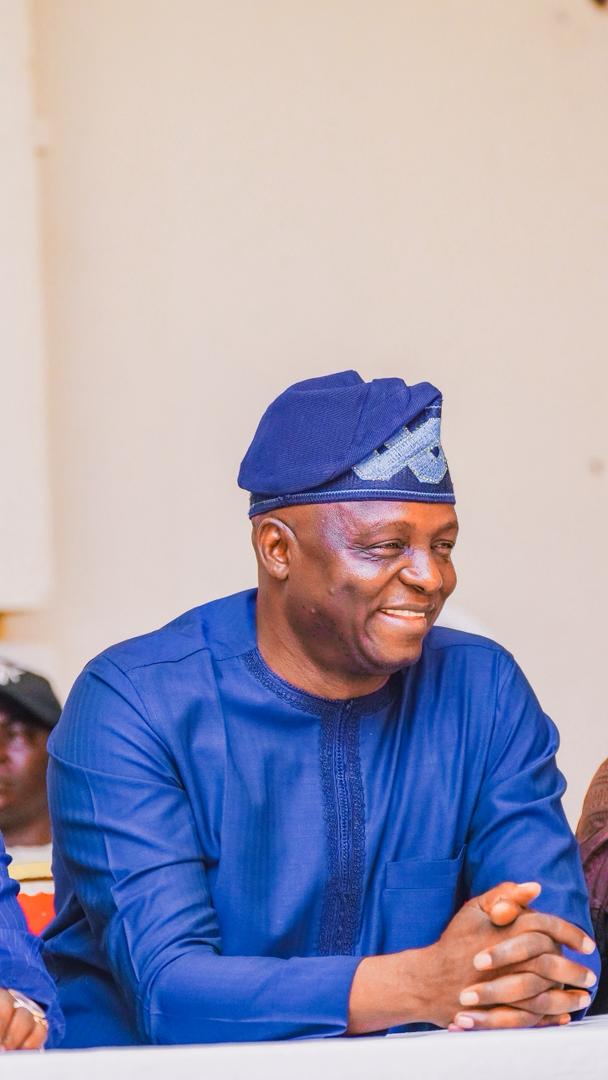
The National Chairman of the All Progressives Congress (APC), Prof. Nentawe Goshwe Yilwatda, has charged APC governors, governorship candidates and party leaders across the North-Central region to unite political stakeholders and mobilise massive support for President Bola Tinubu ahead of the 2027 presidential election.
Yilwatda gave the charge at the APC presidential campaign rally held at Azaria Road Stadium, Jos, Plateau State, where President Tinubu’s campaign train received an enthusiastic reception from party leaders, supporters and residents.
In a statement issued on Saturday by his Special Adviser on Media and Information Strategy, Abimbola Tooki, the APC chairman expressed satisfaction with the large turnout and what he described as renewed unity among party leaders and supporters in Plateau State.
He described the rally as evidence of the party’s growing cohesion and commitment to securing Tinubu’s re-election, urging residents to translate the enthusiasm demonstrated at the event into votes.
Yilwatda insisted that Plateau State must deliver a record-breaking electoral victory for the President, declaring that political leaders in the state were now fully united behind Tinubu.
He also described the President as a promise keeper who had fulfilled his commitments to Plateau State, arguing that the administration’s performance provided a strong basis for renewed public support.
A major highlight of the rally was the presentation of APC flags to the party’s governorship candidates across the North-Central states, a symbolic exercise aimed at strengthening party unity and consolidating its political structures ahead of the 2027 elections.
Addressing the party’s leadership across the region, Yilwatda specifically urged governors, governorship candidates and other stakeholders to put aside personal interests, reconcile differences and work towards a common political objective.
In Plateau State, he called on party leaders to sustain the unity already achieved and intensify mobilisation for Tinubu and other APC candidates.
He also charged the Benue State Governor and party leaders to harmonise competing interests, unite political stakeholders and mobilise voters for the party’s victory.
For Niger State, the APC chairman expressed confidence that the party’s leadership would use the flag presentation as a rallying point to strengthen unity and secure victory for Tinubu and other candidates.
Similarly, while presenting the party’s flag to its governorship candidate in Nasarawa State, Yilwatda urged him and other party leaders to provide purposeful leadership, unite stakeholders and mobilise support for the President.
He said the party must also work towards greater prosperity, peace and development in the state.
The APC chairman maintained that the North-Central region must approach the forthcoming elections with a common purpose, stressing that political differences and individual ambitions should not undermine the party’s collective interest.
He further directed party structures, elected officials, candidates and grassroots mobilisers to intensify engagements with voters and ensure that the enthusiasm recorded at the Jos rally translates into electoral support across the region.
“Our strength lies in our unity, our strategy is effective mobilisation, and our destination is victory. I therefore charge all our governors, governorship candidates and party leaders across the North-Central to unite every stakeholder in their respective states and work together to deliver maximum votes for President Bola Ahmed Tinubu.
“The Jos rally has demonstrated what we can achieve when we stand together. We must sustain this momentum, take our message to every community and ensure that our commitment to the President is reflected in our votes,” he said.
Yilwatda assured APC members and supporters that the party would sustain its mobilisation drive, strengthen its political structures and work collectively towards what he described as a decisive victory for Tinubu and all APC candidates in the 2027 general elections.
The statement was signed by Abimbola Tooki, Special Adviser to the APC National Chairman on Media and Information Strategy, and dated November 14, 2026.
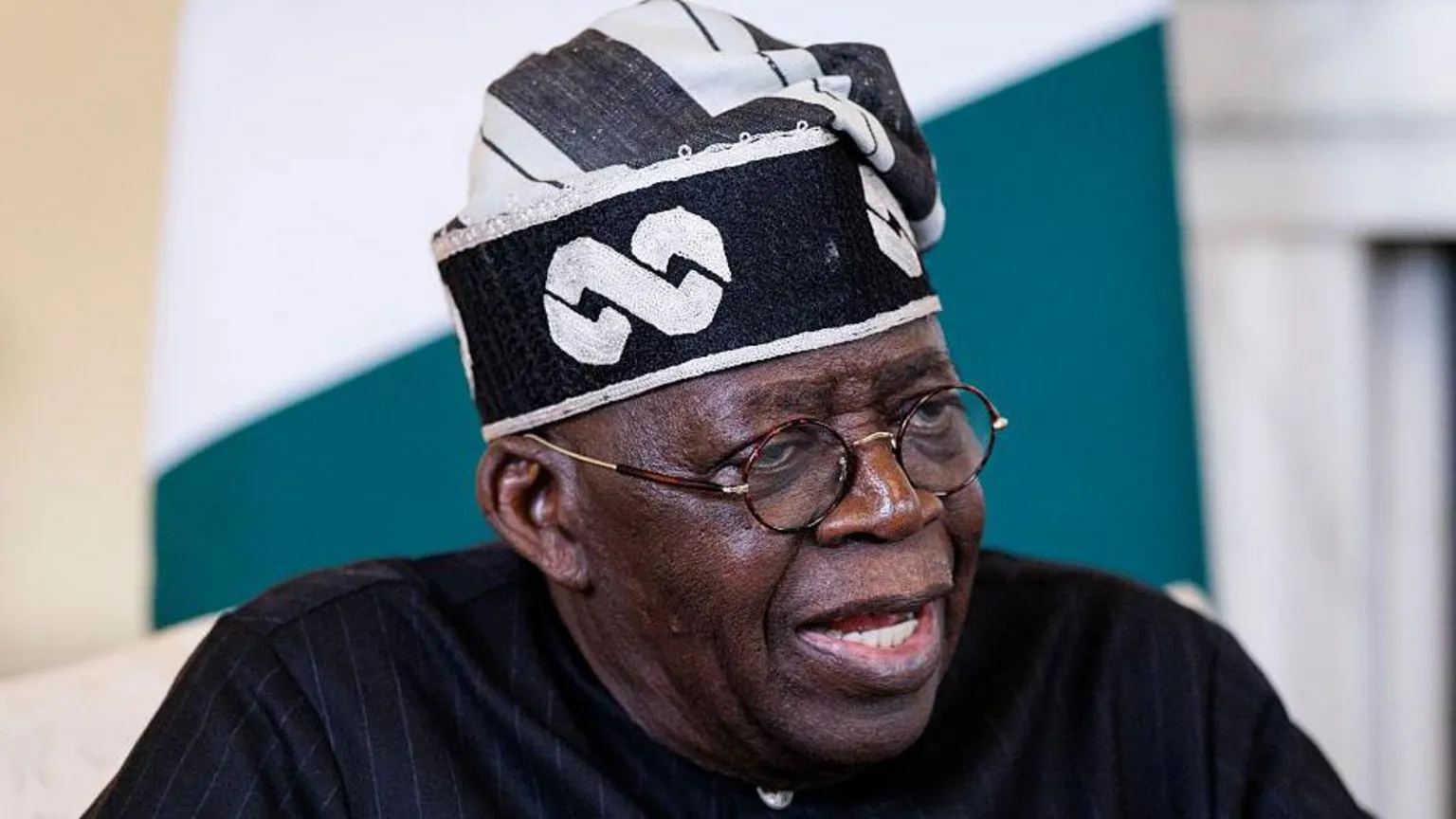
• APC chieftain says Igbo presidency ambition must wait, urges South-East to support President’s re-election
The All Progressives Congress (APC) South-East Organising Secretary and member of President Bola Ahmed Tinubu’s Re-election Campaign Council, Dozie Ikedife Jnr, has declared that no candidate can defeat Tinubu in the 2027 presidential election.
Ikedife also said the South-East’s ambition to produce a Nigerian president must be put on hold, insisting that an Igbo presidency is not politically achievable in 2027.
He made the remarks during an interview at his residence in Nnewi, Anambra State, at the weekend, where he argued that Tinubu had performed sufficiently well to deserve a second term in office.
According to him, the South-East must prioritise political realities and strategic negotiations over emotional considerations in pursuing its presidential ambition.
Quoting Imo State Governor, Hope Uzodimma, Ikedife urged Ndigbo to distinguish between what they desire and what is politically achievable.
“We desire an Igbo man to be president, but what is realisable today is for Tinubu to go and do his second tenure in office to lead Nigeria from his reforms to the era of prosperity,” he said.
He described it as unrealistic to assume that any presidential candidate could defeat Tinubu in 2027, given what he considered the President’s achievements in office.
“An Igbo man has a serious chance of becoming president, but I don’t see it being achievable in 2027. I respect the fact that an Igbo man is in the race, but we have to find ways to engineer our political movement so that we are not seen as being antagonistic or merely playing to the gallery,” he added.
Ikedife maintained that supporting Tinubu’s re-election would give the South-East a stronger bargaining position in national politics and improve its chances of securing support for an Igbo presidency in the future.
He argued that, under the country’s zoning arrangement, the presidency would return to the North after Tinubu’s second term, providing the South-East an opportunity to negotiate for its turn subsequently.
“Twelve years is not too long a time. With the support the South-East has given Bola Tinubu, we should be able to come to the table and negotiate support for an Igbo man to become president,” he said.
The APC chieftain regretted what he described as the South-East’s failure to engage in strategic political negotiations in the past, particularly during the administration of former President Goodluck Jonathan.
He recalled that some Igbo political leaders had supported Jonathan partly because of his name, Ebele, and his perceived connections with the South-East, without securing a structured political agreement that could advance the region’s presidential ambition.
He said the region must learn from the experience by developing a deliberate political strategy capable of attracting support from other geopolitical zones.
On the economy, Ikedife dismissed criticisms of Tinubu’s administration over the rising cost of living, arguing that economic challenges were part of a wider global situation and not peculiar to Nigeria.
He defended the removal of fuel subsidy, saying the policy had increased allocations to state governments and enabled several of them to embark on infrastructure projects, clear outstanding salary and pension arrears and improve workers’ welfare.
According to him, states that previously struggled to meet their salary obligations were now better positioned to pay workers, while increased federal allocations had also supported transportation interventions and other welfare programmes.
He also cited the new national minimum wage of N70,000, noting that some states, including Imo and Ebonyi, had gone beyond the national benchmark.
Ikedife maintained that Tinubu’s economic reforms were beginning to yield results and appealed to Nigerians to exercise patience as the country moved towards what he described as an era of prosperity.
The APC chieftain further predicted that Tinubu’s victory in 2027 would be easier than his 2023 electoral outing.
He recalled the cash scarcity that preceded the 2023 general election, when many Nigerians reportedly struggled to access their money despite having funds in their bank accounts.
He argued that the political atmosphere was now more favourable to the President, particularly with the reported backing of several state governors, including some elected on opposition party platforms.
“There must be something our political leaders know about President Tinubu that many people don’t know. Even opposition state governors are coordinating his re-election bid,” he said.
Ikedife also listed the administration’s interventions in education, road infrastructure and electricity sector reforms among the reasons Tinubu deserved another term.
He particularly highlighted the constitutional changes that moved electricity generation and distribution from the Exclusive Legislative List to the Concurrent Legislative List, allowing states to establish and regulate their own electricity markets.
Commenting on Anambra State Governor Charles Soludo’s decision to coordinate Tinubu’s re-election campaign in the state, Ikedife described the move as an expression of political sagacity.
He said Soludo had correctly advised the people of Anambra to move away from what he described as emotional politics and embrace a political approach driven by their interests.
According to him, Tinubu secured only about 5,000 votes in Anambra State during the 2023 presidential election but still emerged victorious nationally, making it necessary for the state to reconsider its political strategy ahead of 2027.
“With or without our 5,000 votes, he is going to be elected President of Nigeria again. What Soludo is saying is that for us to be part and parcel of national politics, to sit at the table and make demands for the dividends of democracy accruing to us as citizens of Anambra State and Nigeria, we must remove emotional politics,” he said.
Ikedife urged Anambra residents to support Soludo’s position, arguing that aligning with the ruling political establishment would give the South-East a stronger voice in national affairs.
He added that Soludo’s declaration that progressives were working together in Anambra reflected the political direction the state should pursue ahead of the 2027 general election.
Politics
Obi Defies Lagos Attack, Vows To Campaign Across Every Part Of State As Reps, Police Launch Probe
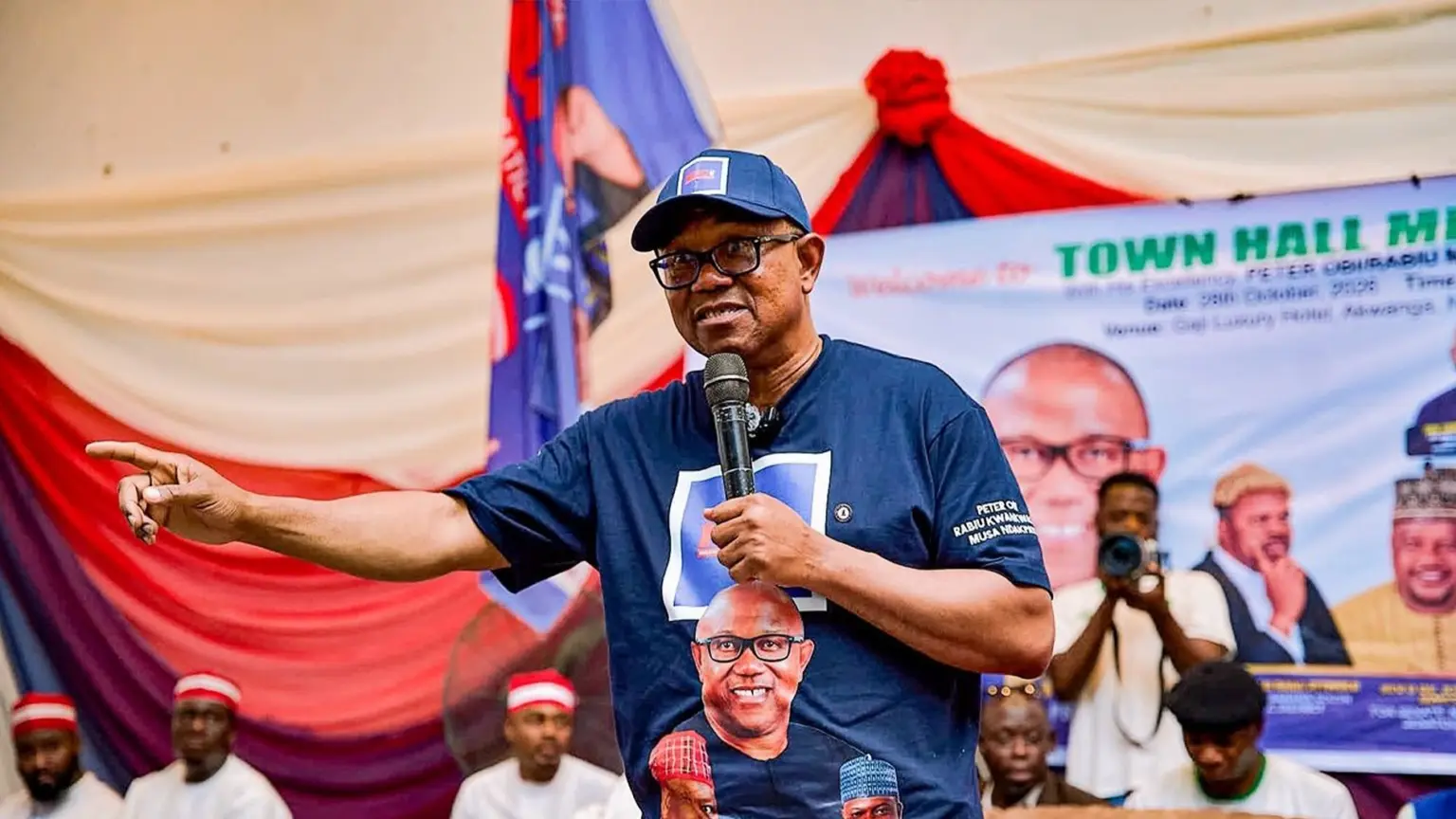
• The NDC presidential candidate condemns political violence, pledges to make Lagos a major driver of Nigeria’s economy, while the House of Representatives sets up a three-week committee to investigate attacks on political gatherings ahead of the 2027 elections.
The presidential candidate of the Nigeria Democratic Congress (NDC), Peter Obi, has vowed that the party will campaign across every part of Lagos State despite an attack on its supporters during a town hall meeting in Oregun, Ikeja.
Obi gave the assurance on Thursday while addressing party supporters at the gathering, which was disrupted by suspected political thugs who reportedly stormed the venue with dangerous weapons, injured participants and damaged vehicles.
The attack occurred at Classique Event Place, along Kudirat Abiola Way, Oregun, as party members were preparing for the arrival of Obi and his running mate, Rabiu Kwankwaso.
According to accounts from party members, the attackers, allegedly armed with cutlasses, cudgels and stones, invaded the venue around 11am, triggering panic and forcing several participants to flee for safety.
Some vehicles were reportedly vandalised, while at least four people were said to have sustained injuries, although the circumstances surrounding the incident remain under investigation.
Despite the disruption, Obi proceeded with the town hall engagement alongside Kwankwaso, his wife and the party’s Lagos governorship candidate, Funso Doherty.
Condemning the incident, the former Anambra State governor commended NDC supporters for their conduct and insisted that intimidation and violence would not prevent the party from reaching voters across Lagos.
“Today is not a campaign. We will campaign in every part of Lagos State. Our town hall meeting is an opportunity for us to listen to the people. We want to serve the people, and we must listen to them. That will give us the idea of what they want,” Obi said.
He assured supporters that their commitment to the party’s political movement would not be wasted, urging them to remain focused on building what he described as a new Nigeria.
Obi: Lagos Must Become Nigeria’s Economic Powerhouse
Speaking on his vision for Lagos, Obi described the state as central to Nigeria’s economic development but argued that it had yet to achieve the level of transformation witnessed in major global cities such as Shanghai and London.
“Lagos is important to us. Lagos is the mainstream of our economy, but today Lagos is not doing what Shanghai did to China or London did to the UK. We want Lagos to power Nigeria, and to power Nigeria, we want someone like Funso Doherty,” he said.
He urged Lagos residents to support Doherty’s governorship ambition in the 2027 elections.
On national security, Obi recalled his visit to Yelwata, where he said he witnessed the devastating consequences of violent attacks on communities.
He promised that an NDC-led government would prioritise the protection of lives and property, declaring that Nigerians should be able to travel freely without fear of kidnapping or attacks.
He also pledged to tackle corruption, improve electricity generation and distribution, make basic education compulsory and free, and establish functional primary healthcare centres in every ward across the country.
Obi said his administration would work towards generating, transmitting and distributing at least 10,000 megawatts of electricity within two to three years.
He also criticised President Bola Tinubu’s leadership, arguing that the presidency required consistent energy, commitment and availability.
Police Confirm Attack, Two Men Hospitalised
Meanwhile, the Lagos State Police Command has confirmed the incident and announced the commencement of an investigation.
The Police Public Relations Officer, Abimbola Adebisi, said two men identified as Akinyemi Akeem and Ibrahim Babsule sustained serious injuries and were taken to the Emergency Centre, Toll Gate, for medical attention.
According to the police, preliminary information suggested that the injured men were allegedly among those involved in the attack, adding that their individual roles were being investigated.
The command said officers responded to a distress call, restored normalcy to the area and commenced investigations to establish what happened and bring anyone found culpable to justice.
The NDC, however, alleged that about 200 suspected political thugs invaded the venue, accusing security operatives, including police and Department of State Services personnel, of failing to intervene promptly.
The party’s Lagos Publicity Secretary, Olushile Akinyemi, claimed that some of the security personnel watched as the attackers unleashed violence on party members.
The party also said one of the suspected attackers was apprehended and handed over to the police.
NDC Accuses APC, Ruling Party Denies Involvement
The incident has triggered accusations and counter-accusations between the NDC and the ruling All Progressives Congress (APC).
The NDC’s National Director of Publicity, Osai Director, accused the APC of masterminding attacks against its members in Lagos and Delta states, describing the incidents as attempts to undermine democracy.
However, the Lagos APC rejected the allegation, describing it as false and baseless.
The party’s Publicity Secretary, Seye Oladejo, said APC members and campaign officials were in Epe for the flag-off of their 2027 campaign activities when the incident occurred.
He challenged the NDC to provide credible evidence linking the APC to the attack and submit such evidence to security agencies.
The APC also condemned political violence and called on security agencies to strengthen intelligence gathering and prevent attacks on lawful political gatherings.
Similarly, the APC Presidential Campaign Council condemned attacks on political activities across the country and urged security agencies to arrest and prosecute those responsible.
House of Representatives Opens Investigation
In a related development, the House of Representatives has constituted an ad hoc committee to investigate reported cases of political violence, attacks on political gatherings and disruption of political activities across Nigeria ahead of the 2027 general elections.
The decision followed the adoption of a motion of urgent public importance sponsored by House Minority Leader, Fred Agbedi, and 16 other lawmakers on Thursday.
The committee, chaired by the House Leader, Prof. Julius Ihonvbere, has been given three weeks to investigate the immediate and remote causes of political violence and submit its findings.
Agbedi warned that the growing incidents of political intimidation, assault and destruction of property could threaten the peaceful conduct of the 2027 elections and undermine public confidence in Nigeria’s democratic process.
He cited several incidents across the country, including reported attacks in Enugu, Katsina, Nasarawa and Delta states.
The lawmaker also referenced Section 40 of the 1999 Constitution, which guarantees citizens the right to peaceful assembly and association, including the right to form and belong to political parties.
He urged the House to investigate the circumstances surrounding the incidents and examine the performance of public authorities responsible for enforcing relevant laws.
CDHR Demands 16-Year Ban For Beneficiaries Of Electoral Violence
Also reacting to the growing concerns, the Committee for the Defence of Human Rights (CDHR) has proposed that political candidates who benefit from electoral violence should be disqualified from contesting elections for up to 16 years.
The organisation’s National President, Debo Adeniran, said electoral contests should revolve around ideas, policies and programmes rather than intimidation, assault and destruction.
He urged political leaders to caution their supporters and called for investigations into reported attacks across the country.
Adeniran argued that individuals who organise or benefit from political violence should face appropriate sanctions, proposing amendments to electoral laws to make such disqualification possible.
Concerns Mount Ahead Of 2027 Elections
The latest attack comes amid growing concerns over political violence across the country as political activities gradually intensify ahead of the 2027 general elections.
The National Peace Committee recently reported 109 breaches of the National Peace Accord across 26 states and the Federal Capital Territory during a 10-week monitoring period between August 19 and October 27.
Political violence and thuggery accounted for 33 reported incidents, while misinformation and disinformation accounted for 29.
The committee identified Kaduna, Edo and Enugu as potential election flashpoints, citing recurring political violence, armed disruptions and other security concerns.
Other reported incidents include the attacks on political supporters in Katsina, the alleged attack on Peter Obi’s convoy in Calabar, and violence during a political procession in Asaba, Delta State, where one person was reportedly killed and five others injured.
The developments have renewed calls for security agencies to provide equal protection for all political parties and ensure that perpetrators of political violence are brought to justice, irrespective of their political affiliations.
With the 2027 elections approaching, Obi’s declaration that the NDC will campaign across every part of Lagos signals the party’s determination to continue its political activities despite the violence, while the ongoing police and legislative investigations will be closely watched.
-
 News18 hours ago
Nigerian Pastor Dies Aboard Flight From US
-
News2 days ago
BREAKING: Kwankwaso’s Convoy Attacked by Suspected Thugs in Kano, Vehicles Damaged
-
News2 days ago
10 Killed or Missing, 2,000 Displaced as Communal Clash Destroys 150 Houses in Anambra – NEMA
-
News3 days ago
Police Arrest Three, Including Governor’s Wife’s Orderly, Over Her Unauthorised Departure from Kano Government House
-
Faith1 day ago
‘Many Wrote Us Off, But God Proved Them Wrong’ – Enenche Celebrates Dunamis @ 30
-
News3 days ago
Kano Governor’s Second Wife, Zainab Kwankwaso, Files for Divorce, Offers to Refund Dowry
-
News2 days ago
Mbah: We’re Working to Bring Ekweremadu Back to Nigeria to Complete Prison Sentence
-
News20 hours ago
2027: Obaze Alleges Plot to Use Judiciary to Stop Obi, Kwankwaso, NDC Candidates