Opposition leaders under the G-100 coalition have said discussions among major presidential hopefuls on the emergence of a consensus candidate to challenge President Bola Tinubu in the 2027 general election are progressing steadily.
The coalition said leading opposition candidates had begun engaging one another on possible cooperation ahead of the polls, expressing optimism that a common candidate would emerge from the ongoing negotiations.
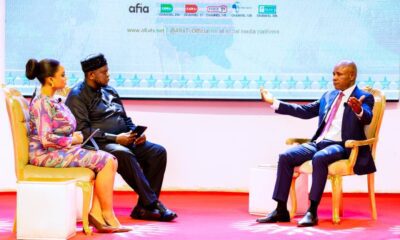
The group disclosed this in Abuja on Thursday during the inauguration of its legal and media committees, established to provide the necessary framework for inter-party negotiations and collaboration.
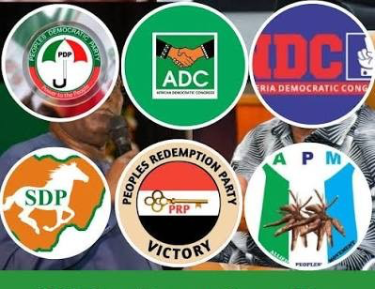
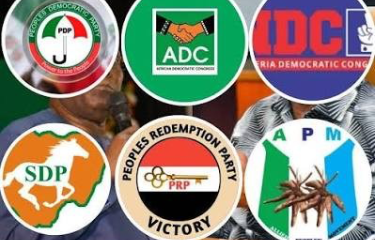
The parties participating in the initiative are the African Democratic Congress (ADC), Nigeria Democratic Congress (NDC), Peoples Redemption Party (PRP), Social Democratic Party (SDP), Peoples Democratic Party (PDP) and Allied Peoples Movement (APM).
Among the presidential hopefuls being considered are former Vice-President Atiku Abubakar of the ADC, Peter Obi of the NDC, Donald Duke of the PRP and Adewale Adebayo of the SDP.
National chairmen of the participating parties and other representatives attended the meeting.
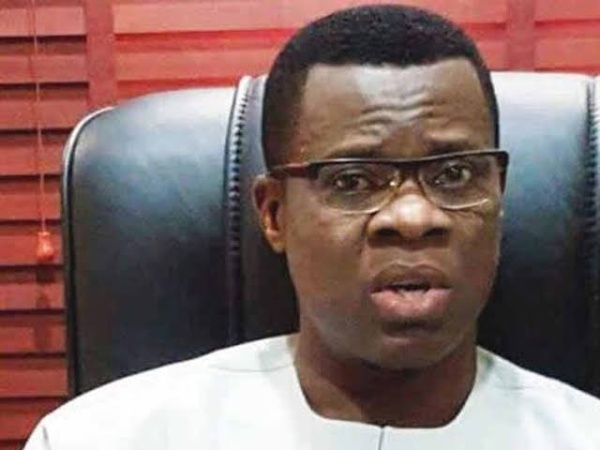
Speaking at the event, SDP National Chairman, Prof. Sadiq Umar Abubakar Gombe, who inaugurated the committees, said the coalition was putting in place the structures required to facilitate negotiations and cooperation among the parties.
He disclosed that party leaders had been engaging presidential aspirants, adding that the candidates themselves had also commenced discussions on possible collaboration before the end of the year.
“Our ambition is to present a candidate that can defeat APC and form the next government. And we’re making very good progress,” Gombe said.
He described the feedback from the participating parties and presidential hopefuls as encouraging, expressing confidence that outstanding issues would be resolved before the 2027 general election.
Although the coalition has yet to disclose the formula for selecting its preferred candidate, Gombe said it was moving beyond political declarations to establish a structured process for achieving its objective.
“Today, we take a deliberate step from intention to structure. The work of this coalition will be judged not only by the strength of our convictions, but by the discipline, precision and unity with which we carry it out,” he said.
Legal Committee to Address Electoral and Constitutional Issues
Gombe described the legal committee as a critical component of the coalition’s efforts to establish a workable and legally sound framework for cooperation.
The committee, comprising national legal advisers of the participating parties and other senior legal representatives, is expected to review outstanding legal disputes involving the parties, examine the actions of the Independent National Electoral Commission (INEC) in relation to relevant Supreme Court judgments and advise the coalition on available legal options.
It will also scrutinise working-group documents and negotiated agreements, identify potential legal risks, recommend safeguards and establish mechanisms for resolving disputes before any coalition agreement is adopted.
Gombe warned that overlooking critical legal provisions could jeopardise the entire process.
“We cannot afford surprises. A single overlooked clause can undo months of honest negotiation,” he said, urging members to demonstrate diligence, transparency and independent judgment.
Media Committee to Coordinate Coalition’s Messaging
The media and publicity committee, comprising national publicity secretaries and spokespersons of the presidential campaign councils of the participating parties, will coordinate the coalition’s public communication strategy.
Its responsibilities include harmonising public statements, coordinating media engagements and announcements, and ensuring consistency in the coalition’s positions.
The committee is also expected to establish procedures for authorising joint statements and consult the legal committee on sensitive constitutional and legal issues.
Gombe urged members of both committees to operate within their respective mandates, coordinate their activities and submit regular reports to the coalition’s leadership.
Coalition Cites Economic Hardship, Insecurity
The SDP chairman said the coalition was responding to the need for credible political alternatives amid the country’s economic and security challenges.
He noted that insecurity, rising living costs, unemployment and declining purchasing power continued to affect Nigerians, adding that the performance of the Tinubu administration should be assessed against its record and policy outcomes.
According to him, persistent policy failures, declining public confidence, institutional weaknesses and inadequate accountability could become entrenched if the concerns of citizens were not adequately addressed.
“Any decision concerning the continuation of the present administration under President Bola Ahmed Tinubu must be assessed against its record, its policy outcomes, and its capacity to address the country’s pressing problems,” he said.
Gombe maintained that no administration was above public scrutiny, stressing that political office should be regarded as a responsibility entrusted by the electorate rather than an entitlement.
He said the opposition was committed to presenting credible alternatives, defending constitutional democracy and ensuring that political debates remained peaceful, informed and focused on the national interest.
“The strength of this coalition will not be measured by the number of parties represented here, but by our unity of purpose, discipline, credibility, and commitment to the Nigerian people,” he said.
He urged the participating parties to place national interest above personal ambitions and partisan differences, warning that the coalition’s success would depend on their ability to work together towards a common objective.