News
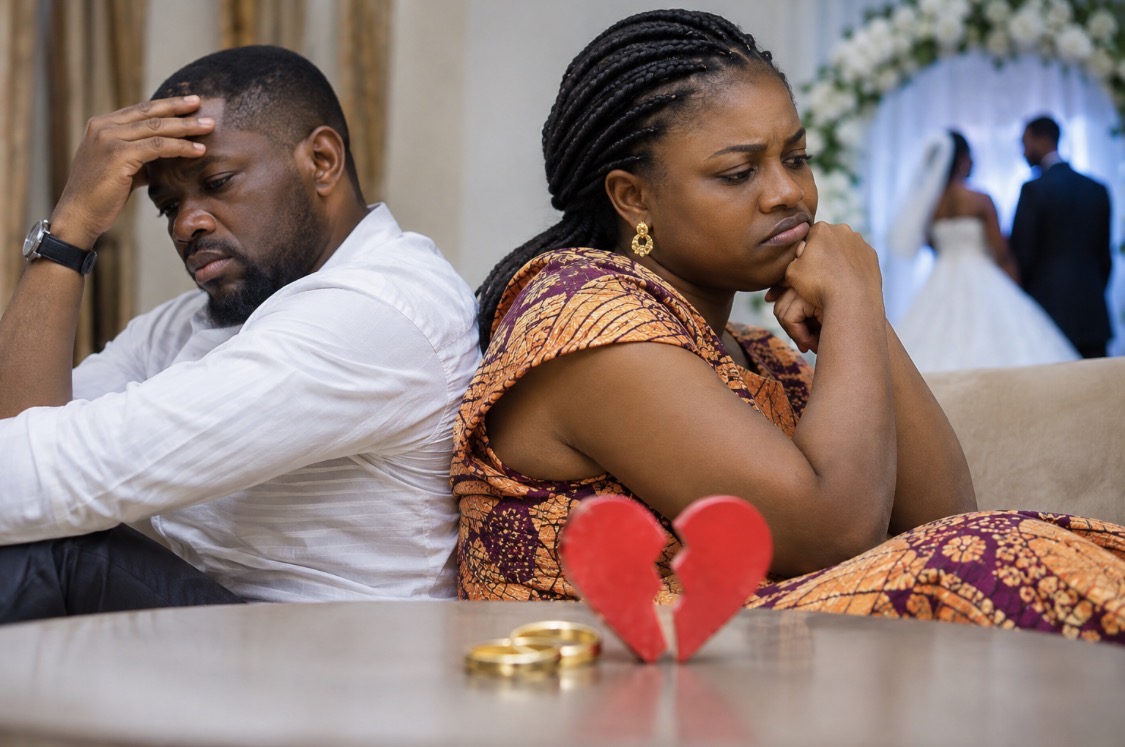
Marriage Under Threat: Has Love Disappeared? Why Many Marriages Are Crashing and Young Men Are Afraid to Marry

ADVOCATE SUNDAY DISCOURSE
By Tony Edike
Marriage was traditionally regarded as one of life’s most beautiful institutions. It represented love, companionship, commitment, sacrifice and the coming together of two people who had chosen to build a future together.
For generations, marriage was not necessarily about how much money a man had, the type of car he drove, the house he lived in or the social status he commanded. It was about finding someone with whom to share life’s journey, confront challenges, raise children and grow old together.

But something appears to be changing.

Across society, conversations about marriage are increasingly dominated by divorce, infidelity, domestic violence, financial expectations, emotional neglect, betrayal and irreconcilable differences.

Many marriages that began with elaborate wedding ceremonies, expensive receptions, beautiful photographs and public declarations of undying love are ending in bitterness, disappointment and separation.
Even more disturbing is the growing number of young men who openly express fear of marriage.
Some say they are not financially ready. Others believe marriage has become too expensive, emotionally demanding and financially risky. Some point to failed marriages around them as reasons to remain single, while others fear entering relationships where their financial capacity may determine how much love and respect they receive.
This raises an important question: Has genuine love disappeared from modern relationships, or have we simply changed what we understand love and marriage to mean?
When money becomes more important than love
One of the issues generating serious debate among young people today is the growing emphasis on financial status when choosing a marriage partner.
For some women, a man’s financial standing appears to have become a major, sometimes decisive, consideration in marriage.
A prospective husband is assessed by his monthly income, business interests, political connections, properties, cars, lifestyle and ability to provide a comfortable life.
Questions such as whether he owns a house, drives a luxury vehicle, has a stable business or can afford an expensive wedding and honeymoon have become important considerations in some relationships.
There is nothing fundamentally wrong with a woman desiring a financially stable husband. Marriage comes with responsibilities, and financial security is an important consideration when planning a family.
Women have every right to seek responsible, hardworking and economically stable partners.
However, there is a difference between seeking a responsible man who can provide for his family and making wealth the primary qualification for love.
When a man’s financial position becomes the most important measure of his suitability for marriage, what happens when his business collapses, he loses his job, suffers a financial setback or experiences difficult times?
Will the love survive?
Will the woman remain committed when the luxury lifestyle disappears?
Will she still see him as the man she chose to spend the rest of her life with?
These are important questions because marriage is not a permanent holiday in which everything goes according to plan. There are seasons of abundance and seasons of difficulty.
A woman who marries a wealthy man must understand that wealth can disappear. Equally, a man who marries a beautiful woman must understand that physical beauty changes with age.
Marriage requires something deeper than the things that initially attract two people to each other.
Why are young men becoming afraid of marriage?
It is becoming increasingly common to hear young men say they would rather remain single than enter a marriage that could destroy their peace, finances and emotional well-being.
Some have witnessed their fathers struggle in troubled marriages. Others have watched friends lose their properties, businesses and savings following bitter separations.
There are also men who believe that the expectations placed on husbands have become overwhelming.
A man is expected to provide accommodation, pay bills, finance the children’s education, meet household needs, support extended family members and maintain a comfortable lifestyle.
In some relationships, these responsibilities are accompanied by demands for expensive gifts, holidays, luxury shopping and a standard of living that may be beyond his financial capacity.
When he struggles to meet these expectations, he may be described as irresponsible, incapable or unworthy of being a husband.
But the question is: Must a man be wealthy before he deserves genuine love?
Should a young man who is hardworking, honest, responsible and committed to building his future be dismissed simply because he has not yet achieved financial success?
There are men who are genuinely afraid of marriage because they believe they are being assessed more by what they possess than by who they are.
Nevertheless, men must also accept responsibility for some of the problems affecting modern marriages. Some enter relationships without emotional maturity, financial discipline or a genuine understanding of commitment.
Others expect their wives to provide emotional support, loyalty and respect while failing to demonstrate the same qualities.
Some are unfaithful, abusive, controlling and unwilling to take responsibility for their families.
Marriage cannot succeed when one partner expects everything and contributes little.
The biblical standard: Love is a responsibility, not just a feeling
The Bible provides a powerful explanation of what marriage should represent.
In Ephesians 5:28–29, Apostle Paul writes:
“In this same way, husbands ought to love their wives as their own bodies. He who loves his wife loves himself. After all, no one ever hated his own body, but he feeds and cares for it, just as Christ does the church.”
This passage presents a profound standard for husbands.
A husband is not merely expected to provide money and accommodation. He is expected to care for his wife, protect her dignity, consider her feelings and treat her with the same concern he gives himself.
The Bible further states in Ephesians 5:33:
“However, each one of you also must love his wife as he loves himself, and the wife must respect her husband.”
This is a relationship built on mutual responsibility.
The husband is instructed to love, while the wife is instructed to respect her husband. Neither instruction should be used as an excuse for abuse, intimidation, oppression or the denial of the other’s dignity.
Colossians 3:19 is even more direct:
“Husbands, love your wives and do not be harsh with them.”
This means a man cannot claim to be a good Christian husband while constantly humiliating, intimidating, insulting or physically abusing his wife.
Similarly, 1 Peter 3:7 instructs husbands to live with their wives considerately and treat them with respect as fellow heirs of the gift of life.
In other words, Christianity does not present marriage as an arrangement in which a man acquires ownership of a woman. It is a partnership in which both individuals have responsibilities before God.
What does the Bible expect from wives?
The Bible also speaks clearly about the responsibilities of women in marriage.
First Peter 3:1–4 encourages wives to demonstrate respect for their husbands and emphasises the importance of inner beauty, a gentle and quiet spirit, and godly character.
The passage teaches that a woman’s worth should not be measured merely by her physical appearance, expensive jewellery, fashionable clothing or elaborate hairstyles.
Rather, character, humility, wisdom and a godly disposition are presented as qualities of lasting value.
This is particularly relevant in an age where social media has created enormous pressure to maintain expensive lifestyles and compete with other couples.
Some people appear to measure the success of marriage by the quality of photographs they post, the destinations they visit, the gifts they receive and the material possessions displayed online.
But a beautiful wedding does not guarantee a successful marriage.
A luxurious home does not automatically produce a peaceful family.
And expensive gifts cannot permanently replace affection, understanding, loyalty and emotional support.
However, biblical submission and respect must never be interpreted as permission for a woman to endure violence or abuse. Respect in marriage must exist alongside love, safety and dignity.
The danger of social media and unrealistic expectations
Social media has also contributed to the changing perception of marriage.
Young people are constantly exposed to photographs and videos of couples travelling abroad, celebrating anniversaries in expensive restaurants, exchanging luxury gifts and living in beautiful houses.
What is often missing from these pictures is the reality behind the camera.
The financial struggles, disagreements, sacrifices, disappointments and personal challenges that accompany marriage are rarely displayed.
As a result, some young people have developed unrealistic expectations about what marriage should look like.
A young woman may begin to believe that a successful marriage must involve a husband who can provide everything she sees other women displaying online.
A young man may conclude that marriage is only for wealthy people who can afford expensive weddings, houses and luxury lifestyles.
Both perceptions are dangerous.
Marriage is not a competition, and a couple should not destroy their financial future trying to impress people who have no responsibility for their household.
Where has companionship gone?
Perhaps one of the biggest problems with modern relationships is that people are increasingly interested in what they can get from marriage rather than what they can contribute to it.
Some women want husbands who can provide everything but are unwilling to support their partners through difficult times.
Some men want obedient and supportive wives but are unwilling to listen, compromise, show affection or share domestic responsibilities.
Some people enter relationships with the intention of changing their partners into the individuals they have always imagined.
Others marry because of pressure from parents, age, pregnancy, financial convenience or the desire to avoid being described as unmarried.
But marriage built on pressure, convenience or material expectations may struggle when the initial excitement disappears.
A successful marriage requires friendship.
A husband and wife should be able to communicate freely, laugh together, disagree without destroying each other emotionally, make plans and support one another’s ambitions.
They should be able to discuss financial difficulties without humiliation and resolve disagreements without involving every member of their extended families.
Most importantly, they must understand that marriage is not a contest to determine who has greater authority.
It is a partnership in which both individuals must be willing to make sacrifices.
Men must also rethink their understanding of marriage
While much attention is often directed at women’s financial expectations, men must equally examine their attitudes towards marriage.
Some men want wives who will respect them but do not understand that respect is strengthened by responsible leadership, honesty, kindness and consistency.
A man cannot demand loyalty while being unfaithful.
He cannot demand peace while creating an atmosphere of fear in his home.
He cannot expect his wife to support his ambitions while deliberately frustrating hers.
Providing money is important, but financial provision alone does not make a good husband.
A woman also needs companionship, affection, emotional security, communication and the assurance that her husband values her beyond her domestic responsibilities.
Similarly, women must understand that a husband is human. He can experience failure, disappointment, unemployment and financial difficulties.
A man should not be reduced to his bank balance, just as a woman should not be reduced to her physical appearance or ability to bear children.
What should young people look for before marriage?
Before entering marriage, young men and women should look beyond physical attraction and financial status.
They should examine character, emotional maturity, honesty, temperament, financial discipline, family values, religious convictions and the ability to resolve disagreements.
They should discuss expectations concerning children, careers, finances, extended family responsibilities, religion and household management.
Young people must also learn that love does not mean ignoring warning signs.
A person who is violent, dishonest, manipulative or consistently irresponsible does not automatically become a good spouse because a wedding ceremony has taken place.
Marriage should be entered into with preparation, understanding and a willingness to build a future together.
There is also no shame in taking time to establish oneself financially before getting married. But there is danger in allowing the pursuit of wealth to become an endless condition for loving or being loved.
Is marriage still worth it?
Despite the growing number of failed marriages, marriage remains a valuable institution.
There are still husbands who sacrifice for their families, wives who stand firmly beside their husbands, and couples who have built lasting relationships through love, patience, faith, understanding and mutual respect.
Their marriages may not always be perfect, but they understand that commitment means remaining willing to work through challenges together.
The problem, therefore, is not necessarily that marriage has lost its value. It is that some people have lost sight of the values that make marriage work.
We cannot continue to celebrate extravagant weddings while neglecting the preparation required to sustain marriages.
We cannot demand that men demonstrate financial strength while ignoring their emotional needs.
We cannot demand that women submit while excusing men who refuse to love.
And we cannot continue to preach about family values while tolerating domestic violence, infidelity, dishonesty and selfishness.
The greatest question should not be how much a man has before marriage or how beautiful a woman looks on her wedding day. It should be whether both individuals possess the character, maturity and willingness to build a home together.
A final reflection
Perhaps it is time for society to return to the fundamental understanding that marriage is not a business transaction.
A man should not marry a woman simply because she is beautiful, and a woman should not marry a man simply because he is wealthy.
Beauty fades. Wealth fluctuates. Businesses collapse. Careers change. Children grow up. Life presents unexpected challenges.
What remains important is the character of the people involved and their willingness to honour the promises they made to each other.
To young men who are afraid of marriage, do not allow the failures of other people’s marriages to convince you that genuine love no longer exists. But do not rush into marriage without preparation and discernment.
To young women, it is perfectly reasonable to desire financial security, but do not allow the pursuit of a wealthy husband to blind you to the value of character, kindness, responsibility and genuine affection.
And to married couples, remember that your home is not a competition. It is a partnership.
Perhaps the words of Ephesians 5:25 offer the most important reminder to husbands:
“Husbands, love your wives, just as Christ loved the church and gave himself up for her.”
If husbands truly understood this responsibility, and wives equally embraced the values of respect, faithfulness and partnership, many of the problems threatening marriages today could be addressed.
The question is not whether love still exists. The question is whether we are still willing to love beyond money, beauty, convenience and personal gratification.
Because marriage should be about building a life together, not merely finding someone who can finance the lifestyle we desire.










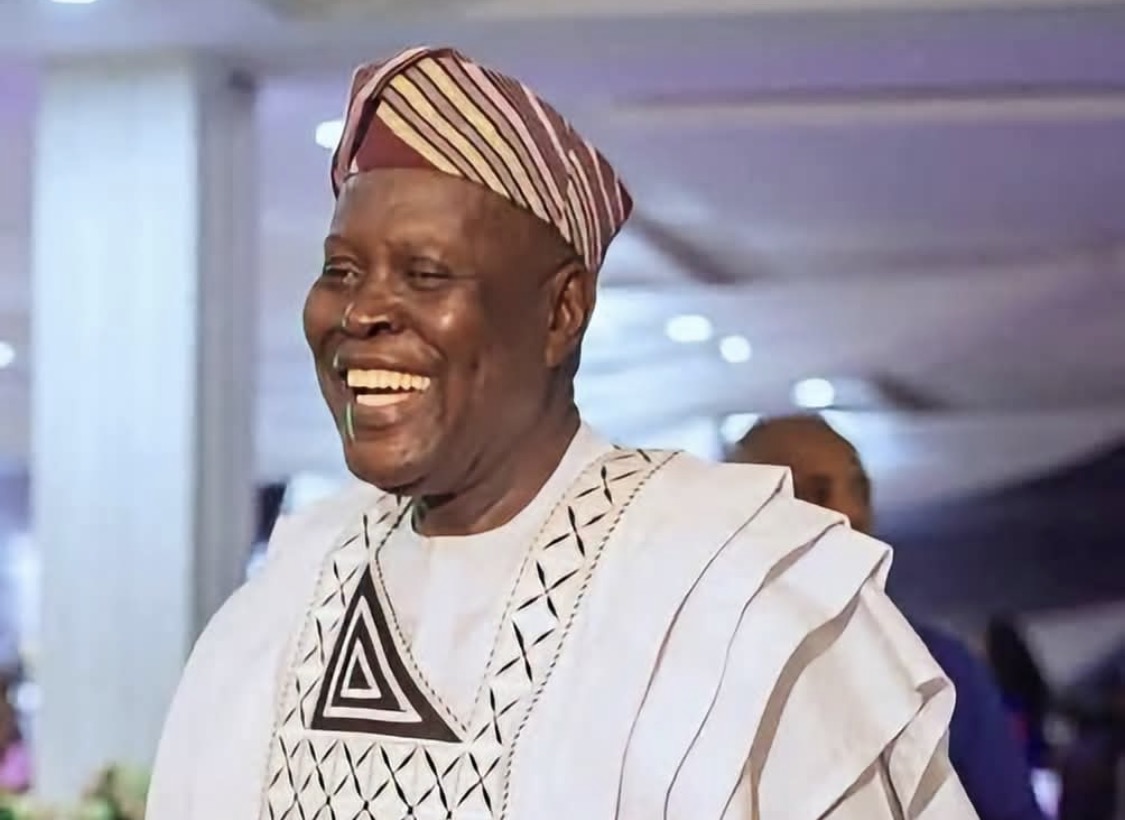
TRIBUTE TO A REMARKABLE JOURNALIST AND COMRADE
By Paul Mumeh
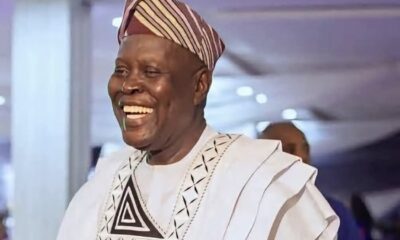
The news of the sudden death of my dear friend, comrade and brother, Abduljelil Adebayo, came to me as a rude shock, leaving me profoundly saddened and struggling to find words to express the depth of my grief. It is one of those painful moments when words fail to capture the enormity of a loss, leaving the heart grappling with the cruel reality of an unexpected departure.
Abduljelil was more than a friend and colleague. Our paths first crossed when I was transferred from Enugu to Abuja in the early 2000s. He was among those who warmly welcomed me into the National Assembly Press Corps. At the time, Abduljelil was covering the House of Representatives for Champion Newspapers, while I reported from the Senate for the old Daily Times of Nigeria Plc. Those were the good old days when journalism was regarded as a noble calling and journalists commanded considerable respect and influence.
He was a consummate parliamentary reporter, a thoroughbred journalist, media consultant, public affairs analyst and former Chairman of the Nigeria Union of Journalists (NUJ), Abuja Council. His professional competence, intellectual depth and unwavering commitment to the journalism profession earned him the respect and admiration of his peers.
Beyond his impressive professional credentials, however, Abduljelil was an extraordinary human being. He was my comrade, but over the years, our friendship blossomed into a genuine bond of brotherhood. We shared memorable moments, exchanged ideas, disagreed on issues, encouraged one another and, above all, nurtured a relationship that transcended the ordinary.
Abduljelil was, indeed, a jolly good fellow. His trademark smile was perhaps one of his most enduring attributes. Regardless of the odds, provocations or circumstances, he had a peculiar way of wearing that disarming smile that could melt even the hardest heart. You could be terribly angry with him, but one encounter with that infectious smile would almost certainly dissolve your anger. That was Abduljelil: warm, cheerful, accommodating and genuinely humane.
Interestingly, in the months preceding his death, Abduljelil appeared to have embraced a deeper spiritual consciousness. He became increasingly religious, almost as though he was preparing for a journey whose destination was known only to his Creator. His writings and social media posts became regular reflections on faith, righteousness, humanity, justice and the ultimate destination of every mortal.
He preached the Good News, spoke passionately about the heavenly race and consistently shared nuggets of wisdom and thoughtful counsel. His messages were often more than ordinary social media posts; they were practical lessons in humanity, compassion, fairness and the imperative of living a life worthy of our Creator. He never hesitated to speak against injustice or remind people of the transient nature of earthly accomplishments and the eternal significance of our deeds.
Looking back, one cannot help but wonder whether those frequent spiritual reflections were, in some mysterious way, a prelude to his eventual transition. Perhaps he was simply living out his faith with greater conviction. Whatever the case, his final months appeared to be marked by an unusual preoccupation with the things that truly matter beyond this earthly existence.
My last conversation with Abduljelil was barely a fortnight before his death. He had sent me a political opinion article which he wanted published on my local media platform, and I obliged. As always, he was generous with his words of appreciation and prayers. Among the things he said to me was this touching expression: “God will bless you and keep you for me.”
Those words have since assumed a profoundly different meaning. Little did I know that it would be one of our final exchanges. I never imagined that the man who was wishing me God’s blessings and protection was himself so close to answering the final call of his Maker.
Only a few months ago, we were together at his daughter’s wedding. Abduljelil was everywhere, bubbling with life, excitement and happiness. He was visibly delighted, moving around with the infectious enthusiasm that characterised him. There was absolutely nothing in his disposition to suggest that he was battling any ailment or infirmity that could have prepared us for such a sudden departure.
That is why his death is particularly painful. It is difficult to reconcile the lively, smiling and energetic Abduljelil we celebrated at his daughter’s wedding with the cold reality of his sudden exit. Life, indeed, is a mystery, and death remains the most unpredictable visitor.
I have lost a friend, a confidant, a professional colleague and, more importantly, a brother. His death is not just another loss to the journalism community; it is a deeply personal tragedy for me. The void he has left in his family and among those who enjoyed his companionship will be difficult to fill.
We cannot question the will of the Almighty. As William Shakespeare aptly observed, “Death is a necessary end, that will come when it shall come.” Yet, knowing that death is inevitable does not make the departure of a loved one any less painful.
For me, the loss of Abduljelil is akin to losing a thousand souls in a pogrom. That is how deeply his departure has wounded me.
Perhaps the most painful part is that we are left with memories of conversations that will never happen again, messages that will no longer arrive, political arguments that will no longer be exchanged and that familiar smile that will never again greet us in this world.
Abduljelil, my dear brother, I struggle to say goodbye. Your friendship was a gift, your brotherhood a privilege, and your memories an inheritance I shall forever cherish.
If there is one thing I would wish you to carry with you into eternity, it is your trademark smile. Please, Abdul, continue to wear that smile wherever you are. Do not cease to smile until we meet again on the other side, where there shall be no parting, no sorrow and no tears.
You came, you lived, you touched lives and you left indelible footprints. The journalism profession has lost an accomplished practitioner; your family has lost a beloved husband and father; your friends have lost a dependable companion; and I have lost a brother.
But what we have lost in you, heaven has gained.
Adieu, my dear Abduljelil.
May the Almighty God forgive your shortcomings, accept your good deeds and grant your family, friends and all of us you have left behind the fortitude to bear this irreparable loss.
Rest peacefully, my brother. Until we meet to part no more.
Paul Mumeh
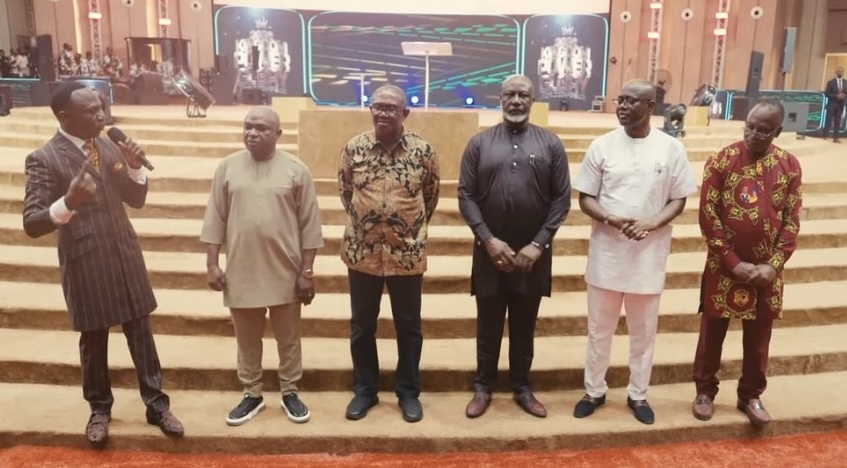
Politicians across party lines seek God’s intervention, pray against electoral violence, technical failures and post-election disputes
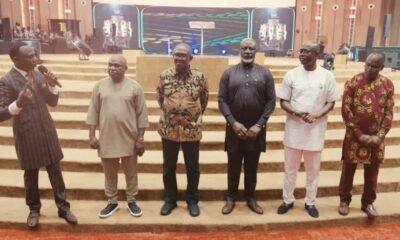
Pastor Dr. Paul Enenche, Senior Pastor of Dunamis International Gospel Centre, on Friday night led prominent Nigerian politicians across political divides in prayers for peaceful, credible and successful conduct of the 2027 general elections.
The politicians, including the presidential candidate of the Nigeria Democratic Congress (NDC), Mr Peter Obi; Oyo State Governor, Seyi Makinde; and Senator Dino Melaye, joined the congregation at the church’s Nations Worship programme held at the Glory Dome headquarters in Abuja.
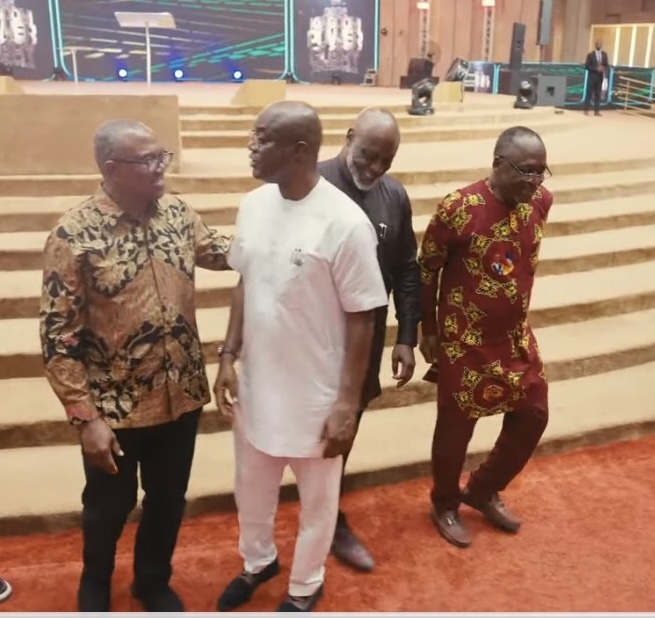
Representatives of other political parties, including the All Progressives Congress (APC) and the Peoples Democratic Party (PDP), also participated in the intercessory prayers.
Politicians Unite Across Party Lines
At the session, Enenche invited the political leaders to the front of the congregation, where they held hands in a symbolic demonstration of unity and collective commitment to Nigeria’s future, despite their different political affiliations.
The cleric said the gathering was an opportunity for Nigerians across political divides to seek God’s intervention in the affairs of the country, expressing hope that the nation’s political fortunes would change for the better.
He urged the politicians and the congregation to pray for God’s perfect will to prevail in Nigeria, stressing that the interest of the nation should take precedence over individual political ambitions.
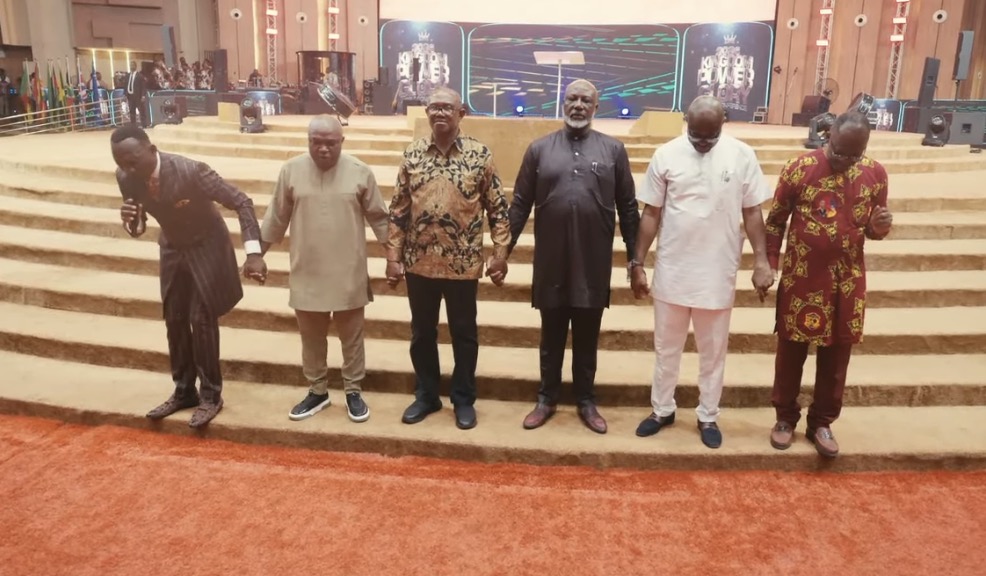 According to him, the church accommodates members with different political persuasions, making it important for Christians to pray for the overall good of the country rather than promote partisan interests.
“Father, we are asking that your perfect will for our nation, Nigeria, be done,” he led the congregation in prayer.
Enenche Urges INEC to Ensure Credible Elections
Enenche also called for divine intervention in the activities of the Independent National Electoral Commission (INEC), urging the electoral body to discharge its responsibilities with integrity and ensure that the right thing was done.
He specifically prayed for the proper functioning of the Bimodal Voter Accreditation System (BVAS) and the INEC Result Viewing Portal (IReV), as well as other electoral equipment and technological infrastructure.
The cleric prayed against technical failures, internet disruptions, power outages and other challenges that could undermine the credibility of the electoral process.
“Let the BVAS work, let IReV work, let there be no glitches, let the internet work,” he prayed.
Seeks Election Without Post-Election Litigation
The pastor further called on God to grant Nigeria an election so transparent, credible and conclusive that there would be no need for prolonged post-election litigation.
Enenche said the country needed an electoral process that would reflect the will of the people, regardless of the candidate or political party that eventually emerged victorious.
“Let God give us such a tidy election that there will be no need for court,” he said, adding that judges should be spared the burden of resolving avoidable electoral disputes.
Prays Against Bloodshed, Post-Election Crisis
He also prayed against electoral violence, bloodshed and post-election crises, urging Nigerians to reject actions capable of threatening national peace and stability.
The cleric called on the congregation to seek a peaceful electoral process in which no Nigerian would lose their life because of political differences or the struggle for power.
At the conclusion of the prayers, Enenche encouraged the politicians to continue upholding the electoral process and maintaining peace, expressing confidence that Nigeria could overcome violence and electoral challenges.
Reminds Politicians of Accountability Before God
The pastor further reminded the political leaders that everyone would eventually give an account of their stewardship before God, particularly concerning how they exercised power and conducted themselves in the pursuit of political offices.
He urged them to remain conscious of their responsibilities to the country and humanity, noting that political power should not be pursued at the expense of human lives and national unity.
The session ended with the political leaders and worshippers exchanging greetings and celebrating their coming together across party lines in the interest of the nation.
.…Calls for Federal Support for Kidney Centre, Multipurpose Laboratory, Staff Quarters
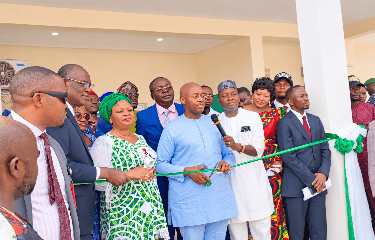
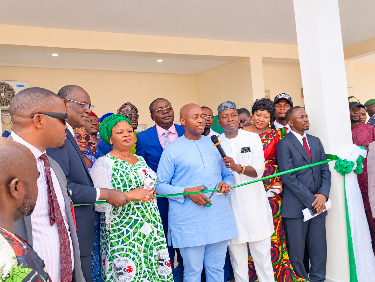
Enugu State Governor, Dr Peter Mbah, has commissioned a 100-bed Renewed Hope Specialist Hospital at the State University of Medical and Applied Sciences (SUMAS), Igbo-Eno, Enugu State, as part of efforts to expand access to specialised healthcare and reduce maternal and infant mortality.
The facility, commissioned on Friday, November 27, 2026, is designed to strengthen maternal and child healthcare, improve emergency medical services and provide specialised treatment for patients, particularly those in rural communities.
Governor Mbah, who was represented at the ceremony by his Deputy, Barrister Ifeanyi Ossai, said the establishment of the hospital reflected his administration’s commitment to strengthening healthcare infrastructure and bringing quality medical services closer to the people.
He called on the Federal Government to support the development of additional facilities at SUMAS, including a multipurpose laboratory, a kidney centre and doctors’ quarters, to further enhance the institution’s capacity to deliver specialised medical services.
The governor also disclosed plans to engage the Senior Special Assistant to the President on Sustainable Development Goals (SDGs), Princess Adejoke Orelope-Adefulire, on opportunities for attracting more international funding and development support to Enugu State.
He noted that the state was witnessing significant infrastructure development and stressed the importance of providing modern healthcare facilities that would strengthen public confidence in the health system.
Mbah appealed to the management of SUMAS and traditional rulers in Igbo-Eno to protect and safeguard the hospital, describing the facility as an important investment in the health and development of the people.
Speaking at the event, the Special Adviser to the Governor on Health, Dr Yomi Jaye, described the hospital as a landmark intervention that would strengthen healthcare delivery in Enugu State, particularly in specialised maternal and child healthcare.
He explained that specialist hospitals were established to manage medical conditions that could not be adequately handled at primary and secondary healthcare levels, providing patients with access to advanced medical attention.
According to him, the new facility would make specialised maternal and child healthcare more accessible and affordable, particularly for families with limited financial resources.
Jaye commended President Bola Tinubu and Governor Mbah for supporting the project, assuring that the state government would ensure its effective utilisation to achieve the objective of reducing maternal and child mortality.
He also congratulated the host community for accepting the project and urged residents to support its smooth operation.
In her remarks, the Senior Special Assistant to the President on SDGs, Princess Adejoke Orelope-Adefulire, said the establishment of the hospital reflected the Federal Government’s commitment to supporting state governments in executing development projects that directly improve citizens’ welfare.
She stressed that sustainable development required collaboration among the Federal, State and Local Governments, noting that meaningful development must begin at the grassroots.
Orelope-Adefulire said the project demonstrated the importance of collective efforts in achieving the Sustainable Development Goals, particularly Goal 3, which focuses on good health and well-being.
She urged pregnant women to take advantage of the hospital’s services by attending antenatal clinics and undergoing regular medical examinations rather than waiting until complications arise before seeking medical attention.
The presidential aide emphasised that early medical examinations and proper monitoring during pregnancy were essential to preventing avoidable maternal and infant deaths.
She also highlighted the facilities available at the hospital, including consulting rooms, private and general wards, children’s and maternal intensive care units, theatres and delivery rooms.
Also speaking, the Senior Special Assistant to the Governor on SDGs and Enugu State Focal Person, Onyinye Akubuilo-Okpalanma, thanked Governor Mbah for his administration’s commitment to improving healthcare delivery in the state.
She equally commended President Tinubu for implementing the Renewed Hope Agenda, which she said had supported development initiatives aimed at improving the lives of Nigerians.
Representing the Chairman of Igboeze South Local Government Area, the APC House of Assembly candidate for Igboeze South Constituency, Mrs Favour Asogwa, expressed appreciation to the Federal and Enugu State Governments for establishing and equipping the hospital.
She described the facility as a major development for the area, particularly for women and children, who would benefit from improved access to specialised medical services.
Asogwa said the hospital would make childbirth safer and improve access to maternal healthcare for women in the community.
She, however, appealed to the state government to establish primary and secondary schools in SUMAS to complement the ongoing development of the community.
Speaking on behalf of the host community, Dr Charles Oba expressed gratitude to the Federal Government, Enugu State Government, hospital management, Ministry of Health and other stakeholders for their contributions towards the realisation of the project.
He described the hospital as a practical demonstration of collective commitment to achieving Sustainable Development Goal 3 and expressed optimism that the facility would become a centre of healing and improved healthcare delivery.
Oba urged residents to support the hospital’s effective operation and long-term sustainability.
Earlier, the Commissioner for Health, Prof. George Ugwu, said the 100-bed facility was established to provide quality medical services to women and children.
He thanked the Federal Government, the Enugu State Government and the Office of the Senior Special Assistant to the President on SDGs for supporting the establishment of the specialist hospital.
Ugwu also appealed to the Federal Government to provide staff quarters to ensure the smooth operation of the facility and make it easier for medical personnel to deliver services.
In separate goodwill messages, the Vice-Chancellor of SUMAS, Prof. James Ogbonna, and the Chief Medical Director of SUMATH, Prof. Hughes Okafor, commended the Federal and Enugu State Governments for establishing the facility.
They expressed confidence that the hospital would contribute significantly to reducing maternal and child mortality while improving access to quality healthcare for residents of the area and beyond.
Dignitaries at the commissioning included Deputy Governor Ifeanyi Ossai; Princess Adejoke Orelope-Adefulire; Dr Yomi Jaye; Commissioner for Health, Prof. George Ugwu; Onyinye Akubuilo-Okpalanma; representatives of Igboeze South Local Government Area; traditional rulers; Prof. James Ogbonna; Prof. Hughes Okafor and other government officials and stakeholders.
-
 News3 days ago
Gunshots as Obi, Kwankwaso Arrive Benin for NDC Town Hall Meeting
-
News1 day ago
Davido, Patoranking, Zoro, Cubana Chief Priest Join Anyi Chuks As He Unveils Five-Point Agenda, Promises 180,000 Jobs In Ebonyi
-
News2 days ago
‘They Shot Me Five Times’ — NDC Supporter Recounts Attack on Omo-Agege’s Campaign Team in Delta
-
News14 hours ago
2027: Enenche Leads Obi, Makinde, Dino Melaye, Others in Prayers for Peaceful Elections
-
News21 hours ago
23-Year-Old Nurse Found Dead in River as Former Boyfriend, Taxi Driver Face Murder Charges
-
Features2 days ago
Ebonyi Will Rise Again: Odii’s Vision of Economic Renewal, Jobs and Inclusive Development
-
News18 hours ago
Tinubu to Meet Southeast Leaders in Enugu Ahead of APC Presidential Campaign Rally
-
News22 hours ago
2027: Obi, Kwankwaso Draw Mammoth Crowd in Aba as NDC Campaign Gathers Momentum