Connect with us

News

Why kidnappers target NYSC members —  Security experts 

Published

on

Spread the love

•About 40 abducted in one year

The abduction of 20 prospective members of the National Youth Service Corps, NYSC, in Imo State has brought into sharper focus the growing danger facing young Nigerians travelling to or from orientation camps and places of primary assignment.

The 20 graduates, who were travelling from Ibadan, Oyo State, to orientation camps in Abia and Akwa Ibom states, were abducted on October 1 along the Owerri-Onitsha Road in Imo State. They were rescued on October 7, after seven days in captivity, in a joint operation involving the police, military, Department of State Services, DSS, and other security agencies. The victims were subsequently taken for medical examination and treatment.

The Imo incident came barely weeks after another mass abduction involving NYSC members in Kogi State. On August 26, 16 corps members returning from the NYSC orientation camp in Bayelsa State to Abuja after completing their orientation were abducted along the Aloma-Egane axis in Ofu Local Government Area of Kogi State. All 16 were later rescued after a coordinated operation involving the Armed Forces, police, DSS and local vigilantes.

The two incidents have renewed concerns over the safety of corps members whose national service often requires them to undertake long journeys through unfamiliar parts of the country and, in some cases, known kidnapping corridors.

Maduka College Advert

They also form part of a wider pattern recorded over the past year.

According to findings by Sunday Vanguard, not less than 40 corps members and prospective corps members have been reported abducted in separate incidents, including the January abduction of prospective corps member, Binuyo Lateefah, in Kogi State while travelling to Taraba; the April abduction of prospective corps member, Gift David Samiya, on the Akwanga-Jos road while travelling to Maiduguri; the April abduction of LASU graduate, Ogunlana Adetola Sodiq, while travelling to an orientation camp in Osun State, and the May abduction of serving corps member, Eunice Ameh, in Abuja.

Lateefah was reportedly held for 10 days after her abduction on January 22, while her abductors demanded N30 million. Ameh, an Abuja-based lawyer and corps member, was abducted in Maitama on May 6 and released four days later after money was reportedly paid, although the amount was not disclosed.

In the Kogi case, one of the rescued corps members, David Ayodele, later recounted that the abductors beat and kicked their captives and threatened to keep them in the forest for a month and kill them.

The Imo victims also spent a week in captivity before their rescue. Police said security operatives had earlier located the kidnappers’ camp through drone surveillance but delayed moving in after intelligence indicated that the area had been mined with improvised explosive devices.

The Imo State Commissioner of Police, Audu Bosso, has since said he was not aware that ransom was paid for the release of the corps members, saying the kidnappers eventually succumbed to pressure from security forces operating in the forest.

Predictability of deployment 

For security governance expert, Prof. Al Chukwuma Okoli, the vulnerability of corps members is linked to the predictability of their deployment and movement.

He said: “The vulnerability arises from predictable posting to high-risk rural areas that are grossly under-policed. Corps members travel on hazardous highways bereft of real-time security.

“Posting corps members to volatile areas without contingency plans to secure their movements through convoy tracking and risk-map deployment poses a challenge.”

He argued that the Federal Government, NYSC and security agencies should jointly develop a system for protecting corps members from the point of departure to their destination.

 “Government and NYSC authority need to work closely with security agencies to jointly fund safe transit protocols, secure corps members’ lodges, and ensure that there is a rapid-response mechanism to rescue victims when an attack occurs.”

Okoli also linked the difficulty in rescuing victims and bringing kidnappers to justice to the absence of effective state security presence in some of the areas where the attacks occur.

“Such kidnappings occur in areas with limited coercive state presence and inadequate security, making rapid rescue response challenging”, he said adding that prosecution had also suffered from “weak inter-agency collaboration in case treatment.”

Weakness of intelligence systems

For Alfred Ononugbo, a forensic investigator and criminal intelligence specialist, the wider problem is rooted in the weakness of Nigeria’s intelligence and policing systems.

According to him, “the crime of kidnapping has lingered due to the absence of credible intelligence, national crime database and ineffective policing.”

Ononugbo said the absence of reliable crime data makes it difficult for security agencies to understand patterns of kidnapping across states and communities and deploy appropriate responses.

“No reliable data to provide peculiar crime behaviours with states and communities within the country in order to develop necessary security responses to such crime patterns”, he said noting that criminals tend to identify victims who are vulnerable and capable of generating quick ransom payments.

“The intending corp members may have been victims of opportunistic attack or informants considering that they may have given away their identities as a uniformed group on transit. The criminals often target the most vulnerable and beneficial victims to generate quick revenues and escape from the consequences of their crimes.”

He said stops made during long journeys could also provide opportunities for criminals to gather information about the passengers.

“They may have attracted attention at locations where they stop during the trip and this made it possible for the information to be passed to the kidnappers.”

He recommended a more deliberate security arrangement for corps members travelling in groups. “Considering the challenge of attacks by criminals, an armed security escorts for the young graduates should have been appropriate for such movement.

Fundamentally evidence-driven

Ononugbo also criticised the country’s capacity to investigate and prosecute kidnapping cases, saying criminal prosecution is fundamentally evidence-driven. “With science and technology, forensic evidences provides accurate evidence harvesting, handling and presentations in courts to help prosecutors and the courts.”

But he said the police face serious difficulties in conducting actionable investigations, citing inadequate training, weak exposure to modern intelligence techniques and deficiencies in evidence gathering. “Modern technology and digital solutions must be inculcated in the training of our policemen and women.”

He further identified alleged collusion and compromise as another obstacle to fighting kidnapping. “Collusion and compromise is another setback to minimising kidnapping crimes as some of the financial evidence are often tempered with by unprofessional and poorly disciplined personnel”, he alleged.

Ononugbo called for improved training, better remuneration and greater use of technology, while urging government to involve traditional institutions and town development associations in community policing.

“We must improve on training, capacity building and the use of modern technology in combating kidnapping and other forms of crimes”, he added.

National concern 

For Okechukwu Nwanguma, Executive Director of the Rule of Law and Accountability Advocacy Centre, RULAAC, the recurring abduction of corps members should concern the country because national service is compulsory.

He pointed out that the obligation placed on young graduates by the NYSC scheme creates a corresponding responsibility for the government to protect them.

 “The recurring kidnapping of National Youth Service Corps members should concern every Nigerian because these are young citizens undertaking a compulsory national assignment. If the State requires young graduates to travel across the country in the service of national integration, then there is a corresponding duty to take reasonable measures to protect them from foreseeable harm”, Nwanguma stated.

Deployment pattern

He explained that corps members face the wider security problems affecting Nigerian highways, but their deployment pattern creates additional exposure, stressing that the recent Imo incident demonstrated the problem.

 “They frequently travel long distances to unfamiliar parts of the country, sometimes using ordinary commercial transport and passing through roads with known histories of kidnapping and armed attacks.

“The problem therefore goes beyond advising corps members to ‘be security conscious.’ Government needs a systematic risk assessment of routes used by prospective and serving corps members.”

He called on NYSC to work with the police, DSS and other security agencies to identify kidnapping hotspots and establish safer travel arrangements during mobilisation and demobilisation.

“Where a route presents a demonstrably high security risk, government should consider coordinated transportation from designated departure points, security-supported movement during peak mobilisation periods, or alternative deployment arrangements.”

According to him, graduates should not be forced into a choice between obeying their NYSC call-up instructions and exposing themselves to known security threats.

“Young Nigerians should not be compelled to choose between obeying an NYSC call-up instruction and exposing themselves to a foreseeable risk of kidnapping.”

Nwanguma also called for a joint security protocol involving the Federal Government, NYSC, state governments and security agencies. Such a protocol, he said, should cover prevention, emergency response, communication with families, rescue operations and post-rescue care.

“NYSC should maintain a constantly updated security map of deployment and travel routes and communicate specific warnings to corps members before they travel.

“Reporting dates should also take account of travel distances so that prospective corps members are not pressured into unsafe travel schedules.”

The RULAAC director said security agencies needed stronger intelligence coverage and patrols along identified kidnapping corridors, while state governments should improve roads and support intelligence gathering in vulnerable communities.

The Imo incident, he said, illustrated why prevention and intelligence gathering should receive as much attention as rescue operations.  “That underscores why prevention and intelligence must receive as much attention as rescue operations after people have already been abducted.”

Nwanguma also warned that the consequences of kidnapping do not end when victims regain their freedom. “There should also be proper psychosocial and medical support for rescued victims. Kidnapping can leave serious psychological consequences even after physical freedom has been regained.”


On prosecution, he described accountability as one of the weakest parts of Nigeria’s response to kidnapping.

“Public attention understandably concentrates on securing the victims’ release, but there is often much less information afterwards about identifying, arresting and successfully prosecuting the perpetrators”, he said.

According to him, the difficulty of operating in forests and remote communities, movement across state boundaries, the use of disposable telephones and the need to prioritise hostages’ lives can complicate investigations.

But he also pointed to institutional weaknesses.

“Weak intelligence coordination, poor preservation of evidence, difficulties securing witnesses, inadequate forensic capacity and delays in investigation and prosecution can undermine accountability”, he said.

According to him, there is an important difference between rescuing a hostage and dismantling a kidnapping network.

Hos words: “Recovering a kidnapped person is an immediate humanitarian success, but dismantling the criminal network requires identifying the kidnappers, their informants, financiers, ransom collectors, arms suppliers and other collaborators, and then assembling evidence capable of sustaining prosecution.”

He urged the government to publish anonymised data showing kidnapping cases investigated, suspects arrested, prosecutions and convictions. “This would allow Nigerians to assess whether criminal networks are actually being dismantled rather than simply displaced.”

For the experts, the answer lies in moving security planning beyond the orientation camps to the roads corps members must use to reach them and return home.As Nwanguma put it, the central issue is the responsibility of the state to protect those it requires to serve.


“The objective should not merely be to rescue corps members after they have been abducted. It should be to make their abduction far less likely in the first place and to ensure that those who attack them face credible investigation, prosecution and punishment”, he stated. (Vanguard)


Health

Processed Foods: How Convenience, Rising Costs Push Nigerians Towards Unhealthy Diets

Published

on

Spread the love

The rising cost of food items, demanding work schedules and the convenience of readily available meals and snacks are increasingly influencing the eating habits of many Nigerians, with more people turning to processed foods as alternatives to freshly prepared meals.

In the Federal Capital Territory (FCT), packaged and ready-to-eat foods have become part of the daily diets of many residents, particularly as the rising cost of fresh ingredients and the time required to prepare home-cooked meals make healthier eating increasingly challenging.

A resident, Muhammad Ahmad, said he occasionally consumed processed foods, attributing his preference largely to convenience and accessibility, particularly when occupied with work or uncertain about what to prepare.

“The major reason is convenience. Fast foods are easier and quicker to access than freshly prepared meals. They also save time and are readily available. I can easily get them from nearby shops or supermarkets without going through the stress of cooking,” he said.

Maduka College Advert

Ahmad also explained that financial constraints sometimes influenced his food choices, noting that some processed foods were cheaper than preparing fresh meals.

“Sometimes, some processed foods are cheaper to buy, especially when I have limited funds,” he added.

He identified demanding work schedules as another factor influencing his dependence on processed foods, explaining that his daily activities often determined what he ate.

“Sometimes, when I have a tight work schedule, I depend on fast or processed foods because they are readily available and quick to prepare or consume without spending too much time,” Ahmad said.

Despite his consumption habits, he acknowledged that he was aware of the potential health implications of excessive consumption of processed foods, particularly products containing high levels of salt, sugar and unhealthy fats.

Similarly, another resident, Wasilat Umar, disclosed that she consumed processed foods almost daily, attributing her eating habits to the demanding nature of her work.

Umar explained that working late hours left her with little or no time to prepare meals, making processed foods a more convenient alternative. She, however, admitted that she was unaware of the potential health implications associated with their regular consumption.

Aisha Bala, another resident, said she consumed processed foods almost daily, particularly instant noodles, packaged snacks and sugary drinks.

Bala disclosed that she ate instant noodles three to four times a week, while packaged snacks and sugary drinks formed part of her daily diet, especially when occupied with work.

According to her, the relatively low cost of some processed foods also made them attractive to consumers struggling with the rising prices of fresh food items.

She, however, acknowledged that although purchasing a pack of noodles or snacks might appear cheaper than buying ingredients for a complete meal, the cumulative cost over time could be higher.

Bala said she preferred preparing fresh meals at weekends or on days when she had fewer engagements.

Despite being aware of the health risks, she admitted that convenience often took precedence over nutritional considerations.

She identified the rising cost of food items and inadequate electricity supply for preserving perishable products as major challenges affecting her ability to maintain healthier eating habits.

Weekend Trust notes that the growing reliance on processed foods has raised concerns about their nutritional composition, particularly products containing excessive amounts of sodium, added sugar and unhealthy fats.

For students, the availability of quick and easy meals also influences their food choices.

Grace Iliya, a student, explained that processed foods were sometimes the easiest meals available to her and other students, particularly macaroni, instant noodles, meat pies, puff-puff and buns.

Alheri Gideon Mishelia, a businesswoman, said her business activities sometimes kept her occupied until late, leaving her too exhausted to prepare a proper meal. Consequently, she often opted for processed foods.

She described such foods as a “lifesaver” during working hours because they provided a quick and convenient alternative.

Despite their varying reasons for consuming processed foods, the respondents acknowledged that they were aware of the possible health concerns associated with frequent consumption.

According to nutritionists, some highly processed foods contain excessive amounts of salt, added sugar and unhealthy fats. Regular consumption of such products may increase the risk of several health conditions, including obesity, hypertension, type 2 diabetes and cardiovascular diseases.

Convenience takes precedence over healthy eating

The time and energy required to prepare traditional meals also influence the choices of some consumers.

Ayomide Ayodele, a fashion designer, said preparing homemade meals required considerable effort, money and time, which he was not always willing to invest.

According to him, processed foods provided a quicker alternative, particularly when he was hungry and needed something readily available.

Ayodele also acknowledged that he knew little about the possible implications of consuming processed foods but said he had no immediate plans to stop, citing the convenience they offered in his daily routine.

For Arike Musa, a student and part-time worker living in Mpape, FCT, processed foods are not necessarily a preference but a necessity.

Musa combines schooling with work to pay her bills. By the time she returns home, she is often too exhausted to prepare fresh meals.

“After school and work, I will be tired. And I don’t have time to go to the market and start cooking. I just boil noodles or eat biscuits or pastries with soft drinks. It is fast and cheap. Most students here do the same,” she said.

According to her, many young women in Mpape now depend on instant noodles, bread, pastries and sugary drinks because they are readily available and require little cooking gas or preparation time.

“But I know it is not healthy. Sometimes I feel weak, but what can I do?” she asked.

Similarly, Aliyah said her work schedule left her with little time to prepare fresh meals, making packaged snacks and other processed foods convenient alternatives.

“I am a lover of processed foods like snacks due to the nature of my work. There is no time to cook,” she said.

For another consumer, the preference is influenced more by personal eating habits than time constraints.

“I prefer going for processed foods because I am not a big eater. I only eat little,” she explained.

Lovelyn Okoh, on the other hand, admitted that convenience and personal preference influenced her decision to consume processed foods.

“I don’t eat fresh meals because I am too lazy to cook,” she said.

Bayelsa residents cite work pressure, convenience

Some residents of Bayelsa State also attributed their preference for processed foods to the time and stress involved in preparing meals at home, particularly for people with demanding work schedules.

Stella Kemepadei, who works in a commercial bank in Yenagoa, said time constraints often prevented her from preparing meals for her family, forcing her to opt for processed foods.

According to her, on some working days, she resorts to eating meat pies and other snacks for breakfast, despite their relatively high cost compared with home-cooked meals.

“Noodles are our favourite because they are easy to prepare and my children like them. The whole thing boils down to work demands. I can take my time to prepare meals, but because of time, processed foods are easier,” she said.

A civil servant, Adukume Davis, said he often resorted to processed foods for lunch at work because returning home to eat a cooked meal would involve additional transportation expenses.

He, however, acknowledged that processed foods might not be particularly healthy but said they helped workers avoid going hungry.

“We have a vendor that supplies us with snacks such as moi-moi, meat pie, egg roll, biscuits and soft drinks for lunch. We patronise the vendor to stay strong and be able to work until closing hour, which is 4 p.m.,” he said.

Mr Ubokabsi Andem, a federal public servant whose family members do not reside in Yenagoa, said processed foods accounted for more than 60 per cent of what he consumed while at work.

He said he bought cooked meals from food vendors, particularly during weekends, because he found it stressful to go to the market and spend time cooking.

Why more residents turn to processed foods

In Kano, demanding work schedules, rising food prices and rapid urbanisation are driving more residents towards processed and packaged foods despite growing concerns among health experts about their long-term effects.

From instant noodles and sugary drinks to packaged snacks and ready-to-eat meals, many residents said these products had become regular features of their diets.

A Weekend Trust survey of residents across Kano metropolis showed that busy schedules, urbanisation, ease of access and affordability were among the major factors driving the trend.

Amina Yusuf, a civil servant in Kano, said the demands of her job left little time for preparing traditional meals.

“Most days, I leave home before 7 a.m. and return in the evening. It is easier to cook noodles or buy packaged food on my way home than spend hours preparing a meal from scratch,” she said.

Similarly, Mustapha Adamu, a commercial tricycle operator, said processed foods provided a quick solution during working hours.

“When you are moving around all day, you don’t always have time to look for a proper meal. Biscuits, other snacks and soft drinks are available everywhere, and they are easy to take while working,” he said.

Many respondents also pointed to the growing availability of processed foods in neighbourhood shops and supermarkets. In areas where fresh fruits and vegetables are scarce or expensive, packaged alternatives often become attractive options.

For Rukayya Bello, a mother of three, cost plays a significant role.

“Sometimes buying ingredients for a full meal is more expensive than buying noodles or bread and tea, especially when prices of food items keep rising,” she said.

Others attributed the increasing consumption to aggressive advertising by food and beverage companies.

Aliyu Ibrahim, a university student, said young people were constantly exposed to promotions on television and social media.

“Many products are marketed as modern, convenient and affordable, and youths easily develop the habit of consuming them regularly,” he said.

Excessive consumption of processed foods poses serious health risks – Doctor

Highlighting the health concerns associated with the growing consumption of processed foods, Dr Aminu Mato Jitandutse of the Community Medicine Department, Aminu Kano Teaching Hospital (AKTH), warned that frequent consumption of ultra-processed foods could have significant consequences for individual and public health.

According to him, processed and packaged foods have become popular because of their convenience, affordability, availability and longer shelf life.

While food processing can improve preservation, safety and convenience, he noted that regular consumption of products containing high levels of added sugar, sodium and unhealthy fats posed various health risks.

“Many ultra-processed foods are energy-dense and low in dietary fibre, which may encourage excessive calorie intake and unhealthy weight gain, increasing the risk of overweight and obesity,” he said.

Dr Jitandutse further explained that excessive consumption of foods high in salt and unhealthy fats could contribute to hypertension, abnormal cholesterol levels, coronary heart disease and stroke.

He added that frequent intake of sugar-sweetened beverages and highly refined foods might also increase the risk of type 2 diabetes through excessive energy consumption and insulin resistance.

He noted that heavy dependence on packaged snacks and ready-to-eat meals often displaced healthier foods such as fruits, vegetables and legumes, resulting in poor dietary quality and inadequate intake of essential vitamins, minerals and fibre.

The medical expert also pointed to evidence linking processed meat consumption with colorectal cancer, while stressing that such findings did not apply equally to all packaged foods.

Other concerns, he said, included digestive problems associated with low-fibre diets, increased risk of dental caries from sugary snacks and drinks, and possible links between high consumption of ultra-processed foods and depressive symptoms.

Beyond individual health, Dr Jitandutse said the rising consumption of nutritionally poor ultra-processed foods could contribute to an increasing burden of diet-related non-communicable diseases, higher healthcare costs and widening health inequalities.

“In Nigeria, rapid urbanisation, changing food environments and aggressive marketing of inexpensive packaged foods make nutrition education and healthier food choices important public health priorities,” he said.

To address the challenge, he recommended strengthening nutrition education in schools, communities and health facilities; promoting affordable fruits, vegetables, legumes and other minimally processed foods; improving food labelling; reducing excessive salt, sugar and industrial trans fats in food products; and creating healthier food environments for children.

While acknowledging that not all processed foods were unhealthy, Dr Jitandutse emphasised that their nutritional content and place within an individual’s overall diet mattered most.

“Balanced eating patterns and supportive nutrition policies remain critical for protecting public health,” he added.

Marketing, lifestyle also fuel growing consumption

Similarly, in Edo State, a lecturer, Dada Ayokhai, said processed foods had become increasingly popular because manufacturers designed them to be highly appealing to consumers.

He explained that manufacturers combined salt, sugar, fats and flavour enhancers in specific proportions to make the products enjoyable and encourage repeated consumption.

“It is not just hunger that drives people to consume these foods; it is also pleasure, cravings and habits.

“Convenience is another major reason. In a fast-paced world where many people work long hours and juggle school, business and family responsibilities, cooking from scratch can feel like a luxury.

“Processed foods are ready in minutes, relatively cheap, easy to carry and available everywhere, from street corners to supermarkets,” he said.

He added that for many people, the preference was not necessarily a result of laziness but a matter of survival in a demanding environment.

Ayokhai also identified marketing as a powerful influence on the growing appetite for processed foods, citing attractive packaging, celebrity endorsements, catchy advertisements and social media trends that present such products as modern, fun and desirable.

“Children grow up seeing them as rewards, while adults associate them with enjoyment and social activities. Over time, what started as an occasional treat becomes a normal part of daily eating habits.

“There is also an emotional side to it. Stress, boredom, loneliness and even celebrations can push people towards comfort foods such as noodles, snacks, pastries and fizzy drinks.

“Ultimately, the growing preference for processed foods is not just about food itself. It is influenced by time constraints, stress, advertising, biology and lifestyle,” he said.

For Mr Mahmud Abdullahi Udojie, a biochemist, consumption of processed and ultra-processed foods is rising globally as urbanisation, changing lifestyles, technological advances and evolving preferences reshape food environments.

Udojie said excessive intake of such foods could reduce dietary quality and increase the risk of obesity, diabetes, cardiovascular diseases and other long-term health problems.

He added that modern lifestyles and urbanisation had substantially influenced dietary behaviour, noting that working professionals, students and urban households often experienced time constraints that limited opportunities to prepare balanced meals at home.

According to him, social media platforms could intensify cravings for processed foods by presenting fast foods, confectioneries and packaged snacks as desirable lifestyle choices.

“Home-prepared meals can address several of these concerns by providing greater opportunities for nutritional balance, dietary diversity and control over ingredients,” he said.

He advised Nigerians to opt for traditional meals, including vegetable soups, beans, boiled yam, unripe plantain, brown rice and freshly prepared fish, which could provide valuable nutrients when appropriately prepared.

Meanwhile, Dr Oreoluwa Joshua Orifunmishe, a resident doctor in the Department of Public Health and Community Medicine, University of Benin Teaching Hospital (UBTH), said processed foods were not entirely harmful, but excessive consumption could pose health risks.

According to him, the salt and sugar content of many processed foods was high, and consuming them over a prolonged period could lead to health challenges.

He added that excessive consumption of foods high in salt could increase blood pressure, potentially contributing to other health problems, including kidney disease, heart disease and stroke.

“Also, many fruits processed into bottles and sold as fruit juice, as well as canned fruits, have high sugar content because many of them contain extra or added sugar.

“When an individual consumes these products consistently over a long period, it could lead to diabetes, a condition in which there is an excessive amount of sugar in the body, which can affect the functioning of organs such as the kidney, eyes and heart, among others,” he said.

He advised Nigerians to limit their consumption of highly processed foods, particularly those with excessive salt and sugar, and encouraged them to consume natural and home-prepared foods as healthier alternatives.

Inflation, changing family structure influence food choices

Residents of Ilorin, the Kwara State capital, also identified several factors pushing Nigerians away from traditional meals towards processed foods.

Nicholas Omooba attributed the changing food culture to rapid urbanisation, shifting values and lifestyles, as well as inadequate food preservation and storage infrastructure.

He said traditional culinary practices were gradually going out of fashion as consumers increasingly settled for products that were readily available, required less preparation and had longer shelf lives.

“Naturally, people tend to settle for processed food, which has a longer shelf life, is easily cooked and readily available for consumption,” he said.

Omooba also questioned the quality of beverages consumed by Nigerians, noting that many were derivatives and extracts rather than products made from fresh fruits.

He argued that the limited availability of natural agricultural produce throughout the year had further encouraged dependence on processed alternatives, exposing weaknesses in the country’s food storage and preservation systems.

For Ibrahim Ajanaku, however, the growing consumption of processed foods was closely connected to the economic pressures confronting Nigerian households and the changing structure of family life.

He said inflation had weakened household purchasing power to the extent that many families could no longer comfortably afford their basic needs, including fresh food items.

“Items like organic foodstuffs have become so intensely costly in the market that people can no longer afford to cook three times daily,” he said.

Ajanaku also identified the increasing involvement of both parents in full-time employment and prolonged working hours as factors reducing the time available for preparing traditional meals.

He said changing tastes among younger Nigerians had equally affected patronage of local food vendors, popularly known as ‘mama put’, who traditionally rely more on fresh and locally sourced ingredients.

Describing processed food consumption as a consequence of wider economic and social changes, Ajanaku argued that commercial interests behind food production did not always prioritise consumers’ wellbeing.

“Processed food is simply a slight modification and preservation of organic food materials using chemicals, or total replacement of real food substances to withstand shelf life and maximise profit,” he said.

Alhaji Aramide Mansur similarly linked the growing patronage of processed foods to the rising cost of locally produced foodstuffs, particularly the additional expenses involved in transporting fresh produce to markets.

“The high cost of local produce has no doubt increased the patronage of processed foods,” he said.

He added that transportation fares often increased the cost of fresh food purchases, unlike processed products that were readily available at roadside outlets and shops.

Demola Akinyemi, on his part, said the convenience of processed foods made them attractive to workers and people who had little time or interest in cooking.

He cited promotional offers by food outlets as another factor encouraging patronage, pointing to one outlet, whose name was withheld, offering three chicken pies for the price of two.

However, Akinyemi warned that Nigerians needed to be more cautious about the quality and composition of processed foods available in the country.

“In a country like ours, we have to be conscious of eating too much processed foods because of the threats to health in view of the quality of contents and so on,” he said.

He urged the National Agency for Food and Drug Administration and Control (NAFDAC) to pay closer attention to products entering the Nigerian market to protect consumers.

Nutritionist recommends healthier eating habits

Speaking on the health implications of consuming processed foods, a Kwara State-based nutritionist, Dr Bashir Onifade, explained that processing often involved altering the natural state of food through the addition of salt, sugar, preservatives, artificial flavourings and other additives.

He listed instant noodles, sausages, canned foods, biscuits and soft drinks among common examples, warning that excessive consumption could increase the risk of obesity, hypertension and diabetes.

Onifade also identified high cholesterol levels associated with excessive saturated fat consumption, kidney problems, fatty liver disease, poor nutritional status and increased cancer risk as other potential consequences.

He, however, cautioned against categorising all processed foods as harmful, explaining that products such as pasteurised milk, frozen vegetables and fortified cereals could contribute to a healthy diet.

“The major issue is excessive consumption,” he said.

He stressed that concerns surrounding processed foods should not be interpreted as a blanket rejection of all processed products.

To reduce the risks, Onifade advised Nigerians to consume more fresh fruits and vegetables, whole grains and traditional meals prepared with locally available ingredients.

He also urged consumers to read food labels before purchasing packaged products, reduce their intake of sugary drinks and excessive salt, sugar and unhealthy fats, and adopt healthier cooking practices.

“We are supposed to use only small quantities of oil in cooking, choose healthy protein sources and eat more traditional Nigerian meals,” he advised.  (Daily Trust excluding headline)

Continue Reading

News

UK confirms offensive cyber operations targeting Russia, China, Iran, North Korea

Published

on

Spread the love

The UK is conducting offensive cyber operations against Russia, China, Iran and North Korea, a senior British military commander has publicly confirmed for the first time.

Gen. Rob Magowan, head of the UK’s Cyber and Specialist Operations Command, said the National Cyber Force was carrying out offensive missions against state adversaries amid growing cyber threats.

“The cyber domain, as we call it, is becoming increasingly important in warfare,” Magowan told Sky News in his first interview since assuming the four-star role earlier this year.

Asked whether the National Cyber Force was conducting offensive operations, he replied: “Absolutely – and we’ve been clear about that.”

Maduka College Advert

“There are a range of threats around the world and we’ve been very clear that Russia, China, Iran, North Korea are a threat to our way of life and they are conducting operations in the cyber domain,” he said.

“And they need to be really clear that there’s going to be a cost to them conducting operations in the cyber domain and that’s what our cyber force is about.”

Magowan said the force also targets organized crime groups and individuals engaged in harmful online activities, including those affecting children.

“Those people are doing harm online, including to our children, that is all part of the National Cyber Force approach,” he said.

New headquarters opened

His remarks came after King Charles officially opened the National Cyber Force’s new headquarters in Samlesbury, Lancashire, earlier this week.

While details of its operations remain largely classified, much of the force’s work is conducted from UK facilities, including Ribble House in Samlesbury.

Magowan said the force uses computer network exploitation to gain insight into hostile networks and conduct operations within them.

“We do have the ability, through computer network exploitation, to understand an adversary’s architecture, its network, and ensure that we can achieve effect inside that network,” he said.

Describing the cyber threat facing Britain as “significant,” Magowan said the country’s offensive capabilities provide military options for responding to emerging threats. (AA)

Continue Reading

News

Abductions: 640 Nigerians Still in Captivity as Families Cry Out Over Government Silence

Published

on

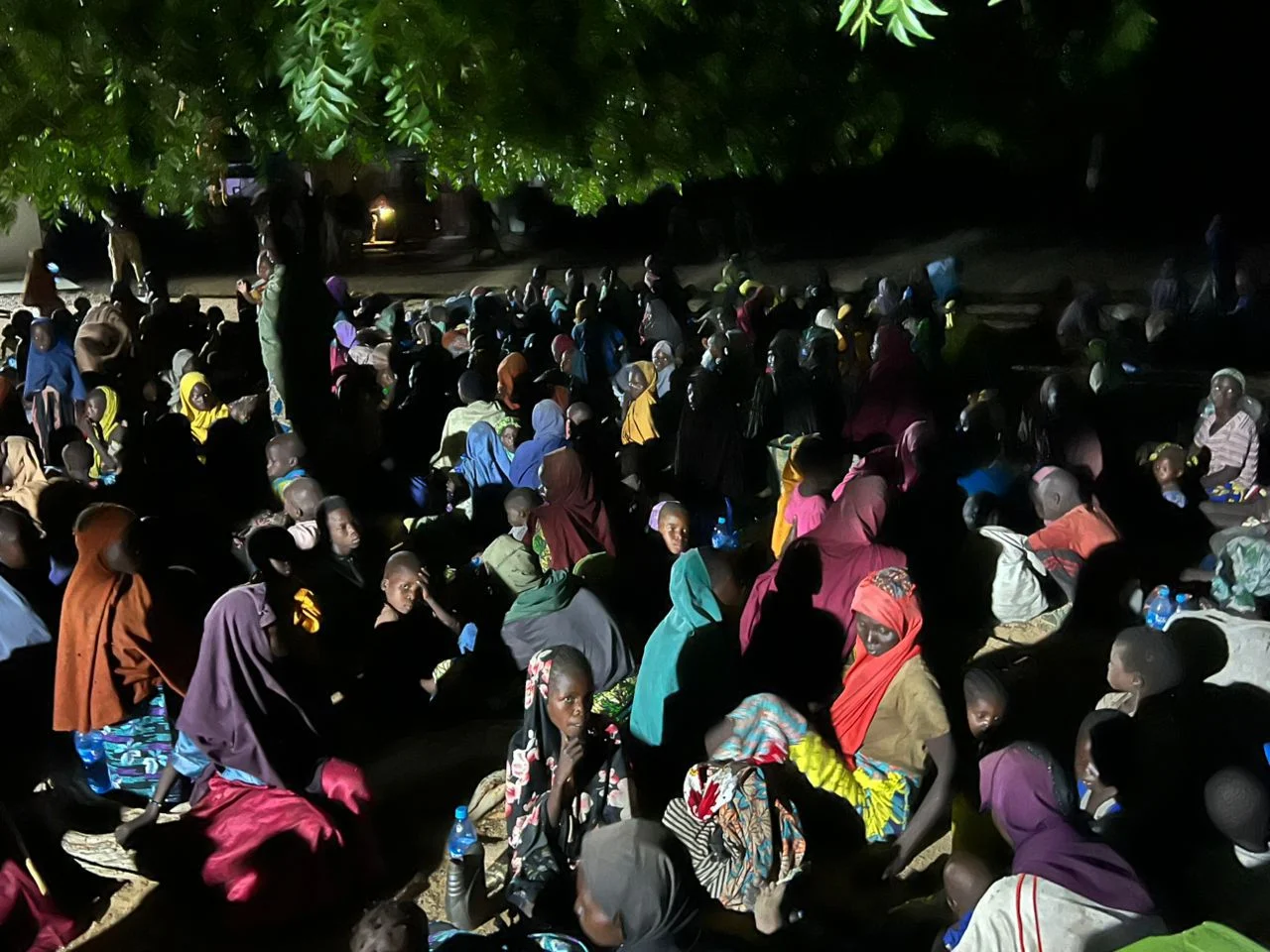
File: 416 abducted women, children released by terrorists in June
Spread the love

No fewer than 640 Nigerians, including schoolchildren, worshippers and teenage girls, remain in the custody of kidnappers and terrorists months after their abduction, according to a report by Saturday PUNCH.

While 78 schoolchildren abducted in Borno State have spent six months in captivity, 547 worshippers abducted in Niger State have remained with their captors for three months. Another 15 schoolgirls abducted in the Rafi area of Niger State on October 31, 2026, are also yet to regain their freedom.

The Borno schoolchildren were abducted in two separate attacks in Askira-Uba Local Government Area on May 15 and June 29, 2026.

On May 15, armed insurgents stormed Mussa Primary and Junior Secondary School, abducting 42 pupils, including reportedly two-year-old children.

Maduka College Advert

Six weeks later, gunmen attacked Government Day Secondary School, Lassa, while students were sitting the National Examinations Council examinations. They abducted 36 students and killed two teachers.

In another incident, terrorists suspected to be members of the Lakurawa group attacked Kpenya Mosque during Friday Juma’at prayers on August 21, after raiding surrounding communities, including Gidan-Zana, Sabon Gida and Masaka, in the Dekara district of Borgu Local Government Area, Niger State.

Initially, the police and local officials put the number of abducted worshippers at between 60 and 80. However, community leaders later compiled and published a list of 547 abducted men, women and children, according to Al Jazeera.

The terrorists subsequently released a video showing hundreds of captives seated in a forested area, prompting President Bola Tinubu to order their rescue.

Similarly, bandits abducted 15 Islamiyya school pupils in Tungan-Bako village, Pandogari District, Rafi Local Government Area of Niger State, on October 31, 2026.

All the victims remain in captivity, leaving their families in prolonged anguish and uncertainty over their whereabouts and possible release.

No contact with our abducted children

Speaking with Saturday PUNCH, Bura Emmanuel, a parent of one of the 78 schoolchildren abducted in Borno State, said there had been no communication from either the abductors or the government.

He said the families had received no information about the children’s whereabouts or the circumstances surrounding their continued captivity.

Bura added that the parents had continued to hold on to hope that the government would eventually rescue their children.

“As of today, we have not heard anything. Not even the government is giving us any information. We just keep our hopes hanging, believing that our children will be rescued someday by the government,” he said.

Meanwhile, the Principal of Government Day Secondary School, Lassa, John Medugu, said the abduction had negatively affected the concentration of other students in the school.

“There is still trauma. The level of concentration of our students is very low because of fear,” he said.

Medugu, however, said he was unaware of any communication between the state government and the abductors.

“For now, I’m not aware of any form of communication at all. We are praying that the government will act fast to help in rescuing the abducted students and teachers,” the principal said.

Why rescue operations are delayed

The Managing Director of Beacon Security and Intelligence Limited, Kabir Adamu, attributed the delay in rescuing the victims to difficult terrain, porous borders and the operational challenges confronting security agencies.

He also cited political considerations, arguing that the possibility of casualties during a rescue operation could make political leaders reluctant to authorise certain military actions, particularly as the country approaches another election season.

Speaking with Saturday PUNCH on Friday, Adamu identified the difficult terrain occupied by criminal groups as one of the major obstacles to successful rescue operations.

“The first challenge is the environment; it is a difficult one, with difficult terrain. There are ungoverned spaces where these criminal elements occupy. When they abduct, they take their victims to these ungoverned spaces. An example is the Mandara Mountains, and then you also have the Sambisa Forest, but in this instance, I think we are dealing with the Mandara Mountains,” he said.

He identified border security challenges as another major obstacle, arguing that the breakdown in relations between Nigeria and Niger had created opportunities for criminal groups to move across the border.

“The second challenge is the porosity of the border. Army Joint Task Force is divided into four sectors; Niger was manning sector four, but because of the breakdown of the relationship between Nigeria and Niger, that border zone is open. So, it allows for cross-border movement of these criminal elements in and out of Nigeria and from other countries into Nigeria.

“When you add this to the first factor, you will now see that it is very difficult and maybe impossible for Nigerian security forces to completely dominate that space and prevent the criminal activities that are ongoing in those spaces,” he added.

Adamu also identified inadequate specialised equipment as a major limitation, saying security agencies might lack the technology and equipment required to conduct rescue operations while minimising casualties.

He explained that the presence of women and children among the captives made the operations particularly delicate because of the emotional and psychological implications of civilian casualties.

“The third factor is the deficit of the special equipment needed by the security forces to carry out these types of operations with very little collateral damage. There are huge psychological and emotional attachments associated with dealing with children and women, and when you are carrying out such an operation, especially with deficit of equipment, and then the likelihood of collateral damage is high.

“So, no political leader will want to approve such an operation, especially around the election period,” he said.

The security expert further blamed the lack of sustained media and public attention on the abductions, arguing that it had reduced the pressure on the government to prioritise the victims’ release.

“The failure of the media and the public to sustain a campaign that would keep the issue on the front burner of national and international discourse has reduced the political incentive for the government to prioritise operations to secure their release.

“That is not to say the government is not interested in the release of the children, but that desire to do it speedily is not there,” he said.

However, a retired Brigadier-General, Bashir Adewinbi, suggested that political interests might be contributing to the delay, alleging that some individuals were exploiting the kidnappings to discredit the Tinubu administration.

He claimed that the incidents had become a campaign instrument against the Federal Government.

“The delay in rescuing the victims may not be unconnected with politics. Kidnapping and terrorism are politically motivated, just to discredit the government.

“The people behind these kidnappings want to use it as a campaign tool. We don’t love ourselves in this country. These people can go to any length, and they can play games with anything, including human lives, to achieve their aims,” he said.

Adewinbi, however, maintained that security agencies were making efforts to address the situation but faced significant operational challenges.

He said rescue operations required careful planning and intelligence gathering to minimise casualties, adding that negotiations might also be necessary in certain circumstances.

“The security agencies are up to the task. They are doing their best, but they are doing it against so many odds. When you want to rescue, you must plan the operation with the aim of minimising casualties. But the terrorists will devise means to make sure that the rescue will be so difficult without casualties. It requires intelligence gathering, planning, and, if possible, negotiations,” he added.

Police, military yet to provide update

Efforts to obtain an update on the rescue operation from the Niger State Police Command spokesperson, Wasiu Abiodun, were unsuccessful, as calls to his phone did not go through.

He had also yet to respond to a message sent to him as of the time of filing this report.

Similarly, several calls to the state Commissioner for Information and Orientation, Obed Nuhu, were unanswered, while he had yet to reply to a message sent to him.

The Borno State Commissioner for Information and Internal Security, Usman Tar, also did not answer calls or respond to a message seeking an update on the government’s efforts to rescue the children on Friday.

The state Police Public Relations Officer, Nahum Daso, equally did not answer calls or respond to messages sent to his phone.

Efforts to obtain comments from the Director of Media Operations at the Defence Headquarters, Major General Michael Onoja, were also unsuccessful, as he neither answered calls nor responded to a message sent to him.

Continue Reading

Trending

Maduka College Advert