News
Minister Nnaji admits UNN never issued him Degree as evidence of forged certificates emerges in court papers

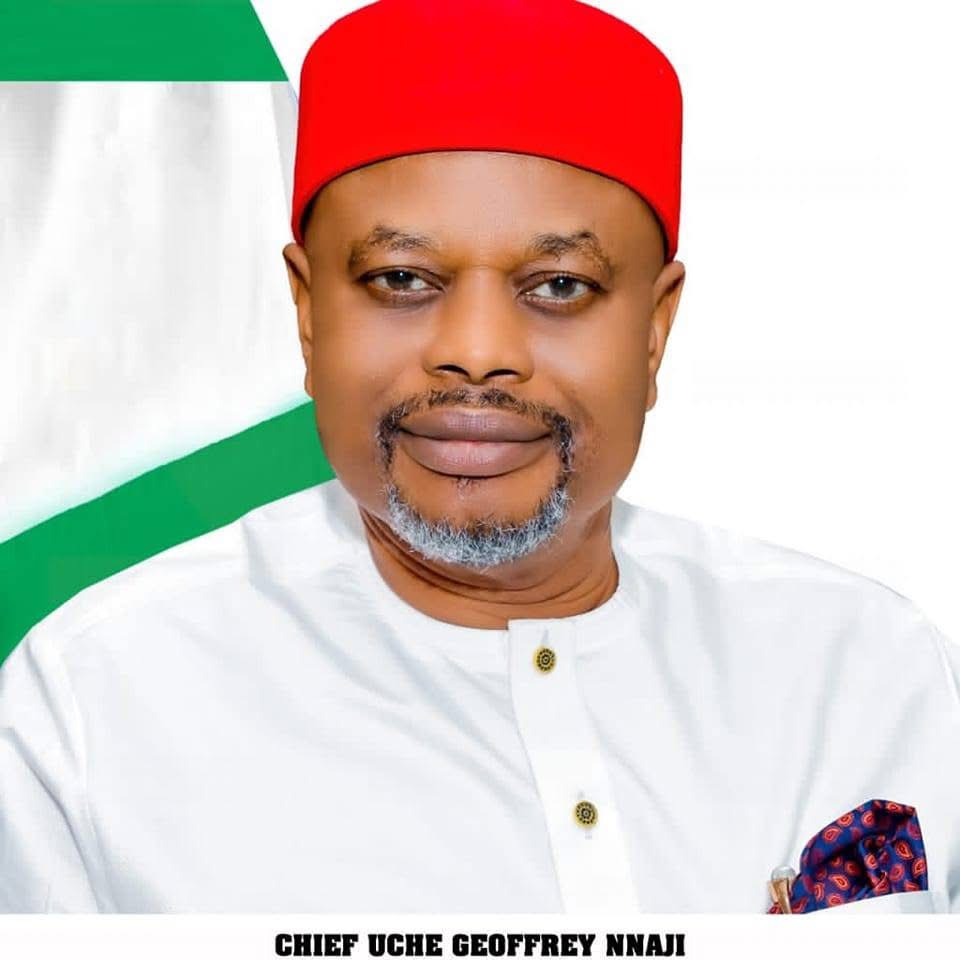
Nigeria’s Minister of Innovation, Science and Technology, Geoffrey Uchechukwu Nnaji, has admitted that the University of Nigeria, Nsukka (UNN) never issued him any degree certificate — a shocking twist that appears to confirm PREMIUM TIMES’ earlier investigation revealing that his academic and NYSC certificates were forged.
After months of controversy over his academic records, Mr Nnaji’s own court filings have now provided clear evidence that he neither completed his degree at UNN nor received any certificate from the institution.

Court Admission Confirms Forgeries
In a case before Justice Hauwa Yilwa of the Federal High Court, Abuja, Mr Nnaji filed a motion against the Minister of Education, the National Universities Commission (NUC), and UNN officials. He requested the court to stop the university from “tampering with” his academic records and to compel it to release his transcript.
He also sought an injunction to restrain UNN from disclosing details of his academic history — a move sources say was meant to block public access to his true academic record.

While ruling on September 22, Justice Yilwa granted some of his requests but declined to issue an injunction against the defendants. The case is now adjourned to October 6, 2025, for further hearing.
Nnaji’s Own Words Expose the Truth
In his 34-paragraph verifying affidavit, Mr Nnaji made a startling revelation. Paragraph 12 stated he was admitted in 1981 to study Microbiology/Biochemistry and claimed he “graduated” in 1985.
But paragraph 13 contained the admission that unraveled his story:
“Even though I am yet to collect my certificate from the University of Nigeria due to the non-cooperative attitude of its Vice-Chancellor and Registrar…”
He referenced a letter dated December 21, 2023, which UNN allegedly sent to People’s Gazette, confirming his “graduation.” However, UNN’s Registrar, Celine Nnebedum, later retracted that letter in May 2025, admitting that the school’s records for 1985 contained no trace of Nnaji’s name.
Further confirmation came from UNN Vice-Chancellor, Prof. Simon Ortuanya, who wrote to PREMIUM TIMES on October 3, 2025, stating unequivocally that Mr Nnaji did not complete his studies and was never awarded a degree.
A senior UNN official added that:
“The truth is that he never graduated. His file is intact and stops at the point where he dropped out.”
Forgery Trail: From UNN to NYSC
By admitting that UNN never issued him a degree certificate, Nnaji has effectively confessed to forging the academic and NYSC documents he presented during his 2023 ministerial screening.
This revelation raises key questions:
If UNN never issued him a certificate, how did he obtain the degree document he submitted?
If he didn’t graduate, how was he eligible for NYSC participation and discharge?
Ahead of his screening on August 1, 2023, Mr Nnaji submitted 109 copies of a 10-page profile to the Senate, claiming he held a B.Sc. in Microbiology/Biochemistry from UNN. Attached were supposed copies of his degree and NYSC discharge certificates, both of which PREMIUM TIMES has confirmed to be forged.
In his NYSC claims, he said he served at the University of Jos Teaching Hospital in 1985 and later worked at Jos International Breweries — timelines that now appear fabricated.
UNN and Officials Under Scrutiny
Following the discovery of inconsistencies, UNN conducted an internal investigation. The school found that the original letter affirming Nnaji’s graduation was unauthorized, and may have been manipulated by staff in the records office.
The university has since officially confirmed that Nnaji was a former student but did not graduate or receive any academic certification.
Minister Silent Amid Mounting Evidence
Despite repeated attempts by PREMIUM TIMES to obtain his response, Mr Nnaji has refused to comment.
He ignored a detailed written enquiry sent on January 8, 2024, and acknowledged by his office on January 18, 2024. All follow-up calls, messages, and emails have gone unanswered.
With this revelation, pressure is mounting on the federal government to clarify how Nnaji was cleared for ministerial appointment despite glaring discrepancies in his credentials.
Conclusion
Mr Nnaji’s court admission has not only validated PREMIUM TIMES’ long-running investigation but also deepened questions about integrity, vetting, and accountability in President Bola Tinubu’s cabinet.
As the October 6 court hearing approaches, the case may become a defining moment for Nigeria’s fight against certificate forgery and corruption in public office.










News
Mbah Inaugurates Enugu APC Campaign Council, Expresses Confidence in Victory on Strength of Achievements
…Tells party faithful to campaign on performance, be unapologetically APC
…Says opposition shallow, has nothing to offer
…Sen. Nnamani, Nwobodo, Dr. Nnamani, Chime, Ugwuanyi, Prof. Nnaji, Arthur Eze, Madueke, Ogalla, Ezeilo make list
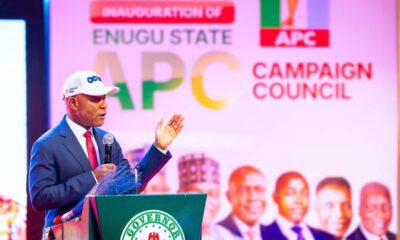
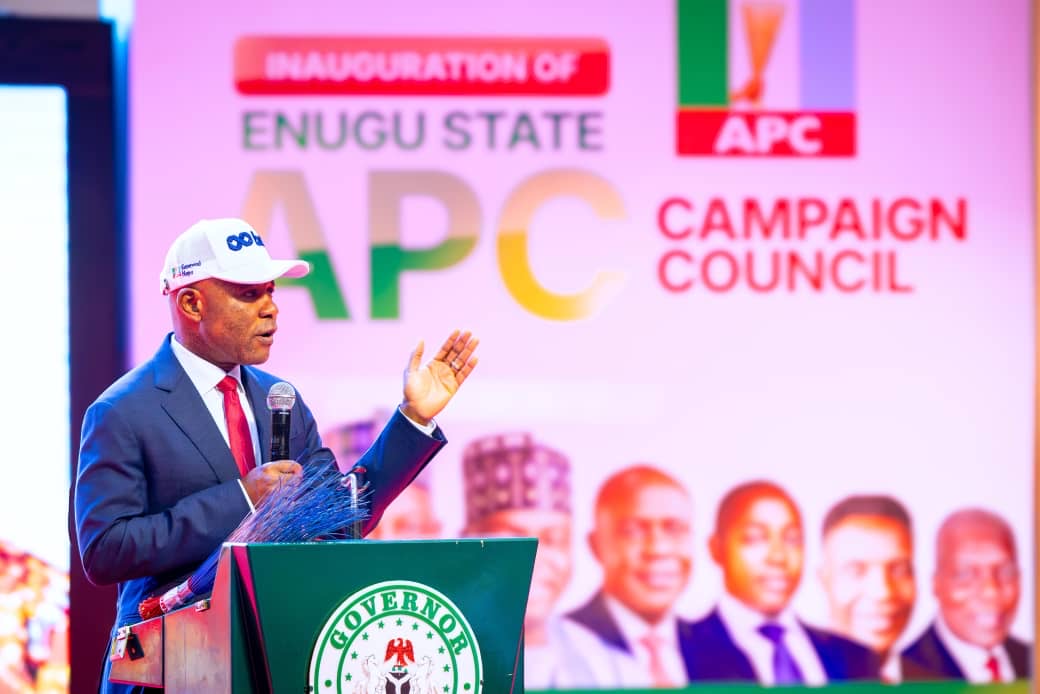
Governor of Enugu State, Dr. Peter Mbah, on Tuesday, inaugurated the All Progressives Congress (APC) Campaign Council for Enugu State, expressing strong confidence in a resounding victory for the party in all the 2027 elections.
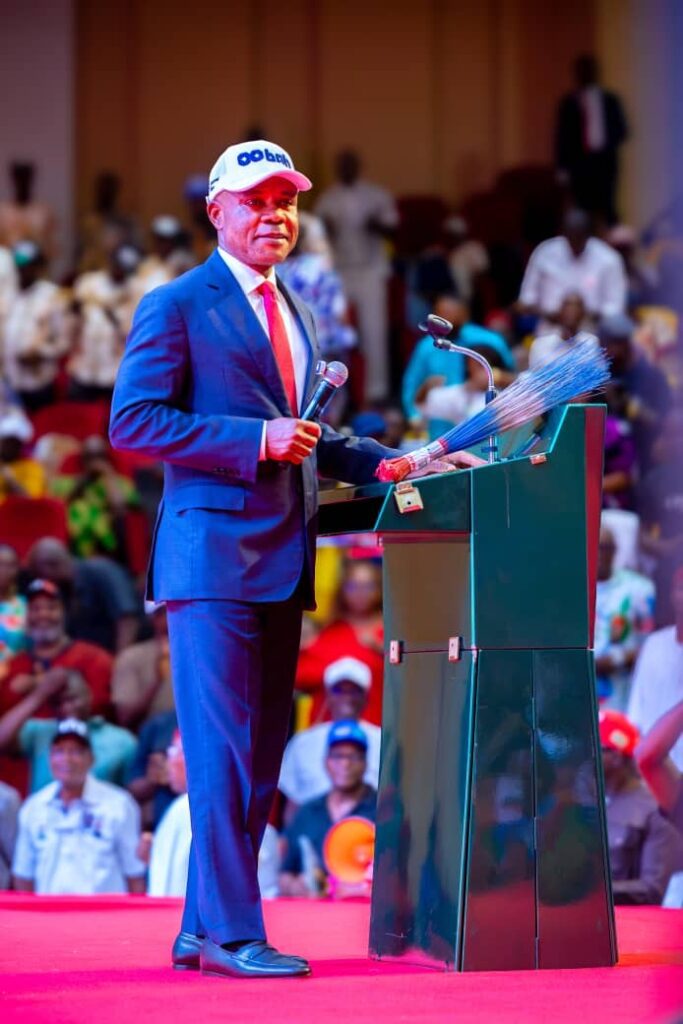
The Campaign Council, comprising 51 Directorates, is chaired by the Governor of the state, Dr. Peter Mbah, while the Deputy Governor, Barr. Ifeanyi Ossai; Deputy National Chairman, APC (South); Dr Ben Nwoye, Speaker, Enugu State House of Assembly, Rt. Hon. Uchenna Ugwu; Chairman of the party in the state, Dr. Martin Chukwunweike; and the Secretary to the State Government, Prof. Chidiebere Onyia, are Vice Chairmen.
It is also headlined by an Advisory Council comprising former President of the Senate, Ken Nnamani; former governor of old Anambra State, Senator Jim Nwobodo; former military governor of old Anambra State and Chief of the Naval Staff, Rear Admiral Allison Madueke (Rtd.); former Minister of Power, Prof. Barth Nnaji; former Minister of Information and governorship candidate of the All Progressives Grand Alliance (APGA) in the 2023 governorship election in the state, Mr. Frank Nweke Jr.; business mogul, Prince Arthur Eze; Senator Chuka Utazi; and former deputy governors Mrs. Cecilia Ezeilo, Bishop Ralph Nwoye, Dr. Sunday Onyebuchi, and Chief Okechukwu Itanyi, among other high-profile personalities.
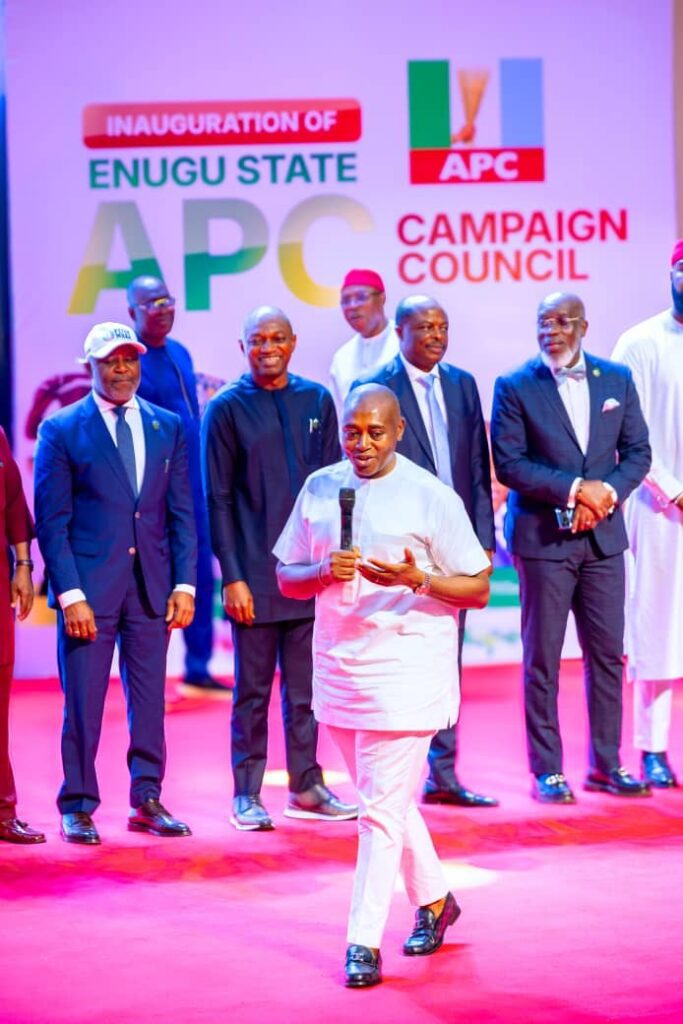
Chief Charlie Mbah is the Director-General, while Dr. Eric Oluedo served as the Secretary-General.
Senator Osita Ngwu, Senator Ikeje Asogwa, and Senator Kelvin Chukwu are Coordinators of the Campaign Council in Enugu West, Enugu North, and Enugu East, respectively.
Speaking at the event, which took place at the International Conference Centre, Enugu, Mbah said his administration had justified the mandate handed to him in 2023, while President Bola Tinubu’s bold reforms had greatly stabilised the macroeconomic indicators while also making funds available for the administration to embark on impactful projects across the state on a large scale.
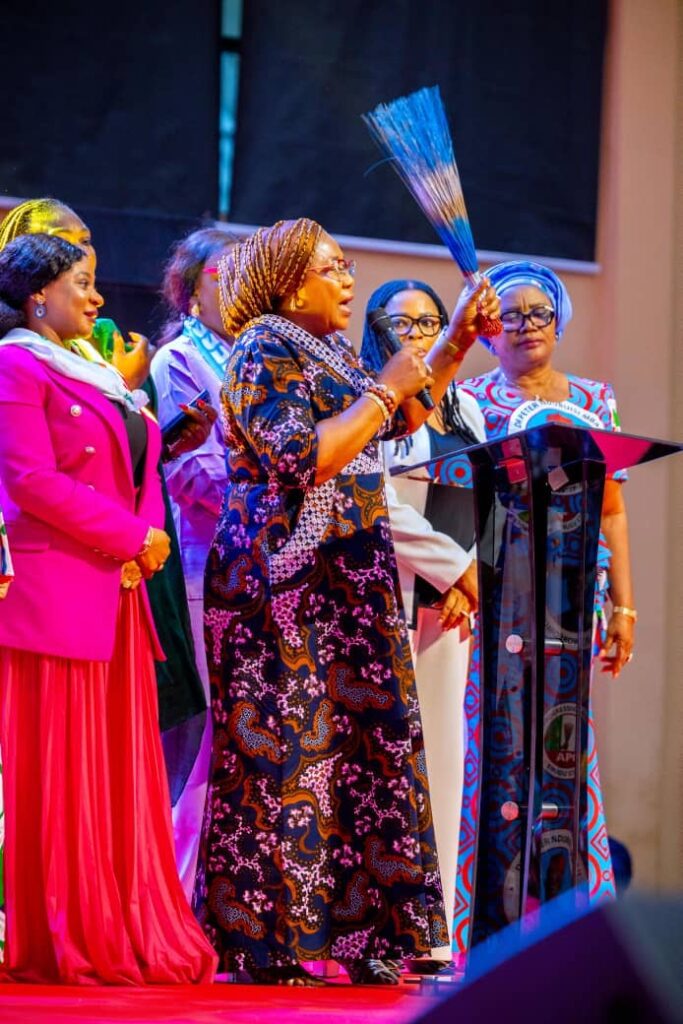
He, therefore, urged party faithful to campaign hard on the administration’s achievements and be unapologetically APC in doing so, saying the opposition had nothing but propaganda to offer.
The governor said he was gearing up to campaign in each of the 68 Development Centres and also commission at least two projects in each of the 260 political wards in the state.
Mbah recalled that the 2026 Phillips Consulting State Performance Momentum Index ranked Enugu as the fastest-improving state, having recorded a Momentum Score of +1.15, the highest by any of the 33 states assessed.
He noted that, in terms of Ease of Doing Business, the state, under his leadership, had leaped from 36th out of 37 subnationals in 2023 to sixth position nationally in 2025, according to the Presidential Enabling Business Environment Council (PEBEC) report.
“So, you should be proud of Enugu. You should be unapologetically APC. I am really excited because we are going to go to all the 68 Development Centres. I will personally visit all the Development Centres. I will go to the markets with you.
“The people of Enugu cannot wait to see us. They are so excited. And as I go, I will also take time to go to every ward to commission both the Smart Green School and the Primary Healthcare Centre.
“As I go to every ward and Development Centre, I will commission all projects without exception, the Smart Green Schools and the Type 2 Primary Healthcare Centres in all the wards where they are cutting the ribbon. And so, it is indeed my honour and privilege to formally inaugurate this APC Enugu State Campaign Council,” he stated.

Dr Ben Nwoye
Mbah, however, reminded them that all the achievements could not have been possible without the economic reforms and support of the President Bola Tinubu administration, which had, among other things, made more funds available to the states.
“We must also campaign hard for the President because it also took those bold and courageous policies of his to achieve what we accomplished in the last three years. You can have all this vision and conviction, but if you do not back it up with money, you cannot do anything. Therefore, we also need to recognise and acknowledge that,” he stated.
Mbah also listed several major infrastructural interventions by President Tinubu in the South East, and Enugu State in particular, noting that although the region gave him a marginal percentage of its votes in 2023, he had nevertheless shown good faith towards Ndigbo in terms of development projects, strategic appointments, among others.
The Deputy Governor, Barr. Ifeanyi Ossai; Speaker, Enugu State House of Assembly, Hon. Uchenna Ugwu; Deputy National Chairman (South) of the APC, Dr. Ben Nwoye; Senator Osita Ngwu, who spoke on behalf of all serving and aspiring National Assembly members; Minister of Innovation, Science and Technology, Dr. Kingsley Udeh, SAN; Chairman of the party in the state, Dr. Martin Chukwunweike; Commissioner for Children, Gender Affairs and Social Development, Mrs. Ngozi Enih; and former Ambassador of Nigeria to Switzerland and Liechtenstein, Mrs. Fidelia Njeze, charged the people to go all out for victory, enumerating the many achievements of the Mbah administration and the benefits of the Tinubu government to Enugu State.
In his remarks, the Director-General of the Campaign Organisation, Chief Charlie Mbah, while thanking the party leaders and faithful for the confidence reposed in him and his team, promised to lead a formidable campaign that would guarantee APC’s victory in the state.
“My commitment is to build an inclusive, organised, result-oriented and issues-based campaign that reaches every senatorial zone, local government area, ward, community, and polling unit across Enugu State,” he reassured.
*Other members of the Council Composition*
Deacon Okey Ogbodo, Dr. Dan Shere, and Hon. S.K.E. Udeh-Okoye are Deputy Campaign DGs for Enugu East Senatorial District, Enugu North Senatorial District, and Enugu West Senatorial District, respectively.
Barr. Steve Oruruo is the Campaign Spokesperson and Director of the Public Communication Committee, with Dr. Austin Okolie as co-spokesperson and Dr. Malachy Agbo as Secretary.
Mazi Uche Anichukwu and Dan Nwomeh, both drawn from the Governor’s media team, head the Directorate of New Media and Strategic Communication and the Directorate of Mainstream Media, respectively. Dr. Collins Ogbu is the Secretary of the former, while Dr. Reuben Onyishi is the Secretary of the latter.
Barr. Victor Udeh leads the Administration Directorate, while Dr. Ben Nwoye and Arc. Uche Nwatu are the Director and Co-Director of the Fundraising Committee, respectively.
Former Chief of the Naval Staff, Vice Admiral Ikechukwu Ogalla (Rtd.), chairs the Security Directorate, while former Inspector-General of Police, Ogbono Onovo (Rtd.), is the Secretary.
The Minister of Innovation, Science and Technology is in charge of the Directorate of Government Appointees Coordination (Federal and State), with Prof. Chidiebere Onyia as Secretary, while former Speaker of the Enugu State House of Assembly, Rt. Hon. Eugene Odoh, heads Inter-Party Affairs.
APC State Woman Leader, Mrs. Esther Edeh, is at the helm of the Women Mobilisation Directorate, with the APC South East Woman Leader, Dr. Oby Ajih, as Co-Director and Commissioner for Children, Gender Affairs and Social Development, Mrs. Ngozi Enih, as Secretary.
Senator Chuka Utazi heads the Directorate of Parliamentary Mobilisation, with former Deputy Minority Leader, Hon. Toby Okechukwu, as Secretary, while Senator Ben Collins Ndu is the Director of Contact and Mobilisation, with Barr. Peter Okonkwo as Co-Director and Mrs. Lovelyn Obioma Nweze appointed as Secretary.
Barr. Victor Udeh is the Director of the Directorate of Election Planning and Monitoring, which has the Political Adviser to the Governor, Chief Frank Anioma, as Secretary.
Commissioner for Culture and Tourism, Dame Ugochi Madueke, leads the Directorate of Welfare, which has Barr. Mrs. Amaka Alinta as Secretary, while Dame Rita Mbah is the Director of Event Management, with Ifeoma Azike as Secretary.
Commissioner for Chieftaincy Affairs, Chief Charles Egumgbe, leads the Directorate of Monitoring, which has former Speaker of the Enugu State House of Assembly, Rt. Hon. Edward Ubosi, as Secretary.
Engr. Uchenna Nwobodo is in charge of the Directorate of Works and Venue, with Engr. Christian Enebe as Secretary.
Hon. USA Igweshi has returned to his 2023 role as Director of the Directorate of Support Groups, while Dr. Chiedozie Nwafor will serve as Secretary.
Nollywood star Rachael Okonkwo, popularly known as Nkoli Nwa Nsukka, is the Director of the Directorate of Creativity and Entertainment, while the General Manager of the Enugu State Community and Social Development Agency (CSDA), Monday Diamond, heads the Directorate’s secretariat.
The Town Unions Coordination Directorate is headed by Chief Arinze Ogbodo, while the secretariat will be manned by Hon. Charles Chime.
News
BREAKING: El-Rufai Tests Positive for Drug-Resistant Bacteria, Shows Signs of Possible Severe Infection—Report
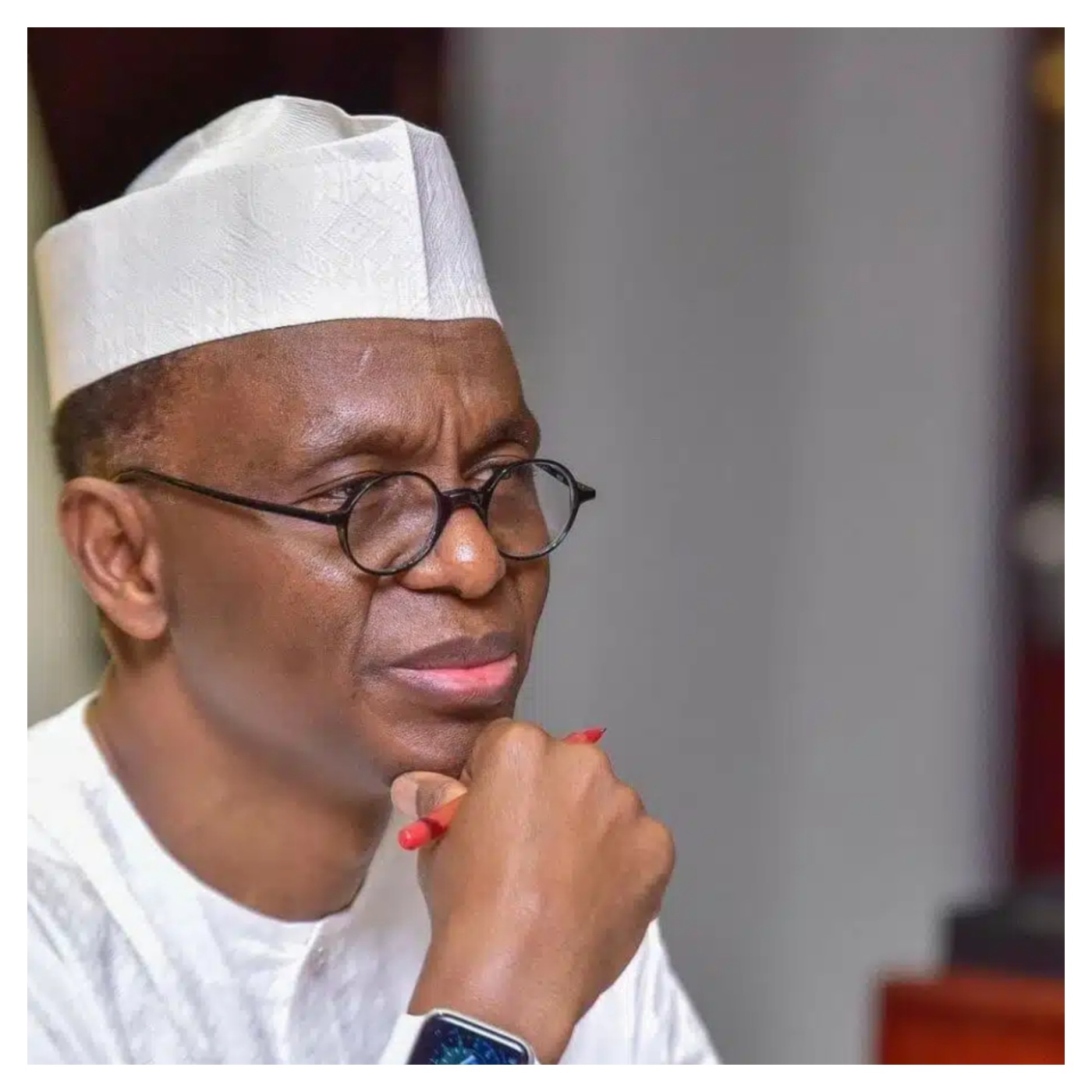
…doctors recommend admission in hospital
A medical report on former Kaduna State Governor Nasir Ahmad El-Rufai has revealed that a blood culture test detected Enterococcus faecium, a bacterium resistant to the antibiotic vancomycin, while his doctors listed possible sepsis among their clinical concerns.The findings are contained in two medical documents dated October 22, 2026, concerning the 66-year-old former governor, who is currently being detained by the Independent Corrupt Practices and Other Related Offences Commission (ICPC) amid his prosecution.A laboratory report issued by Cerba Lancet Nigeria showed that both aerobic and anaerobic blood cultures tested positive for Enterococcus faecium after 24–48 hours of incubation.
The report stated: “Culture positive After 24-48 hours incubation.”
It identified the organism as Enterococcus faecium and explicitly described it as a “Vancomycin Resistant Enterococcus (VRE).”
The laboratory report listed vancomycin as resistant, while several other antibiotics, including ampicillin/amoxicillin, erythromycin, levofloxacin, minocycline and linezolid, were marked as sensitive.

However, the laboratory document was marked “INTERIM REPORT” and stated: “Final Verified Report to Follow.”
This means the final verified laboratory result was still pending in the document provided.
A separate medical report issued by ASK+ Medical & Diagnostics on October 22 also documented the blood culture finding and detailed El-Rufai’s symptoms, clinical assessment and proposed treatment.
Under its clinical history section, the report stated: “The patient is a 66-year-old man with dyslipidemia, persistent headaches and insomnia. He presented with mild generalized headache and dizziness, without aura or photophobia. There is a reported history of hypotension.”
The report also noted that he appeared mildly dehydrated, with the clinical impression including dehydration in a case documented as resistant malaria and possible sepsis.
Under the clinical history section, the document described the assessment as “dehydration with resistant malaria and possible sepsis, with a suspected Para umbilical focus.”
The report recorded El-Rufai’s blood pressure at 93/70 mmHg and his pulse rate at 68 beats per minute.
His temperature was recorded as 36.2 degrees Celsius, while his oxygen saturation was 98 per cent on room air. The physical examination described him as being in no apparent respiratory or painful distress.
The report also contained an apparent difference in its assessment of his hydration status. While the clinical history described him as mildly dehydrated, the physical examination stated: “No dehydration.”
Under the investigations section, the ASK+ report confirmed the laboratory finding, stating: “Blood Culture: Enterococcus faecium (Gram-positive) isolated.”
It added that the organism was sensitive to several antibiotics, including ampicillin, erythromycin, levofloxacin, minocycline and linezolid, but resistant to vancomycin.
The report also listed gentamicin as sensitive, although the laboratory document presents the gentamicin result differently in its aerobic and anaerobic culture sections. The discrepancy requires clarification from the laboratory.
The ASK+ report stated that results from several other investigations, including a full blood count, malaria test, renal function test, liver function test, fasting lipid profile, random blood glucose, urinalysis and HbA1c, were within normal limits.
Despite those results, the positive blood culture prompted a recommendation for further medical evaluation and treatment guided by the laboratory findings.
Under its treatment plan, the report recommended admission for observation, intravenous fluids and medication for the documented clinical concerns.
It also advised that the blood culture and antibiotic sensitivity results be reviewed in consultation with an infectious disease physician.
The report stated: “Review the blood culture result and sensitivity results and, in consultation with Infectious disease physician, consider appropriate IV antibiotic therapy and admission for at least three days as advised by the clinical pathologist.”
It listed possible intravenous antibiotic options, including Augmentin, Gentalex, L-Flox and linezolid, subject to further clinical assessment and review of the culture results.
The findings come as El-Rufai remains in ICPC custody while facing prosecution. However, the medical documents do not establish any connection between his detention and the bacterial finding.
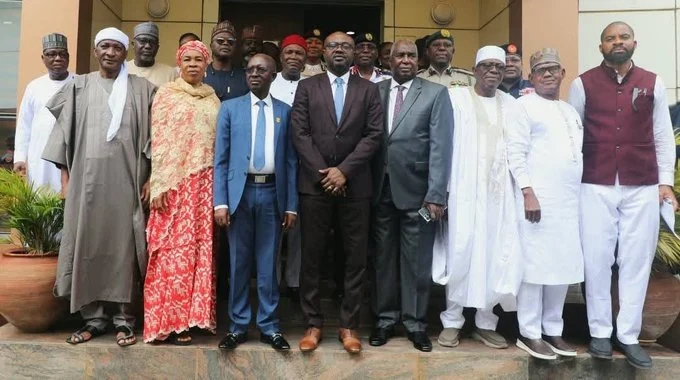
The Federal Government’s Independent Investigative Committee probing the deaths of 37 persons in the custody of the Nigeria Security and Civil Defence Corps in Niger State has found that the deceased died from asphyxiation.
The committee Chairman and former Deputy Director-General of the Department of State Services, Jonathan Kure, disclosed this on Tuesday while presenting the panel’s report to the Minister of Interior, Olubunmi Tunji-Ojo, in Abuja.
Kure stated that the panel recommended that one point four billion be paid to the families of 33 victims and forty-four survivors.
The committee chairman added that the deaths were avoidable as the victims, inclng 14 minors, were held in inhuman conditions.
The committee also recommended summary dismissal of the state commandant of the Niger State Command of the Nigeria Security and Civil Defence Corps and all other officers who were directly involved in the detention and eventual death of the miners
The committee equally recommended institutional reforms for the Nigeria Security and Civil Defence Corps in order to strengthen the leadership of the corps.
The Minister of Interior, who received the report, promised to implement the recommendations of the committee in order to ensure justice for all affected persons.
Tunji-Ojo also directed the commandant of the Corps to immediately suspend all officers who cleaned up the detention centre in order to destroy evidence.
The finding marks a major development in the investigation into the deaths of the suspected illegal miners, who died on September 17, 2026, while in the custody of the NSCDC Niger State Command in Minna.
The victims were among dozens of persons arrested during operations against suspected illegal mining in the M.I. Wushishi and Lukoto areas of the state. (PUNCH)
-
 Features3 days ago
Mmesoma Umeorini: When Love Turns Deadly, and a Young Woman Pays With Her Life
-
Features3 days ago
Why Igbos Celebrate New Yam Festival Worldwide: The History, Cultural Significance and Lessons For The Younger Generation
-
News2 days ago
BREAKING: Tension as Video Shows Islamic Group Members Allegedly Calling for AK-47 to Kill Christians in Enugu, Jos
-
News2 days ago
Kogi Police Probe Alleged Murder-Suicide Involving Two Officers
-
News1 day ago
Ifeanyi Ubah’s Elder Sister, Fidelia Chigbogu, Dies Suddenly at 61
-
News9 hours ago
BREAKING: El-Rufai Tests Positive for Drug-Resistant Bacteria, Shows Signs of Possible Severe Infection—Report
-
News2 days ago
NCDC Reports Two Suspected Ebola Cases as Contacts Rise to 53
-
News1 day ago
Terrorists Abduct Sunday Igboho’s Iru Ekun Security Group Members in Kwara