…CMD: Upgrades have strengthened specialist care and postgraduate training, as ESUTH secures multiple five-year accreditations
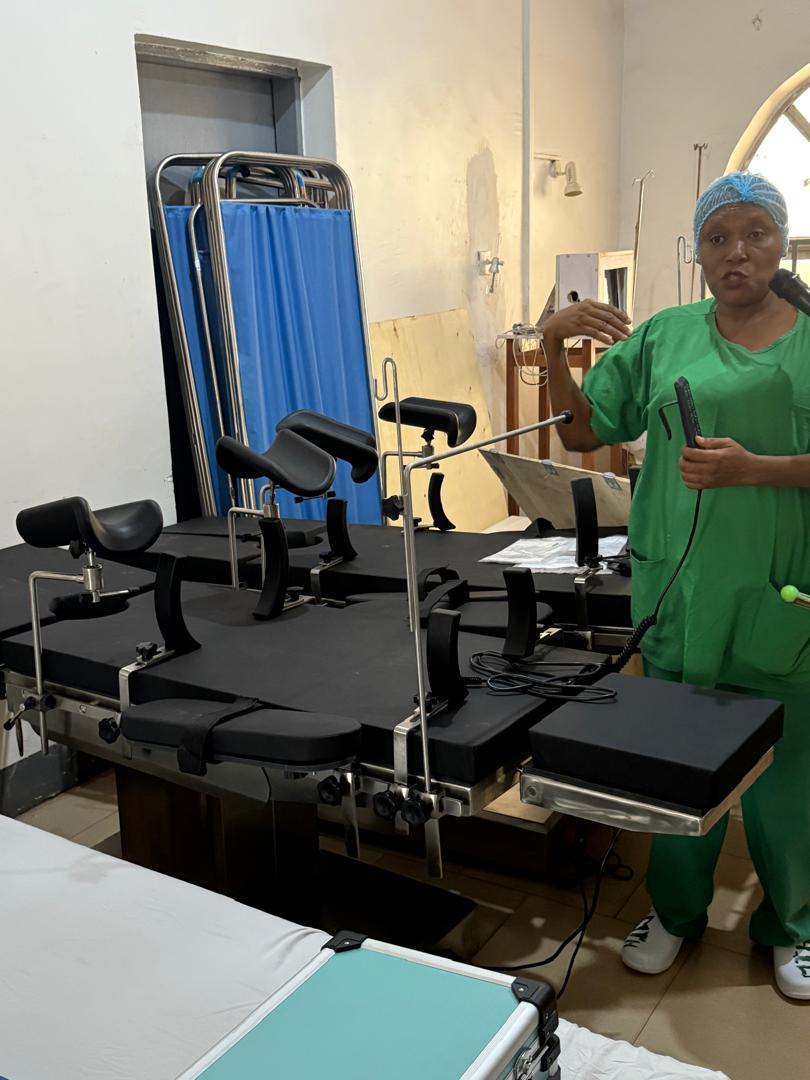
The administration of Governor Peter Ndubuisi Mbah has installed new surgical equipment and upgraded medical facilities valued at over N500 million at the Enugu State University Teaching Hospital (ESUTH), Parklane, Enugu, as part of efforts to transform the institution into a world-class tertiary healthcare and specialist training centre, with the ultimate goal of making it one of the best teaching hospitals in Nigeria.
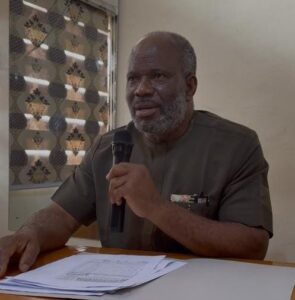
The Chief Medical Director of ESUTH, Prof. Bethrand Ngwu, disclosed this over the weekend when he conducted Government House Correspondents on an inspection of the newly installed facilities, including the main theatre, Accident and Emergency Department and specialised equipment for complex surgical procedures.

Chief Medical Director of ESUTH, Prof. Bethrand Ngwu
Prof. Ngwu said the upgrades were strengthening the hospital’s capacity to provide faster and more specialised care to patients, while also supporting postgraduate medical training and accreditation.
“Those machines provided by His Excellency, Dr Peter Ndubuisi Mbah, are all aimed at postgraduate accreditation by these two big institutions, the National Postgraduate Medical College and the West African College of Surgeons,” he said.
But beyond professional requirements, the CMD said the upgrades were designed to make a tangible difference in the treatment of patients, particularly those arriving in emergencies.
He said the upgraded Accident and Emergency Department was being developed to function as an autonomous unit where patients could undergo necessary investigations and receive immediate treatment without being moved unnecessarily between different sections of the hospital.
“When he came, the Accident and Emergency was empty. But now you can see how beautiful it is looking. That is what he wants. He wants here to look beautiful, efficient and functional. And that is where we are going,” Ngwu said.
According to him, the arrangement would enable emergency patients to undergo necessary tests and receive immediate treatment within the unit, while those requiring surgery could be operated on there and later transferred to the ward after stabilisation.
Prof. Ngwu said the new equipment had also expanded the hospital’s capacity to undertake highly specialised procedures such as neurosurgery.
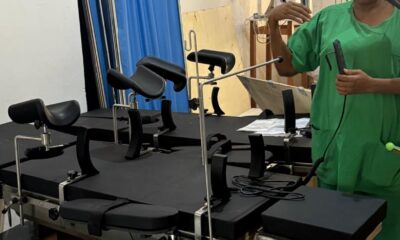
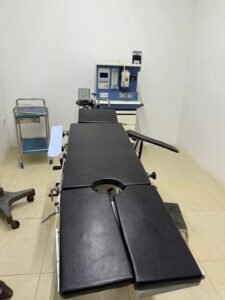
He disclosed that the neurosurgical theatre had received new operating tables, ventilators and specialised anaesthetic equipment fitted with capnography, which enables doctors to monitor carbon dioxide levels during complex operations.
Ngwu said ESUTH had recorded several accreditation successes across its specialist programmes since 2023, while explaining that accreditation was essential because resident doctors must train in accredited programmes before proceeding to their professional examinations.
“Accreditation is a regular thing. Because if you do not have accreditation, you cannot even go for professional examination,” he said.
He noted that ESUTH had also recently received accreditation from the Medical and Dental Council of Nigeria (MDCN), which oversees undergraduate medical training, with the hospital’s MBBS quota subsequently increased to 350 medical students.
According to him, the hospital had secured five-year accreditations from the National Postgraduate Medical College and the West African College of Surgeons in areas including Family Medicine, Anaesthesia, Physiotherapy and Radiography, while its School of Nursing had also been upgraded to a College of Nursing.
Also, the hospital is preparing for another round of postgraduate accreditations in October, with the Accident and Emergency and Surgery departments among the areas to undergo review by the relevant professional bodies.
Prof. Ngwu said Parklane’s specialist manpower was another major strength of the institution, disclosing that the hospital had approximately 126 full-time consultants as of December 2025 and 50 part-time consultants currently, covering different fields of specialty, including paediatric surgery and neurosurgery.
He disclosed further that the hospital had nearly 300 resident doctors, 540 nurses and 120 house officers, adding that Governor Mbah had also granted approval for a further increase in the hospital’s manpower.
On reports of an ongoing strike by resident doctors, the CMD confirmed that they had indeed embarked on a partial strike, but said the action lasted less than three weeks before it was called off following the resolution of the misunderstanding.
The CMD said the hospital’s resident doctors were benefiting from the Medical Residency Training Fund (MRTF), introduced by the Mbah administration to support specialist training and professional examinations. He said the government had this year paid the MRTF for 266 resident doctors, at nearly N1 million per doctor.
“This Medical Residency Training Fund was not in place before Governor Mbah came. He introduced it. He said every doctor should go for more training,” Ngwu said.
Prof. Ngwu said the administration had also invested in the training and welfare of interns across different health professions, including medicine, nursing, physiotherapy, pharmacy and radiology, providing them with the necessary environment for their compulsory one-year professional training.
He said the interns had expressed appreciation for the intervention and were planning a statewide sporting championship in honour of the governor.
The CMD further disclosed that the hospital was working towards completing a new multi-storey medical and diagnostic complex containing several theatres, advanced laboratories, intensive care units and recovery rooms.
He explained that management had decided to refurbish the existing theatre complex rather than wait for the new building to be completed because postgraduate doctors currently undergoing training needed the facilities for their examinations and accreditation exercises.
According to him, the existing theatre building had been refurbished and modified in line with requirements raised by the National Postgraduate Medical College, including improvements to its access points, lighting and other essential facilities.
He said the new medical complex would eventually provide expanded capacity for surgical procedures, intensive care and post-operative recovery, while the existing facility could subsequently be removed, converted to another use or further modernised.
Prof. Ngwu also outlined measures being put in place to ensure that the multimillion-naira equipment would remain functional and deliver value over the long term.
He said the hospital was training biomedical engineers and technicians while also entering into service agreements with equipment suppliers to provide maintenance for between two and three years after installation.
“The whole essence is that if an equipment is bought or installed, and is maintained for two or three years, before the end of that period, we must have had or trained people who will continue to maintain and manage it,” he said.
The CMD added that the hospital was also adopting a backup strategy for critical equipment to ensure that services would not be disrupted when a machine was undergoing servicing or developed a fault.
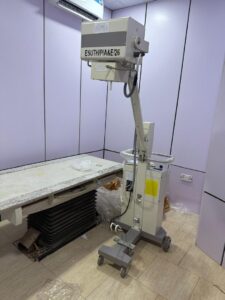
He cited imaging equipment as an example, saying some machines were currently undergoing servicing while additional equipment supplied by the state government provided backup capacity.
Prof. Ngwu said the upgraded facilities were available to all patients, regardless of their social or economic status, dismissing reports that the new Accident and Emergency building was reserved for VIPs.
“Whether you are rich or poor, we accept you, and no part of this hospital is reserved for VIPs. Reports that the new Accident and Emergency building is exclusively reserved for VIPs are false and should be disregarded. This is our hospital,” he said.
He expressed appreciation to the state government for its interventions at Parklane, saying the upgrades had significantly changed the physical and professional environment at the hospital.
“The upgrades we have witnessed in this hospital over the past three years of Governor Mbah’s administration have been substantial and cut across every sector. But His Excellency prefers to let his work speak for itself. He does not make noise about what he does. He simply focuses on getting things done and done properly,” he said.