The Nigeria Police Force has uncovered and raided facilities known as phone farms, allegedly used to manipulate online conversations ahead of the 2027 general elections.
The police also arrested a suspect accused of circulating false information about a political candidate from the South-South region in an alleged attempt to influence voter behaviour and damage the candidate’s reputation.
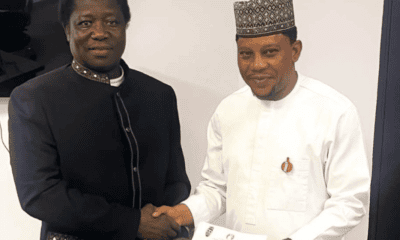
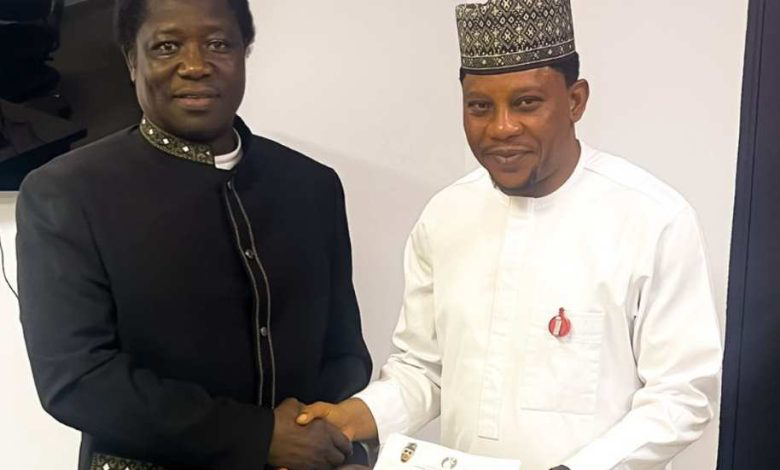
Assistant Commissioner of Police, Bashir Abdullahi, disclosed this on Wednesday during a webinar titled ‘AI, Misinformation and Nigeria’s 2027 Elections: Safeguarding the Truth, Protecting the Vote’, organised by the PUNCH Media Foundation.
Abdullahi, who represented the Inspector-General of Police, Olatunji Disu, explained that phone farms are facilities where hundreds of mobile phones and automated accounts are deployed to create the impression that large numbers of people are discussing or promoting particular issues online.
He said the police discovered the facilities while investigating alleged coordinated attempts by some individuals to manipulate the electoral process.
“We have recently come across information regarding the coordinated effort being made by some individuals to see that they tamper with our elections. Having dissected the information, we were able to carry out targeted raids at phone farms,” he said.
Explaining how the facilities operate, Abdullahi said individuals deploy multiple mobile phones and bots to circulate information simultaneously, thereby manipulating public perception and creating artificial online engagement.
“They call it phone farms, where you have bots arranged to manipulate and spread information simultaneously, making you believe that a whole lot of people are talking about the same subject.
“Meanwhile, it is just an individual behind hundreds of phones, arranged in what they call a phone farm, so that they can manipulate the system. The police were able to disrupt this,” he added.
The police chief also disclosed that a suspect was in custody over the alleged circulation of false information about a political candidate from the South-South region.
According to him, the suspect allegedly spread misleading reports about activities that had either not taken place or were still in the pipeline, with the intention of influencing voter behaviour and discrediting the candidate.
“As I am talking to you now, we have somebody in our custody who came up with this kind of information regarding one of the candidates from the South-South part of the country, carrying information regarding things that were not done or that were in the pipeline and said that they were not done, just to predict voter behaviour, and then make them behave in a manner that is negatively targeted to disparage these candidates,” Abdullahi said.
He explained that the police investigated the complaint, traced the source of the information and subsequently arrested the suspect.
Abdullahi warned that the police would arrest and prosecute anyone found guilty of spreading false information capable of undermining the electoral process.
“What we are doing now is, first of all, to send the message that the police are ready to arrest any person found spreading false information.
“Two, we are going to carry out investigations. Three, we will ensure that such a person is prosecuted. This is a message for people not to even contemplate doing that kind of behaviour,” he said.
On the growing use of artificial intelligence to manipulate electoral information, Abdullahi said the police had acquired cyber solutions capable of detecting deepfake videos, manipulated photographs and cloned audio recordings with up to 99 per cent accuracy.
He identified AI-generated videos, manipulated photographs and voice cloning as potential threats to the 2027 elections, warning that the technologies could be used to make candidates, public officials and electoral authorities appear to have made statements they never uttered.
He added that the police were conducting digital forensic examinations of audio recordings, videos and photographs circulating on social media as part of efforts to identify manipulated content.
According to him, the force had also established an election monitoring room and commenced intelligence gathering ahead of the polls.
However, Abdullahi stressed that the police would not interfere with legitimate public opinion, noting that investigations and enforcement actions would be guided by established legal provisions.
“If the relevant legal elements are not established, we cannot go out and disrupt the peaceful conduct of public opinion. We cannot do that,” he said.
He urged Nigerians to verify election-related announcements through the Independent National Electoral Commission (INEC), particularly reports concerning changes to the election timetable.